







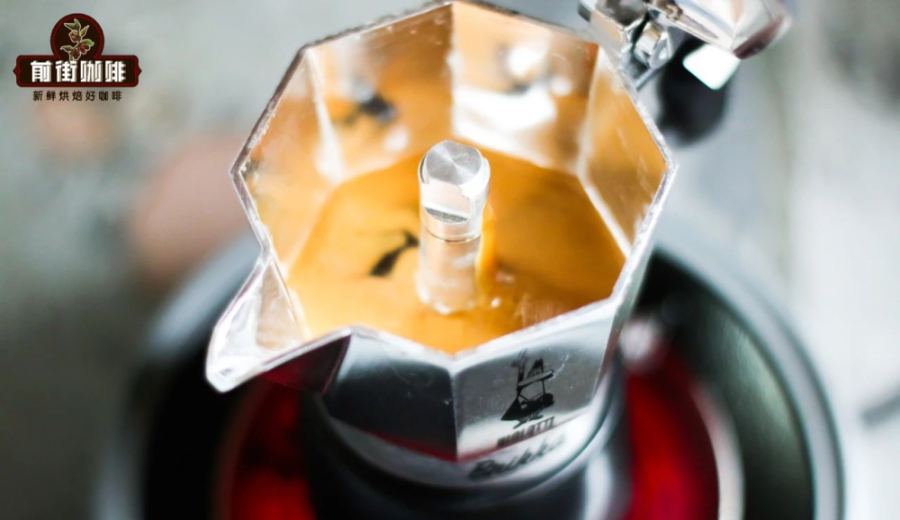
Introduction:The moka pot is a staple espresso tool in the homes of many coffee enthusiasts. Through direct flame heating and steam pressure, it quickly brews richly flavored coffee. This article delves into the structural principles of the moka pot, compares the performance differences in crema and concentration between single-valve and double-valve designs, offers practical advice on capacity selection, and details the key points for choosing medium-dark roasted beans along with a complete brewing guide—helping you use the right method to brew coffee closer to the Italian style.
The moka pot (Moka Pot) is a widely used stovetop coffee maker in Italian households. By heating water in the lower chamber to generate steam pressure, it pushes the hot water up through the coffee grounds layer to extract a coffee liquid rich in aroma. Although this brewing method does not reach the pressure of a professional espresso machine (about 9 bar), it typically achieves 1.5 to 2 bar—enough to extract coffee oils and deliver a rich taste.
Understanding the basic structure of the moka pot is the first step to using it correctly. The moka pot mainly consists of three parts: the lower chamber, the filter basket, and the upper chamber. The lower chamber holds water, the filter basket contains finely ground coffee, and the upper chamber collects the final brewed coffee. When the lower chamber is heated, the water generates steam, creating pressure that forces the water through the coffee grounds and into the upper chamber, completing the extraction.
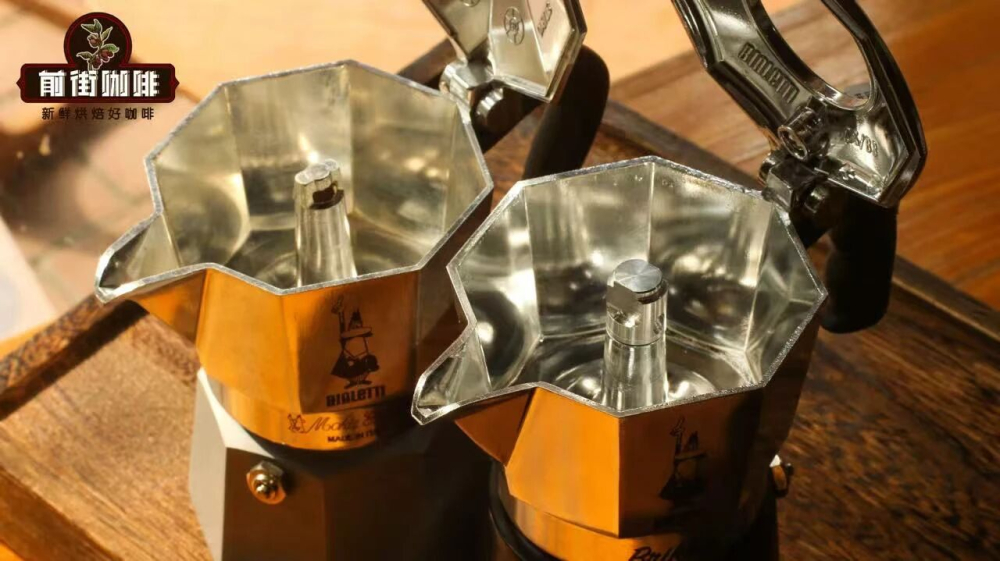
Currently, moka pots on the market are mainly divided into single-valve and double-valve designs. In a single-valve moka pot, the coffee liquid flows naturally out from a small hole at the top of the spout, while a double-valve moka pot is equipped with an additional pressure valve. This valve only opens when the steam pressure builds up to a certain level, allowing the coffee liquid to be released. This design enables the double-valve version to accumulate higher pressure during extraction, resulting in richer coffee oils, and thus a more intense flavor and body.
In terms of actual extraction performance, coffee brewed with a single-valve moka pot usually has a slightly lower concentration and thinner crema; whereas the double-valve moka pot, due to more concentrated pressure, can extract thicker oils, making the layers of flavor in the coffee more pronounced. If you’re aiming for a richness closer to that of an espresso machine, the double-valve moka pot is the better choice.
When it comes to capacity selection, moka pots are usually labeled by “servings” or “cups,” with common specifications including 1, 2, 3, 6, 9, 12, and 18 servings. Generally, a standard shot of espresso is about 30–40 ml. For single or double users, it’s recommended to choose a 1–2 serving model; for gatherings with friends, a 3-serving size would be more appropriate; and for family daily use—if you need to brew more than three cups at a time—a 6-serving or larger size can be considered. Though the price increases with capacity, it also meets the needs of multiple users.
The extraction principle of the moka pot uses high-pressure steam to pass through the coffee puck, releasing the essence of the coffee. To achieve the best flavor, it is recommended to use medium-dark roasted coffee beans, which typically have richer oils and aroma and complement the extraction characteristics of the moka pot well. Medium-dark roasted coffee not only has a distinct bitterness and intense aroma but can also form a fine layer of coffee crema on the surface—an essential component of the captivating flavor of espresso.
If you prefer flavors such as nuts or chocolate, you can choose medium-dark roasted beans from regions like Brazil or Papua New Guinea; if you want more pronounced crema and a richer mouthfeel, you might opt for Typica variety beans or classic blend options. These beans can still showcase a rich and layered taste even under home moka pot conditions.
When operating the moka pot, it is recommended to follow these steps: First, pour cold water into the lower chamber up to the safety valve level, then attach the filter. Next, fill the filter basket with coffee grounds. Note that the grind size should be slightly coarser than pour over but slightly finer than espresso machine grind. When filling the basket, you can slightly heap the coffee in the center and pack it firmly around the edges to ensure a compact coffee bed without obvious gaps, which helps reduce channeling effects.
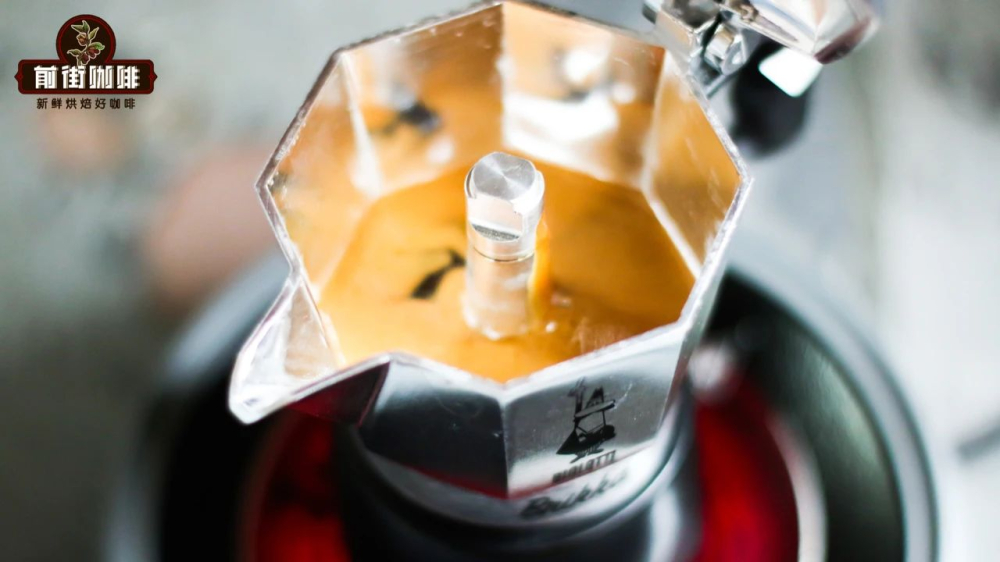
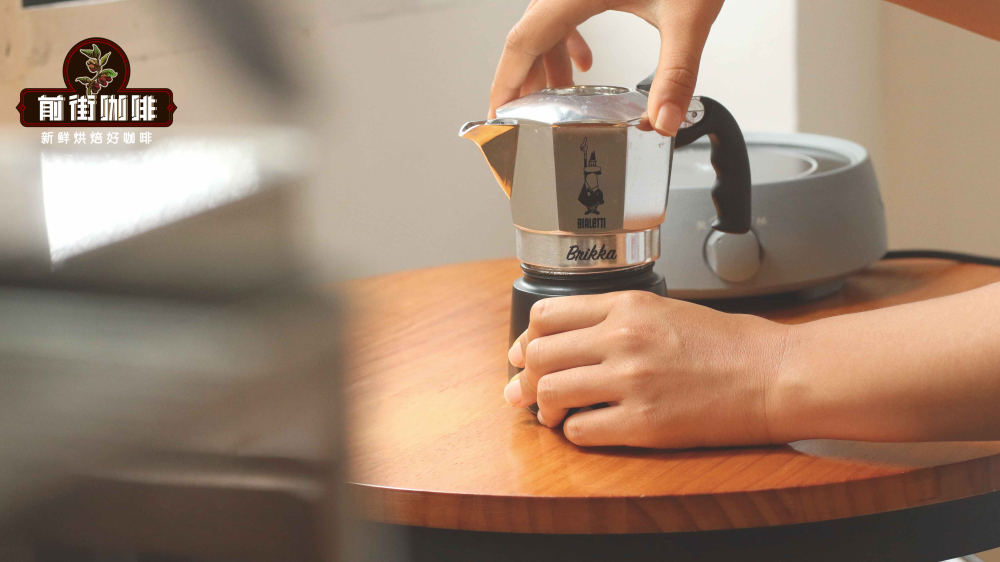
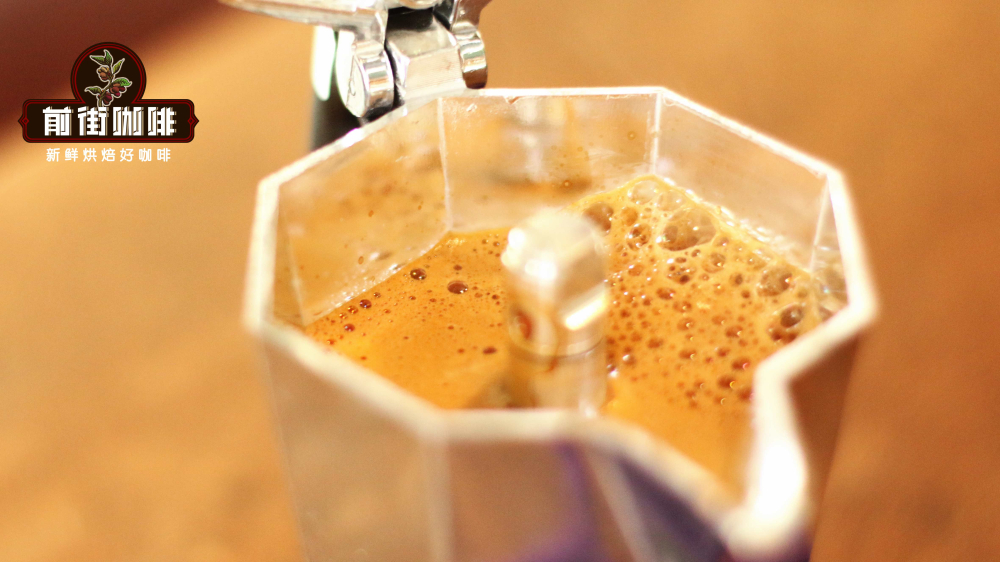
Place the filled filter basket into the lower chamber, then tightly attach the upper chamber to ensure good airtightness. Put the moka pot on an electric stove or similar heat source, and heat it over high heat. Once you hear a distinct “wuuu-pu-pu” sound—usually after about 3–4 minutes—you can reduce the flame and open the upper chamber lid to observe the extraction. When about half of the coffee has flowed out, turn off the heat and let the residual heat push the remaining coffee into the upper chamber to avoid over-extraction.
Once all the coffee has entered the upper chamber, you can pour it into your cup and enjoy. Moka pot-brewed coffee is usually rich and comes with crema. You can also adjust the flavor to your liking by adding hot water or milk for more variety. Although the steps may seem simple, brewing a cup of coffee with an ideal flavor still requires careful control of grind size, coffee packing, and heat management. With practice, you too can use the moka pot to brew satisfying espresso-style coffee.
The above content is compiled by CoffeeHunters, a coffee news website.


