







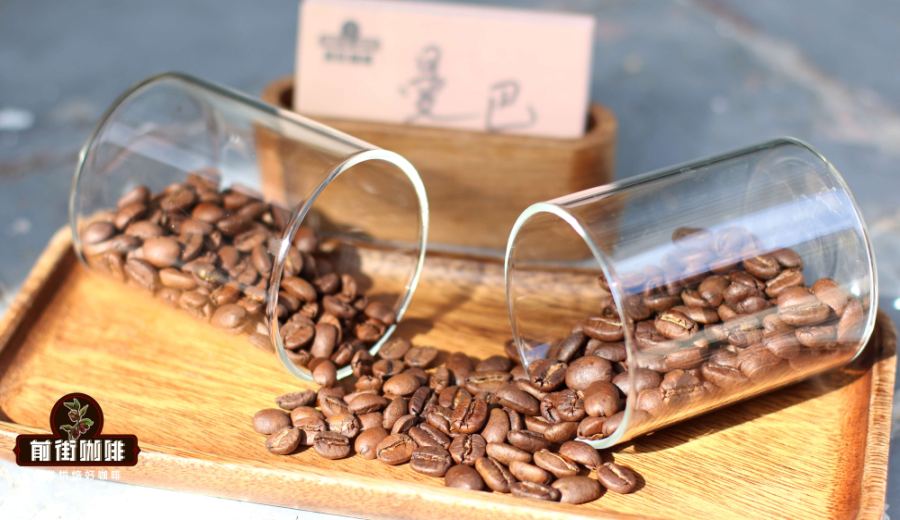
Introduction:Mamba coffee is a classic blend of Indonesian Mandheling and Brazilian beans, beloved in early Taiwanese cafes for its rich and balanced flavor. This article delves into the origins and flavor profile of the Mamba blend, detailing its composition, optimal extraction parameters, and how to craft a smooth and aromatic latte with it. Whether you’re a beginner or looking to elevate your espresso game, you’ll find practical tips here.
Mamba coffee is a classic espresso blend primarily made from Indonesian Mandheling and Brazilian beans. This combination was highly popular during the early days of Taiwanese cafes. The goal of this blend is to combine the strengths of both beans, complementing each other’s flavor profiles to create a rich and balanced cup. Understanding the Mamba blend not only deepens your appreciation of espresso fundamentals but also guides you in selecting the right beans.
Indonesian Mandheling is grown in regions like Sumatra, where mineral-rich soil imparts unique aromatic characteristics to the beans. These beans are typically short and oval-shaped, with a dark green color and a thick, prominent white center line. When roasted lightly, they exhibit noticeable acidity but lack complexity in flavor layers. Conversely, darker roasts bring out bold bitterness alongside complex notes of spices, pine, and caramel, along with enhanced body and a long finish. As such, Mandheling suits various brewing methods and often serves as the base bean in many blends.
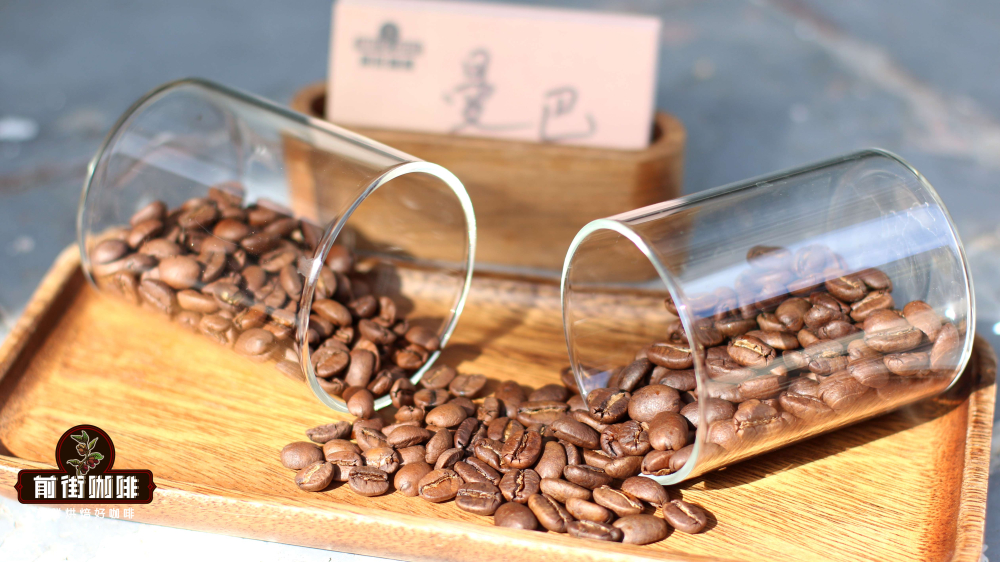
Among the various Mandheling offerings, one brand’s Golden Mandheling stands out for its exceptional quality. These beans are more slender in appearance, with a full and firm structure during the dehydration phase of roasting, giving them a tense and dynamic profile. After medium-dark roasting, they release a rich aroma of dark chocolate—a signature trait. Due to Mandheling’s inherently bold and stable flavors, it’s often used as the backbone of blends, significantly influencing the overall mouthfeel and body.
As for Brazilian beans, being the world’s largest coffee producer, Brazil offers a diverse range of bean sources with varying quality. Machine-harvested beans often have inconsistent ripeness, resulting in generally mild flavors, low acidity, and a soft mouthfeel. These traits make Brazilian beans a common base in blends, helping to balance the intensity of other components. This is why Brazilian beans frequently appear in various recipes, especially when stability and cost-efficiency are priorities.
So, what exactly is Mamba coffee? Simply put, it’s a blend of Indonesian Mandheling and Brazilian beans, achieving flavor balance through their complementary traits. Early Taiwanese cafes widely used this blend not only because of its catchy name but also due to its smooth and approachable taste, which customers loved. Though it’s less popular today, it still has nostalgic appeal for coffee enthusiasts who appreciate its classic profile. Nowadays, many consumers lean toward milk-based coffee drinks like caramel macchiatos, where added milk and syrups create diverse flavor experiences.
If you’re looking for an espresso bean suitable for lattes and latte art, consider a classic blend designed for espresso machines. Such blends typically use medium-dark roasted Indonesian wet-hulled Mandheling and Brazilian semi-washed Cerrado beans—the so-called "Mamba" combination. To enhance crema texture and aromatic richness, some recipes also include a small amount of washed Robusta, ensuring smoother extraction while intensifying caramel and creamy notes.
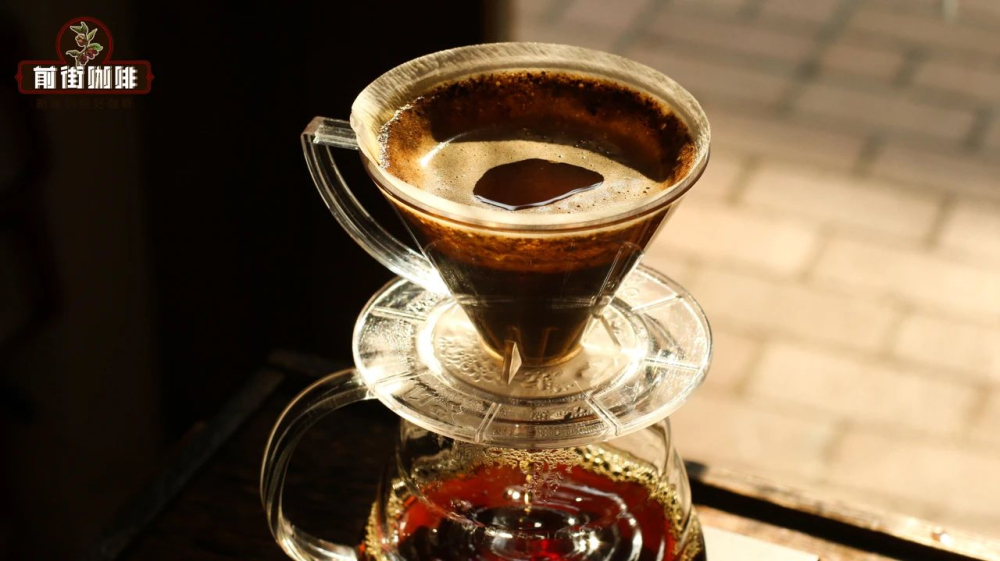
For home baristas extracting espresso, understanding basic extraction parameters is crucial. Take a commercial machine like the Lelit Bianca (a single-group model), which allows pressure adjustment up to 11 bar. Most home machines, however, only need to maintain a stable 9 bar output, paired with a decent grinder, to meet basic needs. A double basket is recommended, with coffee dosage between 18 to 20 grams and an extraction ratio of about 1:2—yielding roughly 40 grams of espresso from 20 grams of coffee.
Extraction time is another key factor influencing flavor, typically advised to be within 20 to 35 seconds. Too short may lead to under-extraction and weak flavors, while exceeding 35 seconds risks over-extraction, resulting in burnt and bitter notes. In practice, some cafes aim for 28 to 30 seconds to achieve optimal balance. The steps include: drying the portafilter, grinding around 20 grams of coffee, distributing the grounds evenly, then tamping firmly to ensure a stable puck. Next, rinse the group head to remove old coffee residue, lock in the portafilter, and start extraction. Stop when 40 grams of espresso are yielded at around 30 seconds, then enjoy.
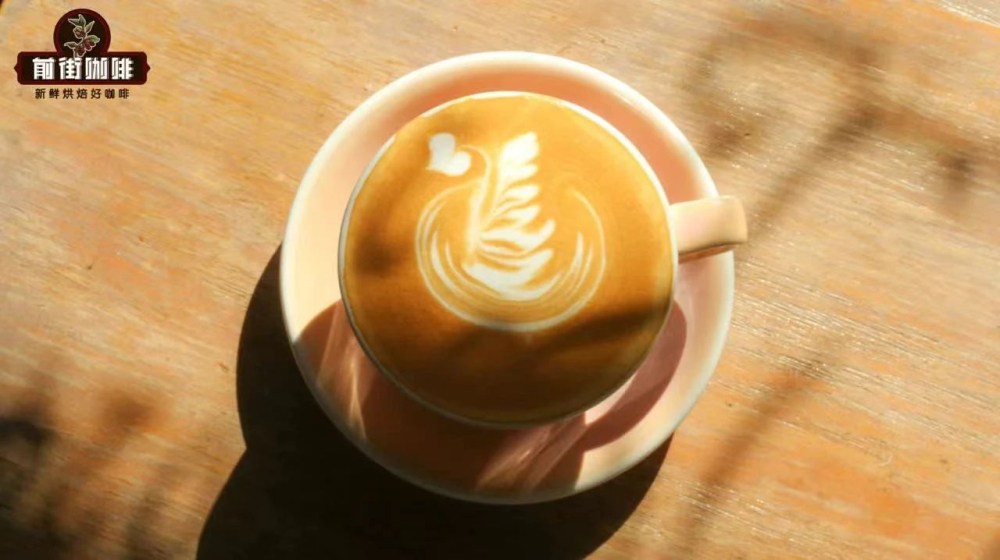
Espresso extracted from this Mamba blend usually boasts a thick, golden crema with layers transitioning from dark to light, exuding a strong caramel aroma. It’s ideal for lattes—not only showcasing beautiful latte art but also balancing the intense coffee flavors with the creaminess of milk, resulting in a smooth and layered drinking experience.
To make a hot latte, pour a double shot (about 40 ml) of espresso into a cup with ~30 ml capacity, then steam 240 ml of fresh milk to drinking temperature with a foam thickness of around 0.5 cm for easy latte art. Finally, combine the milk and espresso evenly, using the foam to create an attractive design, and you’ll have a well-balanced, visually appealing latte.
In summary, the Mamba blend stands out with its rich and balanced character, whether enjoyed as a straight espresso or as the foundation of a latte. Understanding its origins, flavor profile, and extraction essentials will help you better appreciate the unique coffee experience this classic blend offers.
The above content is compiled by CoffeeHunters, a coffee news website.


