







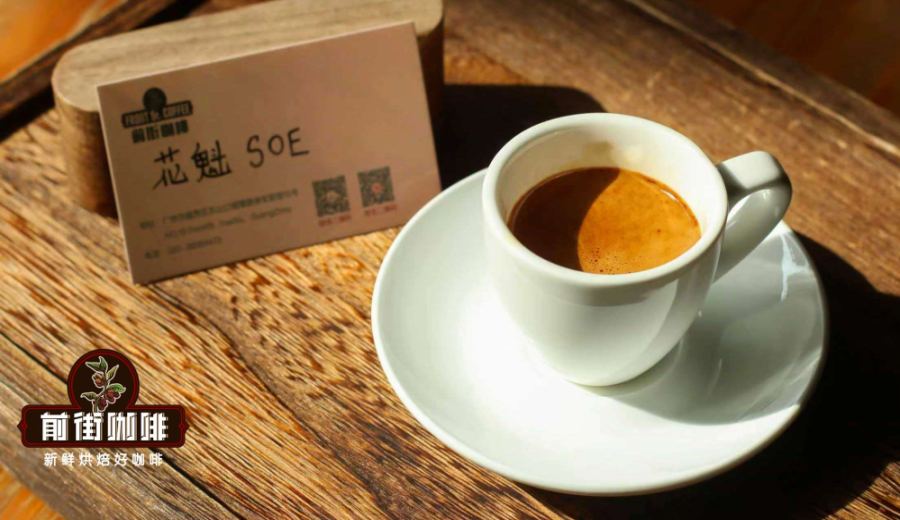
Introduction:SOE (Single Origin Espresso), a popular choice in cafes in recent years, is made by extracting espresso from beans of a single origin, showcasing unique terroir characteristics. This article analyzes the differences between SOE and traditional blended beans, explores their flavor advantages and potential challenges, and offers selection advice. It also features a medium-roast, sun-dried Yirgacheffe bean with distinct berry and citrus notes, ideal for coffee lovers interested in exploring fruit-forward flavors.
Have you ever been asked by a barista in a specialty coffee shop if you’d like to try an SOE? This abbreviation, derived from Single Origin Espresso, refers to espresso extracted using beans from a single origin. Many consumers intuitively assume it’s superior to blends, but the reality depends on factors like roasting techniques and brewing parameters.
The rise of SOE is closely tied to the development of specialty coffee culture. When single-origin beans with distinct regional characteristics—such as Yirgacheffe with its pronounced citrus notes or Kenyan beans rich in berry aromas—are used for espresso extraction, the high temperature and pressure intensify these unique flavors. Compared to pour over, which may obscure some nuances, SOE can deliver a more concentrated release of the region’s signature aromas.
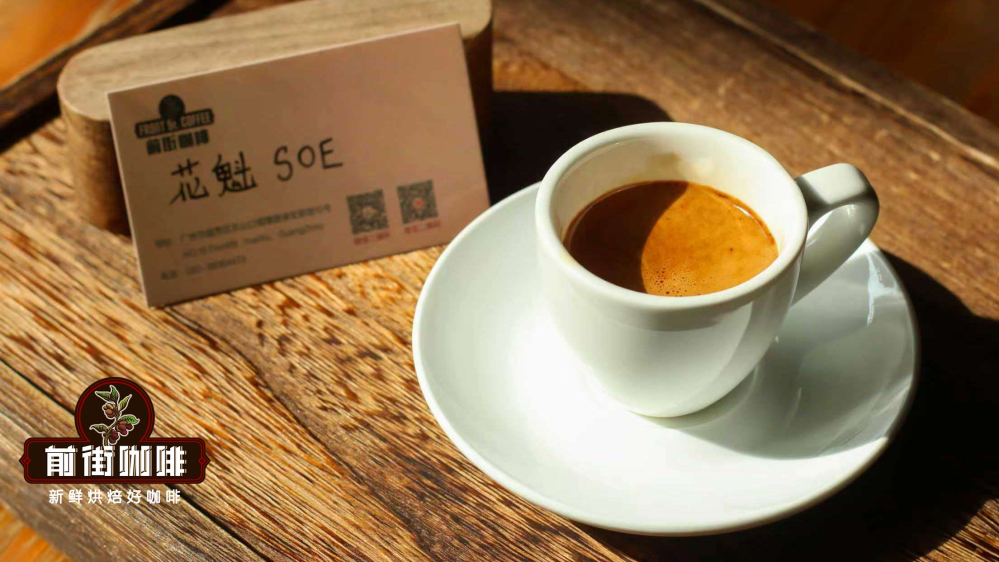
It’s worth noting that the characteristics of single-origin ingredients come with risks. Variations in the microclimate of the coffee-growing region, processing methods, as well as fine-tuning of the roast profile and grind size, can all significantly impact the final flavor profile. Therefore, SOE isn’t always superior to carefully crafted blends; its popularity reflects modern consumers’ growing demand for “traceable flavor sources.”
In practical applications, SOE espresso isn’t limited to drinking on its own. As the base for all espresso-based drinks, it’s also suitable for making Americanos, milk-based coffees, or creative specialty drinks. The key lies in balancing the bean’s extraction suitability—if you choose an extremely light roast with delicate flavors, drinking it straight may highlight bright acidity, but it can taste thin and bland when mixed with milk.
For beginners, it’s recommended to start with SOE beans roasted to a medium level or darker, or those with strong distinctive aromas (such as tropical fruits or caramel sweetness). These beans can maintain their flavor structure across various brewing methods, reducing the difficulty of blending.
Take the commonly available medium-roast, sun-dried Yirgacheffe as an example. Its typical processing involves: carefully selecting ripe red cherries, controlling the drying rate through shading, gradually dehydrating them under the sun to a moisture content of 12%, and finally separating the pulp using a depulper. This process preserves a large amount of fruit sugars, which, when transformed into espresso, often yield bright berry acidity, a refreshing citrus sensation, and a smooth caramel finish.
When making SOE, consider the following practical parameters: grind size generally falls between superfine sugar and table salt (adjust according to the extraction equipment), with a common coffee-to-water ratio ranging from 1:2 to 1:3 (a single shot of espresso uses about 9–12 grams of coffee to yield 30–40 milliliters of liquid). If you notice sharp acidity or woody off-notes during extraction, check the roast freshness or slightly adjust the pre-infusion time.
The above content is compiled by CoffeeHunters, a coffee news website.


