







Introduction:Want to understand why espresso isn’t suited for light-roast single-origin beans? This article delves into the design principles of espresso blends, compares the differences between SOE and blends, and analyzes how roast levels affect crema and flavor. It also provides a detailed breakdown of four classic espresso blends from a certain brand — Warm Sun, Premium, Commercial, and Dark Cocoa — including their bean compositions, flavor profiles, and recommended audiences, helping you find the most suitable blend and reminding you of the key points in resting freshly roasted beans.
Not all coffee beans are suitable for making espresso. Especially light-roast beans, which under high-pressure extraction tend to release sharp acidity that can negatively impact the overall taste. So, what kind of coffee beans are actually suitable for espresso machines? The answer is — espresso blends.
Espresso blends are specifically designed bean combinations for espresso extraction, usually roasted to a dark level. They not only ensure stable flavor expression but also enhance the coffee’s richness and crema texture. Compared to single-origin beans (SOE) from a single region, blends better balance characteristics from different origins, ensuring consistency in every cup while also being more cost-effective.
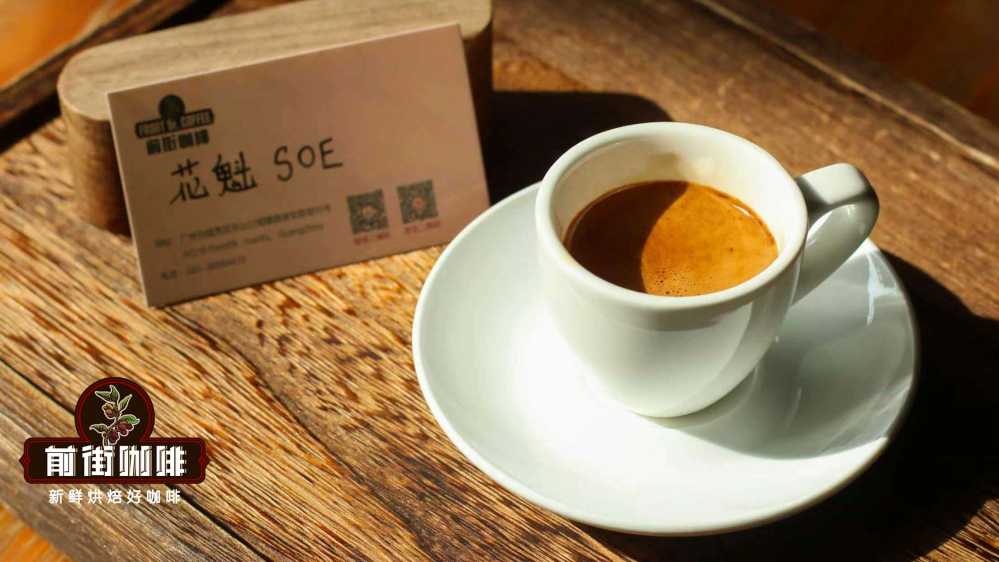
Many coffee beginners often wonder: can single-origin beans commonly used for pour over also be used in espresso machines? The answer is no. Single-origin beans, coming from specific regions, have flavor profiles influenced by climate, soil, processing methods, and roast levels, which can lead to variations in extraction results between batches. Additionally, light-roast beans are harder in texture, with limited soluble substance release, and in the high-pressure, high-temperature extraction environment, they tend to only extract acidic and sweet elements, lacking a rich body and full-bodied taste.
In contrast, espresso blends, by combining beans from different regions and with various processing methods in specific proportions, can complement each other’s strengths and weaknesses, creating a balanced and layered flavor profile. Moreover, dark roasting helps reduce the sharpness of acidity and promotes the release of more soluble substances from the beans, resulting in a smoother and fuller coffee taste.
Another key role of dark roasting is the accumulation of more carbon dioxide. These gases, during high-pressure extraction, get emulsified along with coffee oils and released, forming the familiar “crema” — the golden layer of oil on the surface of espresso. This layer of crema not only affects appearance but also plays an important role in aroma expression and flavor sustainability.
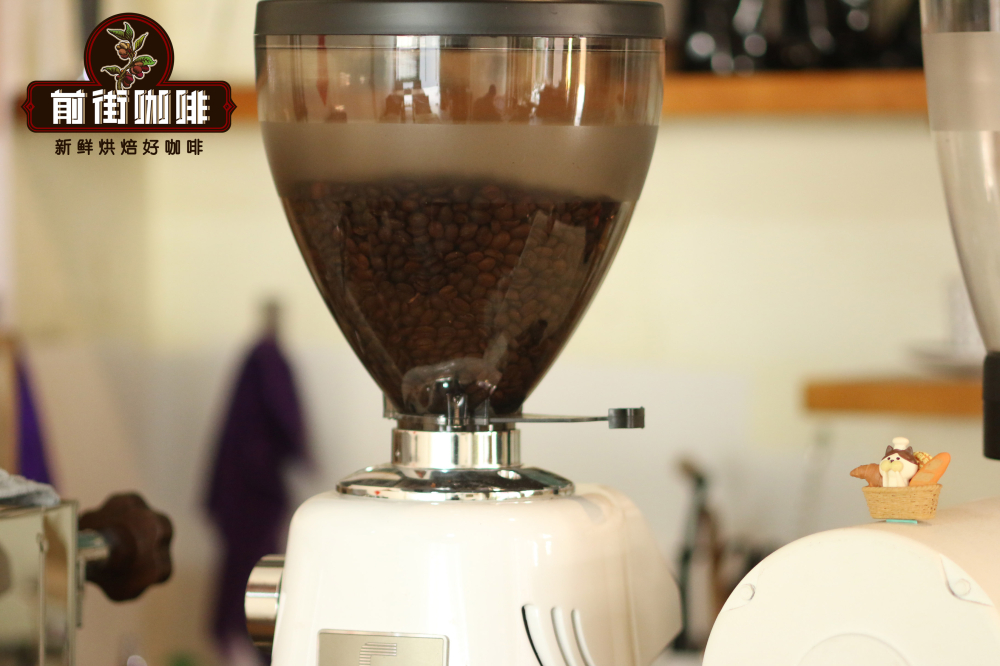
You might wonder, where does the oil in crema come from? Actually, it’s not just the coffee’s natural oils, but also includes carbon dioxide that’s been sealed inside the beans under high pressure. When pressure exceeding 9 bar “squeezes” the coffee puck, water becomes supersaturated with carbon dioxide, preventing its release and instead emulsifying it within the oils, which then flow out with the extraction and eventually rise to the coffee’s surface. Therefore, appropriate roast depth and freshness are key to maintaining good crema performance.
Based on these principles, a certain brand has launched four blends specifically designed for espresso machines, each targeting different flavor preferences and usage scenarios:
Warm Sun Blend: Combines Ethiopian sun-dried red cherry beans with Honduran beans, delivering rich fermented aromas, vanilla cream, berry acidity and sweetness, and roasted nut notes. Ideal for coffee lovers who enjoy complex, multifaceted flavors.
Premium Blend: Composed of Colombian washed beans and Brazilian semi-washed beans, its flavor profile leans towards nuts, dark chocolate, and caramel. Suitable for users who prefer a rich and balanced taste.
Commercial Blend: A mix of Robusta washed beans, Colombian washed beans, and Brazilian semi-washed beans, emphasizing nutty, cocoa, and caramel flavors. Offers great value, suitable for daily high-volume use or budget-conscious scenarios.
Dark Cocoa Blend: Blended with Yunnan washed small-bean variety and Brazilian semi-washed beans, it has a mild flavor with fruity acidity, caramel, and nutty notes. Recommended by many baristas as an everyday coffee bean, suitable for beginners or those seeking a stable taste.
It’s important to note that all blends sold by this brand are shipped within five days of roasting to ensure freshness. However, freshly roasted beans contain a large amount of carbon dioxide, and using them immediately may affect extraction stability, leading to uneven flow rate, overly long extraction time, and undesirable bitter or astringent flavors. It’s recommended to let the beans rest for 3–7 days after receiving them, allowing them to properly “rest” and release excess carbon dioxide for optimal extraction results.
Additionally, while excessive carbon dioxide helps with crema production, when making milk-based coffees like hot lattes, an overly thick crema layer may hinder the integration of milk and coffee, affecting latte art patterns and overall taste. Therefore, adjusting the resting time according to different uses is also an important detail in enhancing the flavor of espresso coffee.
The above content is compiled by CoffeeHunters, a coffee news website.


