







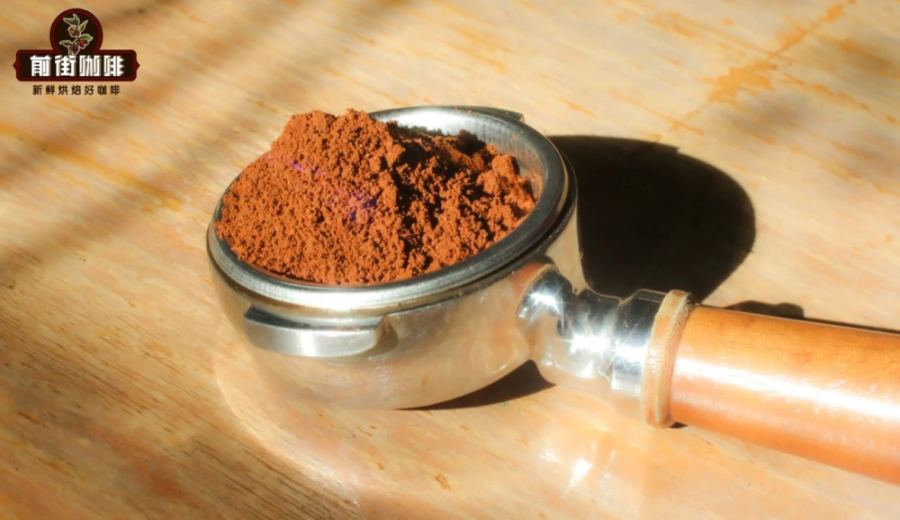
Introduction:Want to master professional-level espresso brewing techniques? This article delves into the key impacts of coffee-to-water ratio, grind size, and extraction time, shares how to optimize flavor layers through parameter adjustments, and explores the extraction differences between light roast beans and blends. It also includes an espresso tasting guide to help you appreciate each sip’s nuanced changes from a professional perspective.
What seems like a simple shot of espresso actually involves the precise coordination of numerous variables such as coffee-to-water ratio, grind fineness, and extraction time. The mere tens of seconds of extraction require accurate control of all parameters to achieve the desired flavor profile. This article will systematically outline the logic behind how coffee-to-water ratios affect flavor based on practical experience, analyze techniques for adjusting flow rate and grind size, and provide useful methods for everyday parameter tuning.
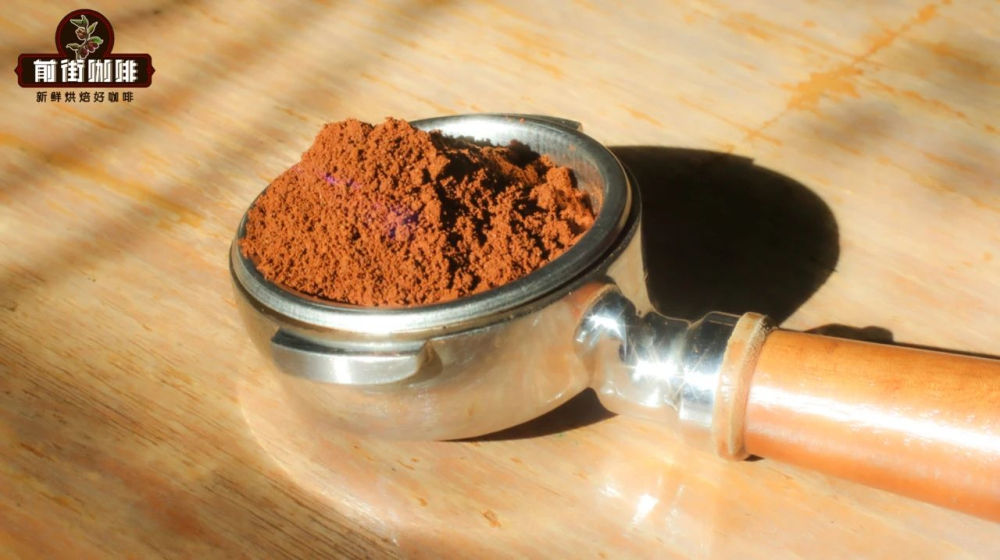
Observing a professional barista making espresso, their movements are clean and efficient, producing a strong shot in just a few minutes. However, a qualified espresso relies on the precise proportioning and coordination of various parameters to showcase its optimal flavors. Mastering these proportions often requires repeated practice and accumulated experience.
Coffee-to-water ratio is one of the core factors influencing extraction. The principle of espresso extraction is to use steam pressure to quickly push hot water through the coffee grounds, obtaining a highly concentrated liquid in a short time. The final flavor is closely related to the various parameters during extraction. The coffee-to-water ratio directly affects the taste direction, body, and richness of the coffee, making timing and weighing indispensable in the brewing process.
In the early days, most Italian cafés used dark roasted beans mixed with a certain proportion of Robusta, which has higher oil content. The resulting shots typically had strong caramel and dark chocolate notes. At that time, baristas didn’t rely on weighing but judged when to stop extraction by observing changes in the crema’s color. When it first flowed out, the liquid was dark brown and thick, then gradually turned golden, transitioning to light yellow, and when the crema began to turn white, it usually meant extraction should end.
With the rise of specialty coffee, more professionals have turned to higher-quality light roast beans to highlight unique terroir characteristics. The industry has also refined espresso extraction standards, establishing concentration ranges acceptable to most people and more stable extraction data. The coffee-to-water ratio has gradually converged to a relatively fixed reference range. Typically, extraction time is controlled between 25 to 30 seconds, with a ratio between 1:1.5 to 1:2.5, where 1:2 is most common, though adjustments should still be made flexibly based on needs.
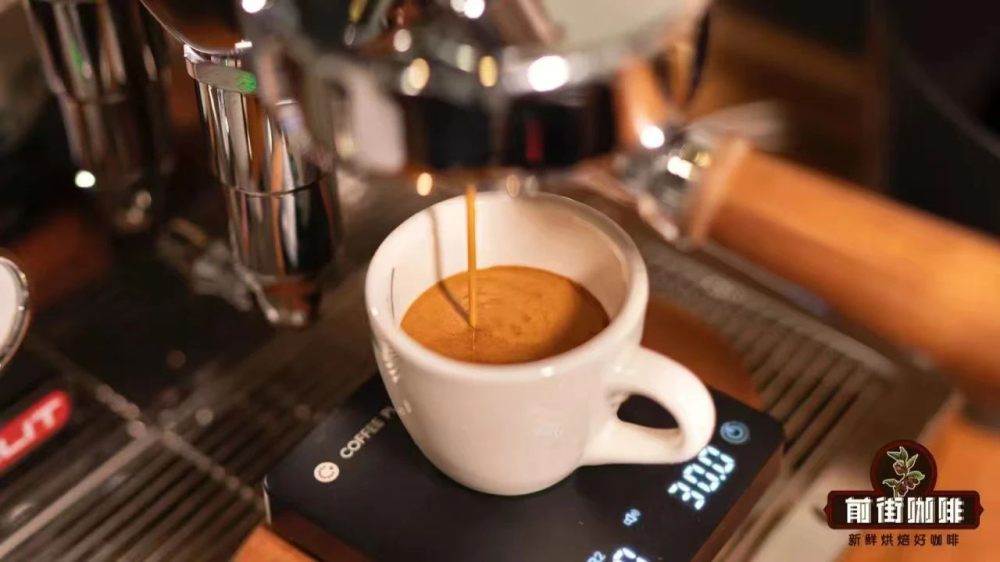
With a fixed coffee dose, the more liquid extracted, the lower the espresso’s concentration, and the higher the extraction yield. This results in more dissolved flavor compounds in the later stages, reduced body, and a greater likelihood of bitterness from over-extraction. Conversely, if the ratio is too small, the coffee may feel richer but lack full flavor expression, possibly tasting overly sharp or sour due to under-extraction. It’s recommended to start with a 1:2 ratio when tuning and then make fine adjustments based on actual flavor results.
Beyond the coffee-to-water ratio, the final quality of an espresso is also influenced by bean variety, freshness, water quality, grind fineness, extraction temperature, and time. Observing the espresso’s flow rate is a key indicator of extraction status. Flow rate refers to the amount of coffee liquid extracted per unit of time. If it takes less than 25 seconds to extract 40 grams of coffee, the flow rate is too fast—try increasing the dose to extend extraction time. If it takes over 30 seconds, the dose may be too high; reducing the dose can help improve flow rate.
Grind fineness directly affects extraction flow rate. A fast flow rate with short time means the grind is too coarse—you’ll need to grind finer. Conversely, a slow flow rate with sluggish dripping indicates the grind is too fine, so adjust coarser. An ideal grind range is: too coarse leads to under-extraction, resulting in thin and overly acidic flavors; too fine may over-extract, creating bitter tastes. When the flow rate is within a reasonable range, tasting can determine if the coffee meets standards—normal flavor means tuning is complete.
Espresso grinding is far finer than methods like pour over, so adjustments shouldn’t be made too drastically at once to avoid instability from too many changing variables. When brewing at home, it’s recommended to keep parameter records and summarize the relationship between extraction settings and flavor outcomes. This helps make quicker adjustments, reduces waste, and improves consistency.
Many coffee enthusiasts trying espresso at home opt for light roast single-origin beans, hoping to extract rich layers similar to pour over. However, espresso is brewed under extremely fine grind, high water temperature, and high pressure, amplifying various flavor compounds that strongly impact the palate. The elegant fruity notes light roast beans show in pour over may turn overly sharp or acidic in espresso; the rich body in pour over might become burnt or bitter in espresso. Blends, combining beans from different regions, can offer more balanced and stable aroma and texture.
It’s recommended to choose dark roast espresso blends, composed of beans from Brazil, Indonesia, Vietnam, and other origins, which can fully release the coffee’s rich aroma and easily produce dense, velvety crema. Whether making Americano or milk-based drinks like lattes, they deliver consistent performance.
A freshly brewed espresso will have a thick, golden layer of foam on top—known as crema. This results from carbon dioxide produced by freshly roasted beans under high pressure. To enjoy it at its best, use beans roasted within five days.
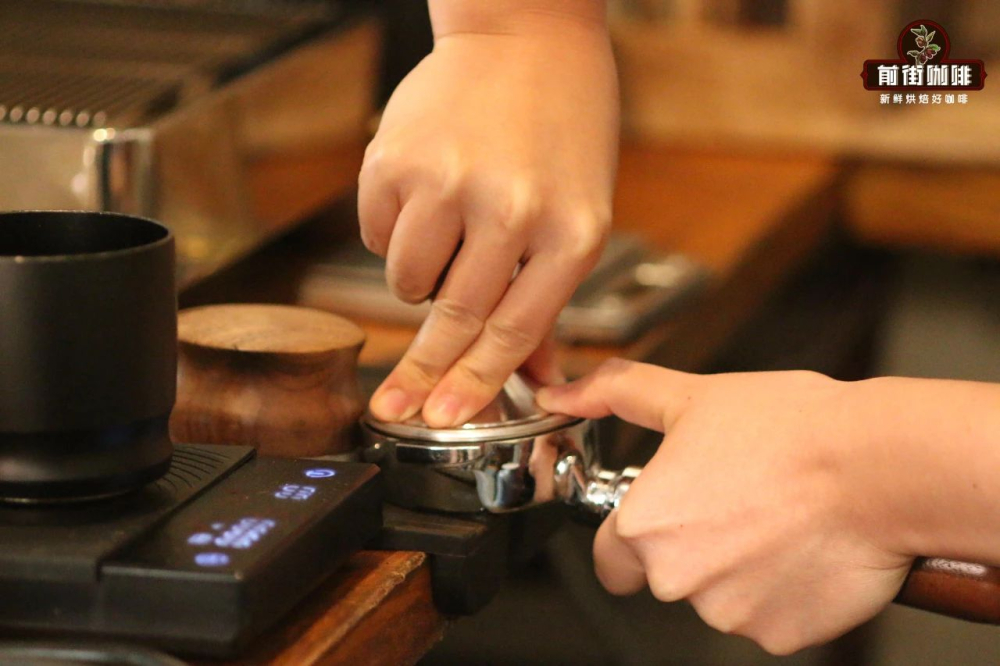
When serving espresso, staff often provide a glass of ice water. This is because espresso is strong and served in small amounts; drinking ice water beforehand cleanses the palate and awakens taste buds, helping you better perceive the coffee’s flavors. You can also gently stir the espresso with a spoon to mix the dense bottom layer with the surface, enhancing overall flavor experience. Alternatively, you may choose not to stir and directly experience the varying textures across layers.
It’s suggested to sip slowly in three to four rounds, using your tongue to rub against the palate to feel texture, and the sides of your tongue to capture acidity, synthesizing all senses to evaluate the overall profile. After drinking, exhale with your mouth closed to appreciate the coffee’s aroma and aftertaste. Finally, take a sip of water to sense the coffee’s sweetness. Of course, there’s no strict rule on how to enjoy it—finding your preferred way is most important.
The above content is compiled by CoffeeHunters, a coffee news website.


