







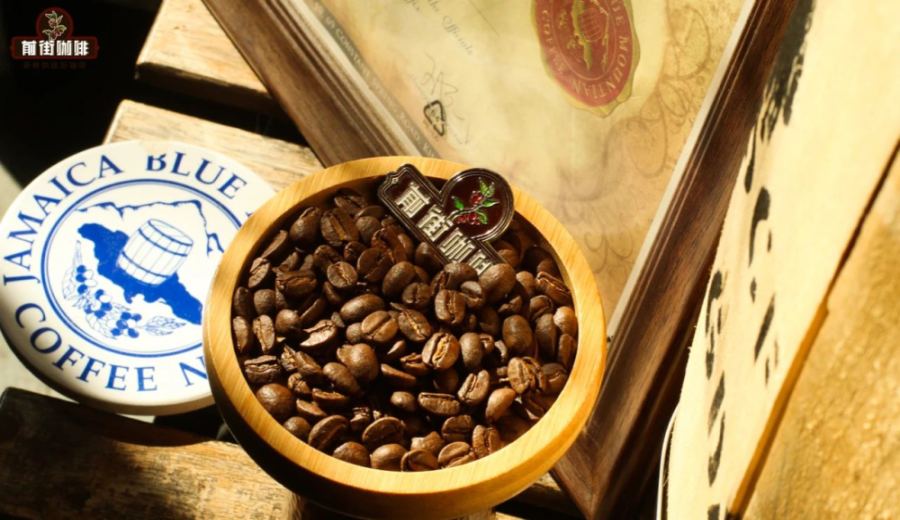
Introduction:Jamaica Blue Mountain coffee is world-renowned for its unique flavor and strict quality control, but few truly understand its grading system, terroir conditions, and certification standards. This article delves into the cultivation altitude, variety characteristics, and the classification from NO.1 to Peaberry grades of Blue Mountain coffee, while explaining how CIB certification and wooden barrel packaging ensure quality. It also provides expert pour-over brewing recommendations and flavor profiles to help you gain a comprehensive understanding of this premium coffee.
Jamaica Blue Mountain coffee has long been regarded as the pinnacle of specialty coffee. Its name not only denotes its origin but also symbolizes quality. However, many people know it only as "expensive" and "famous," with limited understanding of its growing environment, grading system, processing methods, and certification standards. This article will guide you through the regional conditions, varietal evolution, grading, and market certifications to comprehensively analyze every aspect of this legendary coffee.
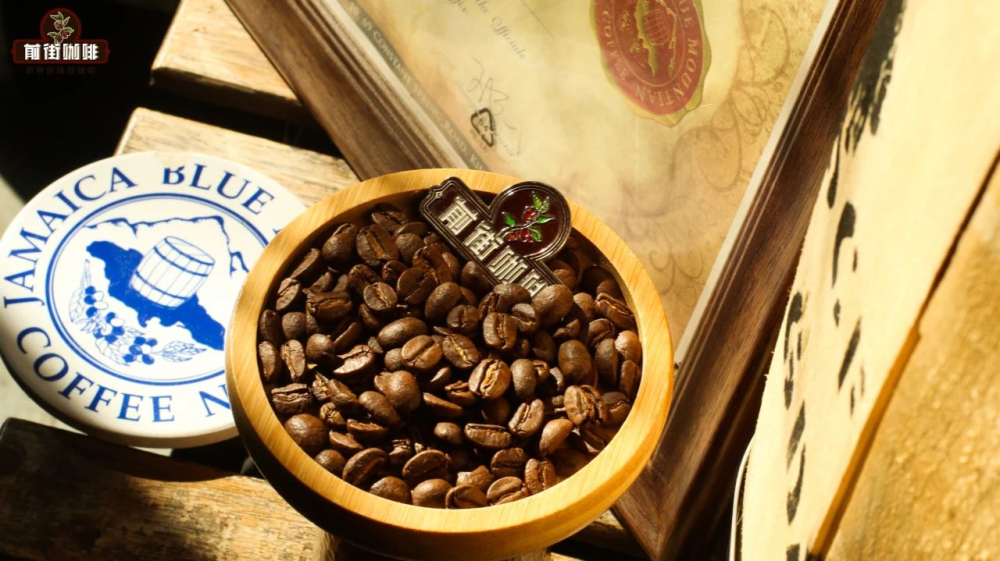
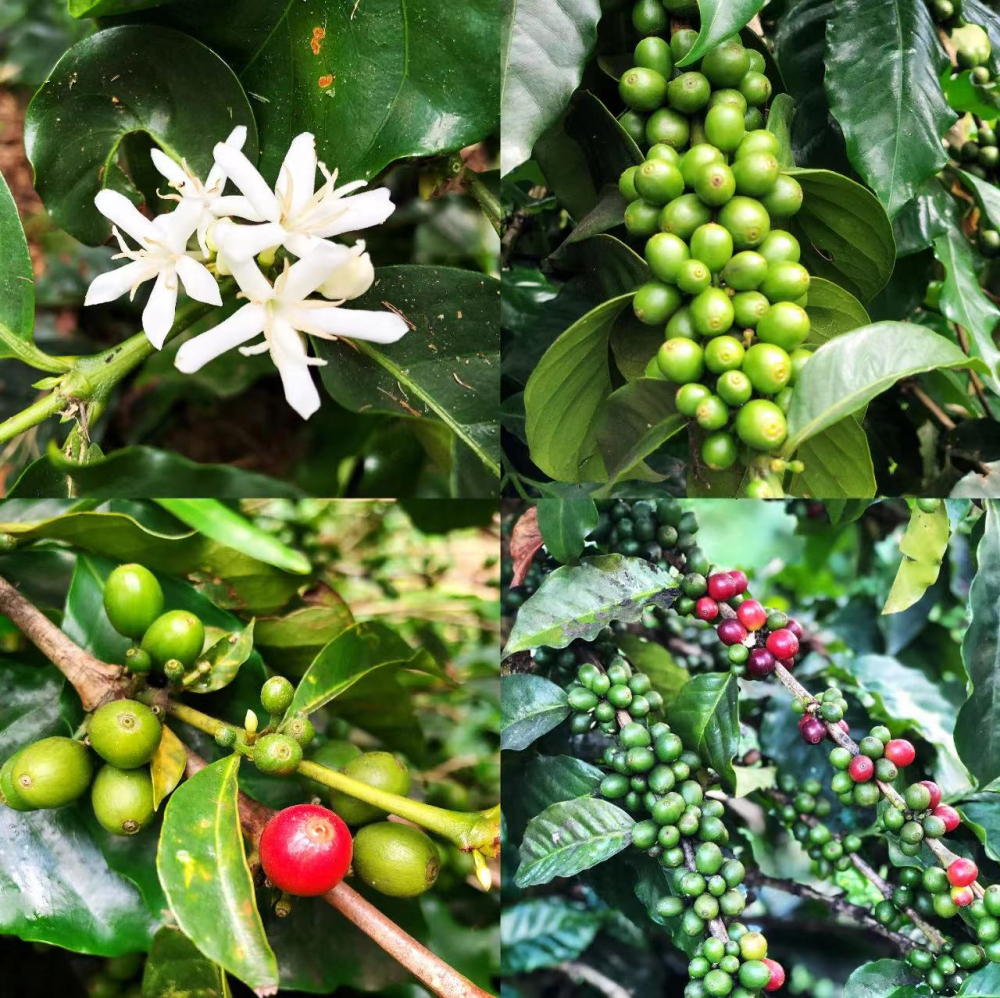
The so-called Jamaica Blue Mountain coffee refers to Typica variety coffee grown at altitudes between 910 and 1700 meters in the Blue Mountains of Jamaica. This variety was first introduced in the 18th century and, after long-term adaptation, has developed traits highly suited to the local environment. Local farmers often intercrop coffee trees with shade-providing plants such as bananas and avocados on steep slopes, using the shade to regulate the microclimate and allow the coffee to ripen slowly in a cool, foggy, and humid environment, which aids in the accumulation of flavor compounds.
The Blue Mountain range is located within the so-called "coffee golden belt," featuring a typical island climate, fertile volcanic soil, and diverse terrain, providing excellent natural conditions for coffee growth. However, the Jamaican government has not relaxed planting standards in pursuit of yield. Instead, it strictly defines the legal production area, allowing only Typica coffee grown between 910 and 1700 meters in the four parishes of St. Andrew, St. Thomas, Portland, and St. Mary to be labeled as "Jamaica Blue Mountain coffee." These four regions combined account for only one-third of the total potential planting area of the Blue Mountains, with the remaining land mostly used for cultivating Jamaica High Mountain or Jamaica Prime coffee. Statistics show that Jamaica’s annual coffee production totals about 1,260 to 2,400 tons, of which only about 300 to 600 tons meet Blue Mountain standards, accounting for less than 15%.
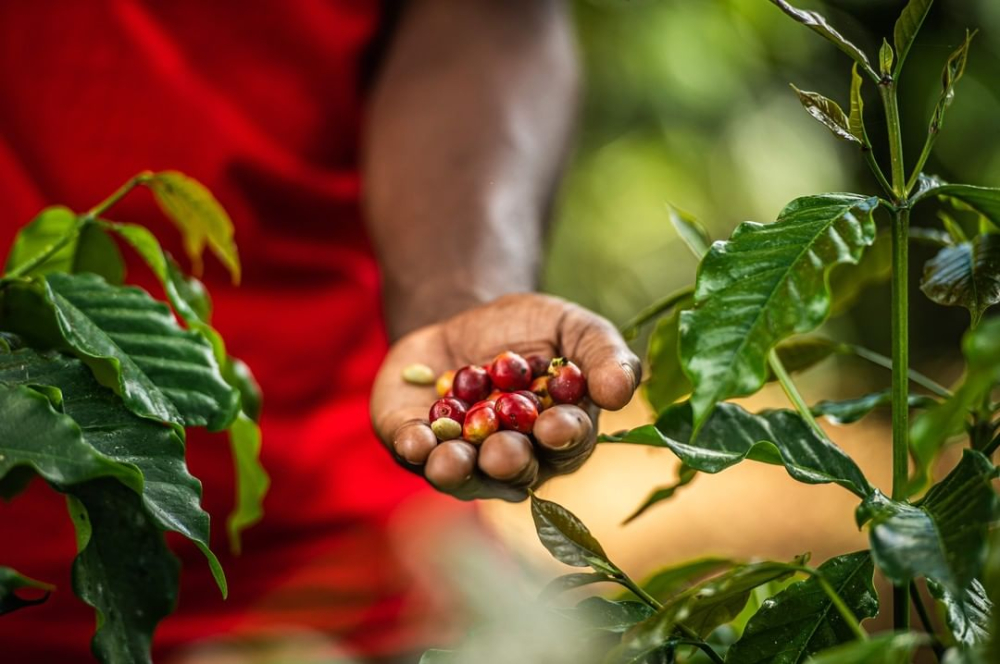
Due to the rugged terrain, harvesting relies entirely on manual labor, and only perfectly ripe coffee cherries are carefully selected, resulting in very high labor costs. The harvested coffee cherries are usually depulped on the same day, followed by a 12 to 18-hour fermentation process in clean water tanks to remove the sticky mucilage. After fermentation, the beans are washed again to remove defective beans, then sun-dried until their moisture content is reduced to 12% to 14%. The drying process is carried out on concrete surfaces or specialized thick mats, and the dried beans are stored in warehouses.
The dried coffee beans are graded based on bean size and external defects, divided into four grades: NO.1, NO.2, NO.3, and Peaberry (pea berry). Among them, NO.1 is the highest grade, commonly known as "Blue Mountain No.1," requiring a screen size between 17 and 18, a uniform overall appearance, and a defect rate not exceeding 2%. NO.2 requires at least 96% of the beans to be 16 or larger, with the same defect rate limit of 2%; NO.3 requires 96% of the beans to be 15 or larger, with the defect rate also capped at 2%. Peaberry (pea berry) refers to round coffee beans formed due to abnormal development, which are rare and typically exhibit more concentrated flavor profiles.
The reason for the high price of Blue Mountain coffee, apart from its scarcity, stems from the strict regulations at every stage from cultivation, harvesting, processing, storage to export, including clear guidelines on organic fertilizer use and shade management. While these details significantly increase production costs, they also ensure the consistent quality and unique flavor of Blue Mountain coffee.
It is worth mentioning that high-quality Jamaica Blue Mountain No.1 coffee beans are typically exported in wooden barrels, a packaging method that helps maintain the beans’ moisture content during transportation, generally around 11.5%, preventing moisture absorption or oxidation. In addition, all legally exported Blue Mountain coffee must obtain authorization and certification from the Jamaica Coffee Industry Board (CIB). Consumers can request relevant certificates from sellers when purchasing to verify product authenticity.
To fully experience the flavor characteristics of Blue Mountain No.1, it is recommended to use a medium-dark roast and brew via pour over. The Kono dripper is recommended, paired with medium-coarse grind (approximately 70% passing through a 20-mesh sieve), a 1:15 coffee-to-water ratio, a water temperature of about 88°C, and 15g of coffee. Begin with a 30-second bloom using 30g of hot water, then slowly pour water in a thin stream from the center outward to 125g, wait for the water level to drop slightly, then continue pouring to 225g, with a total extraction time of about 2 minutes and 10 seconds. These parameters help balance the extraction of multi-layered acidity, sweetness, and bitterness, delivering a rich profile akin to dark chocolate, gentle citrus acidity, sugarcane sweetness, and a caramel aftertaste.
In summary, Jamaica Blue Mountain coffee is not just an expensive specialty coffee but represents a comprehensive system of rigorous cultivation, processing, and quality control. From altitude restrictions, varietal selection, grading, to CIB certification and wooden barrel packaging, every detail contributes to the unique status of Blue Mountain coffee. If you’ve ever been curious about the term "Blue Mountain," now is the perfect time to delve deeper.
The above content is compiled by CoffeeHunters, a coffee news website.


