








Introduction:Although Tanzanian coffee may not be as well-known as its neighboring counterparts from Ethiopia or Kenya, the coffees from the Kilimanjaro region possess unique flavor charm. This article delves into the variety characteristics, washed processing methods, roasting strategies of this region, and provides practical pour over parameters along with cupping flavor notes to help you understand whether Tanzanian coffee has noticeable bitterness, and how to bring out its sweetness, acidity, and floral-fruity aromas through brewing techniques. It also compares the differences with the southern Bourbon varieties.
On the African coffee map, although Tanzania is often overshadowed by its neighbors Ethiopia and Kenya, the coffee from the Mount Kilimanjaro region has distinctive flavors that cannot be overlooked. The coffees here not only feature bright acidity and rich floral-fruity aromas, but also, due to the special geographic and climatic conditions, offer a well-balanced structure and layered taste profile. This article will break down the characteristics of Tanzanian coffee in detail—from variety, processing method, roasting, to cupping and pour over parameters—and answer the common question: “Does Tanzanian coffee taste bitter?”

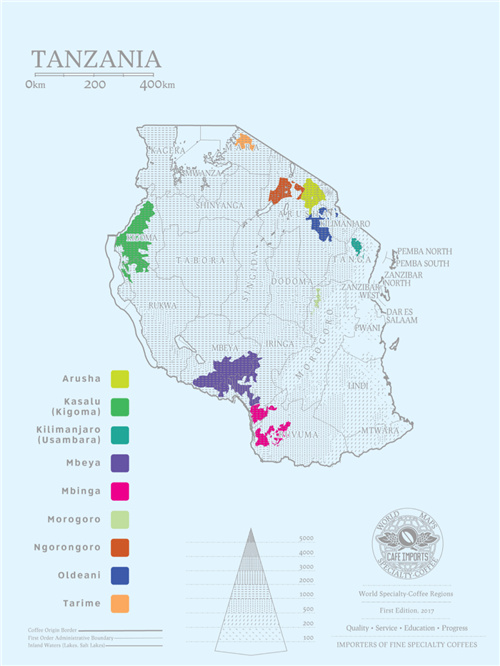
Although Tanzanian coffee is not as famous as that from Ethiopia or Kenya, the Kilimanjaro region is the essence of the country’s coffee production. Coffee cultivation was first introduced by missionaries, and the main varieties at the time were Typica and Bourbon, with Typica being particularly representative of the region’s terroir. As the highest peak in Africa, although the summit of Mount Kilimanjaro is capped with snow year-round, the foothills enjoy cool, rainy weather along with fertile volcanic soil, providing an ideal growing environment for coffee trees.

The climatic conditions in the Kilimanjaro mountain area are crucial to the formation of coffee flavors. With abundant sunlight during the day, sudden drops in temperature at night, and a long growth cycle brought about by high altitude, coffee cherries can fully accumulate flavor compounds. Additionally, annual rainfall in the valley areas of the region is around 800 to 900 millimeters, while windward mountain slopes can receive up to 1600 to 1800 millimeters. This ample rainfall combined with good drainage systems results in the unique sweetness and acidity balance characteristic of Tanzanian coffee.
In terms of processing methods, Tanzanian coffee mostly employs the washed process, which effectively highlights the coffee’s cleanliness and acidity. A well-known brand’s Kilimanjaro coffee beans use this method, with the process including screening out impurities, removing the pulp, fermenting to remove the mucilage layer, and the final drying step, ensuring the coffee bean moisture content is reduced to around 11%. It should be noted that although the washed process retains the silver skin midline, excessive silver skin may affect extraction uniformity during grinding.
This Tanzanian coffee bean belongs to the Typica variety, with slightly longer and plumper beans, which are typical of Ethiopian heirloom appearances. Typica is known for its elegant acidity and complex aromas, but it has lower yields and is susceptible to leaf rust. New-season coffee beans, due to higher moisture content, require extended drying times and are primarily medium-light roasted. By extending the caramelization reaction after first crack, sweetness is enhanced.
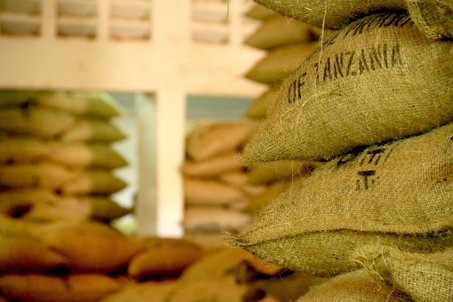
Cupping results show that this Kilimanjaro coffee exhibits citrus, nut, and honey aromas at high temperatures, shifting to acetic acid, cocoa, and black pepper spiciness as it cools. Its strengths lie in its moderately high sweetness and overall balance, though its acidity is relatively mild, and slight astringency may appear as it cools. Therefore, it is recommended to use 15 grams of coffee beans, a 1:15 coffee-to-water ratio, 90°C water temperature, paired with a V60 filter and BG grinder #6M grind size, using a three-stage pouring method (30g bloom for 30 seconds, then pouring to 125g and 225g) to extract over 2 minutes. This can effectively reduce astringency and highlight the lingering notes of citrus and dark cocoa.
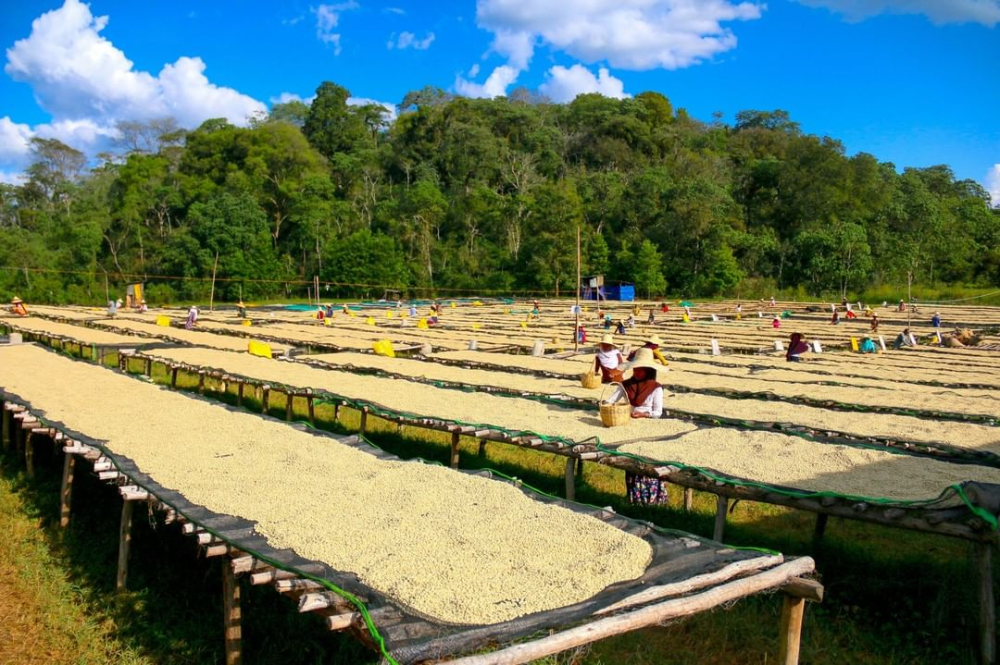
Besides the Kilimanjaro region, coffee from the southern part of Tanzania is also worth trying. These beans are also processed via the washed method, but the main variety is Bourbon, which offers higher sweetness and larger yields, with bright acidity but also susceptibility to leaf rust. Southern coffees are typically medium-light roasted, with cupping notes including berries, fermentation aromas, citrus, caramel, and nuts. When brewed, they present intense floral and berry acidity, with a mild nutty tone in the aftertaste.

Overall, Tanzanian coffee displays a diverse range of flavor profiles due to differences in altitude and processing methods. Coffee from the Kilimanjaro region is known for its balanced structure and harmonious sweet-acid profile, with a mineral-like sweetness, while southern coffees excel with rich floral notes and soft acidity. These traits led to Tanzanian coffee being praised by Europeans in the past as the “coffee gentleman.” Whether brewed via pour over or other methods, it showcases its unique terroir charm.
The above content is compiled by CoffeeHunters, a coffee news website.


