







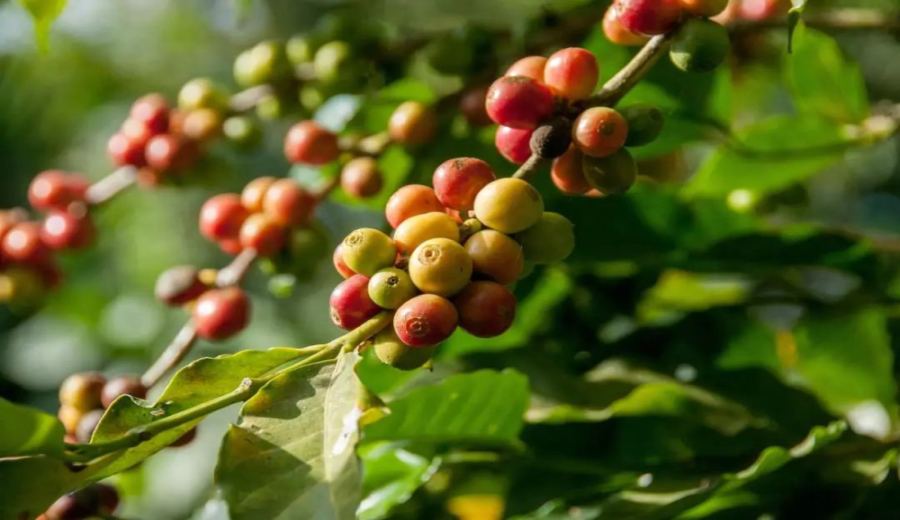
Introduction:Arabica coffee, renowned for its elegant flavors and diverse taste profiles, is the most popular coffee variety globally, accounting for over 70% of the market. This article will explore the differences among the three major coffee-growing regions—Latin America, Africa, and the Asia-Pacific—by examining geographic environments and climatic conditions. It also delves into the terroir characteristics and representative coffee varieties of well-known regions such as Brazil’s Cerrado, Colombia’s Huila, and Guatemala’s Huehuetenango. Readers can use this guide to better understand the flavor profiles of each region and as a reference for selecting coffee beans or trying pour over brewing.
Arabica coffee is the mainstream of global coffee consumption, making up about 70% to 75% of total production. Its popularity is not only due to its rich flavor layers but also because it is suitable for various brewing methods, such as pour over, espresso, and cold brew. However, this beloved coffee variety is highly demanding in terms of growing conditions, especially regarding altitude, temperature, rainfall, and soil.
The so-called “Coffee Belt” refers to the region within approximately 25 degrees north and south of the equator, where the climate is warm, and sunlight and rainfall are balanced. This area is the core zone for global coffee cultivation. Although Robusta can also grow here, Arabica prefers higher altitudes, typically between 800 and 2,200 meters above sea level. The large diurnal temperature variations at high altitudes slow down the ripening process of coffee cherries, allowing them to accumulate more complex flavor compounds, resulting in its distinctive aroma and acidity.
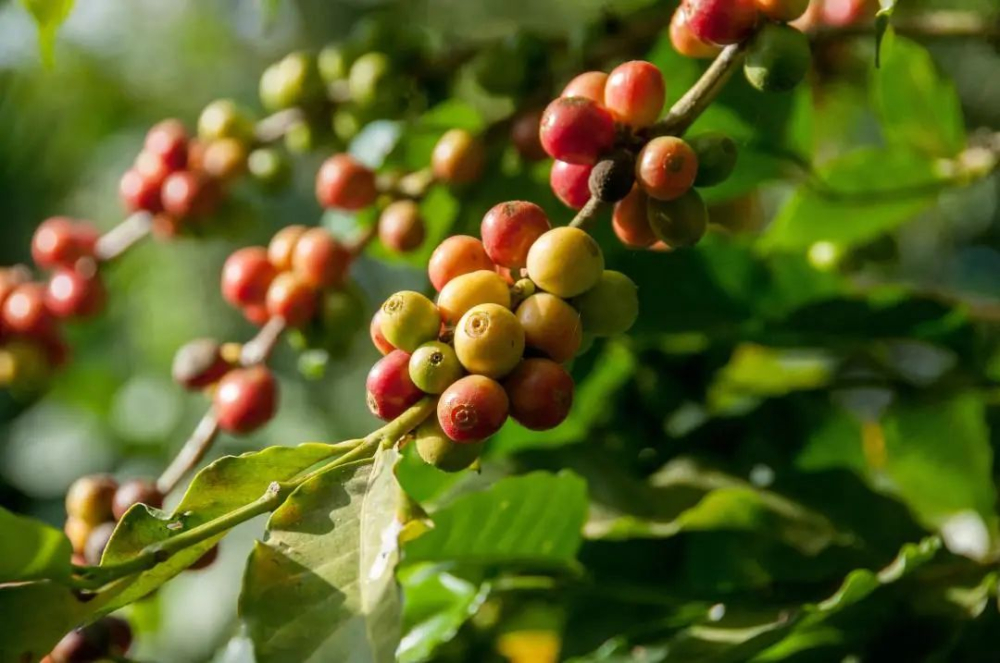
Among the many coffee-growing regions, Latin America, Africa, and the Asia-Pacific are the three major producing areas. Each region, with its unique geography and climate, produces coffee with distinctly different flavor personalities. Understanding the characteristics of these regions not only enhances one’s appreciation of coffee flavors but also helps in selecting beans that best suit personal taste preferences.
The following focuses on seven representative regions, including Brazil’s Cerrado, Colombia’s Huila, Guatemala’s Huehuetenango, Costa Rica’s Tarrazú, Indonesia’s Sumatra, China’s Yunnan Baoshan, and Ethiopia’s Yirgacheffe. We will analyze their terroir conditions and cupping profiles one by one, along with practical bean selection suggestions.
First, let’s look atthe Latin American region, represented by Brazil and Colombia. Coffees from this region generally feature balanced and full-bodied profiles, making them suitable for drinkers who prefer low-acidity and smooth flavors.
Brazil Cerradomay not have the advantage of high altitude, but its vast flatland plantations and extensive use of natural sun-drying processing methods give the coffee a rich, nutty, and buttery character. The cup is full-bodied, smooth, and often serves as the base bean in many blends.The Cerradoregion has an altitude range of about 800 to 1,300 meters, with distinct wet and dry seasons, contributing to its unique balance. (Image location: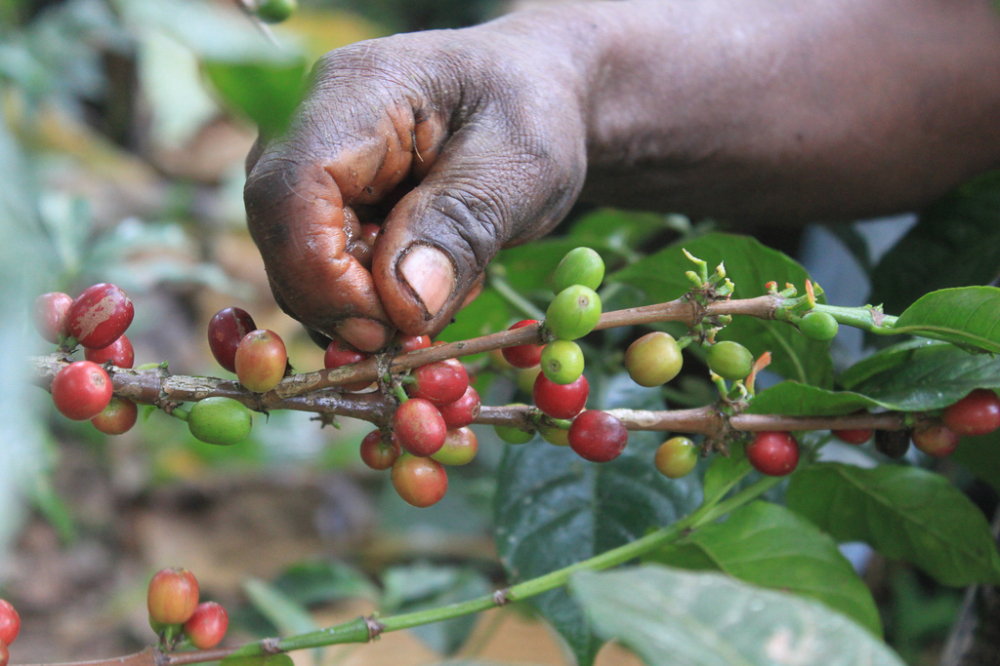 )
On the other hand,Colombia Huilapresents a distinctly different profile. Located at the southern foothills of the Andes Mountains, this region generally has altitudes exceeding 1,500 meters. The significant diurnal temperature variation aids in the slow maturation of coffee cherries, allowing them to accumulate more sugars and aromatic compounds. Huila coffees often exhibit bright fruit acidity, along with nutty and chocolatey notes. The cup is round and layered, making it one of the representatives of fine coffees in Central and South America. (Image location: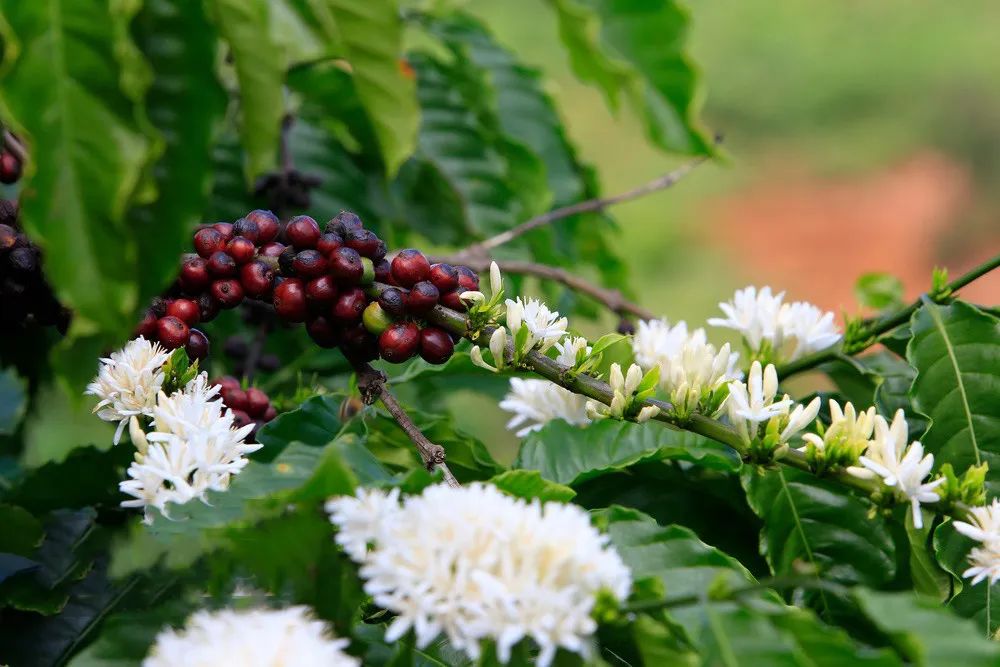 )
Moving on toGuatemala Huehuetenango, one of the highest-altitude coffee-growing regions in Central America, with some areas reaching up to 2,000 meters. Situated in a volcanic zone, the soil is rich in minerals, and the influence of dry, hot winds gives the coffee from this region intense floral, tea-like, and berry acidity. The finish carries a honey-like sweetness, with a clear and dynamic flavor structure. (Image location: )
Turning tothe Asia-Pacific region, represented by Indonesia and China’s Yunnan, the coffees from these areas tend to have deeper, more intense flavors, along with unique regional characteristics.
Indonesia Sumatra’s Lintong region is famed for its wet-hulled processing method. This rapid dehydration technique imparts strong herbal, spicy, and woody notes to the coffee. Common aromas include black chocolate, nuts, and caramel, with a full-bodied cup and a long, lingering aftertaste—making it a favorite among dark roast enthusiasts. (Image location: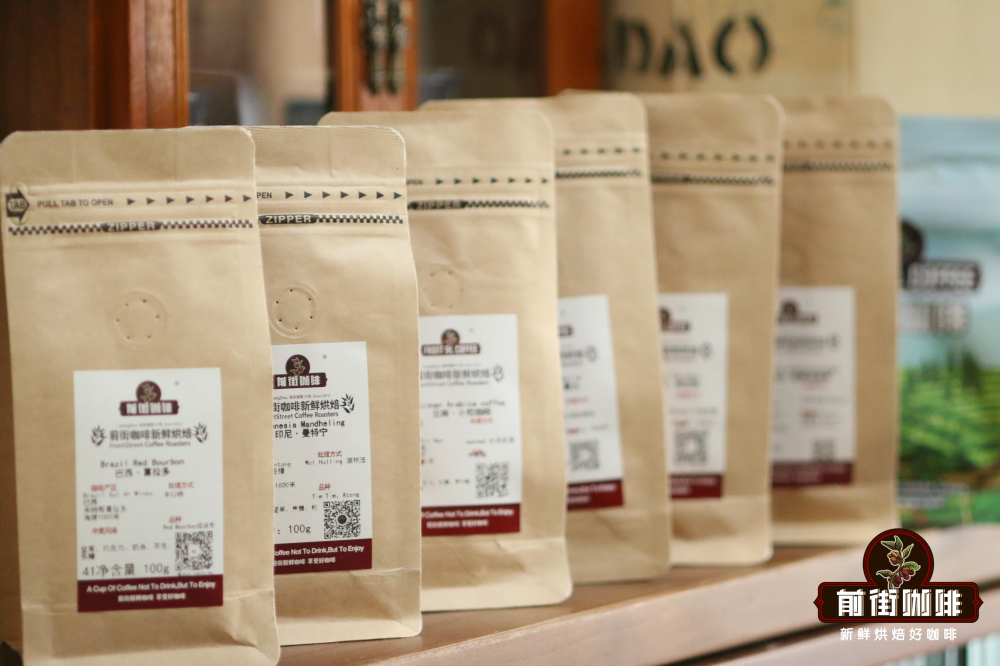 )
As forChina Yunnan Baoshan, although it is a relatively new coffee-growing region, its dry-hot valley climate and moderate altitude produce coffee with notable sweetness and a lingering aftertaste. Common flavor notes include nuts, chocolate, and brown sugar, making it suitable for drinkers who prefer mellow and gentle profiles.
Finally, we arrive at the birthplace of coffee—Africa’s Ethiopia, particularly theYirgachefferegion. With altitudes exceeding 2,000 meters, coffee here is mostly grown in gardens alongside other crops, contributing to its unique citrus, floral, and tea-like aromas. Through washed processing, Yirgacheffe exhibits exceptionally bright acidity and a delicate mouthfeel, making it a top choice for many coffee beginners exploring single-origin beans. (Image location: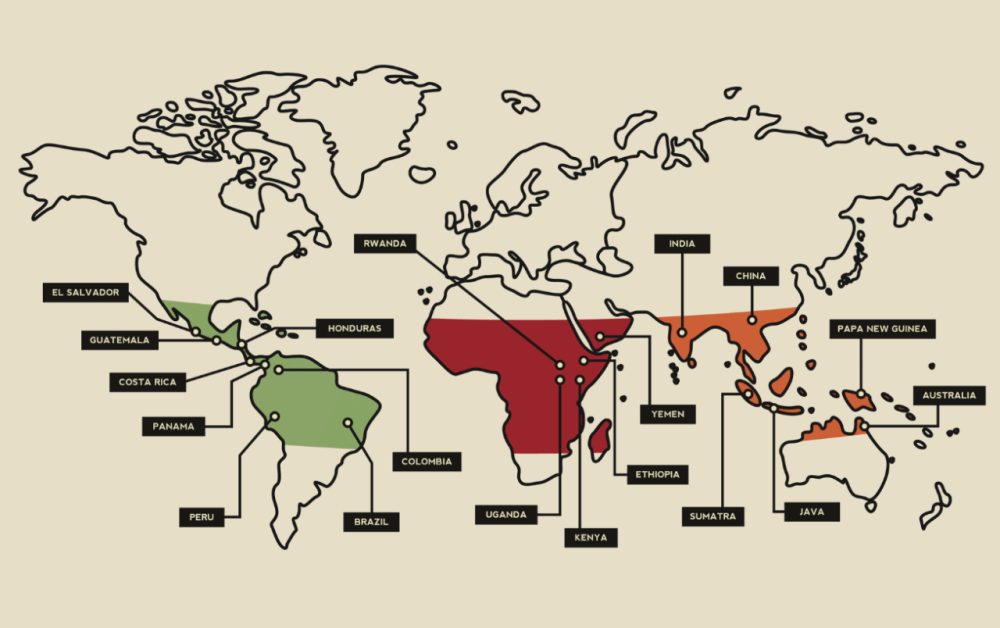 )
The above content is compiled by CoffeeHunters, a coffee news website.


