







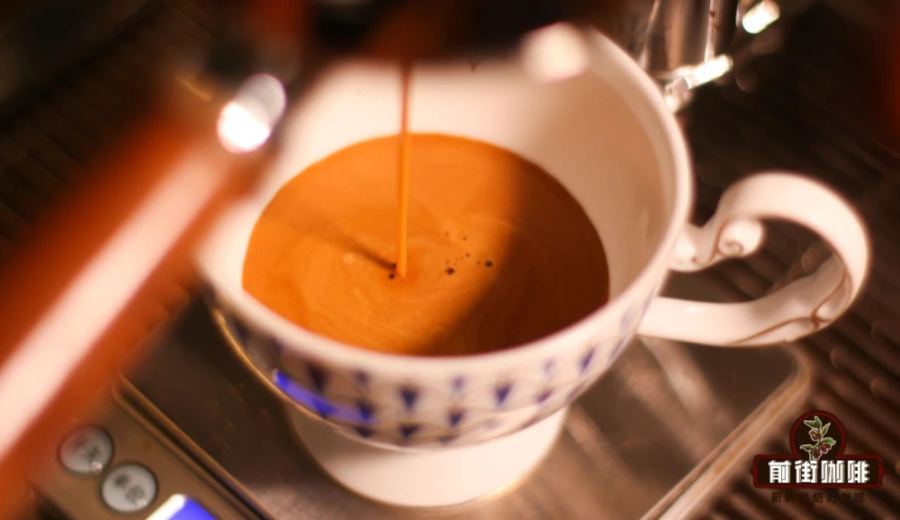
Introduction:SOE (Single Origin Espresso) coffee has gained significant popularity in the specialty coffee scene in recent years, yet many people still have only a vague understanding of it. This article delves into the origins of SOE, its key production elements, a comparison of its pros and cons, and analyzes why it is gradually gaining market favor despite remaining a niche choice. It also offers practical advice on bean selection and brewing methods to help readers better understand how to choose and enjoy a high-quality single-origin espresso.
SOE coffee is not as mysterious as it may seem. Simply put, it replaces traditional blended beans with single-origin beans and is then extracted under high pressure using an espresso machine. The term itself does not directly equate to high quality or exceptional flavor, nor should it be the sole criterion for judging whether a coffee "tastes good."
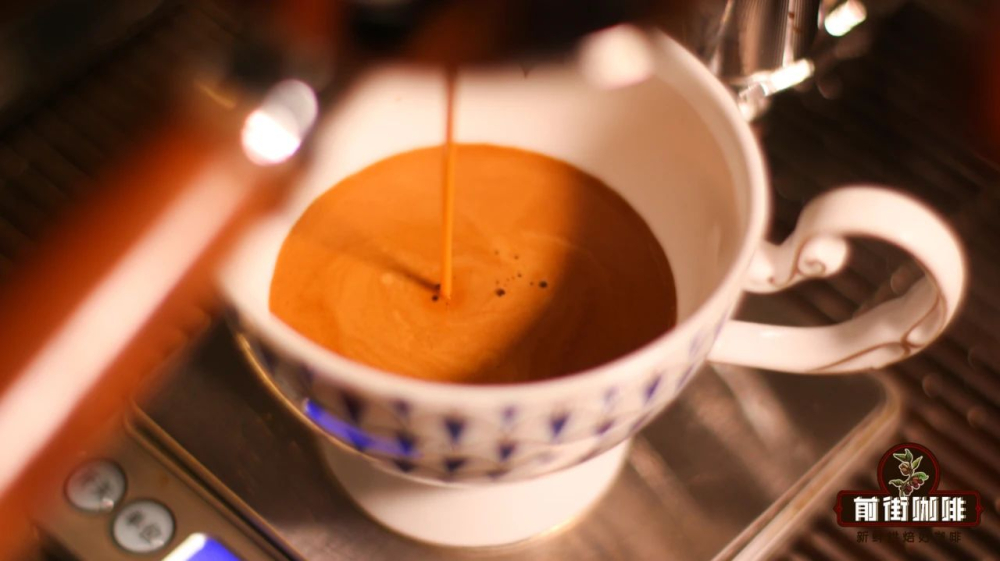
The concept of "SOE" first emerged around 2007 in North America and has since gradually matured. Many coffee consumers are now accustomed to ordering seasonal, single-origin espressos at their local cafés. With the steady improvement in the quality of specialty green coffee beans and advancements in roasting techniques, there are now more and more single-origin beans capable of standing alone to create a well-rounded espresso with distinct regional characteristics, showcasing prominent features such as floral notes, citrus, and tropical fruits.
< >
In the past, to balance the flavor deficiencies of different beans, roasters often blended multiple types of beans to achieve a smoother and more consistent taste. However, as the market increasingly values personalized flavors and as roasting and green bean processing techniques improve, more consumers are beginning to appreciate the unique character that single-origin coffees can offer. The rise of SOE is a product of this trend.
Nevertheless, the widespread adoption of SOE still faces several challenges. First, high-quality single-origin beans that exhibit bright acidity and rich complexity often have limited production and struggle to meet the demands of the mass market. Second, when using lighter roasts, although they highlight fruity acidity and delicate aromas, the extraction process becomes relatively more challenging—small mistakes can easily lead to under-extraction or over-extraction. Additionally, high-quality single-origin beans are already expensive to begin with, and using them for SOE further drives up costs, which is why only a minority of cafés currently offer SOE options.
So, what are the key points to consider when crafting a high-quality SOE? Since SOE emphasizes the flavor expression of a single origin, roasting typically doesn’t go too dark, usually staying within the medium-light to medium range. This helps preserve the bean’s inherent regional characteristics. However, compared to traditionally dark-roasted espresso beans, medium-light roasted SOEs pose greater extraction challenges because their flavor compounds are more restrained and require more precise extraction parameters to unlock their full potential.
It is generally recommended to make adjustments in the following areas: moderately extending the extraction time, using a finer grind size, or slightly increasing the coffee dose can all help improve extraction yield, making the coffee’s layers and aromas richer. In addition, when pairing with milk or water to make drinks like lattes or Americanos, it is advisable to adjust the proportions appropriately so that the coffee’s own flavors stand out, avoiding having the unique character of the SOE masked by excessive additives.
When selecting coffee beans suitable for making SOE, it is recommended to prioritize those with clear flavor profiles and good acidity-sweetness balance, typically medium-light or medium roasted. While dark-roasted beans can also be used for SOE, their flavors tend to be bolder and less distinctive, making it harder to showcase the uniqueness of a single origin.
<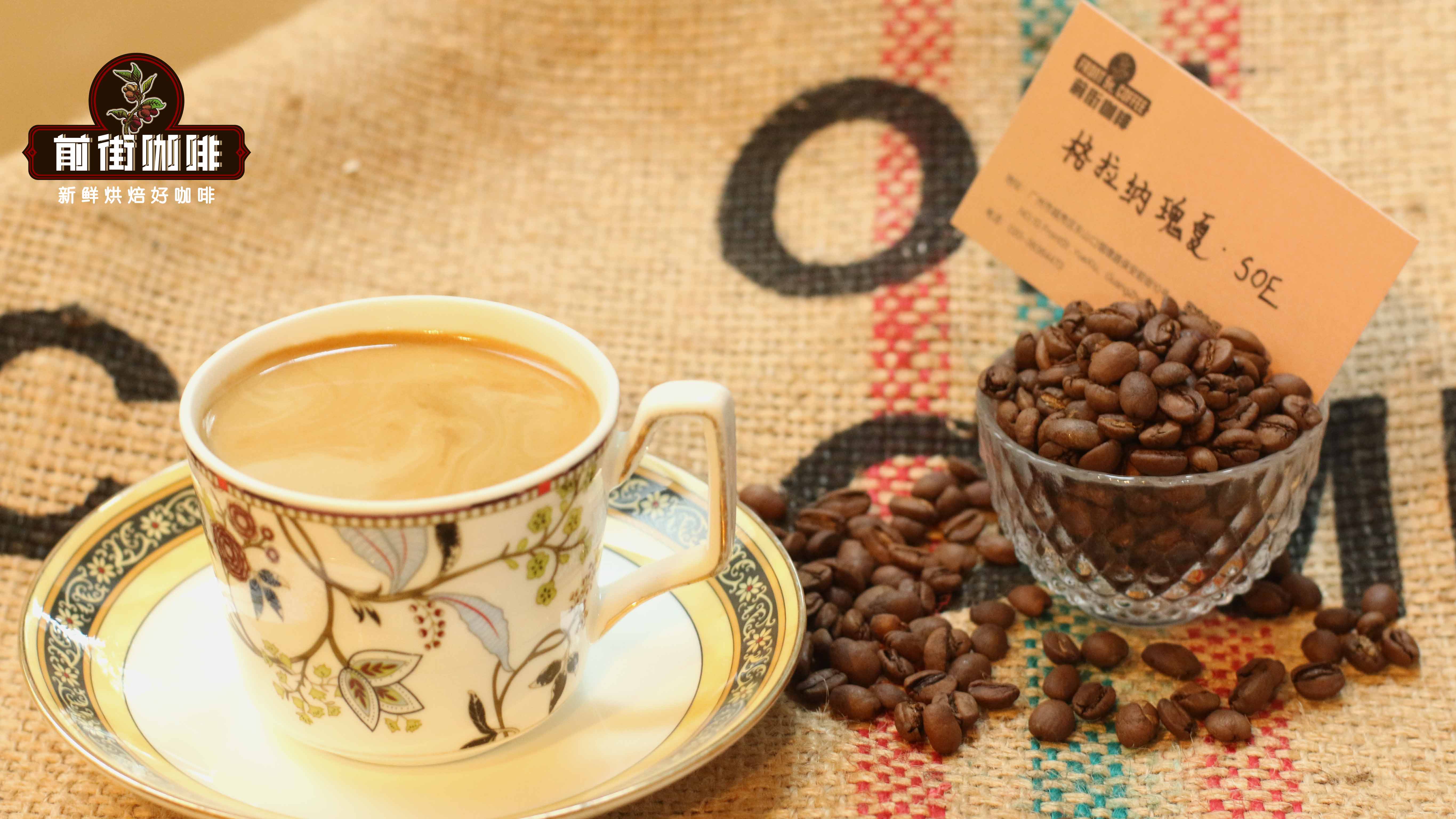 >
Here are three recommended single-origin coffee beans suitable for making SOE, each showcasing different flavor characteristics to satisfy various consumer preferences:
First is a brand’s “Yirgacheffe Natural Red Cherry SOE Coffee Beans.” These beans are lightly roasted. The resulting espresso has a delicate, pale yellow crema with distinct berry aromas and a soft caramel sweetness. The acidity is bright but not overpowering, making it ideal for drinkers who enjoy fruity and refreshing profiles.
Next is a brand’s “Costa Rica Mozart SOE Coffee Beans,” which are medium roasted. The espresso crema is equally fine, with a lighter color. The aroma features rich raisin and fruit fermentation notes, with a balanced sweet and sour taste and a hint of deep fermentation layers. It suits consumers who prefer fruity and wine-like flavor profiles.
Finally, we recommend a brand’s “Brazilian Queen Estate SOE Coffee Beans.” These are medium-dark roasted. The espresso has a beautiful golden crema with aromas primarily of roasted nuts and cocoa. On the palate, it delivers a smooth, buttery texture, with an overall balanced and mellow profile—perfect for coffee lovers who enjoy low-acidity and bold flavors.
Lastly, a reminder to all coffee enthusiasts: whether an SOE tastes good depends on many factors, including the intrinsic quality of the coffee beans, the appropriateness of the roast level, whether the beans are at their peak freshness, and the precision of the extraction parameters. Especially after roasting, coffee beans typically require 4–7 days for degassing and resting (dark roasts may need up to 10 days) before entering their optimal flavor window. Once past this peak period, the coffee’s aroma and complexity gradually decline. Therefore, it is recommended to choose freshly roasted beans whenever possible to experience the fullest flavor profile.
The above content is compiled by CoffeeHunters, a coffee news website.


