







Introduction:Single-Origin Espresso (SOE) has become a focal point of interest among coffee enthusiasts in recent years, but its definition, characteristics, and brewing methods often confuse beginners. This article delves into the differences between SOE and specialty coffee, single-origin coffee, and blends, explores the unique advantages and challenges of SOE, and provides practical bean selection advice and extraction parameters to help you enjoy high-quality single-origin espresso at home.
In recent years, the coffee field has seen the emergence of many new terms, such as single-origin coffee, SOE, and specialty blends, which can easily confuse newcomers. This article will start with basic concepts, gradually clarify the differences between specialty coffee, single-origin coffee, SOE, and blends, and delve into the characteristics of SOE, why some shops are hesitant to use it for beverages, and how to create an ideal SOE using single-origin beans at home. The article will also include real-world examples, providing specific extraction parameters and flavor descriptions to give you a more comprehensive understanding of the charm of single-origin espresso.
As coffee culture continues to gain global momentum, various terminologies have emerged, with terms like single-origin coffee, SOE, and specialty blends often leaving beginners puzzled. This article will help you systematically sort through these concepts and grasp the key differences.
First, we need to clarify several core definitions. The term "specialty coffee" was first introduced by Ms. Erna Knutsen, known as the "godmother of specialty coffee," at an international coffee conference held in France in 1978. Her definition emphasizes that coffee beans grown in unique microclimates and geographical environments can exhibit distinct regional characteristics. Such coffee, due to its limited production, requires strict quality control at every stage—from cultivation, harvesting, and selection to roasting—ultimately delivering rich and positive aromatic profiles. To highlight their premium positioning, many merchants label their products as "specialty" on packaging or in marketing to distinguish them from regular commercial coffee.
"Single-origin coffee" refers to coffee beans sourced from the same origin, which could be a country, region, cooperative, estate, or farm—as long as they come from a single harvest, they can be classified as single-origin coffee. Single-origin coffee further emphasizes the concept of regional flavors on the foundation of specialty coffee, thus considered a branch of specialty coffee. In coffee shops, hand-brewed coffee often uses single-origin beans, and in recent years, more and more single-origin beans have also been applied to espresso extraction.
As for SOE and blends, both fall under the category of espresso. SOE, short for Single-Origin Espresso, refers to espresso made using single-origin coffee beans. In contrast, espresso blends are made by combining beans from two or more origins, typically using medium to dark roasts to achieve a balanced flavor. In comparison, SOE focuses more on highlighting the unique flavors of a single origin, and thus often leans toward lighter roasting. For example, certain well-known origin beans processed with natural drying methods, when extracted as SOE, can showcase pronounced berry and citrus notes.
So, what are the characteristics of SOE? Why do some shops hesitate to use SOE for coffee? First, espresso extraction relies on high-pressure steam rapidly pushing hot water through finely ground coffee, which greatly amplifies the flavors. If single-origin beans originally designed for pour-over—with light or dark roasting—are used for espresso extraction, the combination of fine grind and high pressure can easily intensify negative flavors such as bitterness, acidity, and astringency. Therefore, there is usually a noticeable difference in roast level selection between pour-over beans and espresso beans.
Additionally, the essence of SOE lies in showcasing the unique flavor characteristics of the origin. Even if high-quality green beans are selected, without proper roasting and extraction techniques, the unique traits of the origin cannot be brought out. To successfully extract the distinctive style of SOE, roast level, grind size, and extraction parameters must all be precisely adjusted, placing high demands on the professional skills and experience of the roaster and barista. At the same time, espresso extraction also involves multiple variables such as environmental humidity, grind size, dose, and brew ratio. Achieving stable and consistent results is undoubtedly challenging. For this reason, some shops choose not to offer SOE coffee to avoid the risk of inconsistent quality.
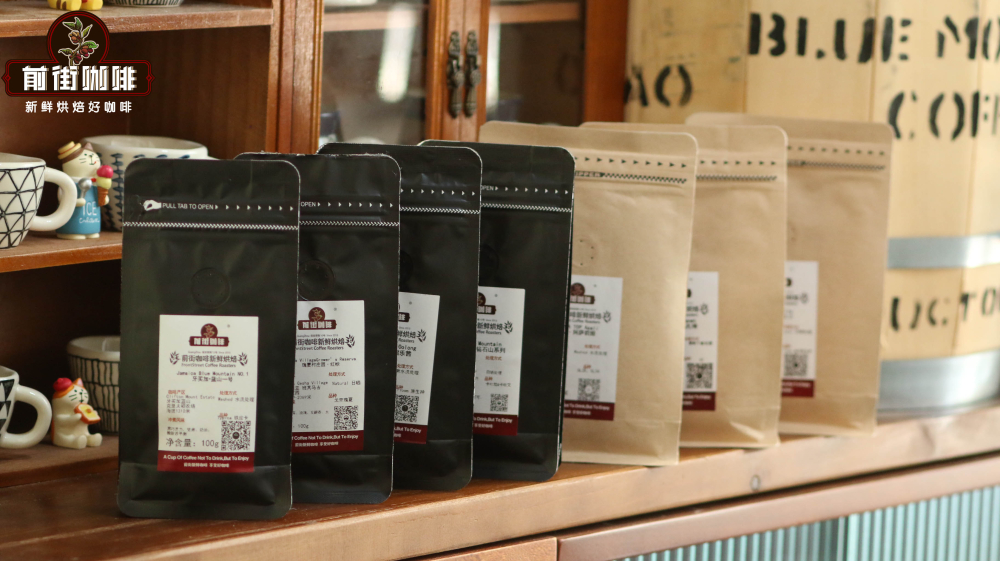
For home baristas looking to make espresso, how should one choose suitable SOE coffee beans? It is recommended to prioritize medium-roasted single-origin beans, as this retains flavor complexity while avoiding the overly sharp or harsh notes from over-roasting. Below are several single-origin coffee beans with diverse flavor profiles, suitable for espresso extraction:
1. Floral & Fruity Recommendation — Geisha Single-Origin Bean
This Geisha SOE from the Finca La Línea in the Huila region of Colombia, located in a volcanic area, naturally boasts rich aromas. Using ripe coffee cherries and applying a double anaerobic natural process, followed by medium roasting, it fully releases floral and fruity notes. When brewed as espresso, it often presents aromas of blueberry juice, passion fruit, and ripe grapes, paired with a sweet-tart taste reminiscent of apricots.
2. Fermented Winey Recommendation — Blackberry-Flavored Bean
If you want the SOE to exhibit more pronounced fermented wine-like notes, you can choose beans with strong mature fruit profiles. The amount of mucilage retained during honey processing directly affects the degree of fermentation. Among them, black honey processing, which leaves almost all the mucilage intact, results in high sugar concentration and longer drying times, ultimately delivering intense sweetness and wine-like undertones.
3. Full-Bodied Recommendation — Queen Estate Coffee Beans
For those who prefer a rich and full-bodied taste, consider coffee beans from Brazil’s Queen Estate. These beans typically have a distinct nutty and chocolate base, with a full and layered mouthfeel, suitable for those who enjoy a stronger "coffee flavor."
So, how can you enjoy SOE correctly at home? As long as you have the appropriate grinder and a pressure espresso machine, and adjust the parameters accordingly, you can easily extract a cup of SOE with outstanding flavors. You can directly savor its rich aroma, or dilute it with water to make an Americano, or add milk to create a milk coffee, enjoying different flavor expressions. Below is a set of practical parameters for reference:
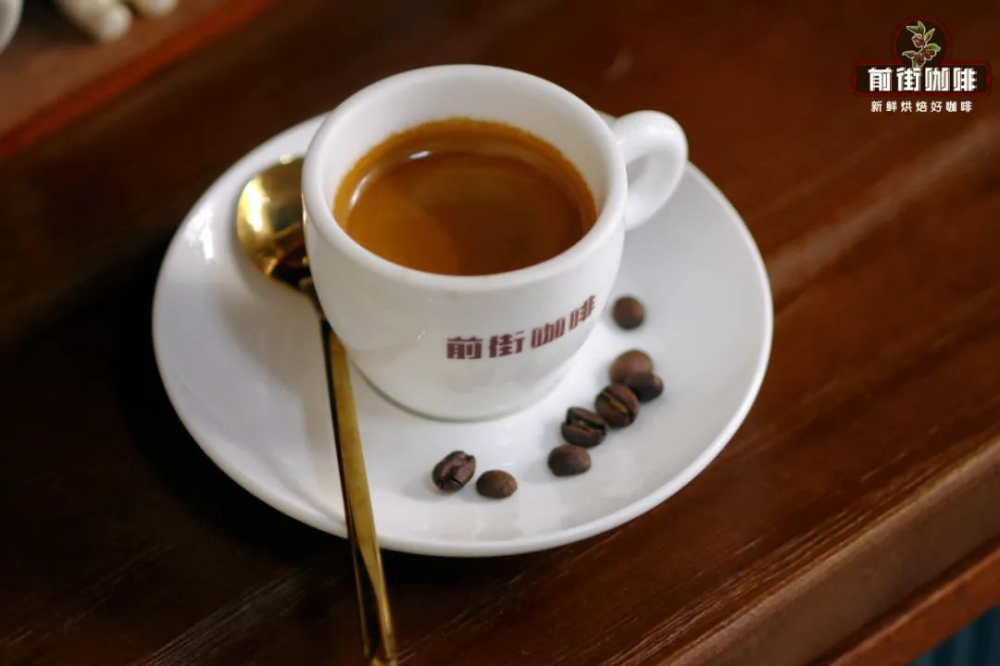
Taking a double shot basket (20g dose) as an example, it is recommended to use a 1:2 brew ratio, aiming to extract 40g of espresso within 29–30 seconds. This way, you can experience pronounced dried fruit and floral notes, followed by a fermented sweetness of raisins and tropical fruits upon tasting. The berry acidity is soft and layered, with a long and memorable aftertaste.
The above content is compiled by CoffeeHunters, a coffee news website.


