







Introduction:As the specialty coffee trend continues to rise, an increasing number of coffee enthusiasts are experimenting with making SOE (Single Origin Espresso) using single-origin beans, in pursuit of espresso with more distinctive flavor profiles. However, transforming single-origin beans originally suited for pour over or filter brewing into SOEs that thrive under the high temperature and pressure of espresso extraction requires precise mastery of regional characteristics, roast levels, and brewing parameters. This article delves into the core elements of SOE, starting with the flavor differences across three major producing regions, analyzing bean variety selections tailored to different taste preferences, and offering practical suggestions on brew ratios and grind adjustments. Whether you prefer bright, sweet, and acidic notes, rich fruitiness, or full-bodied and low-acid flavors, you can find your ideal SOE profile and successfully extract balanced, layered espresso.
Nowadays, the selection of single-origin coffee beans on the market is becoming increasingly diverse. Many coffee lovers are no longer limited to traditional blends but are instead trying to use single-origin beans to make espresso — what we call SOE (Single Origin Espresso). The greatest appeal of SOE lies in its ability to showcase the unique flavor characteristics of a particular producing region. However, due to the high temperature and pressure environment of espresso machines, coupled with extremely fine grind sizes, the original traits of single-origin beans are greatly amplified. As a result, selecting beans and adjusting the extraction process require more precision than with regular blends.
In the past, many people had limited options when it came to espresso, often having to rely on dark-roasted blends. While these offered bold flavors, they lacked complexity. Today, with the growing popularity of specialty coffee culture, single-origin beans have become the choice of many coffee enthusiasts who hope to showcase more distinctive espresso through SOE. However, selecting the right beans suitable for espresso extraction from among so many single-origin offerings is no easy task. It involves a comprehensive assessment of regional characteristics, roast levels, and processing methods.
SOE, as the name suggests, refers to espresso made using single-origin coffee beans. For example, if you use Ethiopian Yirgacheffe single-origin beans to brew espresso, then that cup is a classic "Yirgacheffe SOE." If you choose Blue Mountain No.1 to make an Americano, you could call it a "Blue Mountain SOE Americano." And if you use high-end Geisha variety beans to make a latte, then that milk coffee becomes a "Geisha SOE Latte." The key lies in the "single origin," allowing each cup of espresso to express the unique personality of its region or variety.
To make a delicious SOE, the first priority is choosing the right beans. Whether it's a blend or a single-origin, you must contend with the demanding extraction conditions of an espresso machine: high water temperature, high pressure, and extremely fine grind. These factors amplify the bean’s original flavors to the extreme. Common pitfalls include using overly light-roasted single-origin beans, which may result in overly prominent acidity and insufficient aroma. Conversely, choosing beans that are roasted too dark can easily lead to excessive bitterness and carbonized flavors, losing the intended layers and individuality.
For those who prefer a bright, sweet, and acidic flavor profile, it is recommended to prioritize sun-dried single-origin beans from African producing regions, such as Ethiopia’s Sidamo, Yirgacheffe, or Guji. These beans typically exhibit pronounced fruity, floral aromas, and high sweetness. However, such beans are mostly light to medium-light roasted, originally designed for pour over, cold brew, or siphon brewing. Using them directly for espresso can easily lead to under-extraction, coffee spraying, or thin crema.
Therefore, for users who favor Ethiopian beans and want to try SOE, it is recommended to choose sun-dried single-origin beans with professionally adjusted roast curves, such as specially processed Huakui, Chaka, or Red Cherry series. These bean varieties retain the regional characteristics while also improving their suitability for espresso extraction.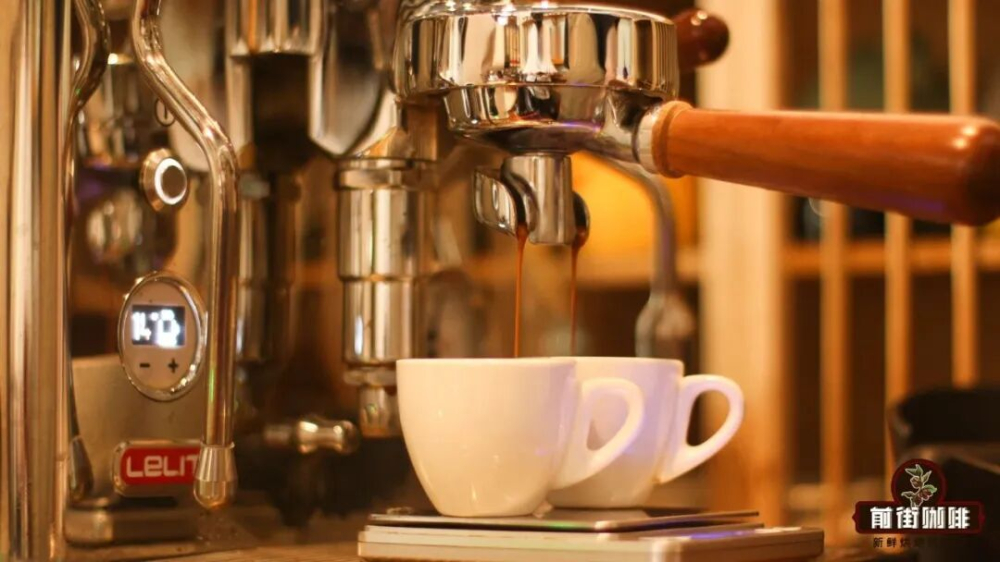
If you prefer espresso with intense fruitiness and rounded sweetness, then high-altitude beans from Central and South America might be more suitable. Coffees from places like Colombia, Panama, Costa Rica, Guatemala, and Peru are typically medium roasted, showcasing distinct caramel aromas and regional characteristics, while also being compatible with various brewing methods.
Additionally, if you want to further enhance the fruitiness, you might consider single-origin beans processed with special methods such as sun-dried, honey, or anaerobic sun-dried. For example, Colombia’s Caturra variety, processed with double anaerobic sun-drying, often yields an SOE Americano with aromas of blueberries, passionfruit, and ripe grapes. Meanwhile, the same anaerobic sun-dried Fino de Aroma variety exhibits soft flavors of orange, nuts, and milk candy in an SOE latte.
For those who dislike acidity or prefer a fuller-bodied taste, inspiration can be drawn from medium to dark-roasted single-origin beans from Asia or South America, such as Brazil’s Cerrado or Colombia’s Queen Estate. These beans usually feature low acidity, full body, and balanced flavor profiles, making them suitable for making espresso that isn’t overly assertive yet maintains solid flavor.
The key to brewing a great-tasting SOE still lies in mastering basic extraction parameters and adjustment techniques. Generally, it is recommended to use a "1:2 brew ratio" as the base, with extraction time controlled between 25 to 35 seconds, and grind size adjusted based on actual flow rate. For instance, using 20 grams of coffee grounds to extract 40 grams of coffee liquid — if the extraction time is too short (below 25 seconds), it indicates the grind is too coarse and should be adjusted finer; if it’s around 30 seconds, the grind size is appropriate and no further adjustment is needed.
Since SOE is usually used as the base for drinks like Americanos, lattes, or flat whites, after completing the espresso extraction, fine-tuning is still required based on the flavor characteristics of the beans. For example, if using a medium-light roasted Ethiopian bean, its flavor profile typically includes floral notes, bright acidity, and berry tones. But such beans often result in thin crema or insufficient aroma during espresso extraction. In this case, consider adding 0.3 to 0.5 grams more coffee grounds to enhance aroma intensity and overall performance.
If you choose a single-origin bean with intense fruitiness and fermentation notes, the espresso itself already has a rich layer of sweet and sour flavors. In this case, you might moderately increase the extraction yield by 3 to 5 grams to make the Americano’s aroma last longer. For a latte, you can reduce the amount of milk (for example, from 200 grams down to 160–180 grams) to highlight the unique aroma of the single-origin beans.
Finally, if using a medium to dark-roasted single-origin bean and you notice the espresso has tire-like, hay-like, smoky, or burnt charcoal notes, it usually indicates over-extraction. It is recommended to reduce the extraction yield by 3 to 5 grams to eliminate undesirable aftertastes. Conversely, if the espresso lacks aroma, has a short finish, or the acidity is too pronounced, it may be under-extracted. In this case, adjust the grind finer and extend the extraction time by 2 to 3 seconds to ensure balanced coffee concentration and flavor.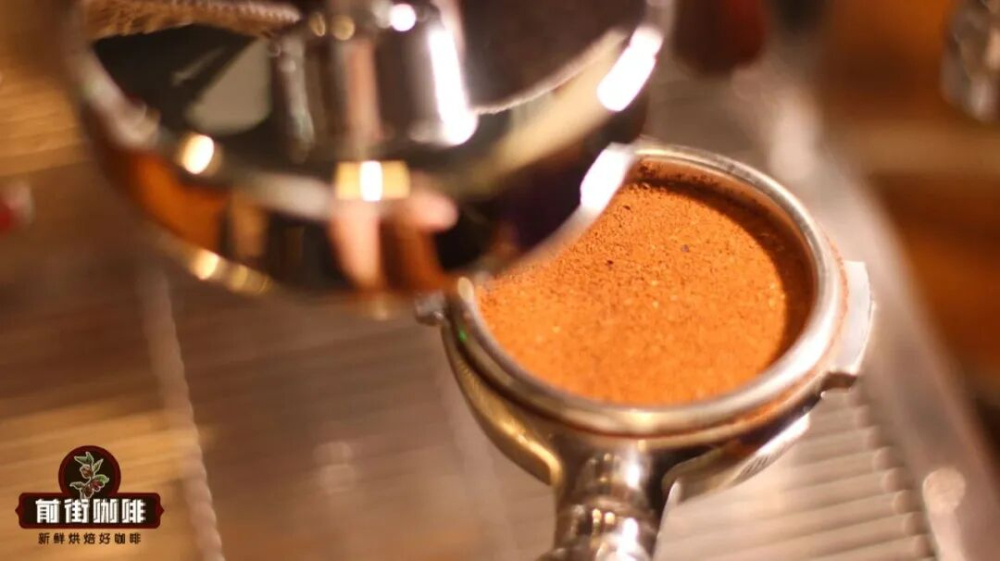
The above content is compiled by CoffeeHunters, a coffee news website.


