







Introduction:Jamaican Blue Mountain coffee is hailed as one of the world’s top-tier coffees, grown in specific altitude zones of the Blue Mountains. Its unique microclimate and soil conditions contribute to its balanced and rich flavor profile. This article delves into the history and official grading system of Blue Mountain coffee, teaches you how to identify authentic beans, and provides expert pour over recommendations along with flavor notes — an essential and comprehensive guide to understanding and appreciating Blue Mountain coffee.
Jamaican Blue Mountain coffee has long been the dream flavor for coffee enthusiasts worldwide, not only because it is grown at elevations of about 1,000 to 1,700 meters in the Blue Mountains, but also due to its uniquely favorable volcanic soil, fresh air, and stable, humid climate — all of which nurture an exceptionally balanced specialty coffee with harmonious acidity, sweetness, bitterness, and body. However, due to its scarce production — less than 1% of the global coffee market share — various counterfeit or confusing products are common on the market, making it difficult for many consumers to experience the real thing. This article will thoroughly analyze the origins, grade classifications, and key identification points of Blue Mountain coffee, and using the classic Blue Mountain No. 1 as an example, explain optimal pour over parameters and actual flavor experiences.
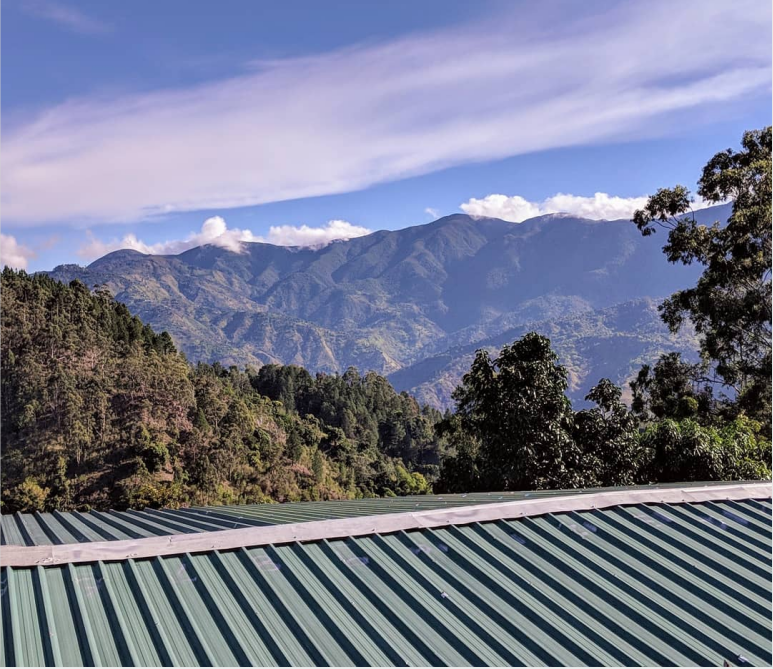
The cultivation conditions for Blue Mountain coffee are extremely stringent; the beans must be grown at elevations above 910 meters in the Blue Mountain region of Jamaica, and the primary variety is Typica. This area, an island nation in the Caribbean, benefits from the Blue Mountain range’s unique microclimate formed by its terrain and island effects — notable diurnal temperature variations, abundant rainfall, frequent fog, and fertile volcanic soils. These factors result in slow-growing coffee trees with dense beans that accumulate richer flavors. As such, Blue Mountain coffee excels in aroma, mouthfeel, and aftertaste, featuring soft acidity, pronounced sweetness, low bitterness, and distinct layers, and is widely recognized as one of the finest coffees in the world.
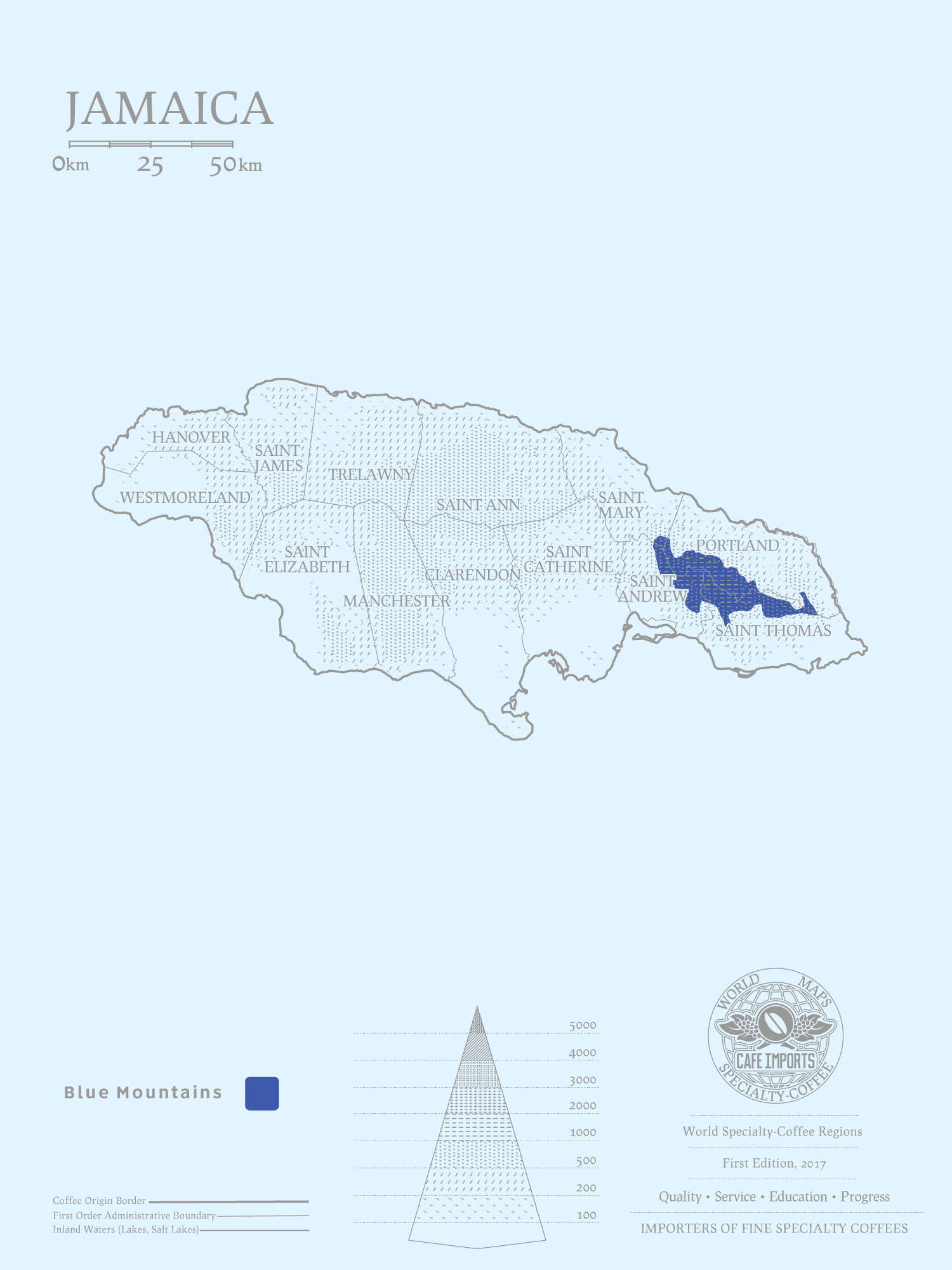
Jamaica’s coffee grading system is strictly controlled by official bodies, and the definition of Blue Mountain coffee is very clear. According to regulations by the Jamaica Coffee Industry Board (JCIB), only coffee beans grown between 910 and 1,700 meters in the Blue Mountains and of the Typica variety can be certified as ‘Jamaican Blue Mountain Coffee.’ This designated area covers only about 6,000 hectares, roughly one-third of the total Blue Mountain region, and the annual yield is extremely limited. The beans are rigorously sorted based on defect rate, bean size, and shape, and classified into four grades: NO.1, NO.2, NO.3, and Peaberry (abbreviated as PB). Among them, NO.1 is the highest grade, requiring beans of 17/18 screen size with a defect rate of no more than 2%, making it the most sought-after product in the market.
In addition to Blue Mountain coffee, coffee grown at elevations between 500 and 910 meters in the Blue Mountain region is categorized as ‘High Mountain Coffee.’ Though not considered authentic Blue Mountain, its flavor remains quite high-quality and is often regarded as a close relative to Blue Mountain in taste, making it suitable for consumers who wish to experience a Blue Mountain-like flavor within a limited budget. As for coffee grown below 500 meters, it is collectively referred to as ‘Jamaica Prime,’ which is more affordable in the market but shows a noticeable difference in overall flavor compared to high-elevation producing areas.
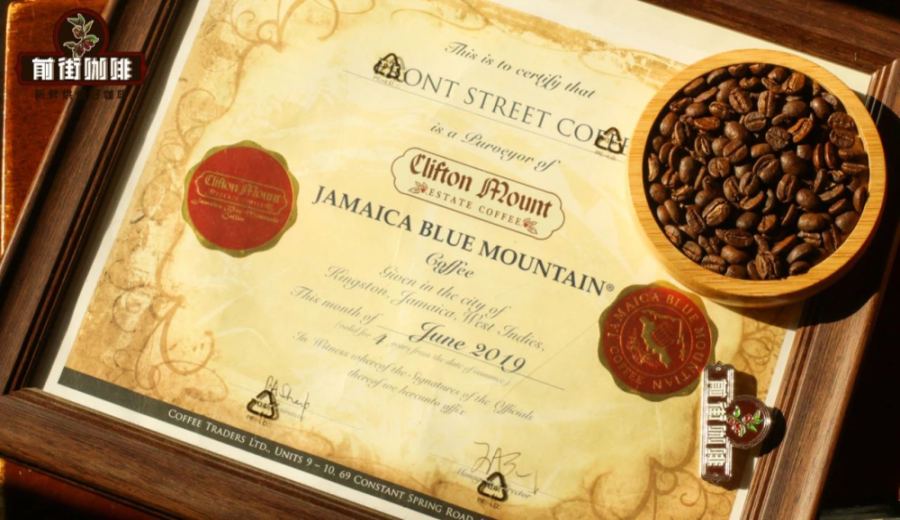
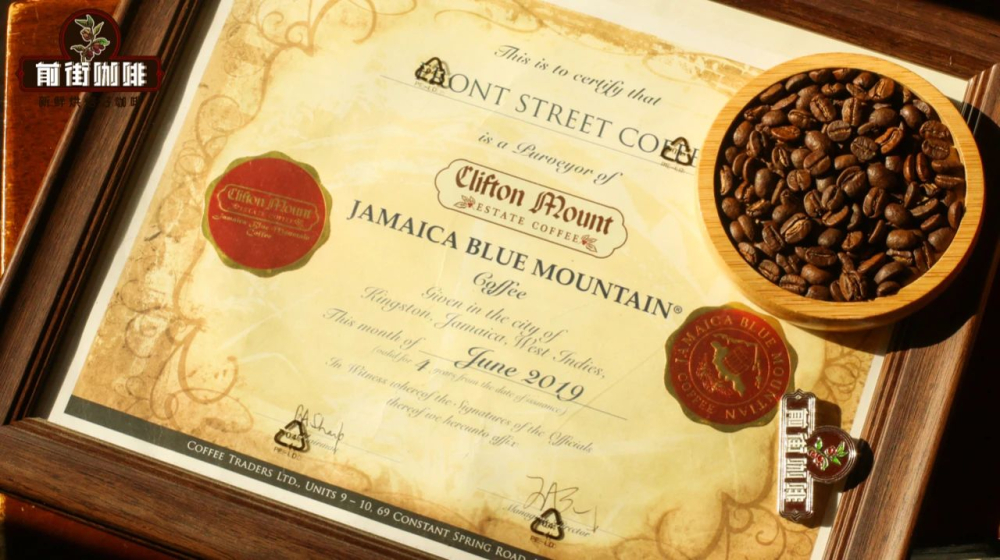
Due to the preciousness of Blue Mountain coffee, counterfeits abound on the market, and consumers need to be especially vigilant when purchasing. Authentic Blue Mountain coffee is typically packaged in special wooden barrels, not common burlap sacks. The barrels feature the image of a tropical rain frog — the certification mark of the Rainforest Alliance — indicating that the coffee meets standards for organic cultivation and sustainable production. In addition, each batch of Blue Mountain coffee exports must undergo strict inspection and certification by the Jamaica Coffee Industry Board, and the packaging includes an official quality certificate and origin label. Therefore, it is recommended that consumers request relevant documentation from suppliers to ensure they are purchasing genuine products.
When selecting Blue Mountain No. 1 coffee, it is advisable to choose freshly roasted beans, with the optimal flavor window typically being 2 to 4 weeks post-roast. If the beans are roasted too long in advance, their aroma can easily dissipate, or even develop unpleasant woody or cardboard notes. Generally, beans shipped within 5 days of roasting will still be at the peak of their aromatic intensity, making them ideal for immediate enjoyment. Moreover, Blue Mountain coffee is usually roasted to a medium-dark level, aiming to fully highlight its rich notes of nuts and chocolate while preserving moderate acidity, resulting in a more dimensional and layered overall flavor.
Taking the classic Blue Mountain No. 1 as an example, its flavor profile typically showcases intense black chocolate, nutty, and caramel aromas. Upon tasting, it offers a balanced acidity and sweetness, with a rich and smooth mouthfeel, and a clean, sweet lingering aftertaste. To fully bring out these characteristics, it is recommended to use a KONO filter and perform a pour over with medium-to-dark roasted Blue Mountain No. 1. Specific parameters are suggested as follows: water temperature should be controlled between 88–90°C, with a powder-to-water ratio set at 1:15, and grind size approximately equivalent to 75% extraction through a Chinese No. 20 standard sieve — a medium grind. For brewing, a three-stage pouring method is advised: start with a 30-second bloom using twice the weight of coffee (about 30 grams) of water, then pour in a circular motion with a small stream until reaching 125 grams for the first pour. After the water level drops, continue pouring up to 225 grams to finish — the entire brew time is about 2 minutes and 10 seconds.
Using this brewing method effectively highlights the unique roasted nut aroma of Blue Mountain coffee. Upon tasting, the richness of black chocolate intertwines with the sweetness of nuts, yielding a delicate and stable mouthfeel. Changes in temperature further reveal shifts in aroma layers, making it a classic way to experience the charm of Blue Mountain coffee. Whether you're a coffee novice or a seasoned enthusiast, Blue Mountain No. 1 is a premium coffee item worthy of careful savoring and deeper appreciation.
The above content is compiled by CoffeeHunters, a coffee news website.


