







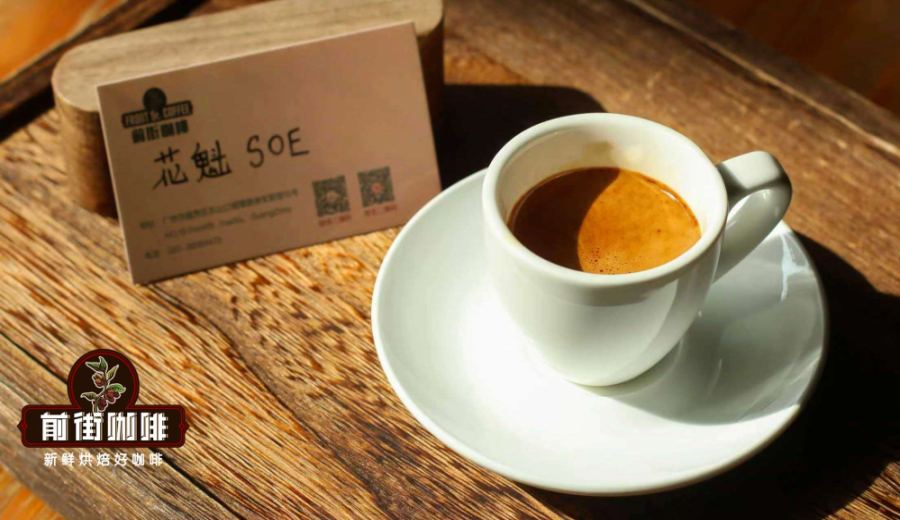
Introduction:SOE (Single Origin Espresso) has been a hot topic in the specialty coffee scene in recent years, favored for its unique regional flavors and clear layering. However, the same coffee beans can yield vastly different results when brewed as pour over versus espresso, with bean selection and roasting being crucial factors. This article draws on practical testing to analyze the strengths and weaknesses of SOE, and provides specific guidance on bean selection and roasting recommendations to help you master the charm of single-origin flavors in both espresso and milk-based coffee.
In today’s specialty and chain coffee shops, SOE (Single Origin Espresso) has gradually become a key feature on the menu. SOE refers to espresso made exclusively from beans sourced from a single origin, extracted under high pressure using an espresso machine. Its appeal lies in its ability to faithfully showcase the unique flavor characteristics of that origin—even under high-concentration conditions—including fruit acidity, floral notes, sweetness, and aftertaste.
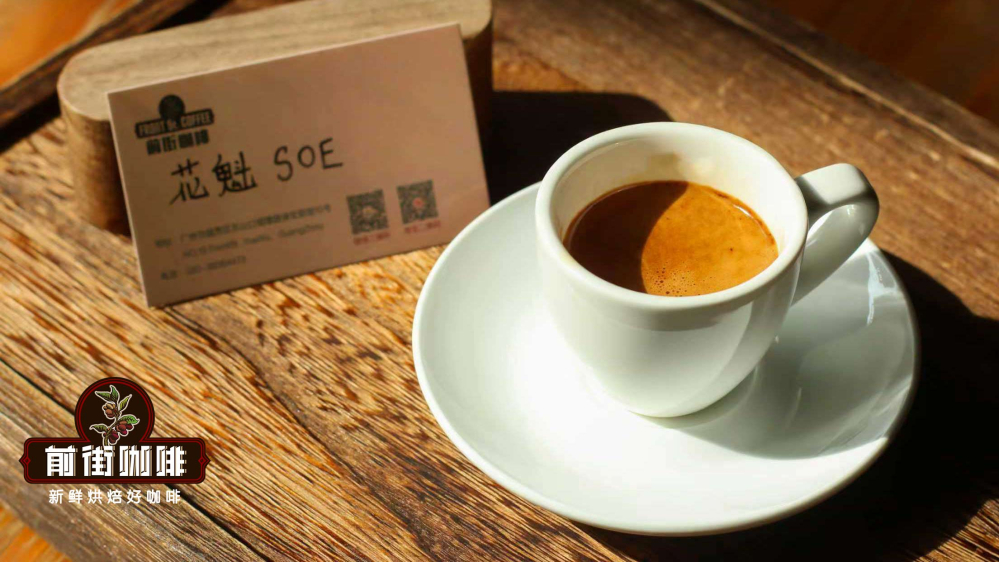
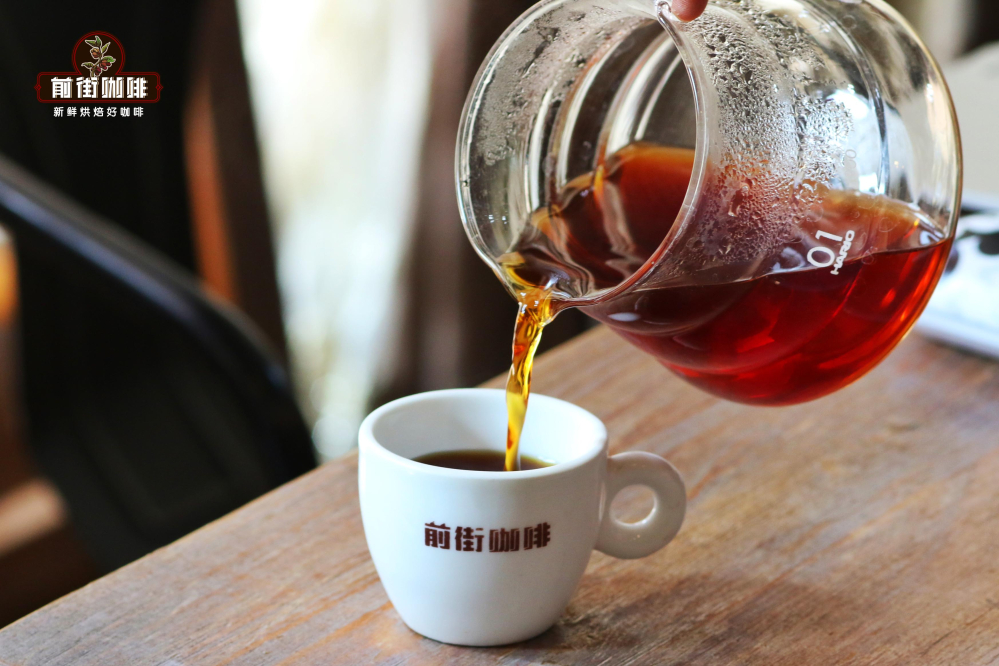
However, many people encounter unexpected discrepancies when they first try using pour-over single-origin beans directly for espresso extraction. For example, a medium-light roasted Yirgacheffe washed coffee, brewed via pour over (e.g., medium-fine grind, 1:15 brew ratio, 91°C drip), can highlight bright citrus acidity, soft floral notes, and a rounded honey-green-tea-like finish, delivering a balanced and layered cup overall. But if switched to espresso extraction with an extra-fine grind, 94°C water, and 9–10 bar pressure (1:2 brew ratio), it may instead present more pronounced lemon acidity and intense berry flavors, with a similar oolong tea-like aftertaste—but often lacking body, resulting in a thin mouthfeel.
This difference reveals a key point: under espresso extraction, the higher concentration can amplify acidity, and if the roast is too light, it often struggles to support sufficient body, resulting in an overall thinner taste.
So, what are the advantages of SOE? Industry insights suggest that the greatest value of SOE lies in its ability to highlight the native characteristics of the origin—whether used for making Americanos or paired with varying ratios of milk, allowing consumers to clearly perceive the terroir imprint of that place. However, SOE also has clear limitations. Since coffee beans are agricultural products, their flavor performance can vary from year to year due to climate, altitude, and processing conditions, making SOE less stable than traditional dark-roasted blends. Additionally, overly light roasting can also lead to issues like sharp acidity or lack of flavor complexity.
As a result, many coffee shops use dark-roasted espresso blends as their flagship products to ensure consistent daily output, supplemented by SOE as an optional flavor extension. In terms of pricing, SOE usually varies depending on the rarity and processing method of the beans used, and the price isn’t necessarily lower than that of regular pour-over beans.
If you want to try selecting suitable coffee beans for SOE yourself, there are now many single-origin beans on the market specifically designed for espresso extraction. Generally, the selection approach can be divided into two main categories: choosing single-origin beans with medium or darker roasts, or directly purchasing beans labeled as dedicated SOE varieties.
First, if you prefer to explore possibilities from pour-over single-origin beans, here are a few worth considering:A brand's Strawberry Candy coffee beansUsing anaerobic honey processing, which retains the pulp layer during fermentation, this brings out intense sweetness. When brewed via pour over, it showcases raisin, strawberry taffy, and subtle floral notes, but when switched to espresso, it presents berry jam and orange-chocolate tones, suitable for those who enjoy rich fruity flavors.A brand's Queen’s Estate · Brazil Yellow Bourbon coffee beans, roasted medium-dark, offer aromas of nuts, cream, and peanuts, with a rich chocolatey sweetness in the finish. When extracted as SOE, it has a thick crema and performs exceptionally well when paired with milk.A brand's Gran Gesha · Ethiopia coffee beansshowcase the bright profile of the Gesha variety. When brewed via pour over, it has a light body and distinct tea-like qualities, with Americanos highlighting berry acidity, while adding milk brings out a harmonious blend of yellow peach, guava, and black tea.
It’s worth noting that many coffee brands offer different roast profiles for beans from the same origin to suit the distinct needs of pour over and espresso. Generally, beans with floral-fruity acidity are roasted lighter to medium to preserve their fresh characteristics; whereas beans designed as SOE are typically roasted slightly darker to enhance the sweetness and body brought by caramelization—without completely masking the original regional traits, usually staying withinmedium roastrange.
For example, both Ethiopia’s Yirgacheffe Red Cherry and Huagu, commonly offered by shops, come in two options: a “pour-over light-to-medium roast” and an “SOE Italian roast.” The former is suited for atmospheric-pressure brewing methods (like pour over, French press, or drip bags), while the latter is tailored for high-pressure methods such as espresso machines or moka pots.
No matter which brewing method you choose,the freshness of the beansis a key factor influencing flavor performance. If coffee beans are roasted more than a month ago, their aroma may noticeably decline, or even develop unpleasant woody or cardboard notes. Therefore, it’s recommended that consumers opt for freshly roasted products, ideally enjoying them within five days of roasting, to fully experience their most complete flavor potential. If you’re aiming for a superior SOE experience, be sure to select single-origin beans with high freshness and a roast curve suitable for espresso extraction.
The above content is compiled by CoffeeHunters, a coffee news website.


