








Introduction:Understand the differences and brewing principles between espresso and Americano, from extraction methods and historical backgrounds to varying flavor preferences. This article provides an in-depth analysis of the fundamentals of these two classic coffees. It also offers practical home-brewing suggestions and coffee bean recommendations to help you get started easily—whether you’re making hot or iced Americano at home, you can adjust it to suit your taste.
Espresso and Americano are two of the first coffee drinks many enthusiasts encounter when entering the coffee world, yet their brewing principles, historical development, and flavor characteristics are often confusing. This article will introduce the origins and basic extraction techniques of these two coffees in an easy-to-understand way, and explain how they have become the foundation of modern coffee beverages. Whether you’re a beginner or looking to improve your home pour over and brewing skills, you’ll gain useful knowledge here.
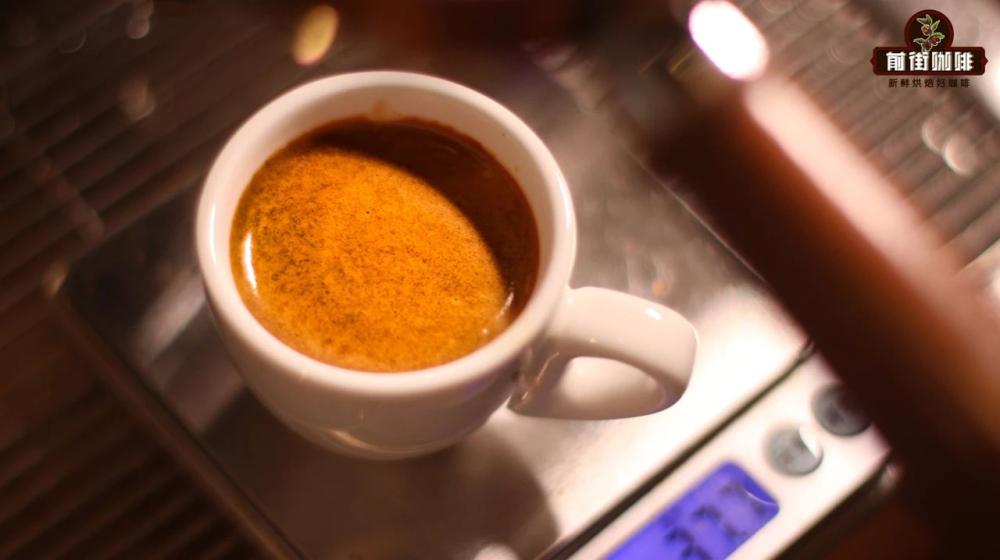
Espresso is made by forcing hot water under high pressure through finely ground coffee, extracting a small amount of strong, aromatic black coffee in a short time. This brewing method was developed in Italy around the late 19th to early 20th century, aiming to allow busy urban dwellers to quickly enjoy a highly concentrated cup of coffee. Traditional espresso typically takes about 25 to 30 seconds to extract, producing a small shot (about 30 ml) of coffee with rich crema and a bold flavor. This coffee can be enjoyed on its own or serves as the essential base for milk-based drinks like lattes and cappuccinos.
Image: The appearance of espresso and its crema layer

In a café, when you order an “Espresso,” you’ll usually see the barista quickly operate the machine, and within a few dozen seconds, serve you a small cup of dark coffee topped with golden foam (also called crema), often accompanied by a glass of water. It’s recommended to take a sip of water before tasting the espresso to reset your palate and better perceive its delicate flavors. A standard espresso has a bold flavor and a rich crema layer, both of which can vary depending on the coffee beans used—so choosing the right beans is crucial.
For those making or customizing Americano at home, selecting the right espresso beans is the first step. If you prefer a rich flavor with notes of caramel and nuts,medium-dark roasted blended beansare recommended, characterized by their rich crema and layered flavors often featuring nuts, dark chocolate, and caramel; if you lean more toward bright, fruity, and floral notes,medium-roasted multi-region blendsmay be a good choice—these beans often carry aromas of berries, roses, and creamy tones; for readers who enjoy pronounced acidity and fruity profiles,Ethiopian single-origin beans with natural processingare worth trying, offering distinct flavors rich in citrus, berries, and tropical fruit notes.
Next, let’s explore the origins and basic preparation methods of Americano. Americano is essentially espresso diluted with hot water to make a black coffee. The method is simple but highly flexible. Legend has it that this drink became popular during World War II when American soldiers, unaccustomed to the intense strength of espresso, began adding hot water to mellow it out. Over time, it evolved into a widely accepted way to enjoy coffee. Today, Americano is one of the most common types of black coffee globally, beloved in both hot and iced forms.
To prepare a hot Americano, it’s recommended to use a1:5 ratio—that is, adding 200 grams of hot water to 40 grams of espresso liquid (suggesting a water temperature of around 88°C). This proportion balances the intensity and freshness of the coffee, fully showcasing its aroma and layers. For iced Americano, you can replace hot water with a mix of ice cubes and room temperature water—for example, using 120 grams of ice and 120 grams of room temp water, then pouring in the same ratio of espresso. Remember to drink it before the ice fully melts to enjoy the optimal flavor.
Image: Common ways to prepare Americano and the configuration of ice cubes
When making Americano at home, besides controlling the water-to-coffee ratio, factors such as water temperature and the grind size of the coffee beans also affect the final flavor. It’s recommended to use freshly roasted coffee beans and adjust the grind based on your brewing method (such as moka pot, espresso machine, or pour over). Additionally, if you want to replicate a café-like flavor at home, you can experiment with blending beans from different regions or with various processing methods to discover your own unique taste.
In summary, whether you prefer the bold richness of espresso or the refreshing balance of Americano, understanding their brewing principles and preparation methods allows you to enjoy a professional-level coffee experience at home. By choosing the right coffee beans and mastering the extraction and brewing ratios, every coffee enthusiast can find the cup that best suits their palate.
The above content is compiled by CoffeeHunters, a coffee news website.


