







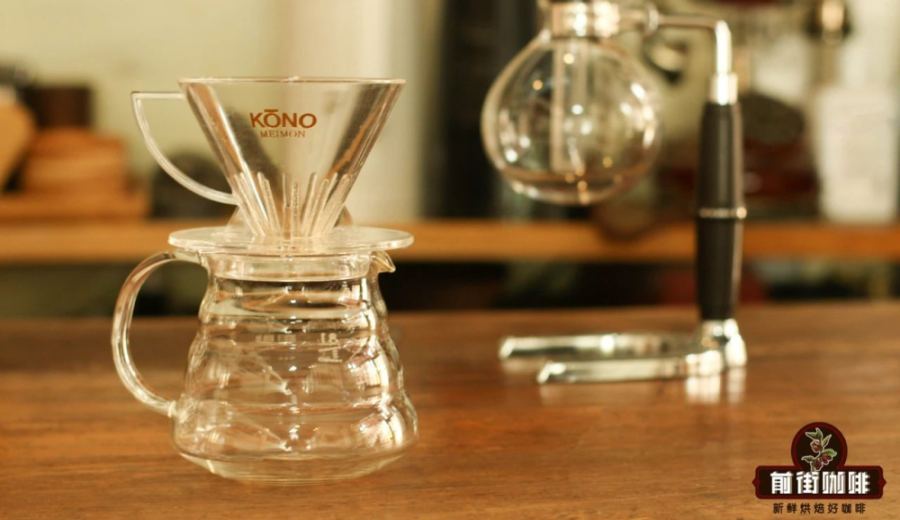
Introduction:Drip coffee is a daily choice for many coffee enthusiasts, not only because it is relatively simple to operate, but also because it can showcase the layered flavors and regional characteristics of the coffee itself. This article delves into the definition of drip coffee, its similarities and differences with pour over coffee, and compares various extraction methods such as espresso, immersion, and boiling. It provides selection advice and practical tips to help readers find the brewing method that best suits their taste.
In the vast and diverse world of coffee, from instant coffee, pour over, to cold brew, each preparation method not only varies greatly in process but also in flavor. Among them, drip coffee is a widely used and easy-to-start extraction method, while pour over is one of the most representative forms of drip techniques. This article will introduce the basic concept of drip coffee in detail, compare its relationship and differences with pour over, and further explore common extraction methods such as espresso, immersion, and boiling. It analyzes their respective flavor profiles and usage scenarios, helping even coffee beginners find their own perfect cup.
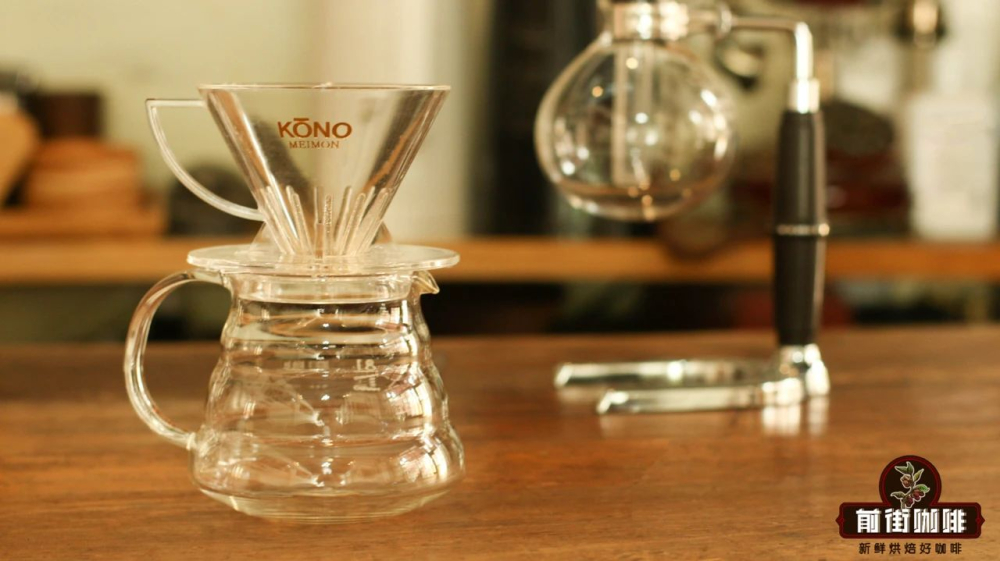
There are many types of coffee beverages. Some people seek the convenience of instant coffee, others enjoy the ritual of pour over, and some prefer the refreshing taste of cold brew. Different production techniques give coffee unique flavor expressions—some with distinct aromatic layers, others simple and easy to drink—allowing for free selection based on personal preference. Among them, pour over coffee falls under the category of drip extraction, not only showcasing the delicate aromas and flavors of coffee, but also widely used in the evaluation of single-origin coffees, which is the commonly seen black coffee format.
The popularity of drip coffee is mainly due to its low operational barrier and ease of practice in both home and office environments. The so-called "coffee" actually broadly refers to all beverages made from roasted coffee beans, whether it’s pour over, espresso, or cold brew, they all belong to the big family of coffee. Currently, the most well-known drip method is pour over, which can delicately present the subtle regional characteristics and aromatic layers of coffee, thus often used to evaluate single-origin coffees. Compared to espresso, drip coffee has a lower concentration, does not produce obvious layering, and has a clear, stable, and consistent taste. This is because, under no pressure, hot water can more fully extract the oils and aromatic substances from the coffee, delivering a smoother and more palatable drinking experience.
Drip coffee and pour over coffee differ in concept, brewing method, and flavor. Simply put, drip is a broad category that includes various techniques, including pour over; pour over is a specific form within drip. In terms of brewing form, drip usually relies on machine assistance, while pour over is mostly manually operated. As for flavor, drip coffee is generally more stable and consistent, while pour over may vary in flavor direction depending on the operator’s skill and variables.
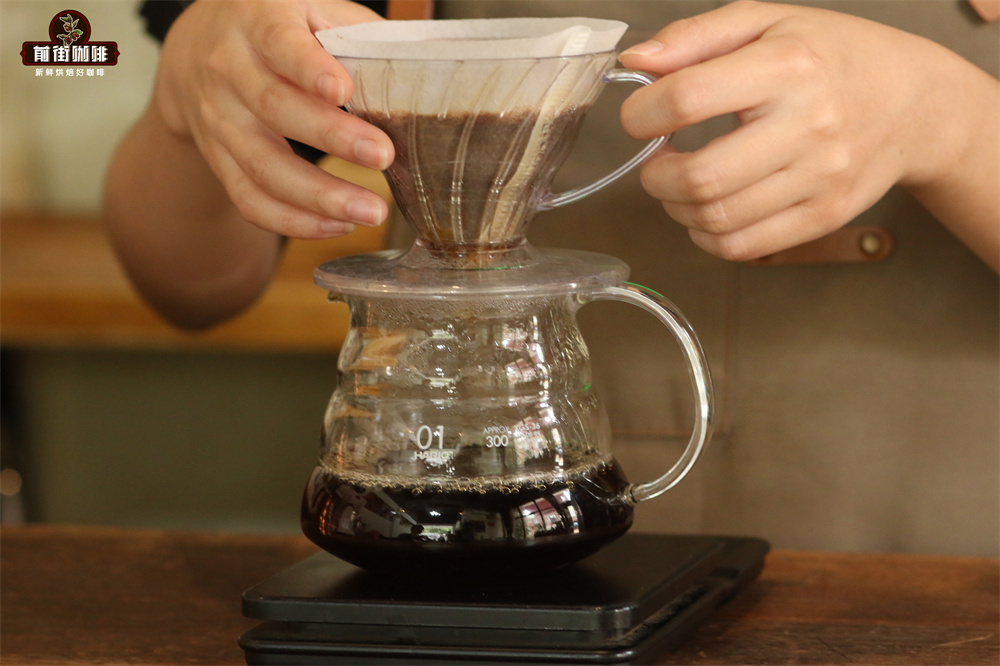
The term "extraction" refers to the process of grinding coffee beans into powder and then using water to extract the soluble flavor substances from them. Common extraction methods can be roughly divided into four categories: drip, espresso, immersion, and boiling. Among them, drip coffee is extracted under normal pressure, where hot water passes through the coffee grounds to extract aromatic substances. Common pour over tools include the Melitta filter, Chemex, V60 filter, and KONO cup, which help control water flow and extraction time, thereby influencing the final flavor.
Pour over is a gentle and natural extraction technique that can faithfully present the original flavors of the coffee beans. Since the filter paper filters out most of the oils, the brewed coffee has a clear color, often with a slight reddish hue. Pour over coffee is not only cost-effective—you can enjoy the multi-layered aromas of specialty coffee without expensive machines—but also easy to manage in terms of variables such as water temperature, grind size, and pouring speed. However, depending on the recipe, its flavor direction can vary greatly, with some emphasizing a rich and full-bodied taste, and others highlighting a clean and bright profile.
The U.S. market has developed electric drip brewers based on the principles of pour over, commonly known as "American coffee makers." However, it’s important to note that although the coffee made by American coffee makers broadly falls under drip, it is still distinctly different from professional pour over. Its output is more uniform but usually lacks the nuanced variations of pour over.
Espresso, on the other hand, follows a completely different extraction logic. It uses high pressure (about 9 atmospheres) to push hot water through extremely finely ground coffee, instantly extracting a concentrated and flavorful coffee liquid—what we know as espresso. Compared to the clarity of drip coffee, espresso is characterized by its intense and bold profile. The lipids in the coffee emulsify under high pressure, releasing aromas reminiscent of caramel. Additionally, the most notable feature of espresso is the thick layer of crema on top, a fine layer of bubbles formed by the interaction of carbon dioxide and high pressure. The richness and persistence of the crema are often considered one of the key indicators of the freshness of the coffee beans.
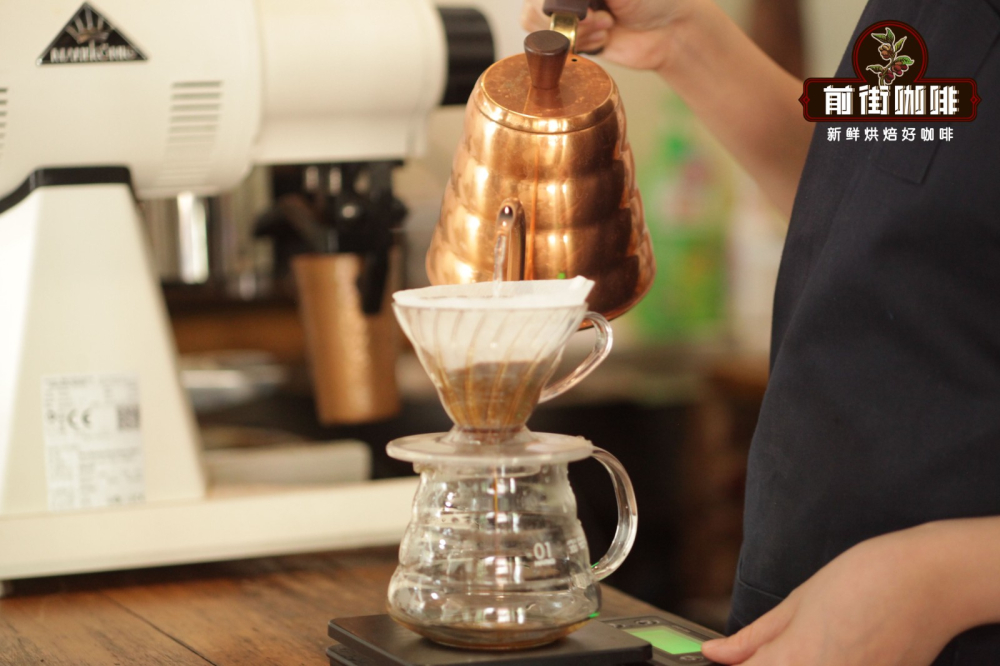
Immersion coffee involves steeping coffee grounds in water for a period of time before filtering, which can achieve more consistent extraction results and retain more oils, resulting in a fuller mouthfeel. Boiling coffee, on the other hand, requires continuous heating for extraction, with typical representatives including the Turkish coffee pot and moka pot. Due to the tendency for higher water temperatures, this type of coffee is usually strong and even bitter, and Turkish coffee leaves coffee grounds at the bottom of the cup.
Some users mistakenly identify moka pot-extracted coffee as espresso, but in fact, the moka pot is a home appliance. Although its extraction pressure and method are similar to those of an espresso machine, it does not meet the commercial definition of espresso.
In addition to the mainstream methods above, there are also tools like the AeroPress, which are highly portable and versatile, and the siphon pot, a visually appealing brewing device, which are also popular among many coffee enthusiasts.
If classified by the way water contacts coffee grounds and the grind size, coffee brewing methods can be roughly divided into five major categories: decoction, pressure, gravity, immersion, and cold brew.
Decoction is the most primitive brewing method, where coffee grounds are directly placed in a container with hot water and left to settle before drinking. This method is still used in some parts of Indonesia today. Though simple, care must be taken to avoid drinking residual coffee grounds. Turkish coffee is a classic representative of this type, where extremely fine coffee grounds are boiled with water, often sweetened and spiced, and a large amount of coffee grounds settle at the bottom when consumed. Cowboy coffee, another example, involves boiling coffee grounds directly in a pot. Though the name sounds casual, it still has a certain user base in places like Northern Europe.
The most representative method of pressure brewing is espresso, which uses high pressure (8–9 atmospheres) to quickly push hot water (80–96°C) through tightly packed coffee puck, extracting a concentrated and aromatic coffee liquid, typically just 30 milliliters per shot. Espresso can be enjoyed on its own or serves as the base for many coffee drinks such as lattes and cappuccinos. The moka pot is a representative of home pressure brewing. Its three-tier structure uses steam pressure to push water through coffee grounds. Although it cannot produce the same crema as professional machines, installing a pressure-reducing gasket can also yield a golden foam similar in appearance.
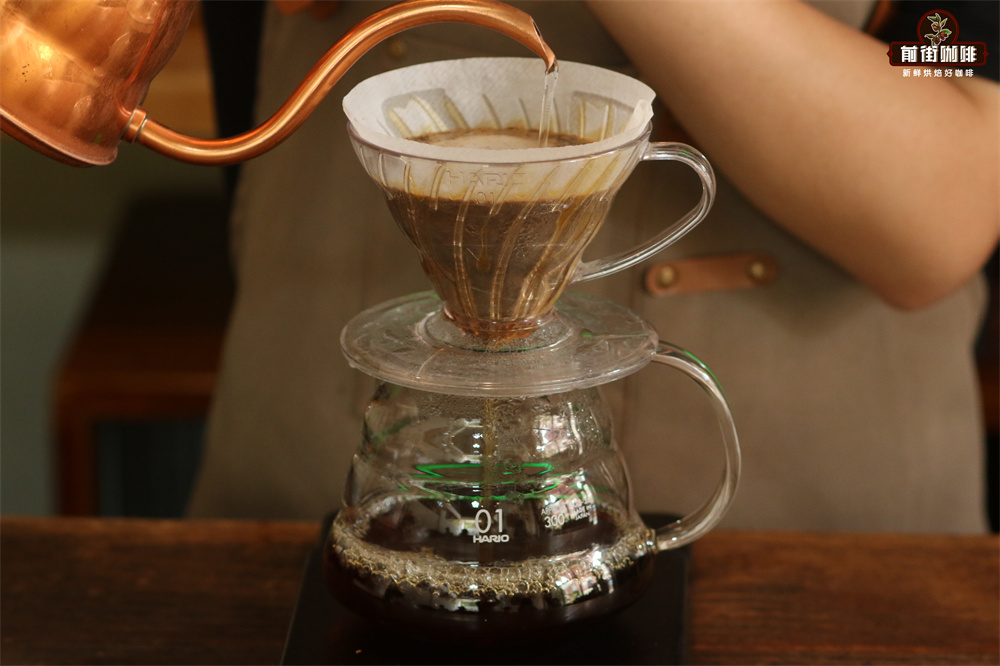
Gravity brewing is what we commonly refer to as drip or pour over. Hot water relies on gravity to pass downward through filter paper or metal filters and come into contact with coffee grounds to extract flavors. Its concentration is usually lower than that of espresso and is greatly influenced by pouring speed, water temperature, and grind size. Early drip coffee machines were once popular in the U.S., but often suffered from uneven heating or poor water temperature control, leading to suboptimal flavor performance.
Immersion brewing is represented by the French press, where coffee grounds and hot water are steeped together for several minutes, and then a plunger filter is used to press the coffee grounds to the bottom, resulting in a coffee rich in oils and with a full mouthfeel. This method is considered one of the home brewing techniques that can fully present the complete profile of coffee.
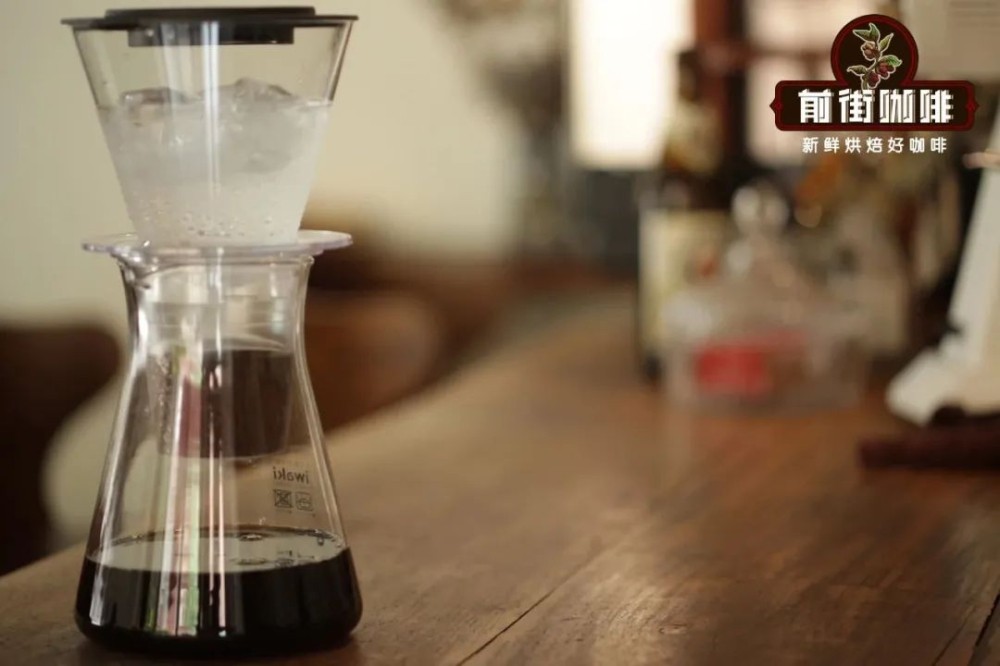
Cold brew, also known as ice drip coffee, is a cold extraction technique that does not use hot water at all. It relies on cold water melted from ice cubes slowly dripping through coffee grounds. The entire process takes a long time but yields a unique flavor and is relatively costly. This method is suitable for coffee lovers who prefer low-acidity and delicate flavors.
The history of drip coffee can be traced back to a brewing method invented by a German, which uses gravity to allow hot water to pass through coffee grounds and extract flavors. The commonly seen Melitta filter brand in supermarkets originates from the creator of this technology. Drip coffee is extremely simple to operate—just place the coffee grounds in a funnel and pour in hot water, and the coffee liquid will naturally drip down under gravity. However, many home electric coffee makers, due to insufficient heating power, result in low water temperatures, which can easily lead to incomplete coffee extraction and produce a sour and astringent taste. The ideal extraction water temperature is generally recommended to be between 88°C and 92°C, with specific values adjustable based on the roast level and origin characteristics of the coffee beans.
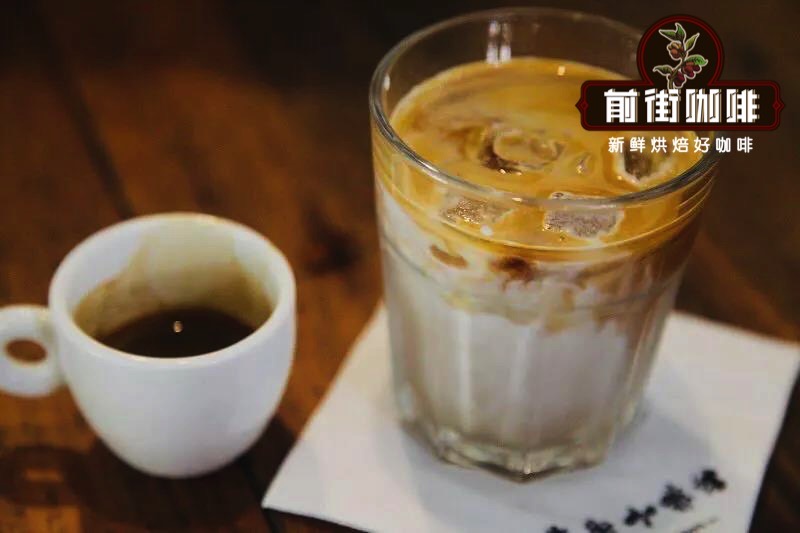
In the practice of drip coffee, in addition to water temperature, pouring speed, height, and method also significantly affect the final flavor. For beginners, pour over is not only low-cost, requiring only a grinder, kettle, and filter to get started. There are various types of filters; using filter paper can filter out more fine particles, resulting in a clearer taste, though some users believe that filter paper may absorb some aromatic oils. Not using filter paper can retain more oils but may come with fine particle sediment. These choices depend on individual flavor preferences.
Before the prevalence of espresso, drip coffee was the mainstream brewing method in most regions. Its flavor is relatively mild, making it more beginner-friendly. Although espresso has a rich flavor and is popular, its higher operational barrier makes drip coffee still the first choice for home and personal coffee making. In addition, drip coffee has no obvious layering and offers a pure and consistent taste, precisely because there is no pressure involved, allowing hot water to more fully extract the aromatic substances and oils from the coffee, delivering a smooth and palatable drinking experience.
In summary, drip coffee is an inclusive, easy-to-learn brewing method that can showcase the delicate flavors of coffee. Whether you are a coffee novice just getting started or a coffee enthusiast seeking consistent quality, you can find your own brewing style and flavor preference within it.
The above content is compiled by CoffeeHunters, a coffee news website.


