







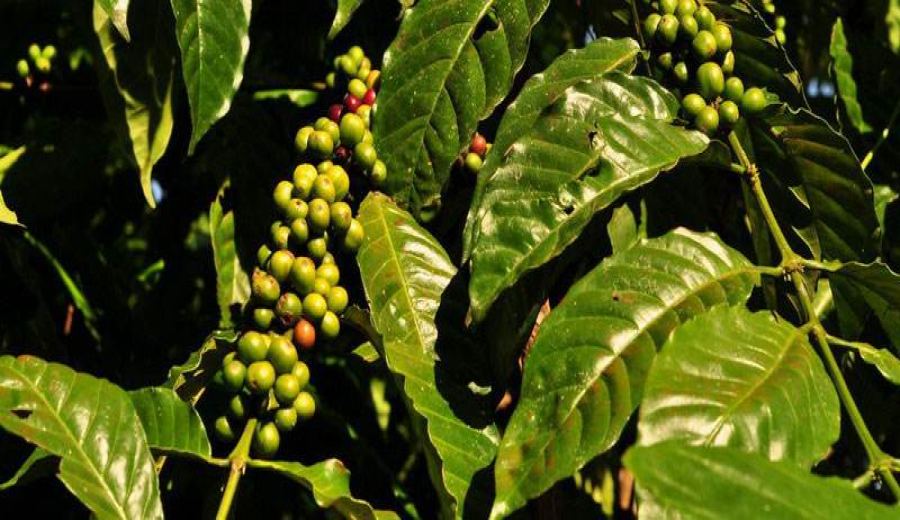
Introduction:As the world’s largest coffee-producing country, Brazil’s grading system and flavor characteristics have always attracted significant attention. This article delves into the main producing regions, common varieties, and processing methods of Brazilian coffee, providing a detailed explanation of its three-dimensional grading system centered on defect rate, bean size, and cupping performance. Through practical examples, it also offers guidance on adjusting pour over parameters for medium-to-dark roasted Brazilian beans, helping coffee enthusiasts fully grasp the essence of Brazilian coffee from origin to cup.
Brazil is a leader in global coffee production, not only ranking first in output worldwide but also renowned for its stable quality and mild flavors, earning it the title of the “Coffee Kingdom.” Much of its coffee is used in espresso blends. To help consumers gain a deeper understanding of the diverse facets of Brazilian coffee, this article will explore everything from producing regions and varieties to processing methods, grading standards, and practical brewing recommendations, offering a comprehensive introduction to Brazilian coffee from origin to cup.
Brazil is located in the tropics, with mostly flat terrain, generally low altitudes, and soils that are often non-volcanic. In the past, it also relied heavily on mechanized harvesting, resulting in Brazilian coffee beans that tend to be more restrained in aroma and complexity. However, with the rise of the specialty coffee trend, high-altitude regions in southern Brazil, such as Minas Gerais, have gradually improved in variety selection, field management, and post-harvest processing, enhancing overall quality performance.
Major Coffee Producing Regions in Brazil
Coffee cultivation in Brazil is concentrated in seven major states, among which Minas Gerais and São Paulo produce the most highly regarded beans. Specifically, the Cerrado region within Minas Gerais is not only the first area in Brazil to receive origin certification but is also almost exclusively planted with Arabica beans. It is one of the important bases where Brazil first achieved the commercialization of coffee and is home to many large farms established by exporters.
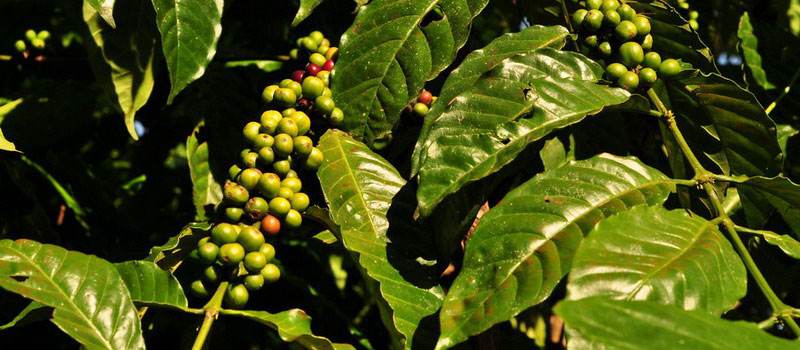
The coffee from the Cerrado region is known for its stable performance and good flavor, making it a popular choice for many coffee beginners. For those new to coffee, tasting beans from well-known regions can provide a more intuitive understanding of the differences brought by various regions, varieties, and processing methods.
Common Coffee Varieties in Brazil
Brazil grows a wide range of coffee varieties. In the early days, Typica was the dominant variety, but due to its lower yield, it was gradually replaced by the higher-yielding Bourbon variety. Introduced from Réunion Island in the mid-19th century, Bourbon has wider leaves and denser plants compared to Typica, with yields about 30% higher. Its beans are slightly rounder and shorter in shape, and its flavor often features berry-like acidity, rich creaminess, and pronounced aromatics, though it is less resistant to diseases.
Currently, common Brazilian Bourbon varieties on the market include Red Bourbon and Yellow Bourbon. The former, with red fruits when ripe, is the variety chosen for a certain Cerrado everyday coffee and delivers a clear flavor profile. The latter often exhibits notes of dark chocolate, cream, and peanuts, offering a richer mouthfeel.
Coffee Processing Methods in Brazil
Since the harvest season mostly overlaps with the dry season, Brazil commonly uses the natural (sun-dried) method to process coffee beans. However, traditional full natural processing can easily cause the beans to pick up off-flavors, affecting flavor stability. Since the 1990s, the pulped natural method (also known as semi-washed) has become increasingly widespread. The process involves using water tanks to remove defective and unripe cherries first, then mechanically removing the pulp and some mucilage, followed by washing and drying. This method is more water- and labor-efficient while effectively improving the cleanliness and purity of the coffee’s flavor.
The Three-Dimensional Grading System of Brazilian Coffee
Due to its vast producing regions and large output, Brazilian coffee grading does not rely on a single standard but instead considers three key indicators: defect rate, bean size, and cupping flavor performance.
1. Grading by Defect Count
Brazil adopts the “New York Grading Standard (NY),” which evaluates beans based on the number of defects per 300 grams of green coffee, using a deduction system to determine the grade. Common grades include NY2, NY2/3, NY3, and NY3/4, where smaller numbers indicate fewer defects and higher quality.NY2 represents a defect deduction of 4 points or less and is the highest grade.Since NY1 requires absolutely no defective beans, which is practically very difficult to achieve, NY2 has become the top standard for Brazilian green coffee exports.
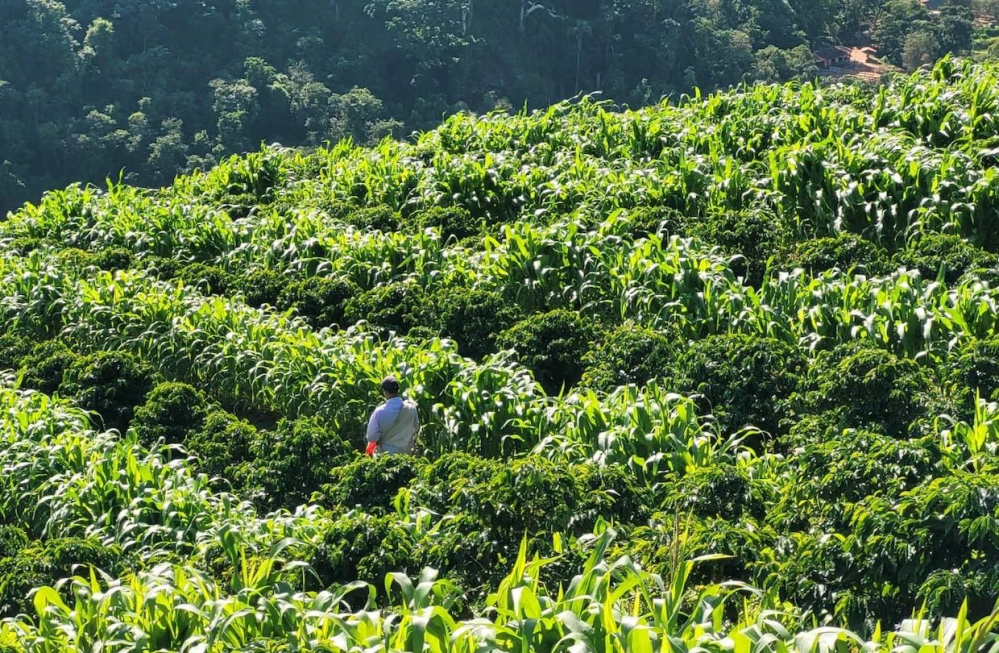
2. Grading by Bean Size
Brazilian coffee beans are graded using sieves with a 1/64-inch unit, with sieve numbers ranging from 14 to 20. A higher number indicates wider beans. Although 19 is the largest specification, it is rare in production.Sieves 17 and 18 are recognized as high-quality grades in the market.。
3. Cupping Flavor Performance
After initial screening, green beans are roasted and cupped, evaluated according to the Cup of Excellence standards. Taste classifications include: Strictly Soft (very mild), Soft (mild), Softish (slightly mild), Hardish (harsh), and Rioy (iodine-like). Flavor levels are divided into Fine Cup (FC), Good Cup (GC), Fair Cup, etc., among whichFC and GC are common premium grades.。
Combining the above, a coffee bean labeled as “Brazil NY.2SC – 17/18 FC Cerrado” indicates it is from the Cerrado region, with beans sized 17 to 18, a cupping flavor of Fine Cup, a taste rating of Very Soft, and a defect rate at the high-quality NY2 level.
Pour Over Recommendations for Medium-to-Dark Roasted Brazilian Beans
For medium-to-dark roasted Brazilian coffee, freshness is crucial, as the peak flavor window after roasting is limited. It’s best to enjoy the beans as soon as possible to experience the fullest aromatic layers. Generally, beans roasted within the last 5 days are recommended for optimal extraction.
In terms of equipment, the KONO dripper is a popular choice among baristas for medium-to-dark roasts. Its smooth curved upper design allows the filter paper to adhere more tightly, and the extraction process leans toward immersion, helping to enhance overall richness and body. Additionally, Kalita wave drippers and slower-flow devices like cloth filters are also suitable for this type of coffee.
For grind size, a coarser grind similar to coarse sugar, with about 75% retention on a standard #20 sieve, is recommended. Use water at around 88°C to avoid over-extraction. Employ a three-pour method: start with a 30-second bloom using 30 grams of water; then pour to around 125 grams, maintaining steady circular pouring; finally, pour up to 225 grams and let it drip through, with a total extraction time of about 2 minutes.
With these settings, medium-to-dark roasted Cerrado beans from Brazil often exhibit aromas of nuts, chocolate, and caramel, with a round mouthfeel, pronounced sweetness, and a stable chocolate flavor, making them ideal for coffee lovers who enjoy bold, full-bodied profiles.
The above content is compiled by CoffeeHunters, a coffee news website.


