








Introduction:Cold brew coffee is made by extracting coffee with cold water over a long period of time at low temperatures, resulting in a unique flavor profile that is refreshing, with gentle acidity and smooth bitterness. This article starts from the basic principles, deeply analyzing key parameters of cold brew such as coffee-to-water ratio, grind size, and steeping time, and provides practical brewing steps. It also recommends suitable coffee bean varieties for different flavor preferences to help readers find their ideal cold brew combination, while reminding you of important notes on storage and drinking deadlines.
There is an essential difference between cold brew coffee and regular iced coffee. The so-called iced coffee is usually brewed with hot water first and then cooled down with ice cubes; whereas cold brew coffee uses cold water throughout the entire process, slowly extracting the essence of coffee in a low-temperature environment. This brewing method not only makes the coffee taste smoother but also reduces acidity and bitterness, allowing the inherent flavor characteristics of the coffee to stand out more prominently.
Cold brew coffee is called Cold Brew Coffee in English. Its basic method is to mix finely ground coffee powder with cold water, let it steep for at least 8 hours, and then filter out the coffee grounds to obtain a richly flavored iced coffee liquid. Throughout the process, the coffee-to-water ratio, grind coarseness, and steeping time are all important variables that affect the final flavor expression.
Compared to high-temperature extraction methods such as pour over or espresso, the cold brew process operates at lower temperatures, making it difficult for many tannins and impurities that can cause bitterness to be released. As a result, cold brew coffee usually has a softer and cleaner taste and can more authentically reflect the characteristics of the coffee bean origin and processing methods. In addition, low temperatures also help preserve some floral and fruity aromas. However, it should be noted that these small-molecule aromas tend to dissipate over time. Therefore, it is recommended to consume the filtered cold brew within 5 days to maintain optimal flavor and ensure drinking safety.
The steps to make cold brew coffee are actually quite simple. You only need freshly roasted coffee beans, a sealed brewing container, and filters such as filter bags, filter paper, and a filter dripper to separate the coffee grounds. Here is a practical reference recipe: First, precisely weigh about 40 grams of coffee beans. It is recommended to use freshly roasted beans that have passed the degassing period to ensure full flavor. Grind the coffee beans to a coarseness similar to that of fine sugar. If using a sieve to test, it is recommended to aim for a passing rate of 75–85%, which strikes a balance between extraction efficiency and smooth mouthfeel.
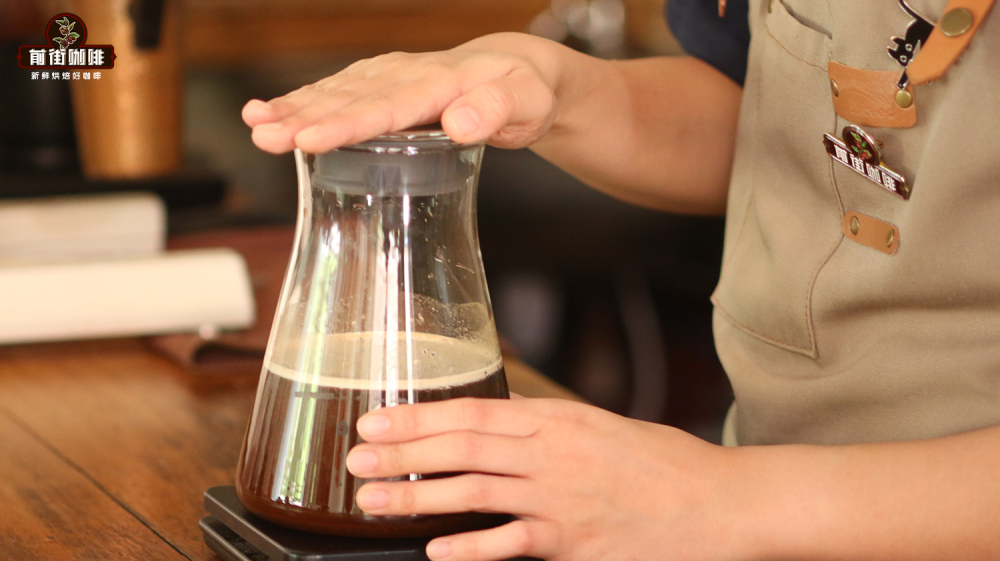
Next, place the ground coffee into a sealed container and add about 400 grams of room temperature cold water. At this point, the coffee-to-water ratio is 1:10. Lightly cover the container, then gently shake or use a stirring tool to ensure the coffee grounds and water are evenly mixed and in contact. After mixing, place the container in the refrigerator for low-temperature slow steeping. The recommended steeping time is 8 to 12 hours. If you prefer a richer and thicker taste, you can extend it to 12–16 hours to allow more flavor compounds to be released; if you want a crisper taste with less bitterness in the aftertaste, you can shorten the time to 6–8 hours before filtering.
After steeping, thoroughly separate the coffee grounds using filter paper or a filter screen. The resulting coffee liquid is not only clear but also ready to drink immediately. If you desire a rounder flavor, you can also refrigerate it for a few hours to let the flavors integrate and ferment further, enhancing the overall complexity of the mouthfeel.
When choosing coffee beans for cold brew, it is recommended to select beans with different processing methods and roast levels based on personal preference, but make sure to use freshly roasted products. Generally speaking, coffee beans need to go through a 4–7 day degassing period after roasting, and are best consumed when their flavors have fully developed at their peak. Many specialty shops ensure that the coffee beans they ship are freshly roasted within 5 days, so that consumers receive them while they are still at peak flavor.
The cold brew process is particularly good at highlighting the fruity, wine-like, and fermented notes in coffee. Therefore, selecting beans with these characteristics often yields surprisingly good results. Below are several recommended coffee bean varieties suitable for cold brew for your reference:
First is the "juicy tomato-like" Kenya Little Tomato coffee beans, produced in the Thika region of Kenya, using the renowned SL28 and SL34 varieties, and processed through a double washed method. They feature pronounced berry-like sweetness and acidity along with elegant floral notes, making them very suitable for those who enjoy fresh fruit flavors.
Another option is the "rich fruit tea-like" Natural Hua Kui coffee beans, which use high-sugar ripe coffee cherries for natural sun-drying processing. The fruit sugars naturally ferment under sunlight, creating a rich fruit sweetness and an black tea-like aftertaste. After cold brew, the berry and passion fruit acidity and sweetness are especially prominent.
Finally, there is the "dark berry-like" Mozart coffee beans, which use an anaerobic honey processing method and feature a unique raisin aroma. After cold brew or ice drip, they can exhibit complex layers of blueberry, black grape, and wine-like fermented notes. It is recommended to let it sit in a low temperature environment for 3–4 days before drinking, as the wine-like aroma will become even more pronounced.

The above content is compiled by CoffeeHunters, a coffee news website.


