







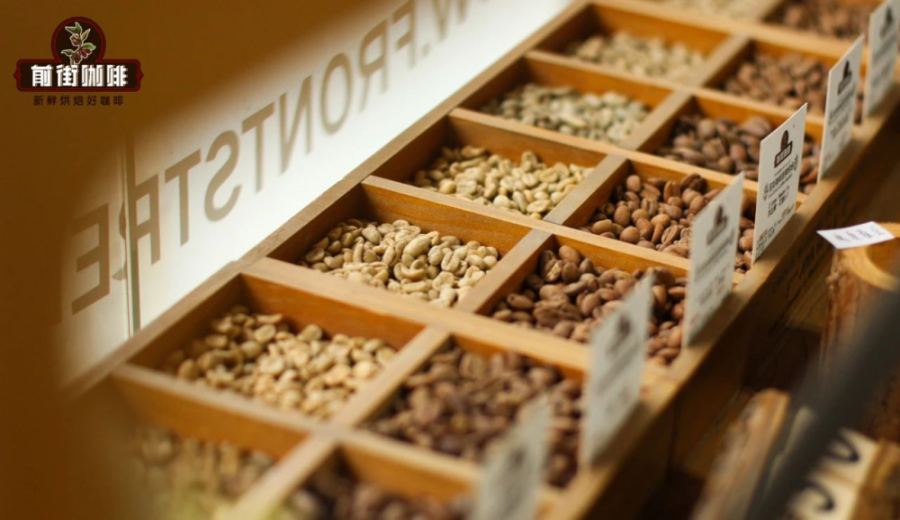
Introduction:Roasting is a crucial factor in shaping the flavor profile of coffee beans, influencing aroma, acidity-sweetness balance, and texture complexity. This article delves into the differences between light, medium, and dark roasts, explores the ideal roast levels for Ethiopian Yirgacheffe washed and natural process beans, and explains why the classic "Red Cherry" natural bean is roasted to a medium-light level. The article concludes with practical V60 pour-over parameters to help you fully highlight Yirgacheffe’s berry and fruity acidity characteristics.
Green coffee beans have almost no pronounced aroma on their own; it’s only after proper roasting that they reveal a rich and diverse range of flavors. However, roasting is not simply about achieving a specific color. Factors such as heating rate, timing of first and second cracks, and overall roast duration significantly impact the final taste in the cup. This article uses Ethiopia’s renowned Yirgacheffe region as an example to examine how different roast levels affect flavor and analyzes which roast styles suit washed and natural processing methods.
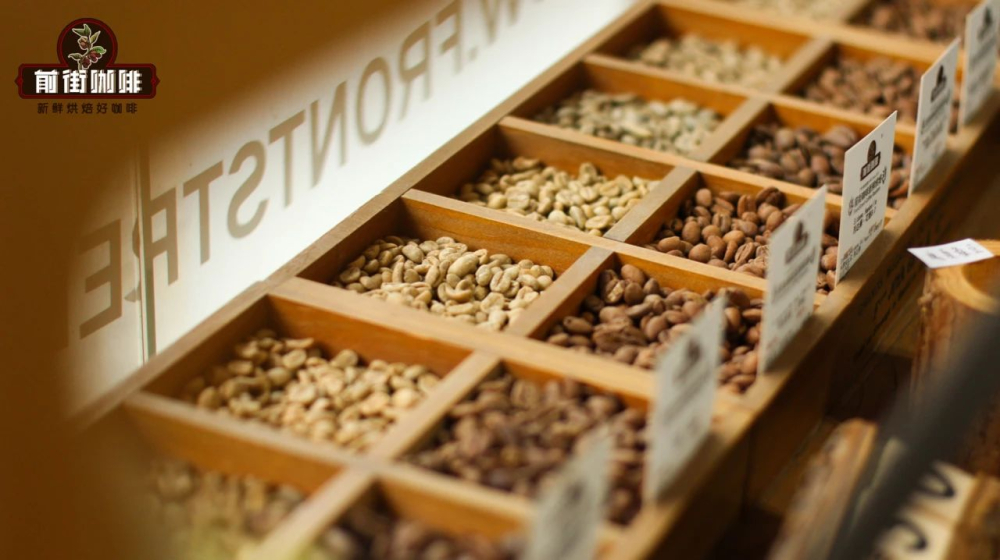
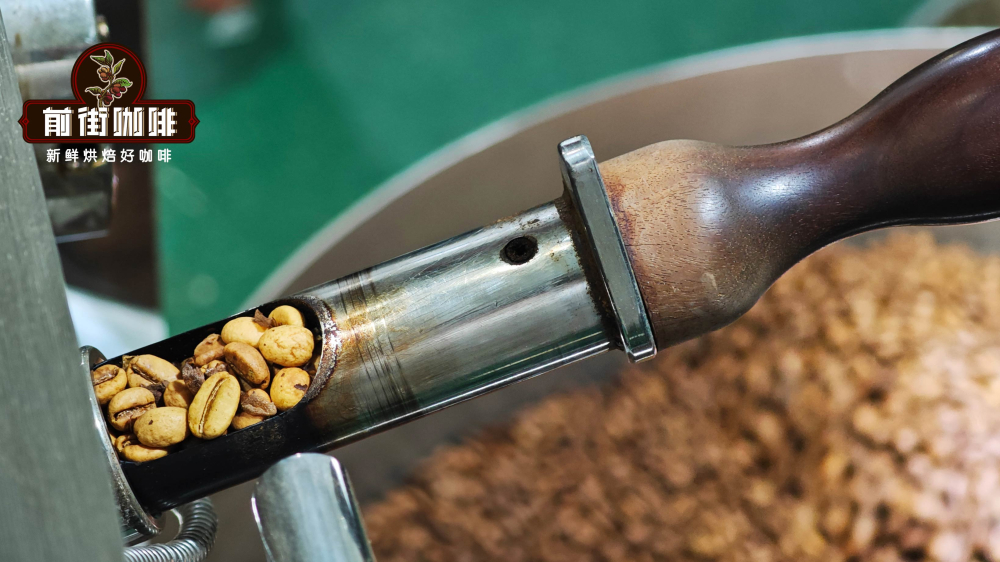
Many people assume roast level is determined solely by bean color, but in reality, the key lies in the heating rhythm, hot air circulation, and time control during the roasting process. Even if two batches of beans appear similar in color, one roasted quickly at high heat and the other slowly at low heat, their flavor profiles can differ drastically. This is especially true for bean varieties like Yirgacheffe, which have delicate and multifaceted flavors—making the roasting method all the more critical.
Generally, the roasting process can be broadly divided into three categories: light roast, medium roast, and dark roast. Light roast is typically completed in the mid-to-late stage of the first crack, retaining the highest levels of acidity in the beans, with minimal bitterness, often featuring pronounced floral, citrus, or berry notes. This type of roast, due to faster heating and shorter duration, preserves more of the beans’ inherent flavors, making it suitable for drinkers who prefer a bright and refreshing taste.
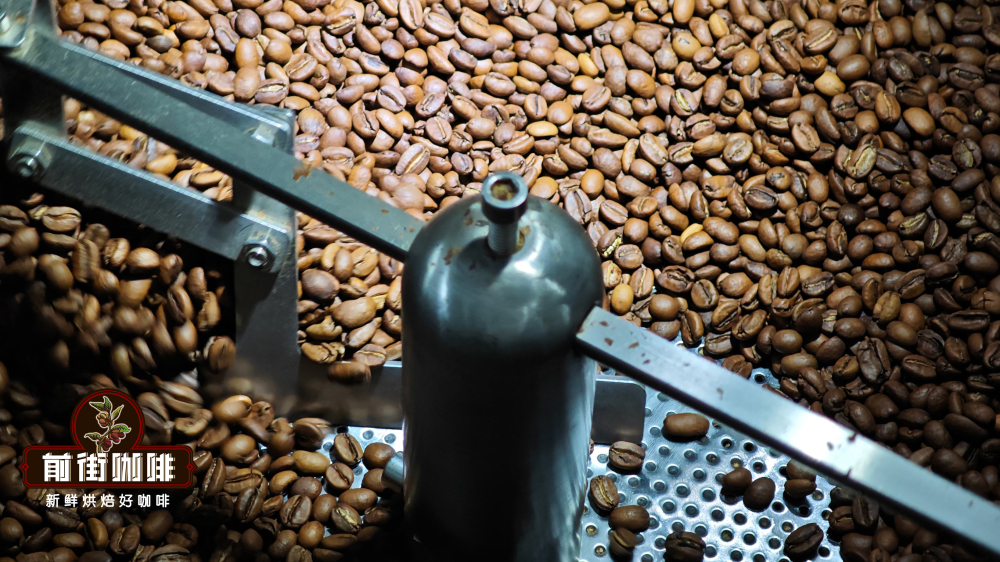
Medium roast falls between the end of the first crack and before the second crack, a roast range commonly used for many specialty coffees. During this stage, caramelization and Maillard reactions gradually intensify, balancing acidity, sweetness, and bitterness, with flavors shifting toward caramel, nuts, and chocolate while retaining moderate fruitiness. This roast type usually better showcases the bean’s overall characteristics and is the "versatile" range recommended by many professional roasters.
Dark roast involves roasting through or beyond the second crack for a longer duration, resulting in pronounced bitterness, reduced acidity, and often intense smoky, charred, and chocolatey flavors—but it can easily mask the bean’s inherent qualities. For bean varieties like Yirgacheffe, known for their fruity acidity and floral notes, overly dark roasting tends to strip away their soul.
So, how should Yirgacheffe be roasted? Taking washed Yirgacheffe as an example, these beans typically exhibit high-toned aromas such as bright lemon, blueberry, or jasmine. To highlight their fresh fruity acidity and floral notes, a light or medium roast is recommended. Such roasting preserves their inherent traits, delivering bright acidity without harshness and a layered, nuanced finish.
In contrast, natural-process Yirgacheffe, having undergone sun fermentation, boasts more intense fruit aromas with relatively softer acidity, plus a hint of wine-like and ripe fruit tones. Take the famous "Red Cherry" natural Yirgacheffe, for instance—many roasters opt for a medium-light roast to balance its rich fermentation aromas and fruitiness while maintaining appropriate body and sweetness. This roast level helps showcase its unique winey and berry flavors without losing its smooth and mellow character.
For brewing Yirgacheffe, the V60 filter cone is recommended to fully highlight its layered profile and clear flavors. Suggested parameters are as follows: water temperature around 90–91°C, 15 grams of coffee, a 1:15 coffee-to-water ratio, and medium-fine grind size (approximately 80% through a Chinese standard No. 20 sieve). Use a three-stage pouring method: start by pouring 30 grams of water for a 30-second bloom at timing zero; then pour to 125 grams with a slow stream in the second stage, wait until the coffee bed drops by about half, and proceed to the third stage, pouring to 225 grams. Keep the total extraction time around 2 minutes. This method ensures even extraction and avoids over-extraction or excessive tannin release.
After brewing, you’ll experience pronounced berry, lemon, fermented fruit aromas, and a subtle strawberry note—balanced acidity and sweetness with a clean, refreshing finish. It’s perfect for coffee lovers who enjoy fruity and bright profiles. Whether you prefer the lively acidity of a light roast or the rounded sweetness of a medium roast, Yirgacheffe offers a diverse range of flavor expressions, well worth savoring.
The above content is compiled by CoffeeHunters, a coffee news website.


