







Introduction:Explore Yunnan small-grain coffee, one of China’s representative coffees, from its uniquely advantageous growing environments and mainstream variety characteristics, to the differences between washed and natural processing methods, as well as practical pour over parameters and flavor profiles. This article provides an in-depth yet easy-to-understand analysis of the two major varieties, Typica and Catimor, helping you master bean selection and brewing tips to experience the unique charm of Yunnan coffee.
Yunnan, a region famous for Pu’er tea, has now also gained significant attention for its coffee. It is not only the province with the highest coffee production in China, accounting for over 95% of the national total, but is also mainly distributed across Baoshan, Pu’er, Lincang, and Dehong. Yunnan small-grain coffee is renowned for its “strong yet not bitter, fragrant yet not overpowering, with a hint of fruit acidity and tea-like notes,” earning it the reputation of the “Chinese version of Blue Mountain coffee.”
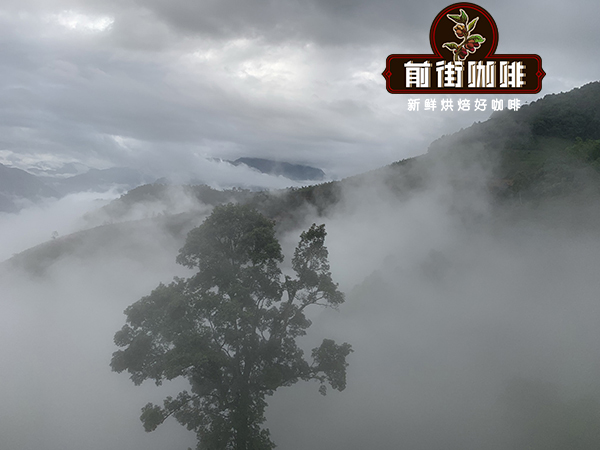
As a major coffee-producing region in China, Yunnan boasts natural conditions suitable for the growth of Arabica. Located between 15°N and the Tropic of Cancer, with elevations generally ranging from 1,500 to 2,200 meters, the region features large diurnal temperature variations and stable seasonal temperature differences—key environmental factors for cultivating high-quality coffee. For example, a well-known coffee brand’s planting base in Lincang leverages high altitude and sloped terrain to produce coffee with distinct fruit acidity and tea-like characteristics.
The main coffee-growing regions in Yunnan include Baoshan, Pu’er, Lincang, and Dehong. Among them, Baoshan’s Luxi River Dam is known for its dry-hot valley climate and is one of the few places in the world suitable for growing small-grain coffee. Located at the eastern foot of the Gaoligong Mountains and on both sides of the Nujiang River, Luxi River Dam’s small-grain coffee plantations are mostly distributed at elevations of 800–1,200 meters, with some reaching 1,400 meters. With an average annual temperature of about 21.3°C, over 2,300 hours of annual sunshine, and an almost frost-free environment, these conditions provide optimal growing conditions for high-quality Arabica coffee.
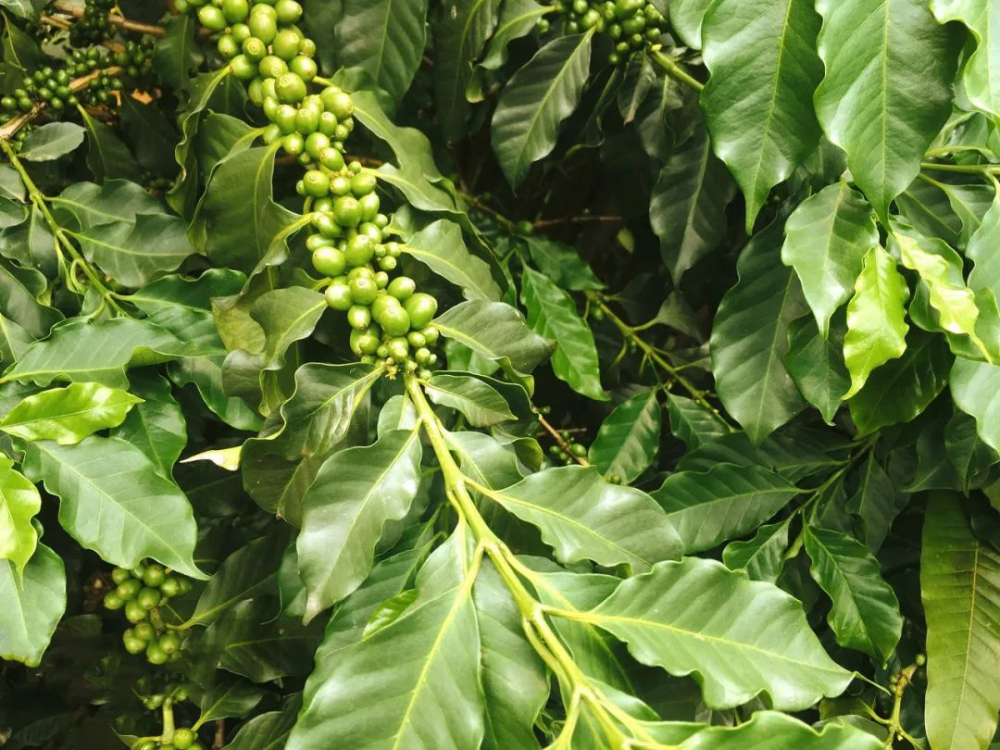
When it comes to Yunnan coffee varieties, the most common is what is referred to as “Yunnan small-grain coffee,” which mostly refers to the Catimor variety. In the early days, Yunnan primarily grew Typica, one of the oldest and most elegant Arabica varieties, characterized by its slender bean shape and excellent flavor, but with weak disease resistance. Due to Typica’s susceptibility to leaf rust and the demand for higher yields and disease resistance, it was gradually replaced by Catimor. Catimor is a hybrid of the Arabica variety Caturra and the Robusta variety Timor, combining strong disease resistance with high yield, and is currently the dominant variety in Yunnan’s coffee production.
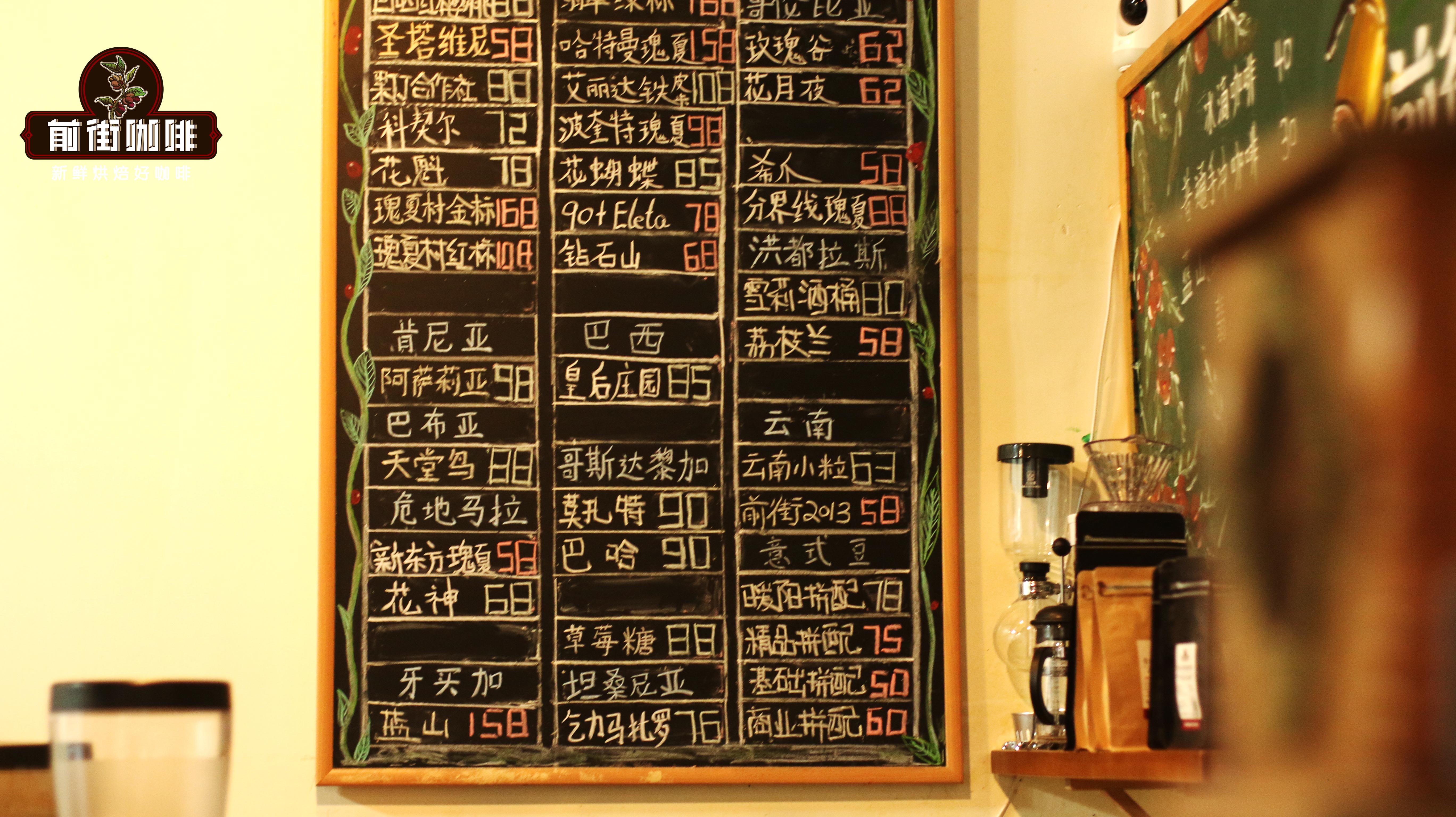
Typica (铁皮卡): Belongs to one of the most traditional Arabica varieties, with bronze-colored top leaves, slender and smooth leaves, few branches, and beans that are elliptical or sharply tapered in shape. It offers delicate and elegant flavors but is physically weaker, prone to diseases, and has relatively low yields. A certain brand once launched a “2013 Typica” grown from this variety, showcasing the classic traits of small-grain coffee.
Catimor (卡蒂姆): A hybrid of Arabica and Robusta, combining disease resistance and high yield. It is currently the most widely planted variety in Yunnan. Although its flavor is not as refined as Typica, it can still exhibit rich layers when processed and roasted appropriately.
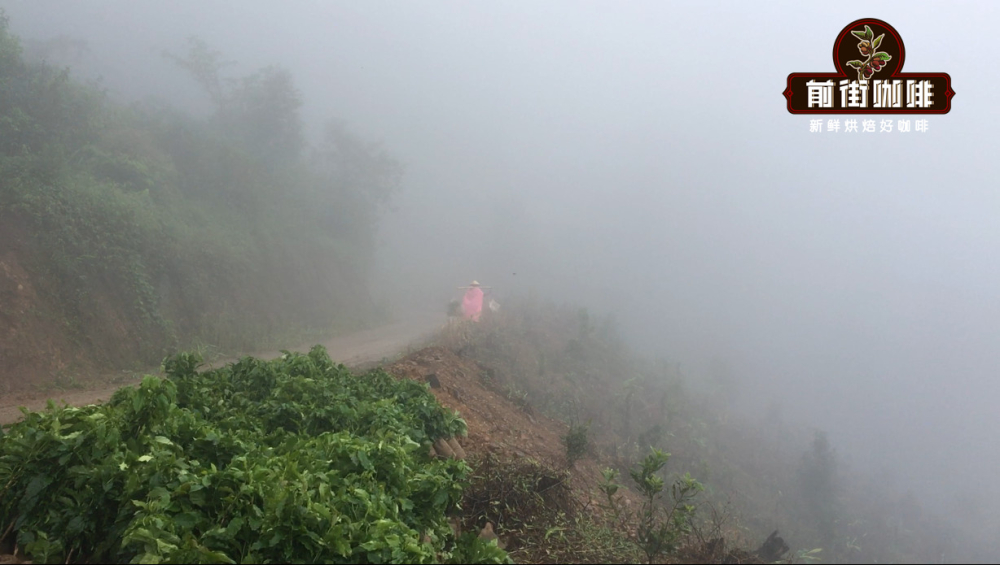
In Yunnan, particularly in the high-altitude mountainous areas of Lincang, some farms still insist on planting Typica, which, despite its weaker constitution, offers exceptional flavor. For example, a farm operated by a certain brand in Lincang is located between elevations of 1,230–1,540 meters, mostly on slopes and hilly terrain, with abundant sunlight and large diurnal temperature variations—conditions that contribute to the coffee’s bright acidity and unique aromas. The “2013 Natural Typica” produced there showcases a balanced profile of Asian herbal notes, berry acidity, and brown sugar sweetness.
In terms of processing methods, due to Yunnan’s variable climate and unpredictable rain patterns, most coffee beans are processed using the washed method. The washed process involves first removing the fruit skin, then soaking the parchment-covered beans to ferment and remove residual pulp, followed by washing and drying. This method reduces off-flavors, highlights fruit acidity, and results in a cleaner and clearer cup profile. Compared to the natural method, washed processing more accurately reflects regional flavor characteristics and is the preferred choice for many specialty coffee farms.
For pour over enthusiasts, understanding brewing recommendations for Yunnan small-grain coffee is especially important. Generally, Yunnan beans have a balanced flavor profile, with a base of nuts, caramel, and brown sugar, and are suitable for medium roasting to highlight their mellow and soft acidity. It is recommended to use a V60 filter, with a water temperature of around 88°C, a coffee-to-water ratio of 1:15, and a grind size close to that of fine sugar, achieving about 80% extraction through a standard Chinese No. 20 sieve.
The specific pour over steps are as follows: Start with a 30-second bloom using 30 grams of water, then slowly pour the second stage water in small circular motions up to 125 grams. Once the water level drops, continue pouring up to 225 grams, with the total brew time controlled to around 2 minutes. This three-stage pouring method helps enhance the coffee’s layers and flavor expression.
In terms of flavor, washed Yunnan small-grain coffee often carries nutty aromas, a smooth mouthfeel, accompanied by notes of chocolate, caramel, and slight herbal tones, with a mild fruity acidity lingering in the aftertaste. Meanwhile, naturally processed Typica exhibits a fuller body, higher sweetness, and berry acidity, with a pronounced tea-like quality and overall excellent balance.
When selecting and brewing Yunnan coffee, it is recommended to choose freshly roasted beans, with the optimal tasting period typically beginning 4–7 days after roasting. Coffee produced by a certain brand is shipped within five days of roasting to ensure consumers enjoy the most flavorful cup. If you prefer prominent fruit acidity, opt for high-elevation, light-roast beans; if you dislike acidity, dark roasts can bring out richer caramel and chocolate notes.
In summary, Yunnan small-grain coffee is a type of coffee with a neutral flavor profile and balanced acidity and bitterness, suitable for those new to single-origin coffee as well as advanced enthusiasts seeking layered flavors. By understanding the differences in growing regions, varieties, and processing methods, you’ll be able to more precisely select and brew your own cup of premium Yunnan coffee.
The above content is compiled by CoffeeHunters, a coffee news website.


