







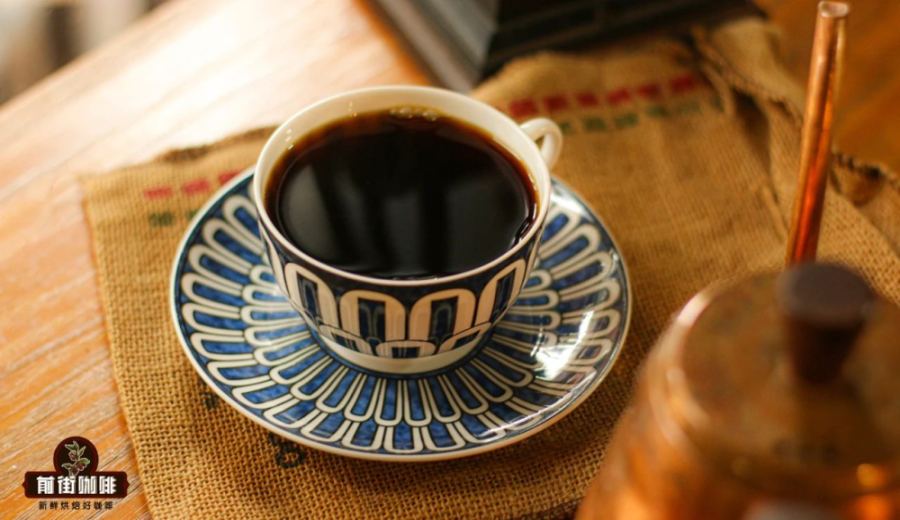
Introduction:Mandheling coffee from the Lintong region in Sumatra, Indonesia, is renowned for its low acidity, full body, and rich caramel-chocolate notes. Its unique wet-hulling processing method is key to shaping its flavor profile. This article starts with a historical overview, demystifies the origin of the name "Mandheling," and delves into the geographical environment and processing characteristics of the Lintong region. It also provides professional pour-over brewing recommendations, including filter choice, grind size, water temperature control, and three-stage pouring techniques, helping coffee enthusiasts fully showcase this classic bean’s nutty finish and layered sweetness.
Indonesian Mandheling coffee wins the hearts of coffee lovers worldwide with its full-bodied texture and intense caramel and dark chocolate flavors. This bean is typically medium to dark roasted, with very low acidity and pronounced bitterness, making it highly suitable for those who prefer a bold cup—especially popular in Japan’s coffee market. To truly appreciate the charm of Mandheling, we need to explore its historical origins and regional characteristics.
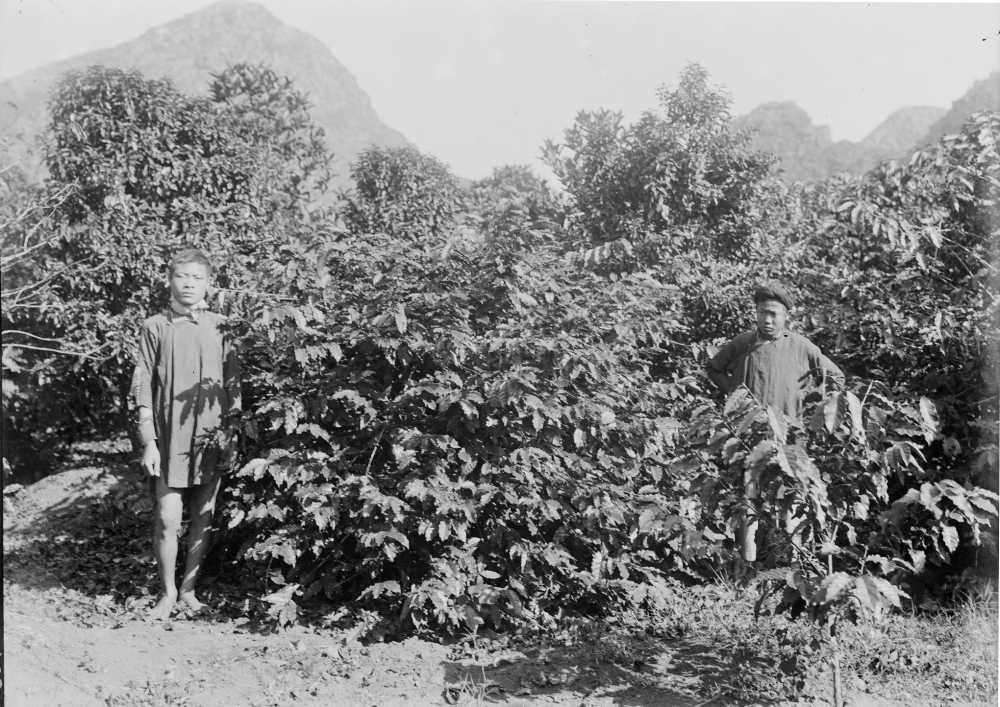
Coffee was first introduced to Indonesia in 1696 when the Governor of Malabar gifted Arabica coffee seedlings to the Dutch Governor in Batavia (now Jakarta). However, the first batch of seedlings was destroyed by floods. It wasn’t until 1699 that coffee was reintroduced, and harvesting began in 1701, marking the official start of coffee cultivation in Indonesia. Over time, the Lintong region in Sumatra gradually became a major source of Mandheling coffee.
As for the origin of the name "Mandheling," there’s actually an interesting misunderstanding behind it. The term originally referred to an ethnic group in the Lintong area of Aceh, Sumatra—but that region doesn’t grow coffee. It’s said that during the colonial period, a Japanese soldier tasted an exceptionally good cup of coffee and asked the local rubber department (i.e., PWN Company) to help find more of the same. PWN staff collected samples from multiple regions, one of which received high praise. When asked for the name of the coffee, to avoid revealing the actual origin, they responded with the name of the nearby Mandailing region, mistakenly rendered as "MANDHELING"—which later became the widely known "Mandheling."
As a traditional coffee-growing region with a long history, each area in Indonesia has its own unique flavor profile. Mandheling from Lintong, located in the mountainous region of central-northern Sumatra near Lake Toba, is one of the classic representatives of Indonesian Mandheling coffee. Its most distinctive feature is the use of the "wet-hulling process," which results in low acidity, high body, and unique earthy and herbal notes.
Indonesia’s year-round hot and humid climate—especially in Sumatra, where humidity often stays between 70% and 90%, with limited sunlight—makes traditional sun-drying or washed processing difficult. Even when choosing washed processing, growers often face challenges of not having seven consecutive sunny days, leading to incomplete drying. As a result, the wet-hulling method was developed locally: first, the traditional washed method is used to remove the pulp and mucilage, then the parchment-covered beans are sun-dried for one to two days to reduce moisture content to 30%–50%. After that, the parchment is removed, and the beans continue sun-drying until fully dry. This method significantly shortens the drying time and also shapes Mandheling’s characteristic firm body and rich aromas.
It’s worth noting that because the parchment is removed while the beans are not yet fully hardened during wet-hulling—and due to high-temperature sun-drying—the beans are prone to cracking during drying, forming marks similar to "goat hooves." This is a normal phenomenon, not a defect. This external characteristic is also one of the identifying features of Lintong Mandheling.
For coffee enthusiasts who enjoy pour-over brewing, Lintong Mandheling is usually dark roasted. It’s recommended to use a Kono filter to enhance the full body. If a Kono is unavailable, a V60 filter can be used as an alternative. Use 15 grams of coffee grounds and let the beans degas for 4 to 7 days to fully develop their flavors. The grind size should be slightly coarser than that for light roasts, with about 70% passing through a #20 sieve. Too fine a grind can lead to burnt or bitter notes, while too coarse a grind may result in weak flavors.
The water temperature is recommended to be controlled at 87–88°C. Too high can bring out burnt and bitter off-flavors, while too low may result in flat flavors. The coffee-to-water ratio is recommended at 1:15, balancing richness and layered expression, avoiding over-concentration or poor aftertaste. If you prefer a stronger taste, you can adjust the ratio slightly, but be mindful of flavor balance.
For the pour-over method, a three-stage pouring technique is suggested: first, pour 30 ml of hot water for the bloom to help release gases and initiate extraction; second, pour 100 ml, during which you’ll see golden crema forming on the surface; finally, gently pour another 95 ml in the center to enhance sweetness and body, making the caramel, chocolate, and nutty aftertaste more pronounced.
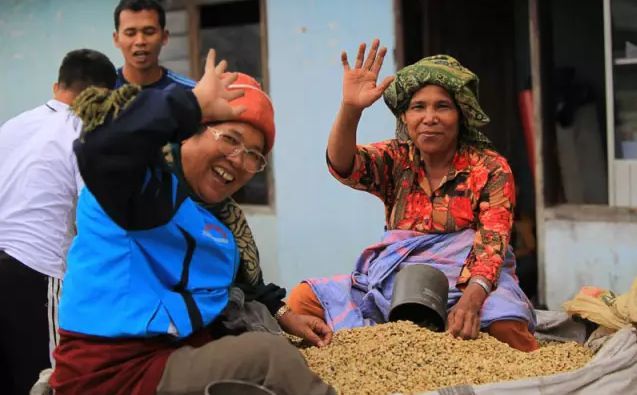
In summary, Mandheling coffee from the Lintong region, with its unique wet-hulling process and geographical environment, showcases a flavor profile of low acidity, full body, and rich complexity. Whether you’re a beginner exploring Indonesian coffee or an enthusiast looking to refine your pour-over skills, mastering these parameters and understanding the processing background will allow you to more fully appreciate the unique charm of this classic bean.
The above content is compiled by CoffeeHunters, a coffee news website.


