







Introduction:An in-depth analysis of the historical origins, key varieties, and distinctive flavor profiles of Yunnan’s four major coffee-growing regions—Pu’er, Dehong, Lincang, and Baoshan—along with a tested and effective three-stage pour over brewing method. From high-altitude growing environments to washed processing techniques, and the revival of the Typica variety, this guide comprehensively breaks down the critical steps that take Yunnan’s small-grain coffee from field to cup. It will help you master professional-level brewing parameters and flavor identification skills.
In recent years, Yunnan coffee has gradually emerged in the international specialty market, and the unique regional characteristics and varietal stories behind it are worth exploring in depth. This article systematically outlines the cultivation context of Yunnan’s four core regions, focusing on the altitude conditions, varietal evolution, and processing technologies across Pu’er, Dehong, Lincang, and Baoshan. It also documents the entire process of a certain coffee brand cultivating the Typica variety in Lincang. In addition, it details the advantages of the washed processing method for Yunnan’s dominant Catimor variety, and provides brewing parameters—including tested and verified powder-to-water ratios and staged pouring schemes—to help coffee enthusiasts precisely capture the essence of brewing Yunnan’s small-grain coffee based on origin characteristics.
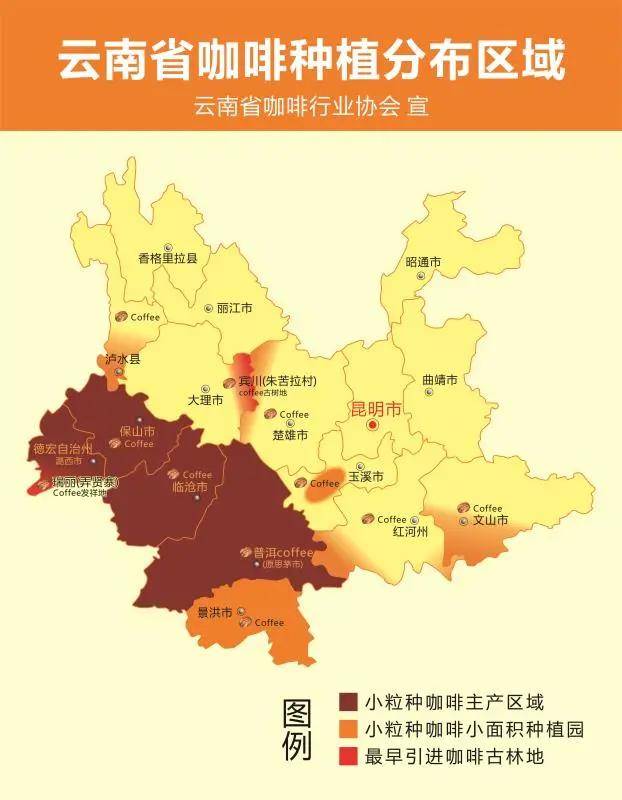
As one of the few regions in China that falls within the global coffee belt (between 25 degrees north and south latitude), Pu’er boasts microclimatic conditions similar to those of Colombia. The area generally ranges in elevation from 1,000 to 2,000 meters, and its mountainous terrain creates significant day-night temperature variations. Coupled with fertile red soil and abundant sunlight, these factors provide an ideal growing environment for Arabica varieties. The resulting Yunnan small-grain coffee is known for its balanced acidity-to-sweetness ratio and full body. In recent years, the popularity of Pu’er coffee has been further boosted by the movie "Coffee or Tea?", making it a focal point of consumer interest.
Tracing the history of coffee cultivation in Yunnan, Dehong Prefecture can be considered the earliest pioneer. Since the introduction of Burmese small-grain coffee in 1914, after more than a hundred years of development, it has now become an industrial hub with 275,800 acres of planted area. Among them, 140,000 acres have entered their peak production period, yielding 28,000 tons of dried beans annually and generating an agricultural output value of 616 million yuan. Notably, 30,000 acres of high-altitude tea gardens above 1,600 meters adopt organic cultivation methods, combined with the quality assurance of the “Dehong Coffee” geographical indication, resulting in distinctive beans that feature both floral-fruit aromas and citrus notes. This region is also the main raw material base for Hougu Coffee, the only national-level leading enterprise in China’s coffee industry.
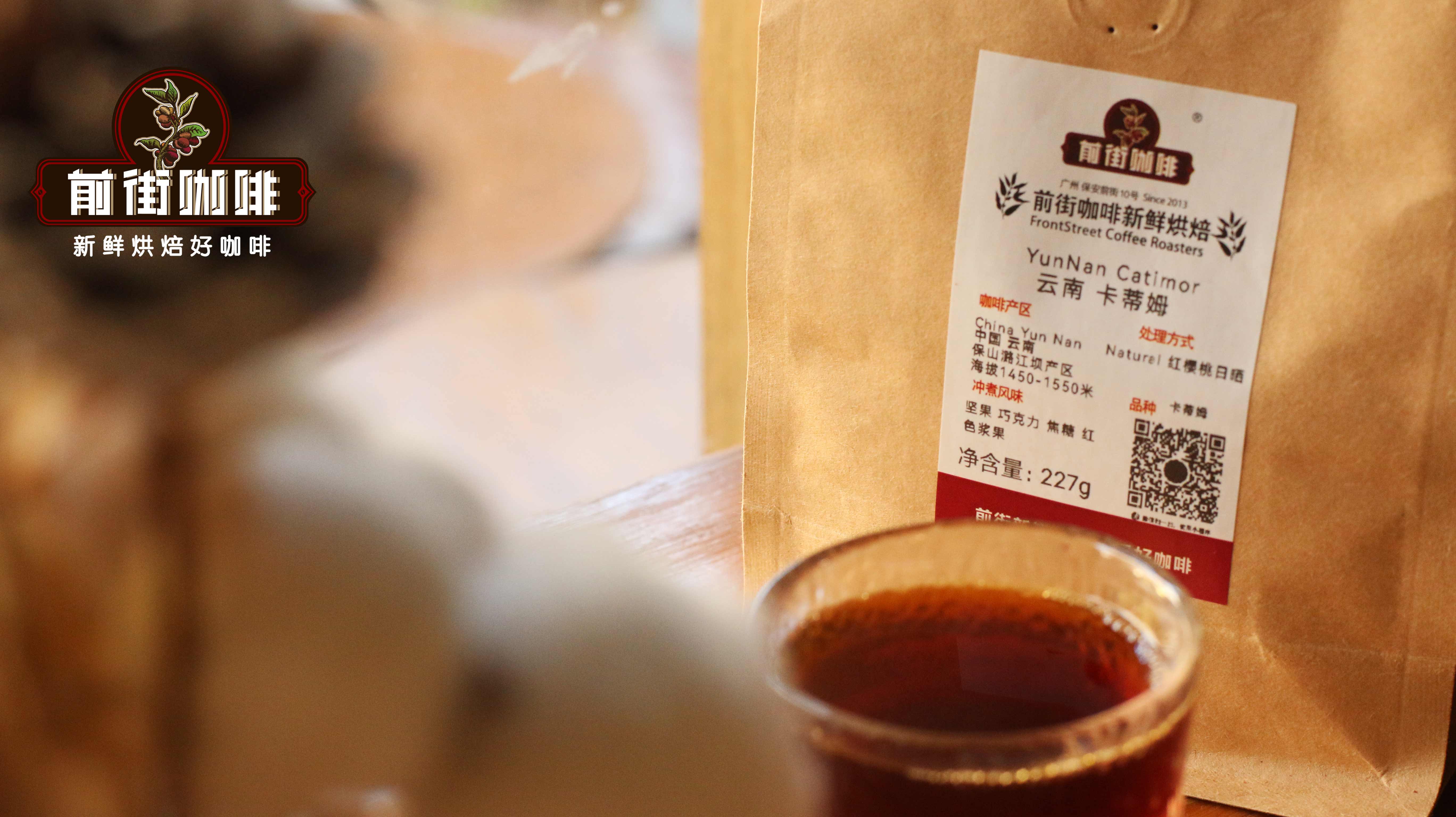
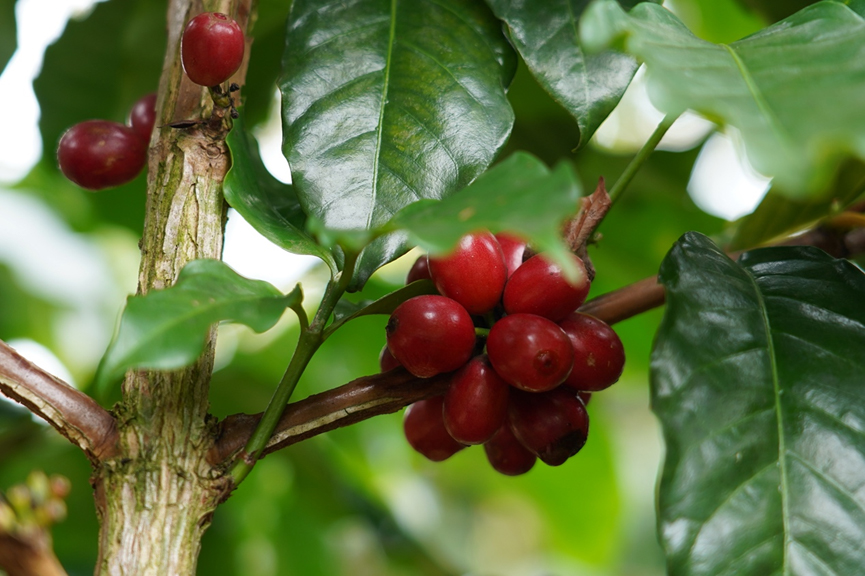
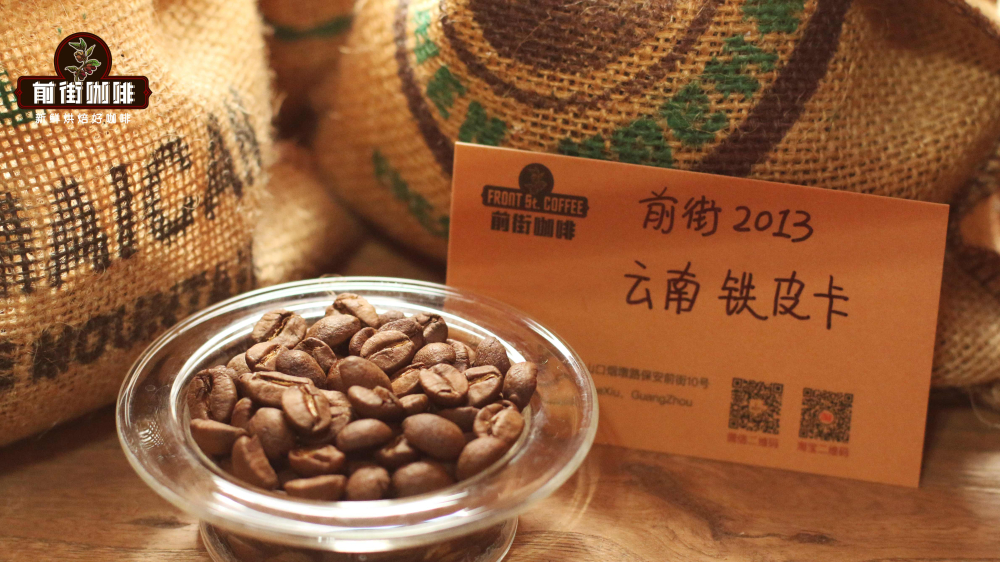
The rise of the Lincang region is due to its unique microclimate and forward-looking seedling cultivation planning. The area has established a total of 300 acres of seedling centers in Gengma’s Mengding Town and Xingfu Farm, which have now expanded to 96 nursery gardens, supplying enough seedlings annually to cover the planting needs of 203,000 acres. A particular coffee brand’s Typica revival project initiated in 2013 is especially emblematic—this ancient variety, introduced to Asia in the 19th century, first bore fruit in 2018 after five years of cultivation, and its harvest increased to 600 kilograms by the 2021/22 season. Roasted to a medium level, these beans exhibit a complex flavor profile of plum, brown sugar, and nuts, making them particularly suitable for pour over enthusiasts who prefer fruity notes.
Baoshan’s Ludian Dam carries Yunnan coffee’s international acclaim. The Bourbon variety, introduced by overseas Chinese in the 1950s, was cultivated in the valley at an altitude of 1,300 meters, producing high-quality small-grain beans that once earned a Grade 1 rating in London evaluations. After being designated a “National Geographical Indication Product” in 2010, the local planting structure, dominated by Catimor (accounting for 99% of the province’s production), highlights its practicality: this hybrid variety, which incorporates disease-resistant genes from Robusta, when paired with washed processing, can effectively highlight bright lemon acidity and a wine-like aftertaste, making it a popular base choice for many baristas crafting blends.
Regarding common questions about varietal selection, there are clear economic drivers in practice. Although Typica and Bourbon offer more elegant flavor profiles, Typica is susceptible to leaf rust and yields only about 800 kg per hectare. In contrast, Catimor not only has strong disease resistance but also consistently produces 1,200–1,500 kg per hectare. Moreover, most coffee farms in Yunnan are located in steeply sloped areas, where the cost of hand-picking only ripe cherries is high. However, through pruning management to improve ripening uniformity, overall profitability can actually be enhanced.
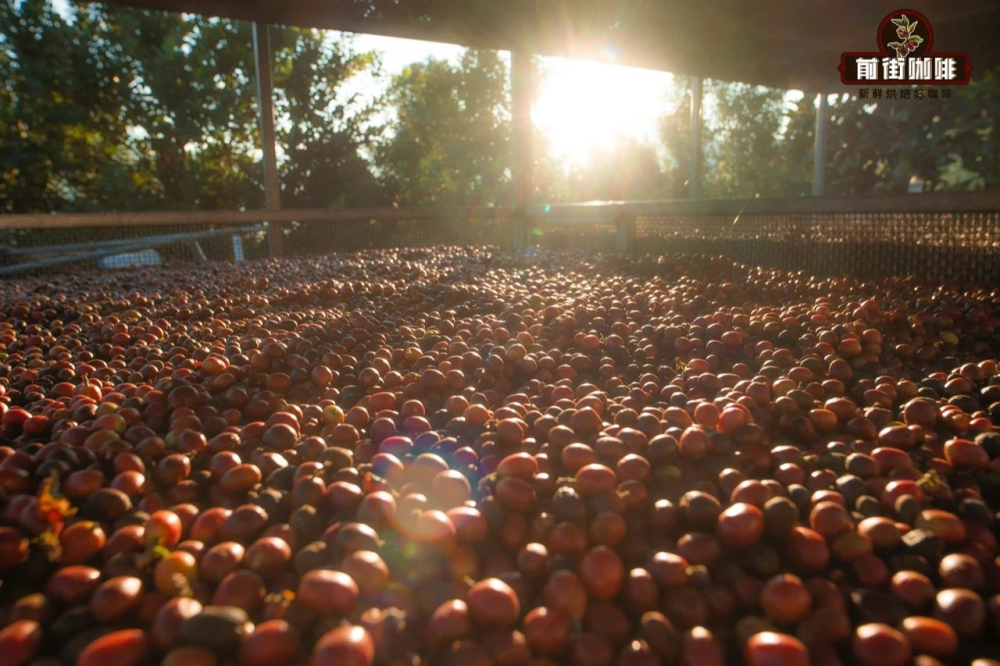
The choice of processing method is also constrained by environmental conditions. With annual rainfall exceeding 1,000 mm and uneven distribution, sun drying makes it difficult to control fermentation levels. In contrast, the washed method, through controlled temperature fermentation (usually maintained at 20–22°C) over 18–24 hours, can effectively reduce microbial interference, resulting in a cleaner fruit acidity profile. The typical process includes: flotation to remove floaters → pulping machine to separate the pulp → fermentation tank to remove mucilage → water rinsing → sun drying until moisture content reaches 11–12%. While this method sacrifices some body, it preserves clearer berry notes and sucrose sweetness.
For Yunnan’s mainstream medium-to-light roasted beans, the following tested and effective pour over method is recommended: Use 15 grams of coffee, start with a 30-second bloom by pouring 30 grams of 93°C water (first stage) to activate enzyme release; second stage involves pouring water in a circular motion with an φ8mm stream to reach 124 grams (total time about 1 minute 10 seconds) to promote even bean expansion; third stage continues pouring to 227 grams (total brew time 2 minutes), while maintaining bed thickness to avoid over-extraction. This three-stage parameter set is especially suited to the delicate acidity commonly found in Yunnan washed beans, balancing the layered evolution of plum, brown sugar, and nutty notes.
In terms of actual drinking experience, high-quality Yunnan small-grain coffee first delivers fresh citrus and bergamot aromas, transitions mid-palate into caramel sweetness and the richness of roasted almonds, and finishes with a lingering dark chocolate aftertaste. When the brewing water temperature is controlled at 90–92°C, the acidity is softer; increasing to 94°C can enhance the fruit aroma’s intensity. It is worth noting that a medium-fine grind (similar to white sugar granules) is recommended—too coarse may lead to under-extraction, while too fine may cause over-extraction and bitterness.
As international specialty coffee organizations (such as SCA) increase their focus on Asian producing regions, Yunnan has attracted several international brands, including Starbucks, to establish direct sourcing bases. From the successful revival of the Typica variety to the advancement of washed processing techniques, this plateau land is writing a new chapter in China’s specialty coffee story with its unique geographical endowments. Understanding the terroir and varietal characteristics of each region will help consumers more accurately choose beans that suit their personal taste preferences, and fully showcase the diverse potential of Yunnan coffee during the brewing process.
The above content is compiled by CoffeeHunters, a coffee news website.


