







Introduction:The French press is often seen as the simplest brewing tool, but it can actually reveal a nearly professional cupping-level full flavor profile, unlocking a rich mouthfeel and captivating layers of aroma. This article will start from the extraction principles, delve into the operational details of the French press, and help you understand which coffee beans are best suited for this immersion brewing method. It also provides key parameters such as coffee-to-water ratio, water temperature, grind size, and steeping time to help you consistently brew smooth, sweet, bold, and full-bodied coffee.
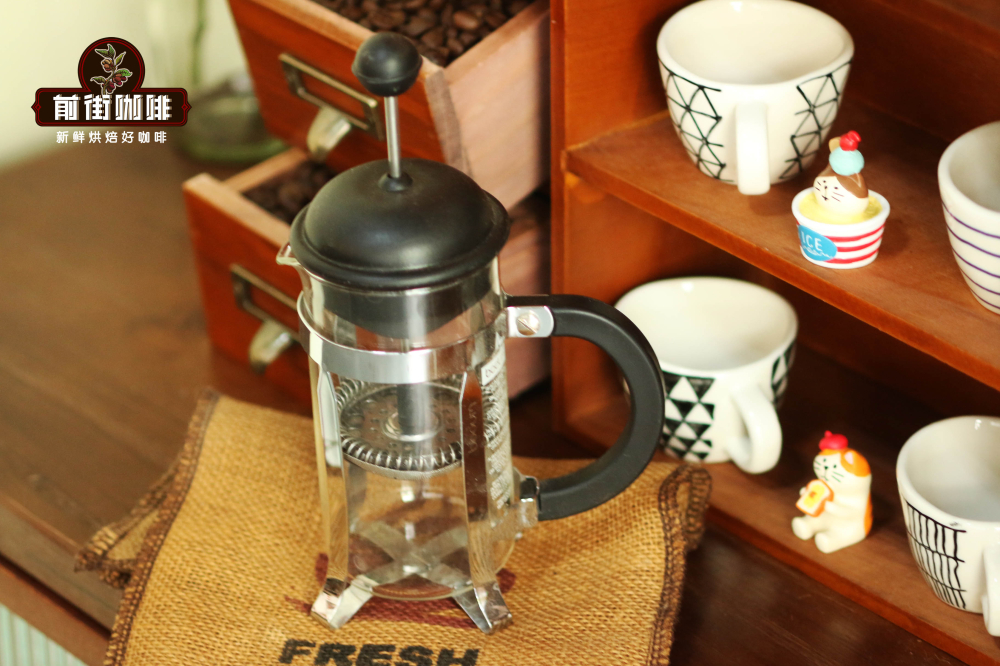
The French press (French Press) is considered one of the most intuitive coffee brewing tools, but it can actually deliver flavor performance close to that of professional cupping, fully releasing the oils, aromas, and rich textures of coffee. This article will approach from an extraction logic perspective, guiding you through the steps and key points of using the French press, and analyzing which types of coffee beans are most suitable for this immersion brewing method. The article will also provide specific recommendations and practical parameters for key variables such as grind size, water temperature, coffee-to-water ratio, and steeping time, helping beginners avoid common mistakes and brew a balanced, bold, and satisfying cup of coffee.
Among the many coffee brewing tools—whether pour over, siphon pot, or French press—each has its unique charm and suitable scenarios. Pour over emphasizes precision and ritual, the siphon pot brings an experimental kind of fun, while the charm of the French press lies in its simplicity and directness, yet it still retains the full flavor characteristics of coffee. In fact, the brewing method of the French press is very similar to the immersion method used in cupping, capable of fully showcasing the coffee’s oils, aromas, and body, making it especially suitable as a daily morning pick-me-up.
To brew a great cup of coffee with a French press, you must first start with selecting the beans.It is recommended to choose freshly roasted coffee beans, ideally roasted within seven days and consumed within thirty daysto achieve the best flavor performance. In addition,using freshly ground coffee beans is particularly importantbecause once coffee is ground, its aroma quickly dissipates. Even if some shops offer grinding services, it is still advisable to grind your beans as close to brewing as possible to retain the maximum amount of aromatic compounds.
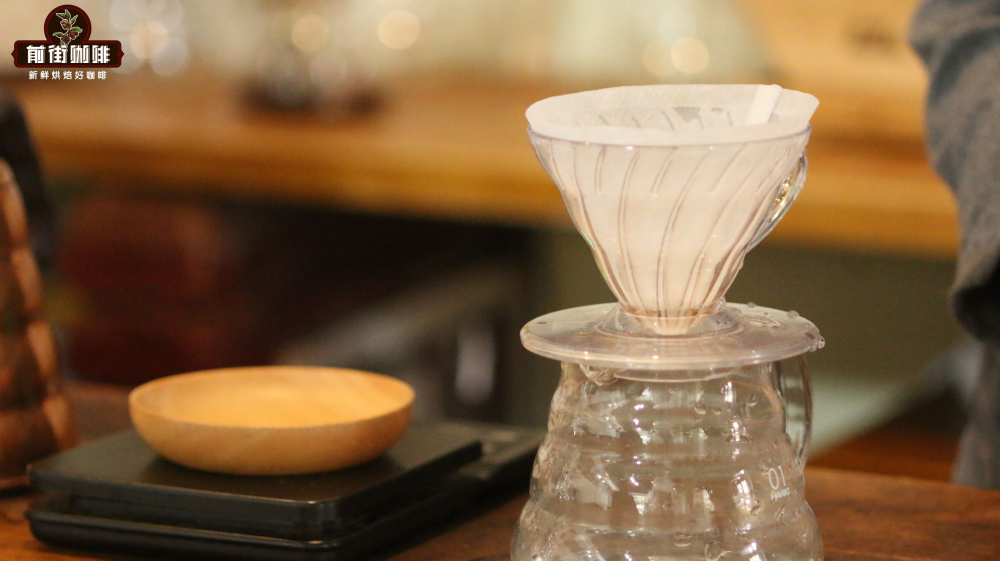
When designing a brewing recipe, it is suggested to start with acoffee-to-water ratio of 1:10— for brewing two servings, for example, use about 20 grams of coffee beans with 200 grams of water, then adjust the ratio according to personal taste. At the same time, having an electronic scale on hand is wise, since coffee beans vary in density and weight depending on origin, altitude, and roast level. Using a scale helps accurately control the ratio and facilitates reproducing ideal results in the future.
Water quality is also one of the key factors affecting coffee flavor.It is recommended to use fresh, clean, and soft filtered water, and to avoid using overly hard or unfiltered water sources, as they may interfere with the original aroma and layered profile of the coffee.
During actual brewing, start by grinding the coffee beans to a medium-coarse level,slightly coarser than typical pour over but not too coarseto ensure even extraction. The ideal grind size is roughly between 70% to 75% passing through a Chinese standard No. 20 sieve—this granularity helps prevent over-extraction or under-extraction. It’s important to note thatthe uniformity of coffee particle size is crucial; if there is too much variation in size, fine particles will release flavor compounds too early, while coarse particles remain under-extracted, negatively affecting the overall taste.
Next, control the water temperature at around88°C, and pour hot water according to a coffee-to-water ratio of 1:10 to 1:13. Then gently stir with a spoon to evenly integrate the coffee grounds and water. Stirring helps improve extraction efficiency and leads to more consistent coffee flavors.
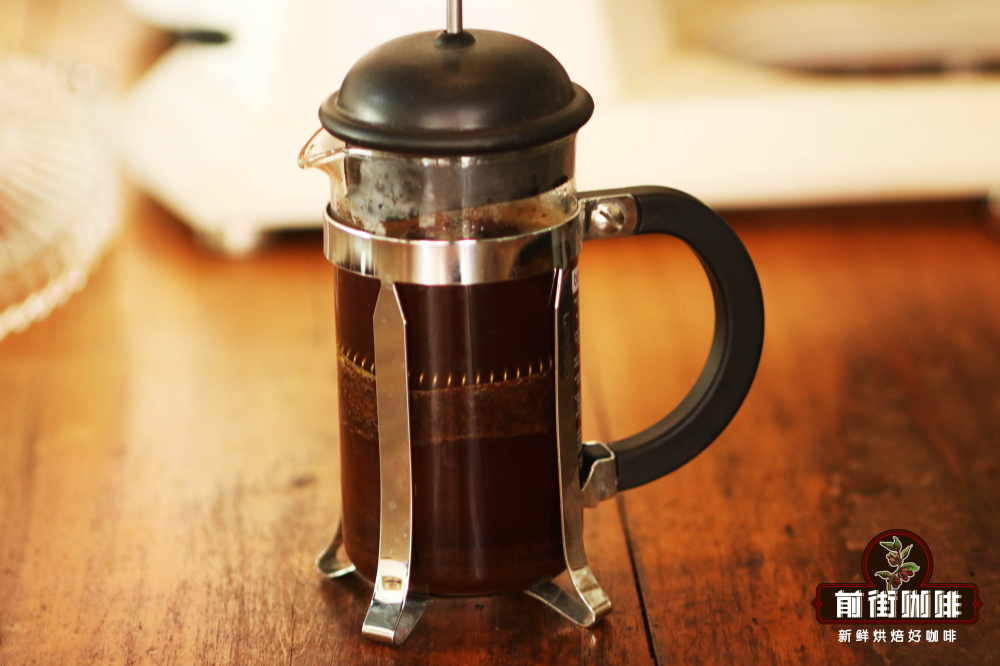
After completing the pouring and stirring, it is recommended to keep the French press plunger at the top position,and let it steep for about 4 minutesto allow the coffee grounds to fully immerse. This period is a crucial phase affecting the final flavor—the longer it steeps, the more compounds are extracted, resulting in a richer flavor, though it can also lead to over-extracted bitterness.
Before pressing the plunger down, you can open the lid and use a spoon to remove any floating coffee grounds or foam on the surface, which helps reduce impurities in the final coffee liquid. Then slowly and steadily press the plunger all the way down, maintaining even pressure throughout to avoid excessive force that could lead to over-extraction.
Once brewing is complete, it is recommended to immediately pour the coffee into an insulated container to prevent over-steeping, which can make the flavor overly intense or develop off-notes. Then pour it into your cup and enjoy the richness and aroma brought by the French press.
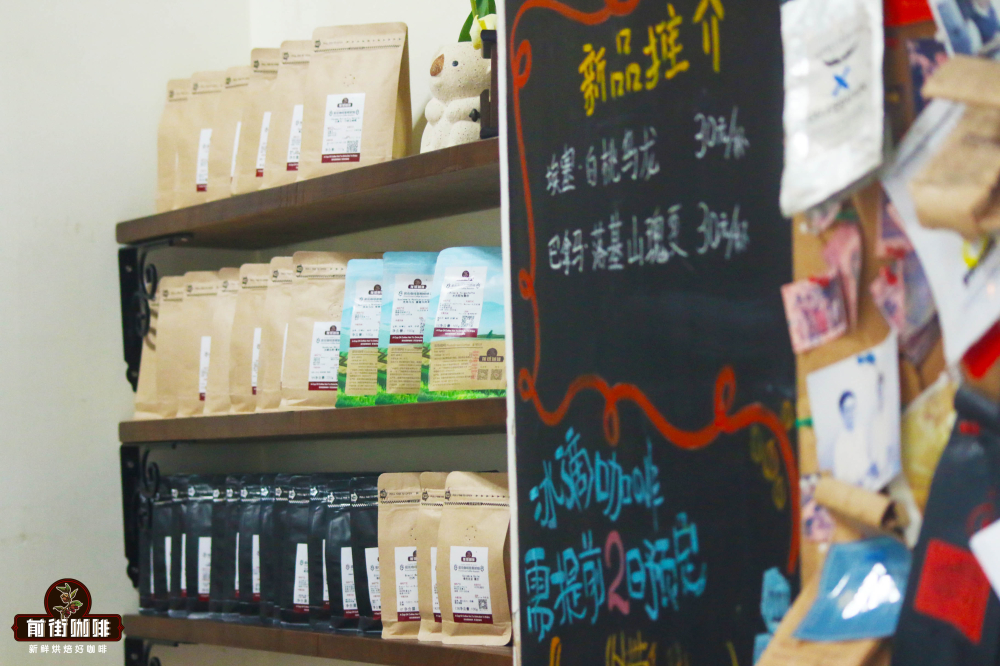
So, which coffee beans are best suited for the French press? Generally speaking,medium to dark roast or dark roast beans, such as Indonesian Golden Mandheling, Brazilian Queen Estate, or beans with nutty and dark chocolate profiles, are very well-suited for this brewing method. These beans typically have a more balanced flavor, which complements the immersion characteristics of the French press, delivering a bold and smooth mouthfeel.
If a bean has overly complex flavor layers or high acidity and brightness, the French press’s immersion extraction may not fully showcase its subtle nuances. Therefore, it’s better to choose beans with a clear flavor focus and rich body to more easily achieve satisfying results.
One of the biggest advantages of the French press is its low barrier to entry, making it very beginner-friendly. As long as you master the steeping time and grind size, you can consistently brew coffee with distinct flavors. However, it’s worth noting that due to the metal filter not being able to completely trap fine particles, a small amount of coffee sediment in French press coffee is normal and does not affect the overall drinking experience.
In addition, compared to pour over, French press coffee usually has a richer body and oiliness, resulting in a fuller mouthfeel—this is also one of the reasons many coffee enthusiasts love this tool. By continuously adjusting grind size, water temperature, and steeping time, you’ll be able to find the French press coffee recipe that suits your taste best.
The above content is compiled by CoffeeHunters, a coffee news website.


