







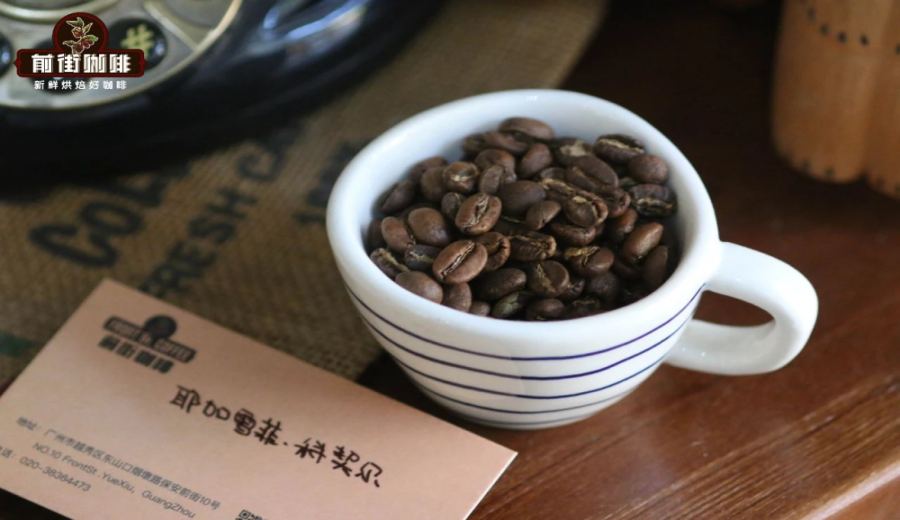
Introduction:G1 washed beans from the Kore processing station in Kochere town, Yirgacheffe, Ethiopia, deliver bright lemon, honey, and berry notes through high-altitude heirloom varieties and washed processing. This article provides a comprehensive analysis of the growing region, processing methods, and cupping profile of this popular pour over bean, along with brewing recommendations to help you better appreciate its charm.
Yirgacheffe, a key coffee-producing region in Ethiopia’s southern Gedeo zone, is renowned for its distinctive floral and citrus notes as well as refined acidity. Among its notable micro-regions, Kochere has gained increasing recognition in the international specialty coffee market in recent years. The featured coffee in this article is the G1 grade washed beans from the Kore processing station in this area. Grown at high altitudes and processed using traditional washed methods, these beans boast vibrant and lively citrus, honey, and berry layers, making them a classic choice among many pour over enthusiasts.
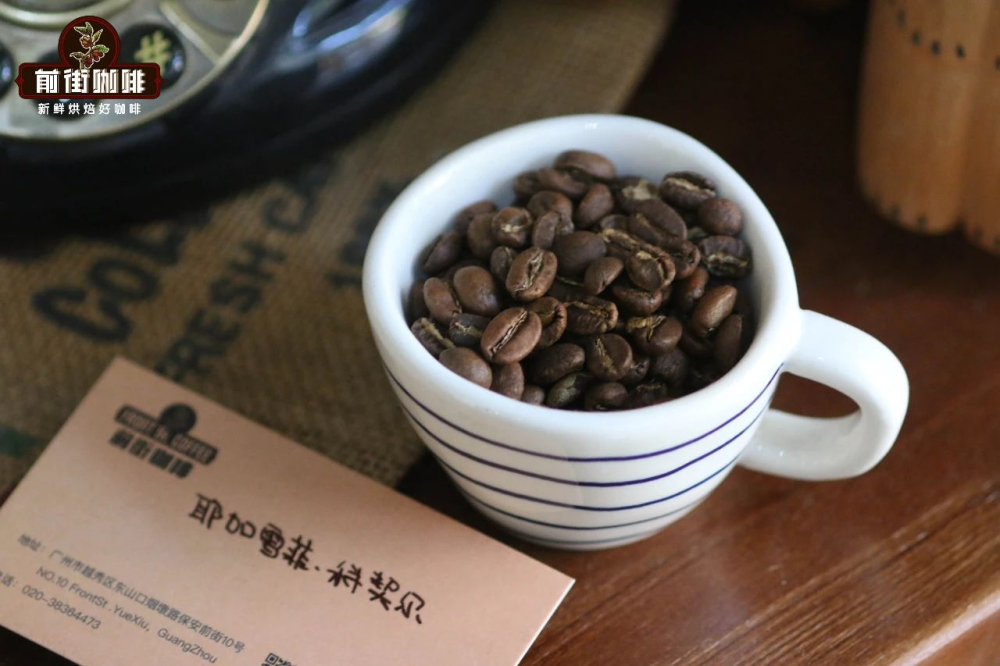
This coffee is named “Ethiopia Washed Yirgacheffe Kochere Kore Processing Station G1,” grown at elevations of approximately 1,800 to 2,000 meters. It comes from one of the few Ethiopian regions where smallholder farmers remain the primary producers. The coffee varietals are mainly local heirloom types, with a small portion of Typica. Carefully cultivated on gentle high-altitude slopes, the beans naturally possess a dense structure and rich flavor potential. The main harvest season runs from October to February each year, with only fully ripe red cherries selected to ensure consistent flavor and stable quality.
In terms of processing, the Kore processing station adheres strictly to Ethiopia’s traditional washed method with rigorous quality control. First, harvested red cherries undergo initial screening to remove unripe fruits and impurities, then either manually or mechanically depulped to leave mucilage-covered seeds. These mucilage-covered beans are then placed in water tanks for fermentation, typically lasting between 12 to 36 hours depending on temperature and humidity. After fermentation, the beans are thoroughly washed with clean water to remove residual mucilage. Finally, the parchment-covered beans are evenly spread on drying beds and sun-dried, with regular turning to ensure even drying until the moisture content is reduced to the ideal range of 11% to 12%, after which they are stored and prepared for export.
This meticulous washed processing results in G1 grade beans from the Kore processing station with exceptional cleanliness and bright acidity. During cupping, pronounced citrus acidity—such as lemon and grapefruit—is often detected, complemented by delicate floral notes like jasmine and white flowers, as well as sweet layers of honey and berries. The overall mouthfeel is refreshing and vibrant, with a finish that lingers with fruity sweetness and floral aftertaste, leaving a memorable impression.
In terms of flavor profile, this coffee exhibits very typical Yirgacheffe characteristics: it opens with bright lemon acidity, followed by fresh floral notes and honey sweetness in the mid-palate, then introduces berry fruitiness, and finishes with lingering citrus and floral notes. This flavor combination not only makes it enjoyable as a standalone drink but also highlights subtle differences in pour over brewing techniques.
For pour over enthusiasts, it is recommended to use a medium-light roast for this bean, with a coffee-to-water ratio of 1:15 to 1:16 and a medium-fine grind size (similar to fine sugar). Use immersion-style brewers such as the V60 or Kalita Wave, with water temperature controlled between 90°C and 92°C. The first pour can start with a 30–40 gram bloom, followed by a 30-second rest, then proceed with multiple pours. The total extraction time is best kept within 2 to 2 minutes and 30 seconds. This approach better highlights its bright acidity and complex aromatic layers.
It is worth mentioning that the reason coffee from the Kochere region has received high praise in the international market is not only due to its favorable geographical environment and high-altitude cultivation conditions, but also thanks to the gradually improving processing facilities and smallholder farmer cooperative models in the area. Around 700 smallholder farms participate in the supply chain of the Kore processing station. They collectively deliver their harvested coffee cherries to the station, where centralized processing and quality control significantly enhance overall quality and market competitiveness. The beans produced by this station have also earned high scores in international cupping competitions, including a prestigious Coffee Review score of 94, proving the outstanding performance of its flavor profile.
In summary, these G1 washed beans from the Kore processing station in Kochere town, Yirgacheffe, Ethiopia, not only inherit the classic floral and citrus notes of the Yirgacheffe region but also showcase exceptional cleanliness, bright acidity, and rich fruity aromas through refined washed processing and high-altitude cultivation. Whether as a daily pour over bean or an introductory choice for exploring Ethiopian coffee flavors, it is a premium product well worth trying.
The above content is compiled by CoffeeHunters, a coffee news website.


