








Introduction:Pour over coffee often highlights the flavors of a single origin, but what if we introduce the concept of espresso blends? Can that create a unique experience? This article, themed around autumn, details the development process of a pour over blend combining Yunnan Typica, Yirgacheffe, and Gesha Village Natural beans — from bean selection logic, roast curve adjustments, to multiple rounds of cupping optimization. It provides a reference formula and extraction parameters, taking you on an exploration of the potential and flavor expression of blends in pour over brewing.
Pour over coffee has always emphasized showcasing the terroir characteristics of a single origin, while espresso blends are typically designed for espresso. The two seem to have little overlap. But what if, inspired by autumn, we try blending beans from different origins? Through a real development case, this article fully analyzes the creation of a pour over blend that combines Yunnan Typica, Yirgacheffe, and Gesha Village Natural beans. It covers everything from bean selection strategy, the choice between green blending and roasted blending, to fine-tuning roast curves, and optimizing proportions through multiple rounds of cupping. Not only does it share a practical formula, but also key parameters and flavor notes, opening up new ideas for coffee enthusiasts exploring pour over blends.

As autumn turns to winter, temperatures gradually drop, and coffee lovers’ palates often lean toward warm and mellow flavors. Continuing the concept of our previous “Espresso Sunshine Blend,” this time we set out to develop a roast blend suitable for both autumn and pour over brewing. The target flavor profile is defined as: clean and clear structure, smooth mouthfeel, layered acidity, and a medium-to-high sweetness in the aftertaste.
Many people think blends are only for espresso — not so. In theory, any coffee bean can be used for pour over; the key lies in compatibility. Espresso blends usually consist of 2 to 5 types of beans (which may be roasted individually or together), aiming to complement weaknesses and pursue a rich, full-bodied overall profile. As a result, the distinct single-origin identity emphasized in single-origin beans is often sacrificed. For example, some espresso blends, when brewed as pour over, often present high body and roasted aromas due to darker roasts, but their aftertaste sweetness tends to stand out.

From our existing stock, we selected several candidate beans that could potentially be included in the blend: Yirgacheffe washed, Costa Rica SHB Caturra washed, Yirgacheffe Natural Red Cherry, 2013 Typica washed, and Gesha Village Natural Gesha. These beans all scored at specialty grade or higher in cupping. In the early stages of development, we first clarified the flavor direction for the “autumn” theme: a mouthfeel that isn’t too heavy, with mature fruit notes of the season, and a focus on sweetness.
The core idea of blending is: choose one main bean as the base, paired with 1 to 2 supporting beans to harmonize the flavors. Using too many beans can dilute the main character and lead to a messy, unbalanced profile. As the main bean, it needs to have strong versatility, high sweetness, a full body, and stable quality. After comparing data (each bean had at least 3 roast curves and cupping scores), we ultimately narrowed down from dozens of beans to the “2013 Typica.”
This Yunnan Typica has traceable sourcing, a well-balanced taste and flavor, and a long-lasting aftertaste. It’s suitable as a base for the blend, but its acidity and unique flavor notes are somewhat limited. If flavor richness is the priority, Ethiopian beans are naturally the top choice — the region is home to over 2,000 known coffee varieties, resulting in an extremely complex flavor spectrum. In subsequent tests, we tried various Ethiopian beans, including floral, berry, and citrus profiles.
The first round of pour over blend testing used a 7:3 ratio (2013 Typica : Yirgacheffe Kochere). It presented gentle citrus acidity, with chocolate notes at the end, but the sweetness was slightly weak. Through cupping analysis, we selected the washed Yirgacheffe Kochere — it shares a black tea-like finish with the Yunnan Typica, and its lemon and orange acidity can enhance complexity and brightness, adding vibrancy to the overall recipe.
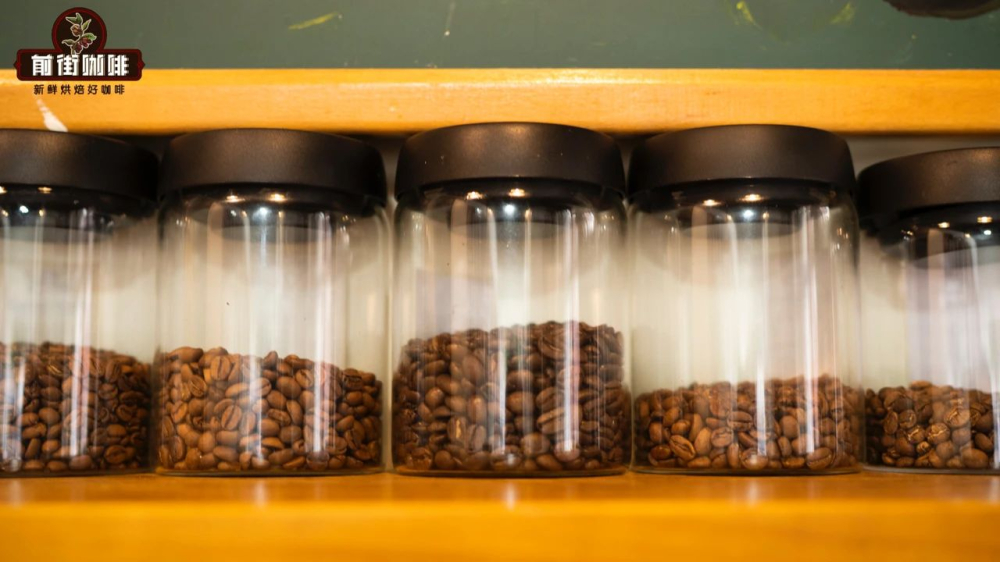
Green blending or roasted blending? If each bean is roasted to its optimal level and then mixed (i.e., roasted blending), the Yunnan beans, suited for medium-dark roasts, and the Yirgacheffe Kochere, better suited for light roasts, would likely result in over-extraction of the Yunnan and under-extraction of the Yirgacheffe during pour over, causing the flavor profile to collapse. Therefore, we ultimately chose green blending — roasting both beans together.
Both beans are washed processed, with similar moisture content. The Typica beans are softer in texture but larger in size, while the Kochere beans are harder but smaller. Blending and roasting them together helps avoid unevenness. We used a step-down roasting approach: after dehydration and homogenization, we extended the Maillard reaction time to allow both beans to develop more uniformly. The roast level was set to a middle value — removing the herbal notes and excessive acidity of the Yunnan beans in a light roast, while preserving the floral and fruity notes of the Yirgacheffe.
The first test ratio (Typica : Kochere = 6:4) yielded cupping results: good clarity, with apple-like fragrance and plum acidity, and an orange-like aftertaste, but the overall flavor felt a bit thin. We then added a third bean — Gesha Village Red Label Natural Gesha — arriving at a final ratio of Typica : Kochere : Gesha = 6:3:1. Lowering the Kochere proportion made the acidity smoother, and the 10% Gesha enhanced the fruity and floral notes, while also boosting the tea-like aroma in the later sips.
Roast parameter adjustments: extending the first crack development time to enrich the flavors, shortening the time from dehydration to first crack to preserve more reactive compounds, and slightly lowering the drop temperature to retain the floral and fruity notes of the Gesha. The final roast level was set to medium-light. The large proportion of Yunnan Typica, being roasted at medium-light, showcased prominent brown sugar, black tea, and creamy notes, resulting in a clean and sweet cup profile.
The three beans had relatively high moisture content and hardness. Though of different varieties, their particle size differences were not significant, which did not substantially increase roasting difficulty. After multiple pour over tests, this green-blended bean met expectations: gentle and dynamic acidity upon entry, naturally transitioning sweetness and acidity in the mid-palate, and a long-lasting aftertaste. The aroma profile was layered, including notes of green vegetation, black tea, cocoa, caramel, jackfruit, orange, and nuts. The overall mouthfeel was clean and transparent, with medium body and a delicate, bubble-like texture.
Why do many espresso blends require multiple beans? In the past, due to inconsistent quality in espresso coffee, blending high-quality beans with lower-quality ones helped reduce costs while retaining most of the advantages of Arabica. Nowadays, with overall improvements in bean quality, espresso blends focus more on balance and consistency — for example, combining high-quality Brazilian beans with African or Central/South American beans, akin to specialty blends. Some recipes even include Robusta to enhance crema and body. Another reason for blending is to maintain flavor stability, as the same variety can vary in flavor under different growing conditions. Blending effectively reduces such variability.
In summary, blends are not only suitable for espresso but also worth exploring in the pour over realm. Tasting single-origin coffee is about experiencing a specific terroir, while seeking balance and rich flavors through blending has become a new endeavor for more and more coffee enthusiasts.
The above content is compiled by CoffeeHunters, a coffee news website.


