







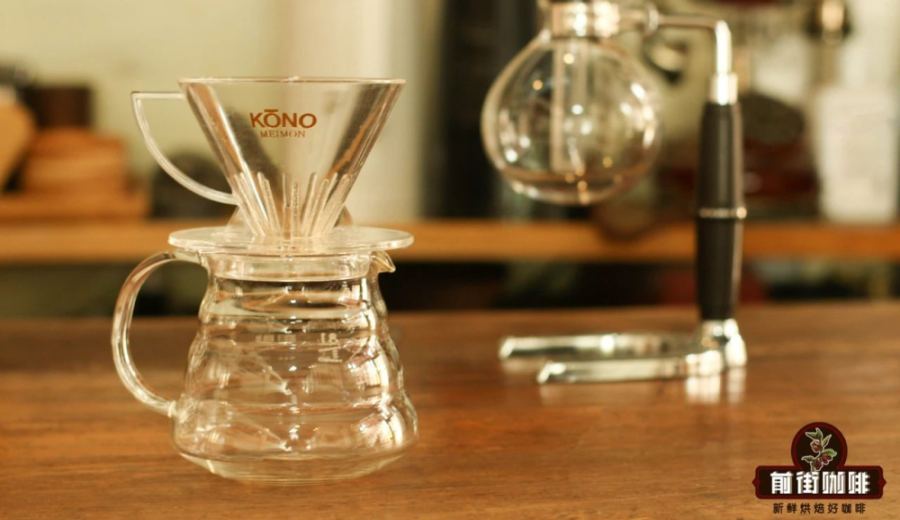
Introduction:As a historically rich brewing tool, the siphon pot offers a unique coffee experience distinct from pour over, driven by its distinctive physical principles. This article takes the "Mozart" coffee beans grown at an altitude of 1,950 meters at the Finca Carnet in Costa Rica as an example, providing a detailed walkthrough of both stirring and immersion brewing methods, along with a comparison of their flavor profiles. From equipment mechanics to practical parameters, both beginners and advanced enthusiasts can gain useful inspiration.
The history of the siphon pot dates back to the 1830s in Europe, about seventy years earlier than modern pour over techniques. Invented by Loeff of Berlin, Germany, the first glass two-chamber siphon device was improved upon in multiple countries and introduced to Asia by the mid-20th century, where it gained global popularity in the 1950s. Its operation relies on the steam pressure generated by heating the lower chamber, which pushes hot water up into the upper chamber to mix with the coffee grounds. After removing the heat source, negative pressure draws the brewed coffee back down, completing the extraction process.
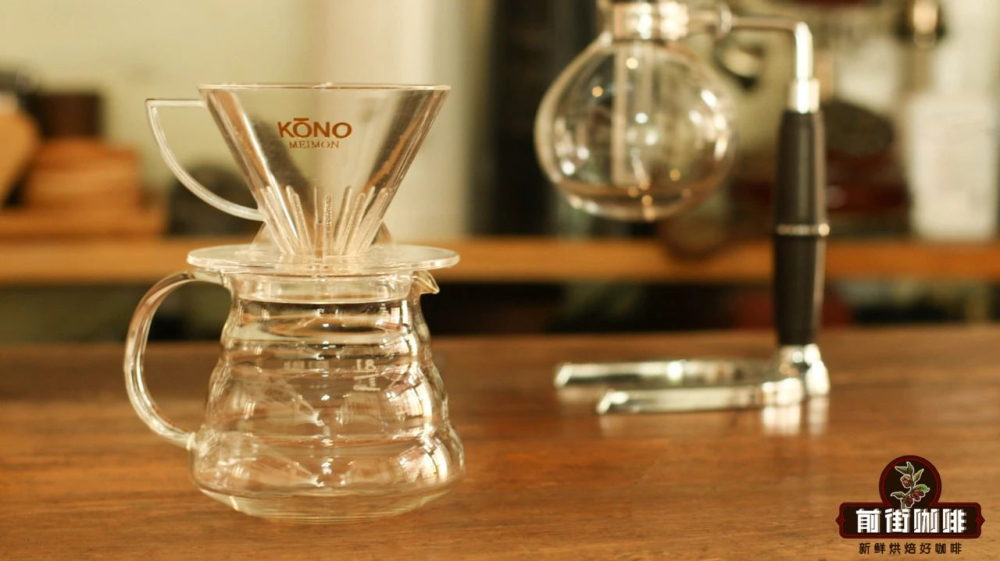
For this test, we used the “Mozart” music series beans from Finca Carnet in the Tarrazú region of Costa Rica, grown at an altitude of 1,950 meters using the Caturra and Catuaí varieties, and processed via the raisin honey method. These beans exhibit pronounced notes of raisin, osmanthus, and berries, making them ideal for observing how different brewing methods affect flavor.
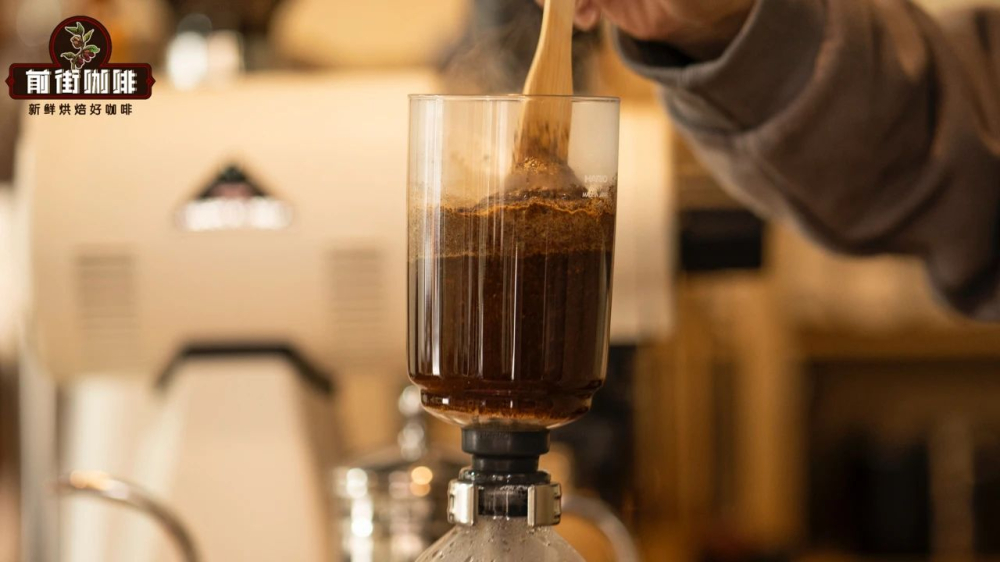
Stirring Method – Hands-on Guide
Using a coffee-to-water ratio of 1:10 (20 grams of coffee to 200 milliliters of water), with a medium-fine grind (EK43s grinder setting 9, equivalent to 85% passing rate through a No. 20 sieve in the Chinese standard), and water temperature maintained at 90°C. The steps are as follows: First, pour water into the lower chamber and heat it. Once the designated temperature is reached, assemble the upper chamber. Observe the water rise and then add the coffee grounds. The key step is performing a crisscross stir 30 seconds after the water has been added. This breaks up the coffee crust formed by the grounds and promotes even extraction. At 56 seconds, remove the heat source, with the total brew time being approximately 1 minute and 8 seconds. This method highlights a noticeable fermented wine aroma and rich berry tones. As the temperature drops, the sweetness of the raisins becomes more pronounced, resulting in a full-bodied and bold mouthfeel.
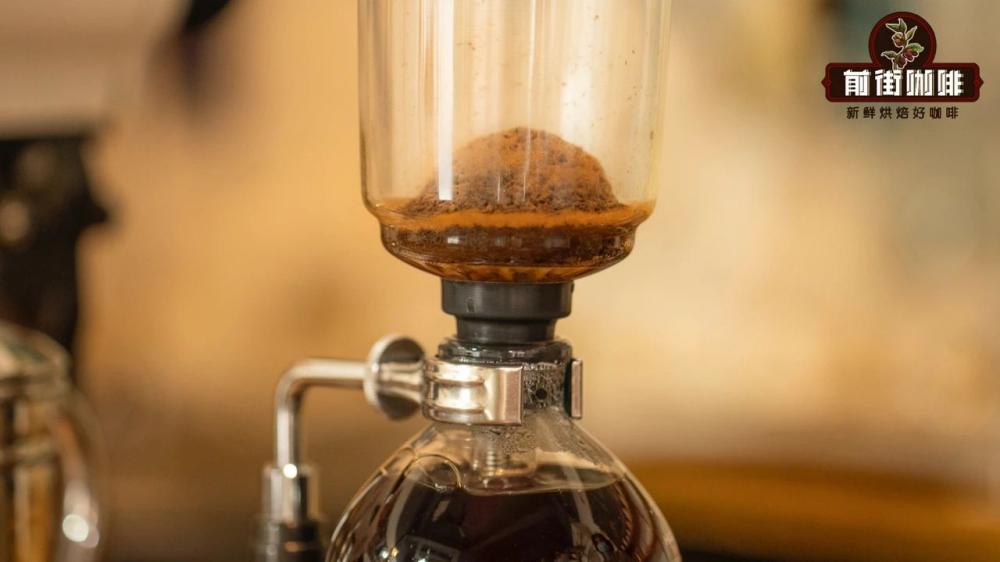
Immersion Method – Hands-on Guide
Using the same 1:10 coffee-to-water ratio and grind size, with water temperature also at 90°C. The difference lies in only performing a basic stir after adding the coffee grounds to ensure wetting, followed by letting it steep undisturbed for a full minute before removing the heat source. The total brew time extends to 1 minute and 32 seconds. This method extracts more pronounced osmanthus and berry aromas, with the berry and raisin flavors remaining clear even as the temperature drops. However, the overall mouthfeel is relatively lighter, with a thinner body.
The main differences between the two methods are:The stirring method enhances aroma layers and body,making it ideal for those who enjoy wine-like aromas and a fuller taste;the immersion method showcases a fresher floral and fruity profile,and performs steadily even as the temperature changes. Beginners should take care to maintain the water temperature within the range of 86–94°C to ensure stable extraction and reduce the risk of brewing failure.
Additionally, cleaning the siphon pot’s cloth filter is crucial. It’s recommended to wash it immediately after each use, and replace it regularly over long-term use to avoid residual oils affecting the flavor of subsequent brews. Mastering these details allows even beginners to use the siphon pot to brew high-quality coffee with balanced flavors and a full body.
The above content is compiled by CoffeeHunters, a coffee news website.


