







Introduction:PWN Golden Mandheling is a high-end representative among Indonesian Sumatran Mandheling coffees, renowned for its rich and full-bodied mouthfeel and distinct sweet notes. This article delves into its origin, the background of PWN, the wet-hulled processing method, and the G1 grading standard, while also providing professional pour over recommendations — including coffee-to-water ratio, water temperature, grind size, and three-stage extraction techniques — to help you fully appreciate this classic coffee with flavors of dark chocolate, nuts, and herbal spices.
When it comes to Mandheling, many coffee enthusiasts are no strangers to this coffee from Sumatra, Indonesia, which is known for its heavy body and unique flavor profile, often featuring layers of nuts, dark chocolate, caramel, and herbal notes. Among them, PWN Golden Mandheling is regarded as a premium representation of Mandheling, not only offering a cleaner taste but also greater clarity in flavor, making it a top choice for many pour over coffee lovers.
But do you really know the origin of the name "Mandheling"? In fact, "Mandheling" is not a place name, nor is it a variety or growing region — it actually stems from a misheard transliteration of the name of the indigenous Mandailing people of Sumatra. During World War II, a Japanese soldier tasted a uniquely flavored coffee while stationed there and mistakenly thought the shop owner was naming the coffee. Upon returning home, this misunderstanding gradually spread. By 1968, the Nomura Trading Company in Osaka, Japan, purchased a batch of Sumatran Mandheling coffee from Indonesia’s N.V. Pawani Medan company, officially introducing the name to the international market and associating "Mandheling" with the "PWN Coffee Company."
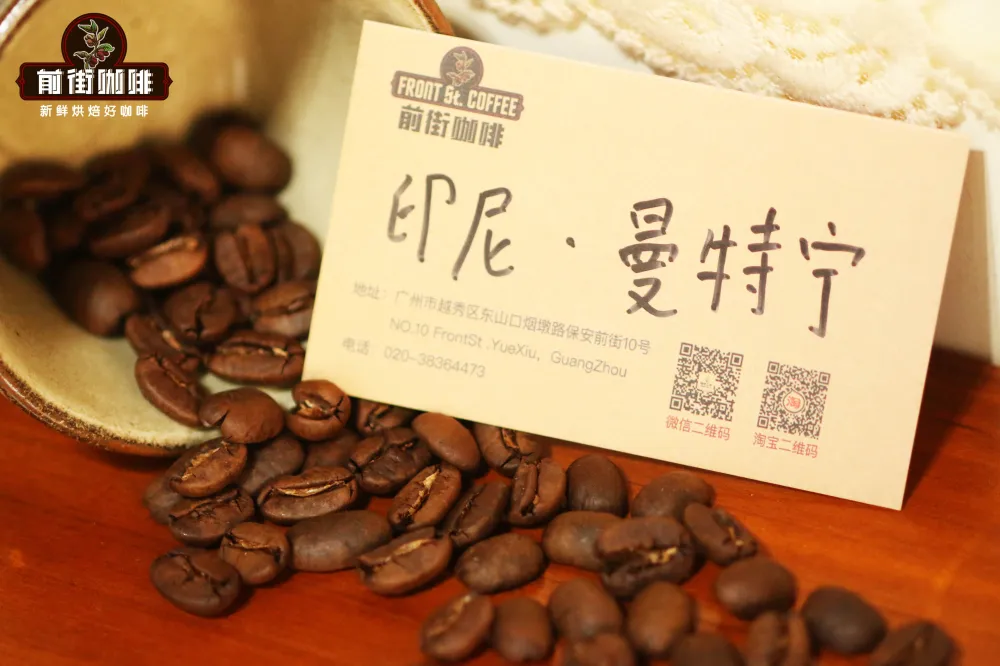
Established in 1957, PWN is Indonesia’s leading premium Mandheling green bean buyer, focusing on sourcing high-quality Arabica coffee from the high-altitude regions of North Sumatra. PWN Golden Mandheling is its meticulously selected top-tier product, with each batch of green beans undergoing multiple rounds of manual sorting to remove defective beans, keeping the defect rate extremely low to ensure the pure expression of the coffee’s flavor. In addition, PWN holds the registered trademark for "Golden Mandheling" and is the official owner of the name. Each package of coffee beans comes with a certification, and 30-kilogram jute sacks are used, each with a unique serial number corresponding to a certificate to ensure transparent and traceable sourcing.
Traditionally, Indonesian Mandheling mostly uses the "wet-hulled" processing method, a unique post-harvest technique. Unlike typical sun-drying or washed processes, the wet-hulled method involves removing the outer parchment layer before the coffee beans are fully dried, while they are still in a fermented state. Because the beans are directly exposed to a hot and humid environment during processing, improper control can easily lead to earthy or grassy flavors. However, when done correctly, it can bring out a rich and bold mouthfeel, with low acidity but clear sweetness — the very essence of Mandheling’s classic flavor profile.
In Indonesia, the grading of green coffee beans is mainly based on the ratio of defective beans and bean size, divided into six grades from G1 to G6, with G1 being the highest. G1 requires no more than 3 defective beans in a 300-gram sample, and the beans must be 18 mesh size or larger. PWN Golden Mandheling falls under the G1 grade, with plump green beans that are dark in color, stable in quality, and consistent in profile. According to cupping experiences shared by most roasters and cafés, PWN Golden Mandheling not only avoids the common off-flavors associated with traditional Mandheling, but also showcases more pronounced sweetness and cleanliness, with a more distinct flavor layering.
To fully highlight the bold characteristics of PWN Golden Mandheling, many roasters opt for a dark roast. However, dark roasted beans tend to have a looser texture and higher water absorption, and if extraction is not properly managed, they can release excessive bitter and astringent compounds. Therefore, it is recommended to use freshly roasted beans at their peak flavor period, paired with suitable equipment and parameters, to bring out its most captivating flavors.
For brewing tools, the Kono filter cone is a popular recommendation among many professional baristas, as its unique structure helps create an effective siphon effect during extraction, contributing to a richer mouthfeel. If a Kono is not available, other cones such as the V60 can be used instead, though the pouring technique may need slight adjustments. It is recommended to use 15 grams of coffee grounds with a 1:15 coffee-to-water ratio, resulting in approximately 225 grams of total water, achieving a balanced intensity and expressive flavor.
Regarding grind size, it is suggested to adjust to around 70% passing through a #20 sieve, which is slightly coarser than medium grind, to avoid over-extraction that could lead to bitterness. Water temperature should be controlled between 87–88°C; too low a temperature may result in flat flavors, while too high may produce scorched or overly bitter notes. Employing a three-stage extraction method can effectively manage the extraction pace, avoiding both over- and under-extraction.
Specifically, start by thoroughly wetting the filter cone and paper with hot water, then discard the pre-wet water. Add 15 grams of coffee grounds and perform a gentle bloom for about 30 seconds to allow the coffee to fully expand. Next, slowly pour water in a circular motion centered on the grounds up to 125 grams. Once the coffee bed has settled to about half the height of the cone, proceed with the second pour, adding water up to 225 grams in total. Finally, let the coffee fully drip through before removing the filter. This extraction method balances sweetness, body, and a clean finish.
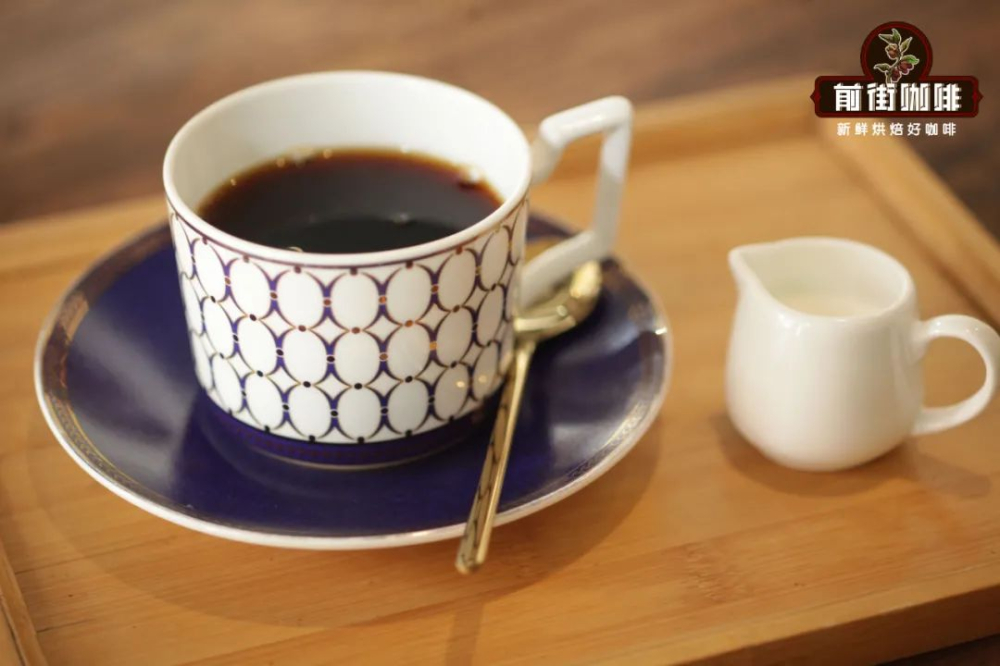
The pour over flavor profile of PWN Golden Mandheling typically includes pronounced notes of herbal spices, dark chocolate, nuts, and caramel, offering a solid and full-bodied mouthfeel with a strong sweet aftertaste. It is a classic choice not to be missed by those who enjoy deep, structured, and flavorful coffees.
The above content is compiled by CoffeeHunters, a coffee news website.


