







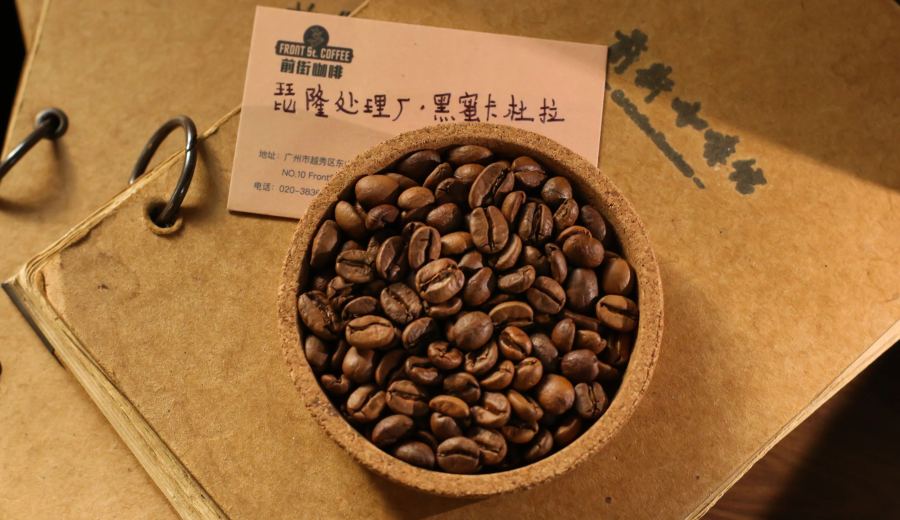
Introduction:Delve into the black honey-processed Caturra from Pilon Micromill in the Tarrazú region of Costa Rica. Explore everything from the terroir and varietal characteristics to the honey processing method, analyzing the sources of its sweetness and rich flavors. This article also provides actual cupping notes and recommended roast levels, making it ideal for coffee enthusiasts eager to learn about high-quality honey-processed beans.
Costa Rica is hailed as the birthplace of honey processing. This technique not only helps local coffees stand out in the international specialty market but also delivers a more diverse taste experience to consumers. This piece introduces a Caturra coffee from the Tarrazú region of Costa Rica, processed by Pilon Micromill using the black honey method. From regional advantages and varietal background to the processing steps and final flavor profile, we offer a comprehensive breakdown of the secrets behind its sweetness.
First, let’s look at the regional background. This coffee comes from the renowned Tarrazú region of Costa Rica, specifically produced by Pilon Micromill, operated by Edgar Urena, Efrain Mendez, and their family. Located in a volcanic zone, Tarrazú boasts fertile volcanic soils and high altitudes, complemented by dense surrounding forests that provide ample shade—creating ideal conditions for coffee cultivation.The mill is situated on the outskirts of Leon Cortez town, with coffee planted at elevations of approximately 1700 to 1800 meters.According to Costa Rica’s grading system, this altitude qualifies as Strictly Hard Bean (SHB), indicating exceptional flavor potential. In fact, a Japanese competitor used beans from this mill to win the World Brewers Cup in 2018, underscoring its outstanding quality.
The featured varietal here is Caturra. As a natural mutation of the ancient Bourbon variety, Caturra was first discovered in the 1900s in Minas Gerais, Brazil. It earned its name due to its notably shorter plant stature—in the Guaraní language, “Caturra” means “small.” This compact tree form not only facilitates dense planting and harvesting but also makes more efficient use of sunlight without requiring much shade, hence earning the nickname “sun-exposed coffee.” Additionally, Caturra is known for its stable yields and bright, clear flavors with vibrant acidity. It is widely cultivated across Central American regions and is also one of the go-to varieties for many coffee lovers just starting their specialty coffee journey.
When it comes to processing methods, honey processing is a must-mention. Originating from Brazil’s pulped natural method, its hallmark lies in retaining part of the mucilage layer. By controlling the drying process, sugars can fully ferment and permeate the beans—saving water while enhancing sweetness and flavor complexity. Depending on the amount of mucilage retained, honey processing is generally divided into white honey, yellow honey, red honey, andblack honey.Among them, black honey processing retains the most mucilage, involves the longest drying time, and delivers the most intense flavors.
During black honey processing, farmers first float the coffee cherries to remove unripe or defective beans, then use machinery to remove the outer skin and some pulp, leaving a rich layer of mucilage. Next, the mucilage-covered beans undergo a period of dry fermentation, where both fermentation time and temperature influence the final flavor. After fermentation, the beans are transferred to drying beds for extended sun exposure.Black honey processing typically requires drying for over 14 days.To prevent overly rapid moisture loss due to strong sunlight, shading is often applied to regulate light exposure, ensuring sugars are fully absorbed and transformed by the beans—ultimately yielding rich, layered sweetness and fruity aromas.
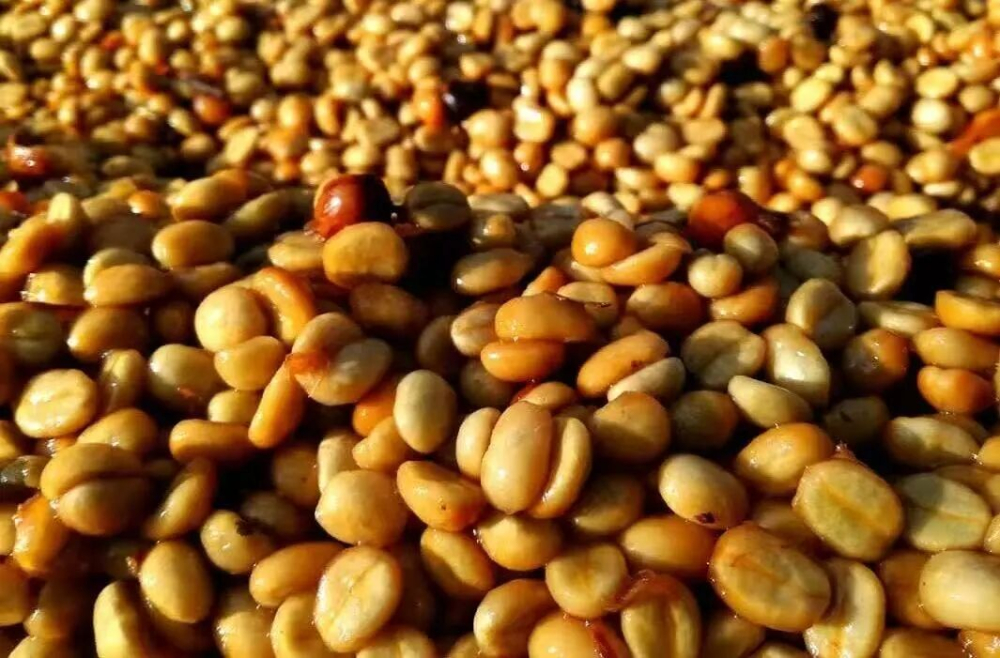
Visually, the black honey Caturra from Pilon Micromill features uneven bean color due to the high and inconsistent mucilage retention. However, a quick sniff already reveals intense fermented aromas. To highlight its flavor potential, we opted for a medium-light roast to balance acidity and sweetness, and conducted cupping immediately to capture its truest flavor expression.
In the dry aroma, this coffee exhibits pronounced berry and grape sweetness, accompanied by soft floral notes and subtle fermentation undertones, presenting a distinctly layered fragrance that builds anticipation. Upon tasting, the high-temperature phase clearly reveals sweet-tart notes of grapes, green grapes, and berries, along with delicate floral nuances and mild fermentation accents. As the cup cools, acidity softens into a gentle apricot-like character, with creamy sweetness emerging. The finish leaves a lingering fruit wine aftertaste. The overall cup is clean, well-layered, and offers a long-lasting sweet aftertaste—making it a high-quality black honey-processed coffee that excels in both sweetness and flavor complexity.
The above content is compiled by CoffeeHunters, a coffee news website.


