







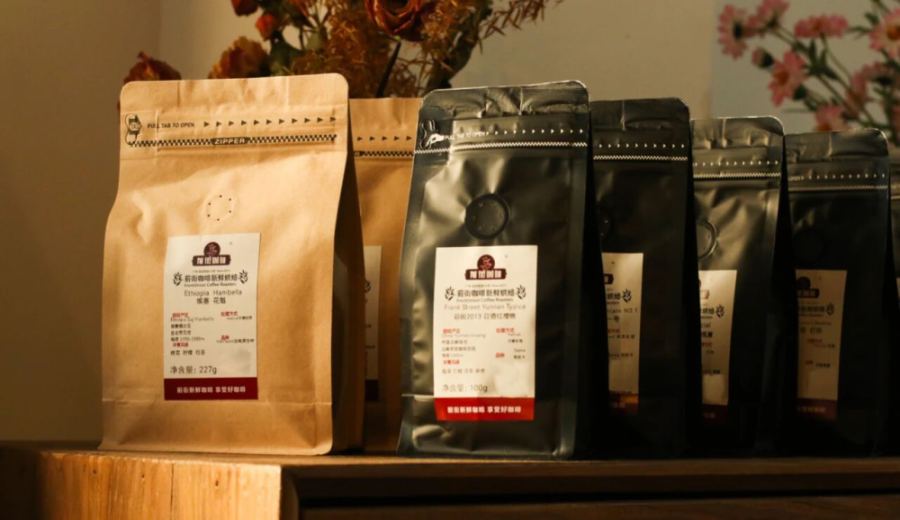
Introduction:When purchasing coffee beans, a common question is “What type of coffee is this suitable for?” If your goal is espresso, how should you choose between a blend and a single-origin bean (SOE)? This article delves into the differences between the two in terms of flavor characteristics, roasting suitability, and extraction performance, and explores whether pour-over single-origin beans can be used for espresso. Through practical regional examples such as Brazilian Yellow Bourbon, Indonesian Golden Mandheling, and Colombian Sidra, it illustrates the unique performance of various bean varieties in SOE applications, helping you select the right beans based on your flavor preferences.
When visiting a coffee shop to buy beans, the staff often ask: “What kind of coffee do you plan to make with these?” If your answer is espresso, you’ll usually then face a choice between a blend or a single-origin bean (Single Origin Espresso, abbreviated as SOE). Though both types of beans can technically be used for espresso, they actually differ significantly in flavor profile and usage scenario. This article will clarify the core differences between blends and SOEs, answer the common question of whether pour-over single-origin beans can be used for espresso, and provide concrete bean selection references through analysis of actual regional beans.
A blend refers to coffee made by combining single-origin beans from different regions in specific proportions. The purpose of this approach is to merge the strengths of each bean variety to create a more balanced and layered flavor profile. For example, if a certain bean has a smooth taste but lacks aroma, it can be paired with another bean that has a pronounced fragrance, allowing their strengths to complement each other and resulting in a more well-rounded final cup. Traditionally, espresso often uses medium-dark to dark roasted blends, as these can deliver a rich and full-bodied texture under high pressure and high temperature extraction, along with abundant crema and caramelized aromas. For everyday home use or for users seeking stable extraction, such blends are not only cost-effective but also consistently produce the sweet richness of Americano or the smooth base of a latte.
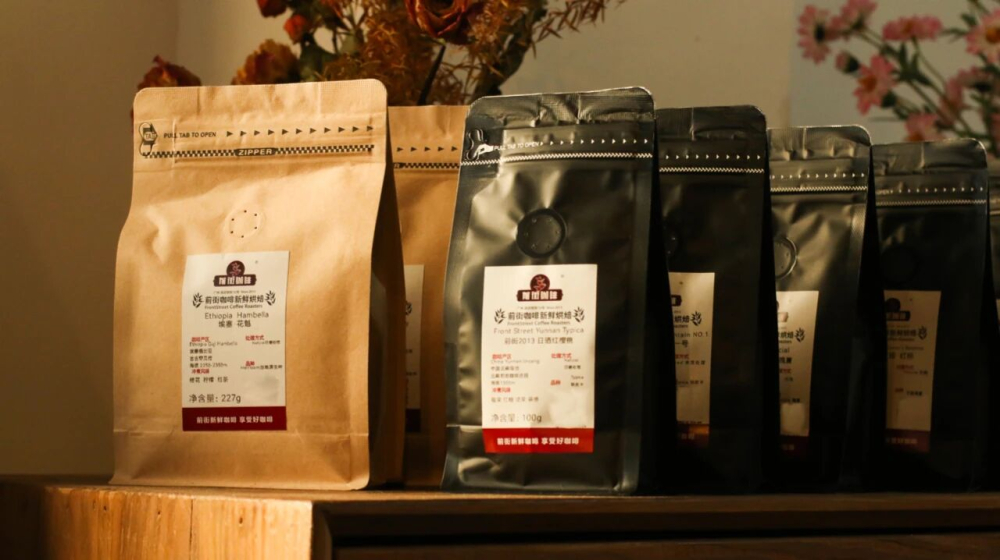
In contrast, pour-over coffee generally uses single-origin beans, emphasizing the unique flavor characteristics of a specific region. Coffee beans from different origins, due to variations in climate, soil, and processing methods, exhibit diverse flavor profiles. For instance, beans from African regions often have bright citrus acidity, appealing to consumers who enjoy a fresh taste; if you prefer floral notes, certain Ethiopian regional beans can offer delicate aromas of jasmine or citrus; and for those seeking a fruit-forward, wine-like richness, some single-origin beans from Costa Rica may be worth considering. These single-origin beans can more clearly showcase their inherent flavor traits during pour-over brewing.
The concept of SOE combines the flavor concentration of single-origin coffee with the high-pressure extraction characteristics of espresso. Making espresso from a single-origin bean allows the unique aromas and flavor notes of that origin to shine through, such as distinct nutty tones or deep cocoa layers. However, since the extraction environment of an espresso machine or moka pot involves high temperature and pressure, whether the SOE beans are dark or light roasted, precise control over roast level and grind size is essential—otherwise, issues like excessive bitterness or sharp acidity can easily arise. Therefore, selecting the right SOE bean variety becomes key to producing an ideal shot of espresso.
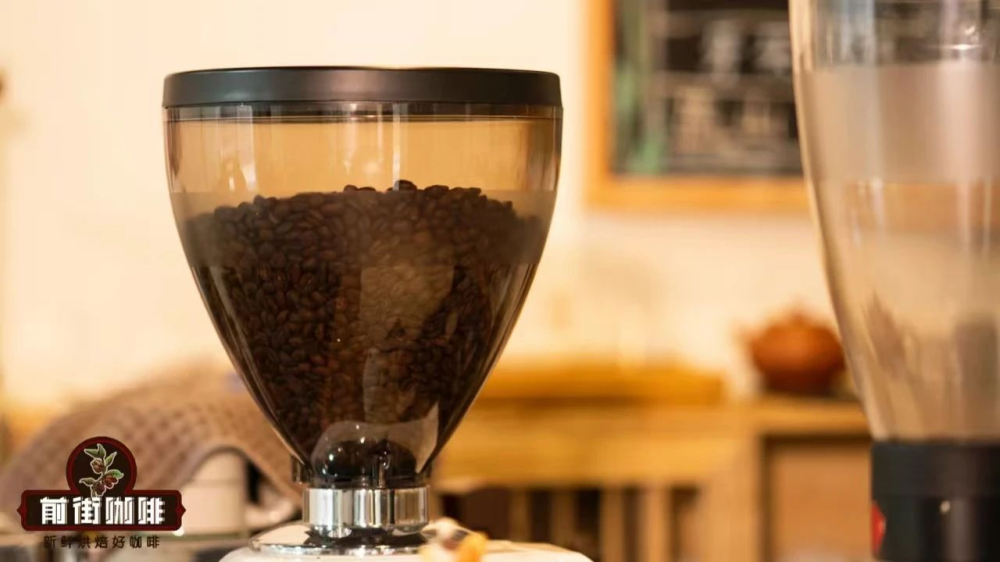
If you prefer espresso with flavors of roasted nuts and creaminess, consider choosing an SOE made from the Brazilian Yellow Bourbon variety. These beans are typically sun-dried and can exhibit rich hazelnut, peanut, and caramel aromas, along with a lasting sugarcane sweetness. Their flavor profile suits coffee lovers who enjoy a full-bodied texture and a mellow aftertaste, especially when used for Americano, where it can present a warm, cookie-like note.
For those seeking wild, spicy notes, the Indonesian Golden Mandheling SOE is a noteworthy option. This bean variety belongs to the higher-grade tier within Mandheling, having undergone multiple rounds of manual sorting to ensure plump beans and uniform color. Its flavor profile is dominated by dark chocolate, pine, and herbs, accompanied by moderate caramel and cocoa undertones, making it ideal for enthusiasts who enjoy bold and layered espresso.
If you’re drawn to bright fruit aromas, the Colombian Huila region’s Sidra SOE can meet your needs. This bean is processed using double anaerobic natural fermentation, and at a medium roast level, it fully releases vibrant flavors of passionfruit, grape, and berries, balanced with a sweet-tart note akin to apricot. When brewed as an Americano, its fruity profile becomes especially prominent, making it suitable for consumers who love fresh fruit and floral notes.
The above content is compiled by CoffeeHunters, a coffee news website.


