







Introduction:Although Hawaiian Kona coffee is grown at relatively low altitudes, it has earned a place among the world’s top-tier coffees with its delicate flavors. This article delves into its introduction history, regional development, washed processing characteristics, and the Kona bean grading system, while also providing a detailed look at the varietal traits and pour over recommendations for Queen Farm Typica beans. From resting periods to brewing parameters, it guides you through the essence of this island specialty coffee.
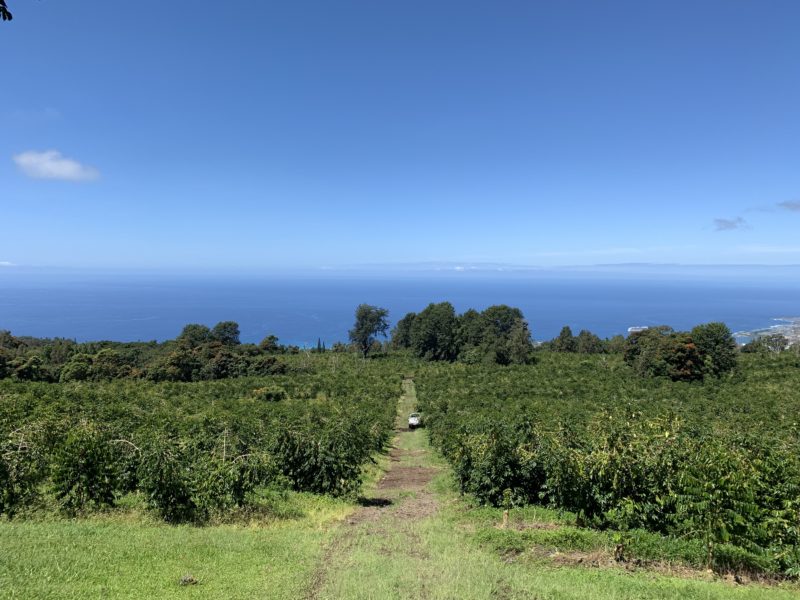
When it comes to coffee cultivated in island climates, Hawaiian Kona beans are undoubtedly a classic representative. Despite being grown at elevations of only 300 to 1100 meters—below the typical altitude threshold for specialty coffee—they have earned a reputation as one of the world’s top coffees due to their unique flavor profile. This article will explore the origin, industry evolution, and washed processing methods, delve into the grading standards of Kona beans, and focus on a certain brand’s use of Queen Farm Typica beans. It offers a comprehensive analysis of the allure of this island coffee—from varietal characteristics and altitude conditions to pour over suggestions and flavor profiles—making it perfect for coffee enthusiasts interested in origin stories and brewing techniques.
When discussing coffee grown in island environments, Hawaiian Kona beans remain an undeniable name. With plantations situated between 300 and 1100 meters above sea level, they may not seem advantageous by the generally accepted high-altitude standards of specialty coffee. Yet, this region has produced what many regard as “the world’s most perfect coffee bean.”
According to records, the Hawaiian Islands are not native to coffee. As early as 1817, the first Spanish advisor, Don Francisco de Paula Marin, introduced coffee plants to Hawaii, but initial cultivation attempts were unsuccessful. It wasn’t until 1825 when Oahu Mayor Chie Boki brought coffee seedlings from Brazil to the Manoa Valley that the foundation for coffee planting was truly established.
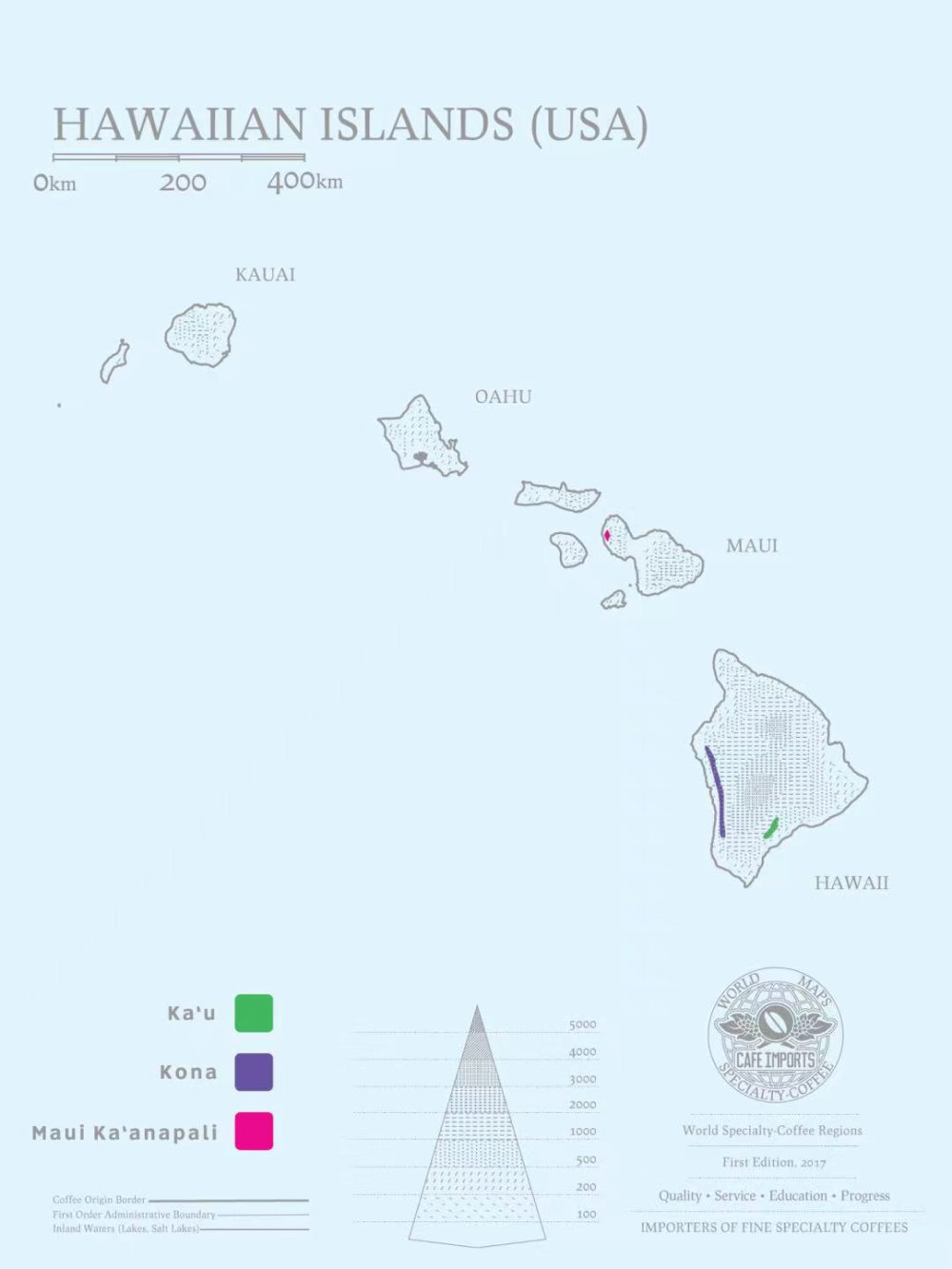
Subsequently, coffee cultivation gradually expanded to other Hawaiian islands. Currently, around 950 farms across Kauai, Oahu, Maui, Molokai, and the Big Island are engaged in coffee growing, most of which are small family-run estates. In the early days, coffee farm work was limited to men, though women later joined. The total area of these farms combined spans 7,900 acres.
In 1813, the first coffee plants were transplanted to Oahu, but at that time, sugar production yielded far greater profits than coffee and served as the main income source for farmers. It wasn’t until the late 1820s, when the Bourbon variety was introduced to the Big Island, that the first coffee-focused estates began to emerge within the following decade.
However, the development of Hawaii’s coffee industry was far from smooth. In 1858, Kauai experienced a blight that completely halted coffee production. At the same time, increasing competition from the sugar industry, along with landowners switching to more profitable sugarcane, led to the abandonment and division of many coffee farms into smaller plots. After the United States took control of the islands in 1898, protective tariffs for coffee were removed, causing the market to shrink further and prompting even more farmers to turn to sugarcane. This trend continued until the 1980s, when falling sugar prices allowed the coffee industry to gradually recover.
Currently, there are 12 coffee-growing regions across the Hawaiian Islands, with Kona being the most renowned. Due to its limited production and higher costs, Kona beans have seen a continuous rise in demand within the specialty coffee market, with prices even approaching those of Jamaican Blue Mountain. Premium Kona beans are becoming increasingly rare. Although Hawaiian coffee overall is priced higher, its full traceability by region remains a reliable assurance.
Hawaiian coffee is generally processed using the washed method, which focuses on removing the pulp layer through fermentation. After fermentation and pulp removal, residue from fermentation microbes and impurities may still remain on the bean surface, necessitating an additional washing step. This stage consumes a significant amount of water, after which the beans undergo drying and hulling.
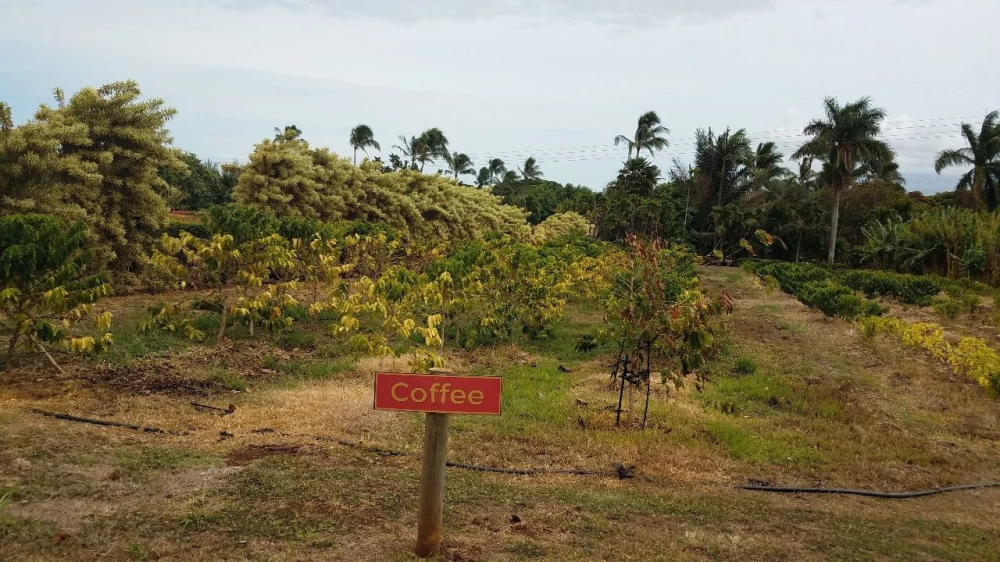
Speaking of Kona coffee, Queen Farm is a name that cannot be overlooked. A certain brand sources its Kona beans from this well-known farm. Queen Farm won second place in both the 2009 and 2011 Kona Cupping Competitions, with up to 70% of its beans rated as top-tier Extra Fancy, earning widespread recognition for its quality. Even the slightly lower-grade Specialty beans exhibit richness and aroma comparable to Extra Fancy, earning high praise from roasters.
Beyond the Kona region on the Big Island, coffee estates on Maui, Kauai, and Kauai are also gradually gaining attention. Common Hawaiian coffee varieties include Typica, Mocca, and Catuai.
Kona coffee is graded primarily by bean size, divided into two main categories: Type 1 and Type 2. A certain brand sources Type 1 standard coffee beans, which are further subdivided into five grades: Extra Fancy, Fancy, Number One, Select, and Prime. The first three grades feature jade-green beans of uniform size, among which Extra Fancy beans are the largest and least produced, requiring strict manual sorting to eliminate defects, thus regarded as the pinnacle of specialty beans.
A certain brand’s Hawaiian KONA Kona coffee beans are sourced from Queen Farm in Kona, grown at an altitude of 1100 meters, of the Typica variety, and processed via washed method. Its flavor profile weaves together layers of walnut, nut, chocolate, cream, peanut, and caramel.
Brewing tips recommended by a certain brand:
The key to pour over coffee lies in bean freshness. Freshly roasted beans can fully release their flavors, and a certain brand guarantees that the beans are roasted within 5 days of shipment. Generally, coffee beans have an optimal resting period of 4 to 7 days, during which their flavors reach their peak. However, even if the resting period is not complete, you can still try brewing to experience the changing aromas at different stages.
The recommended pour over parameters for Hawaiian Kona coffee by a certain brand are as follows:
Filter: KONO
Water temperature: 88-89°C
Coffee-to-water ratio: 1:15
Grind size: Fine sugar-like (73% passing rate through a Chinese 20-mesh standard sieve)
The brewing method uses a three-stage extraction: start with a 30-second bloom using double the coffee dose (approximately 30 grams) of water, followed by a slow circular pour to reach 125 grams for the first pour. When the water level drops and is about to expose the coffee bed, continue pouring to 225 grams to finish the extraction (timing starts at bloom), with a total brew time of approximately 2 minutes.
These Kona coffee beans are exquisitely shaped, and when brewed, emit a rich aroma of walnut and nut. The acidity is gentle, reminiscent of berries, with a pronounced sweetness akin to caramel, and a smooth, creamy mouthfeel. The cup is layered and has a long-lasting finish—truly a fine island specialty coffee worthy of careful savoring.
The above content is compiled by CoffeeHunters, a coffee news website.


