







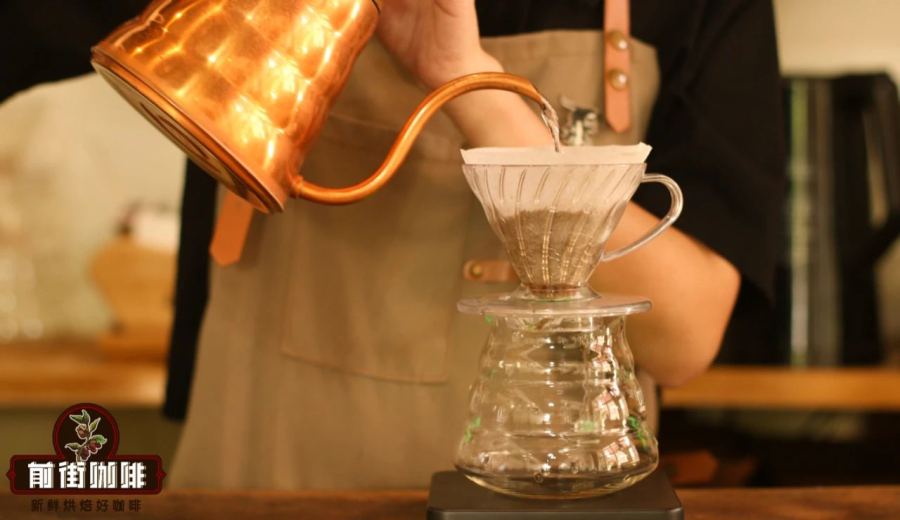
Introduction:Pour-over coffee is beloved by coffee enthusiasts worldwide for its clean and pure flavor profile, but brewing a cup with rich layers involves expertise in everything from equipment selection to brewing parameters. This article delves into the essential tools needed to make pour-over coffee, explores the differences in coffee-to-water ratios between hot and cold brew methods, and provides a clear, beginner-friendly step-by-step guide to help novices develop a systematic approach to brewing.
Pour-over coffee is a brewing method that slowly extracts flavor compounds from coffee grounds using hot water. When coffee beans are roasted at high temperatures, complex chemical reactions occur inside, releasing hundreds of aromatic compounds. The key to pour-over lies in using hot water to effectively dissolve these flavor substances through contact with the coffee grounds, while filtering out coffee grounds via paper or mesh filters, ultimately resulting in a clear, bright black coffee.
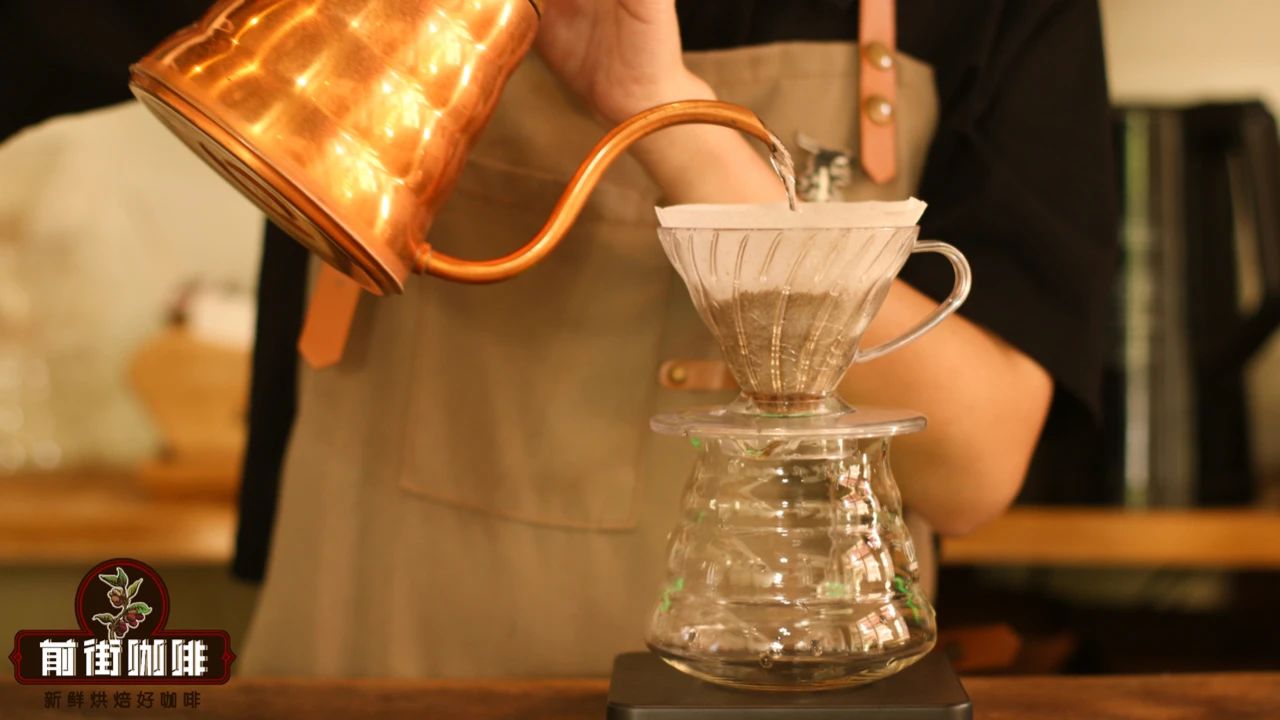
Every stage—from selecting the coffee beans, adjusting grind size, to controlling water temperature and pouring technique—can significantly influence the final flavor. Based on practical experience, to consistently brew high-quality pour-over coffee, you’ll need to prepare the following basic tools: a pour-over kettle for stable pouring, a filter cone and paper to separate coffee grounds, a server to catch the brewed coffee, a grinder for precisely grinding the beans, an electronic scale to track water volume and time, and a thermometer to monitor water temperature. These tools work together to ensure control and consistency in the brewing process.
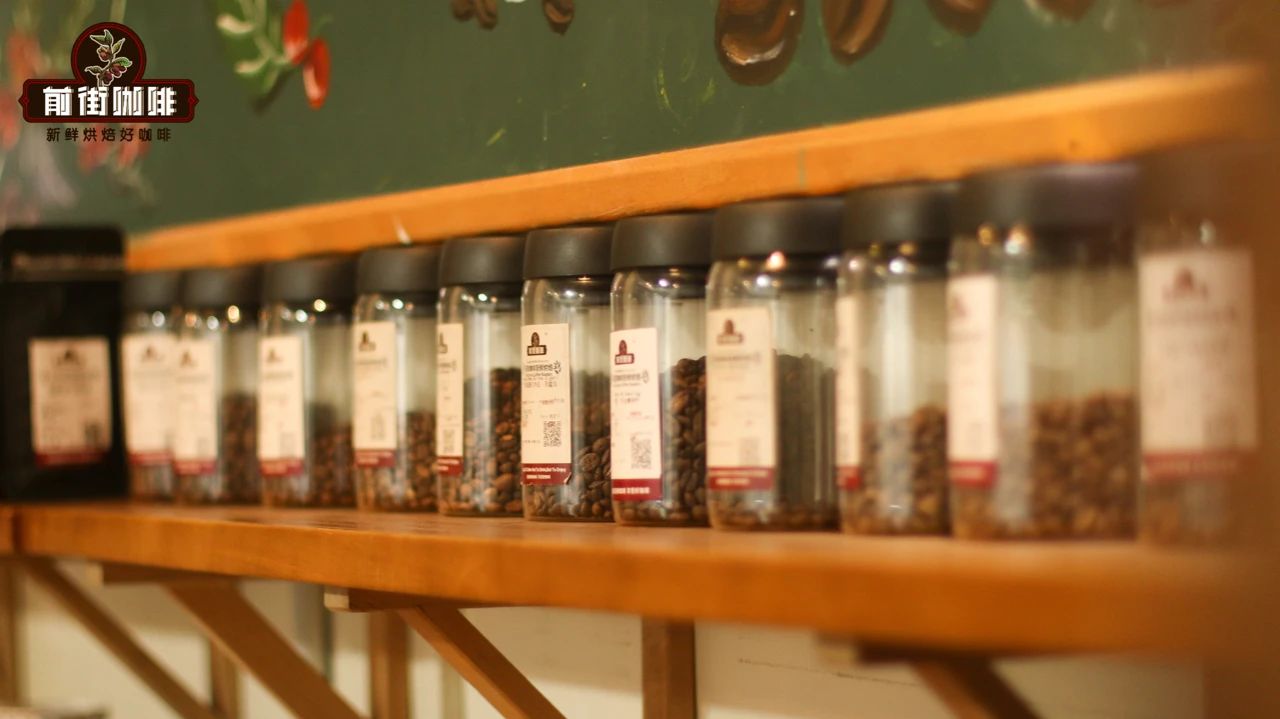
To create a well-balanced pour-over coffee, high-quality coffee beans are an indispensable foundation. It’s recommended to use freshly roasted beans within 4 to 30 days of the roast date—this is when the beans are at their peak flavor, showcasing more vibrant aromas and layered taste profiles. Take Yirgacheffe as a common example: this high-altitude coffee bean from Ethiopia is known for its pronounced citrus notes and floral characteristics. Next, we’ll go into detail about the full brewing process and key parameter settings.
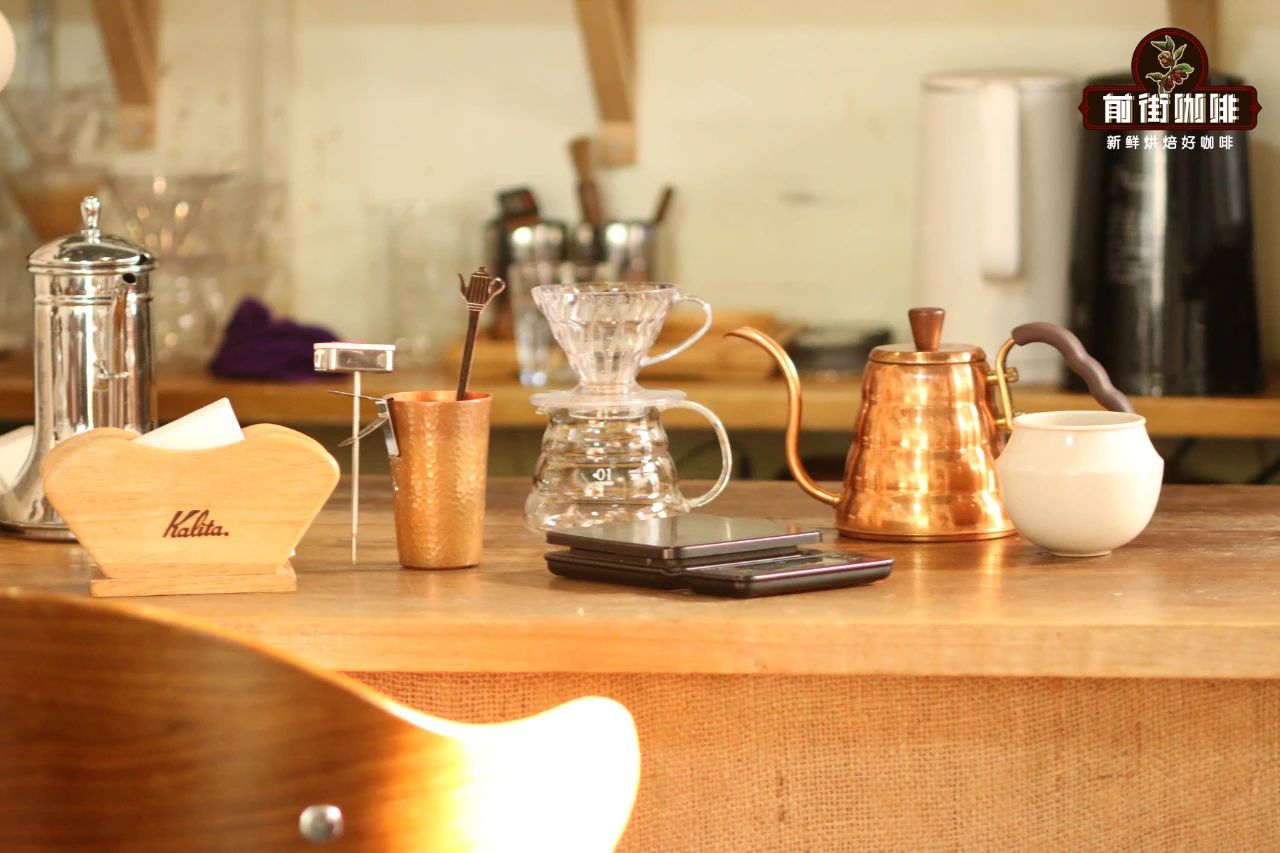
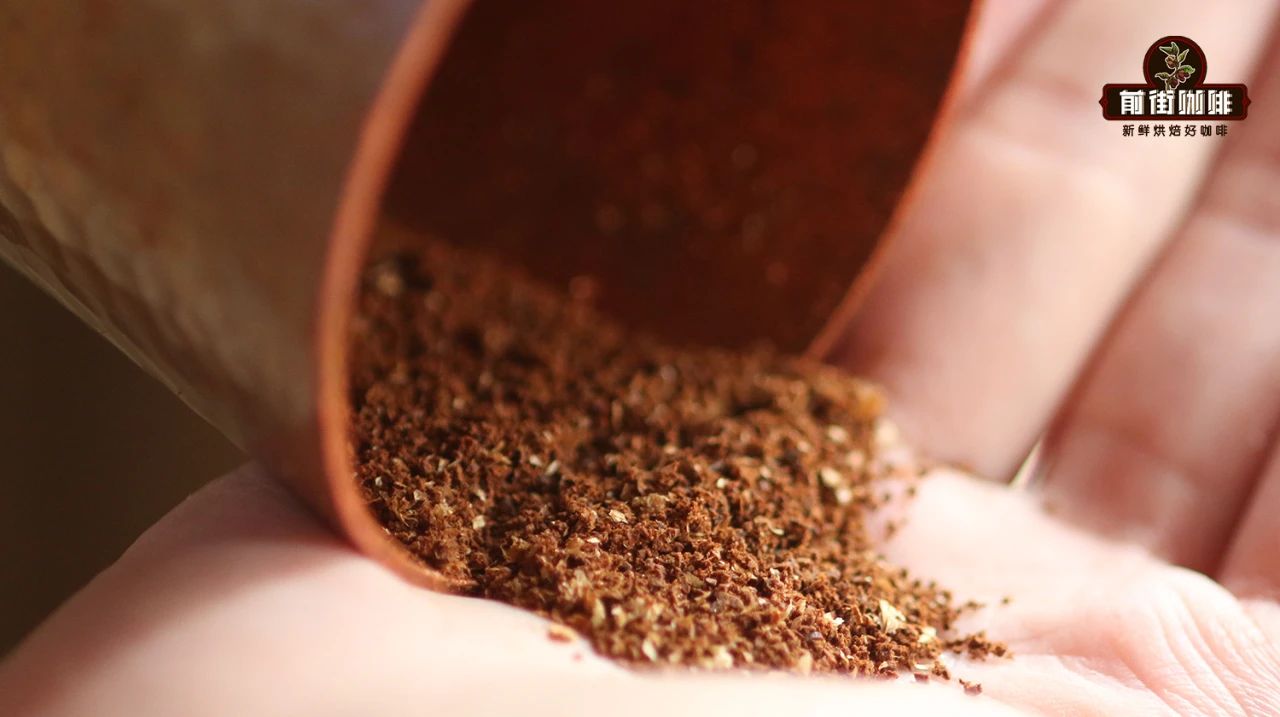
The first step in home pour-over brewing is to gather all necessary tools, including a pour-over kettle, filter cone, server, grinder, filter paper, electronic scale, and thermometer. Each tool has its role, collectively forming a stable brewing system. Among them, the choice of grinder is especially crucial. Currently, the mainstream types are manual and electric. Regardless of which you choose, the main goal is to achieve evenly ground coffee. The coarseness of the coffee grounds directly affects extraction efficiency: too coarse leads to under-extraction and a thin-tasting cup, while too fine may cause over-extraction and unpleasant bitterness.
Taking medium-to-light roasted beans like Yirgacheffe as an example, it’s recommended to adjust the grind size to 80% passing through a standard #20 sieve (0.85mm aperture). This grind specification effectively balances extraction rate and flavor expression—neither too coarse to lose flavor nor too fine to over-extract. To judge grind coarseness, you can use a professional sieve tool for measurement. For medium-to-light roasts, the ideal sieve rate is typically maintained between 75% and 80%, while for medium-to-dark roasts, adjust to 70% to 75%. In practice, you can fine-tune the grind parameters according to personal taste preferences.
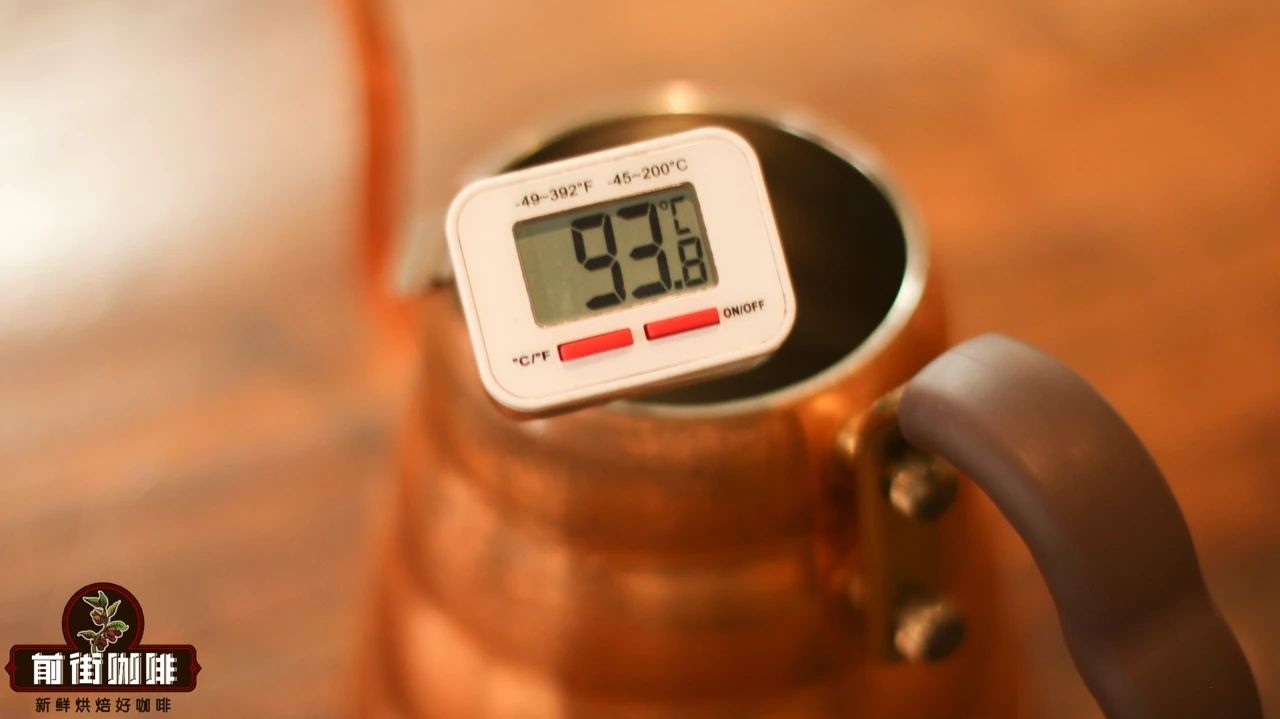
Water temperature control is another key factor affecting coffee extraction efficiency. Higher temperatures accelerate the release of flavor compounds, but water exceeding 93°C can lead to over-release of bitter tannins and other astringent components. For medium-to-light roasted Yirgacheffe, it’s recommended to use water between 91°C and 93°C to bring out its bright acidity and floral notes; for medium-to-dark roasts, lower the temperature to 87°C to 90°C to avoid burnt bitterness caused by over-extraction. It’s advised to use a precise thermometer to monitor water temperature, especially during seasons with large temperature fluctuations, when maintaining stable water temperature is even more critical.
Differences in filter cone design directly impact water flow speed and extraction uniformity. The commonly seen V60 filter cone features a conical structure, with spiral ribs and a large central outlet hole, which accelerates the descent of coffee liquid and extends contact time between water and grounds—ideal for highlighting flavors of medium-to-light roasted beans. The KONO filter cone, on the other hand, slows down water flow through its unique rib design, making it better suited for the rich mouthfeel of medium-to-dark roasts. When using them, be sure to match with the appropriate filter paper material—for instance, resin V60 cones can effectively filter impurities while maintaining smooth water flow.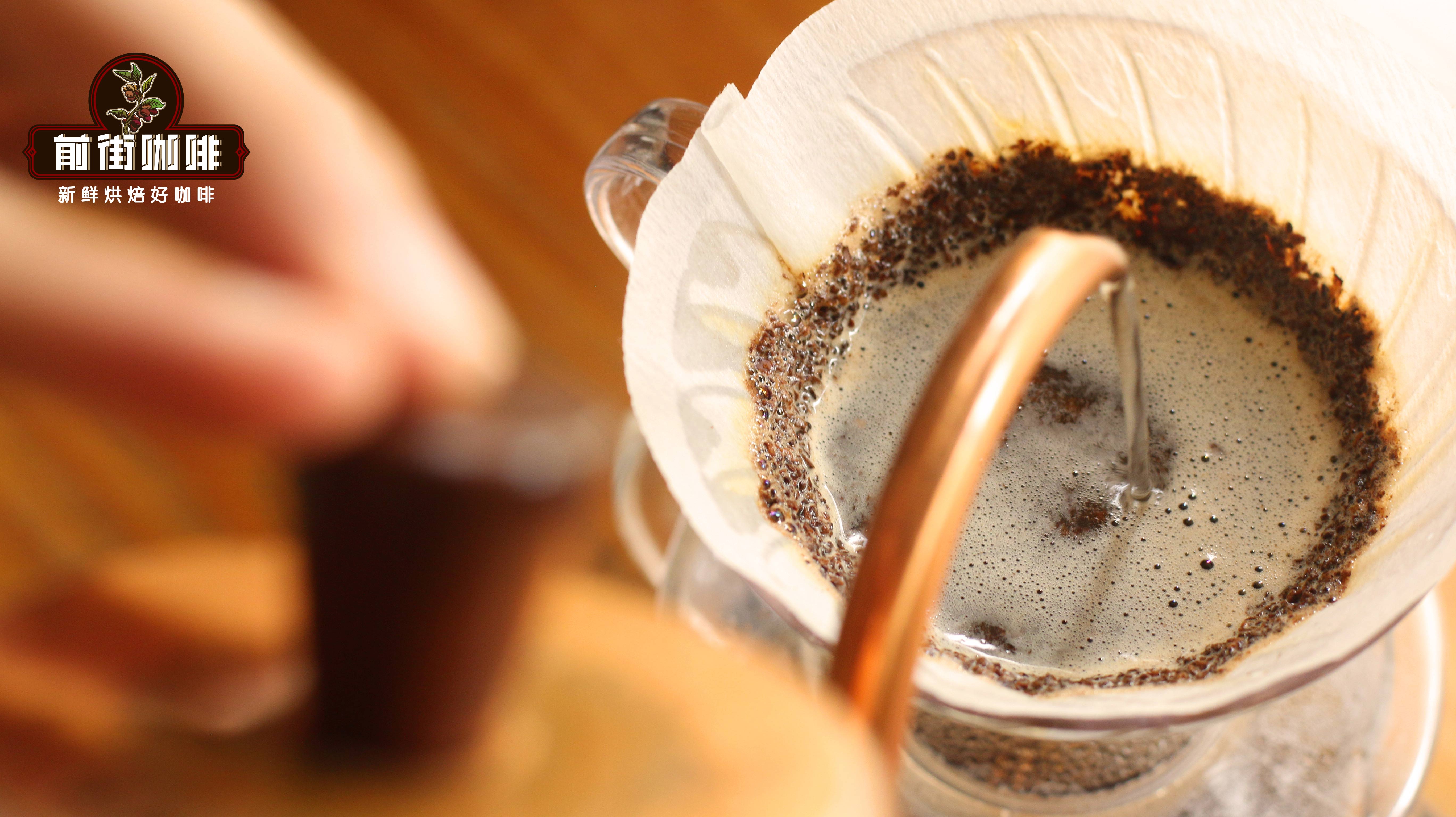
The choice of pour-over kettle also affects brewing quality. A narrow spout design helps control water flow stability—it’s recommended that beginners start with a gooseneck kettle that delivers focused and even streams. An electronic scale isn’t just a tool for measuring water volume; its timing function also helps manage the extraction rhythm. It’s recommended to choose one with quick-display functionality for real-time monitoring of brewing parameters, ensuring you follow the preset coffee-to-water ratio and timing.
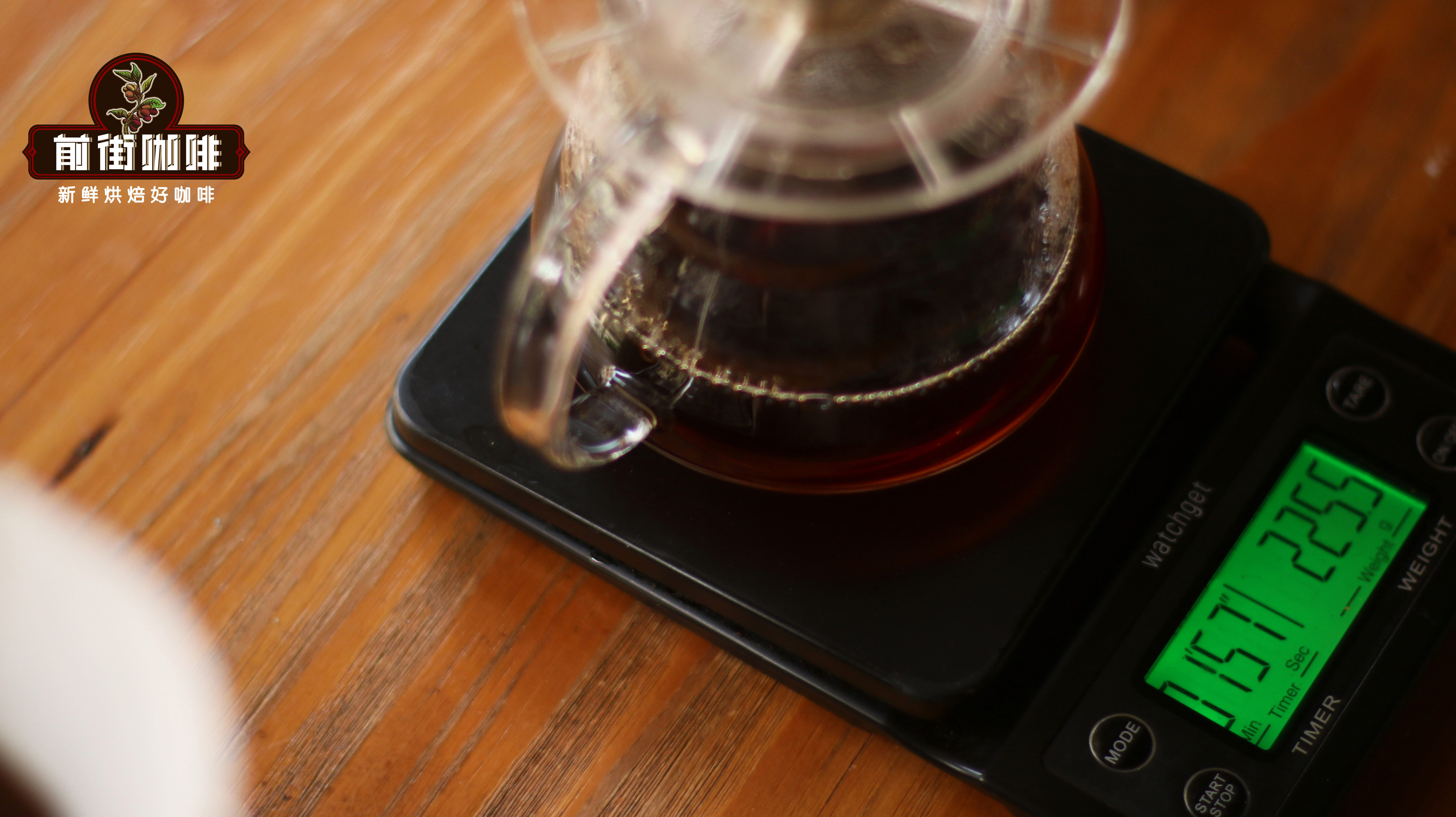
Once you’ve mastered the basic tools, the next step is to learn effective brewing techniques. Common pouring methods online include single-pour (one-pour), three-pour, and four-six infusion styles, each producing different flavor outcomes. For beginners, the three-pour method is the easiest and most stable. Taking 15 grams of coffee grounds with a 1:15 ratio (total water 225ml) as an example, it’s suggested to pour in three stages: the first 30ml for blooming (30 seconds), the second 95ml for steady pouring, and the last 100ml for finishing. The weight changes shown on the electronic scale would be 30g, 125g, and 225g respectively. This segmented approach effectively balances extraction uniformity and flavor complexity.
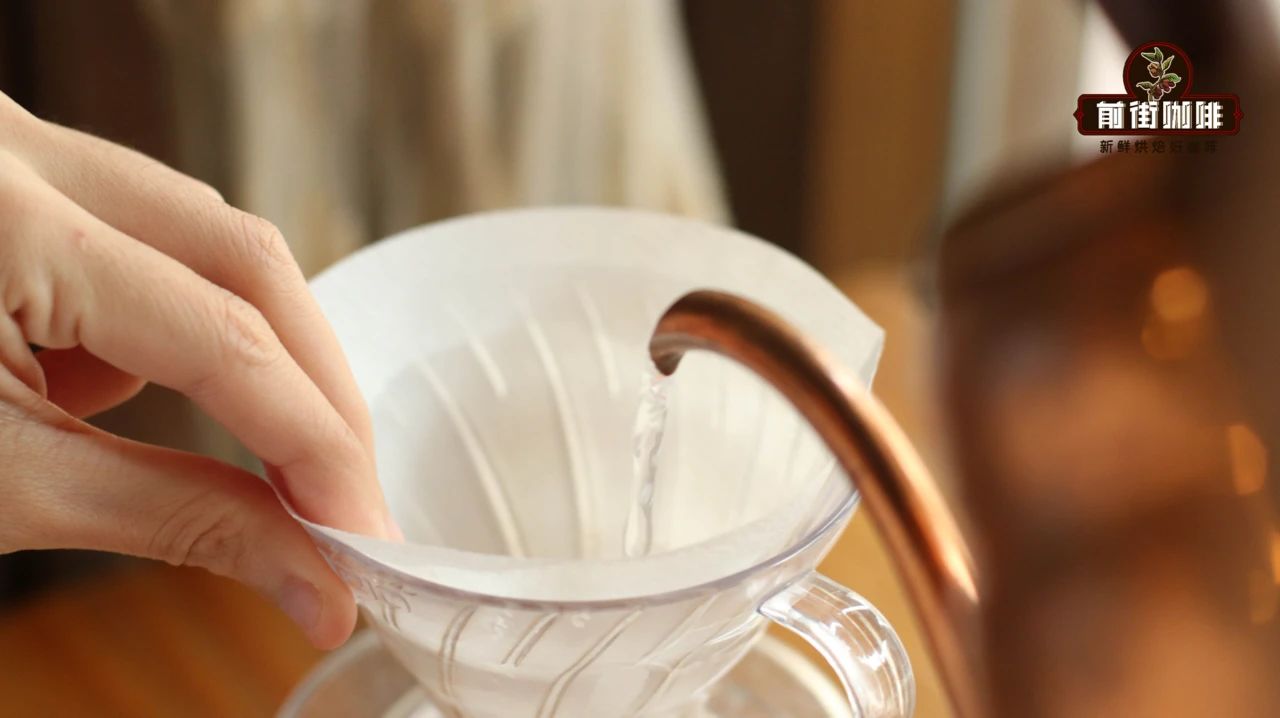
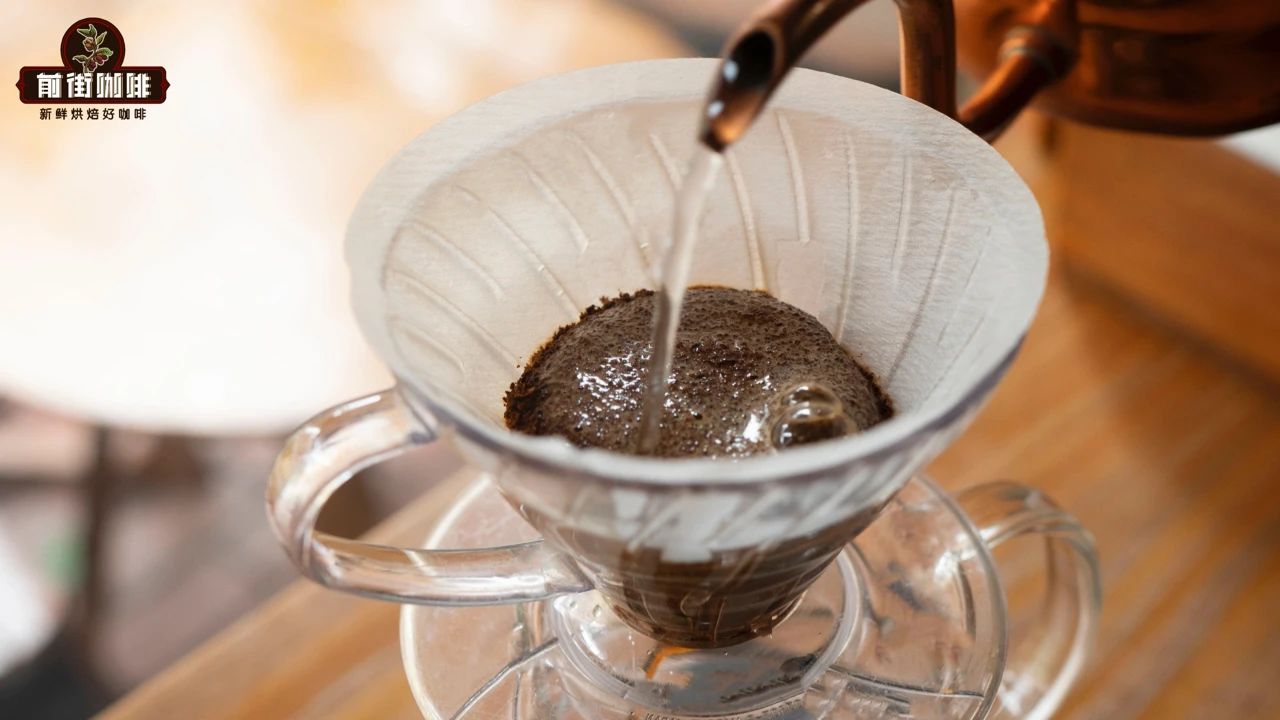
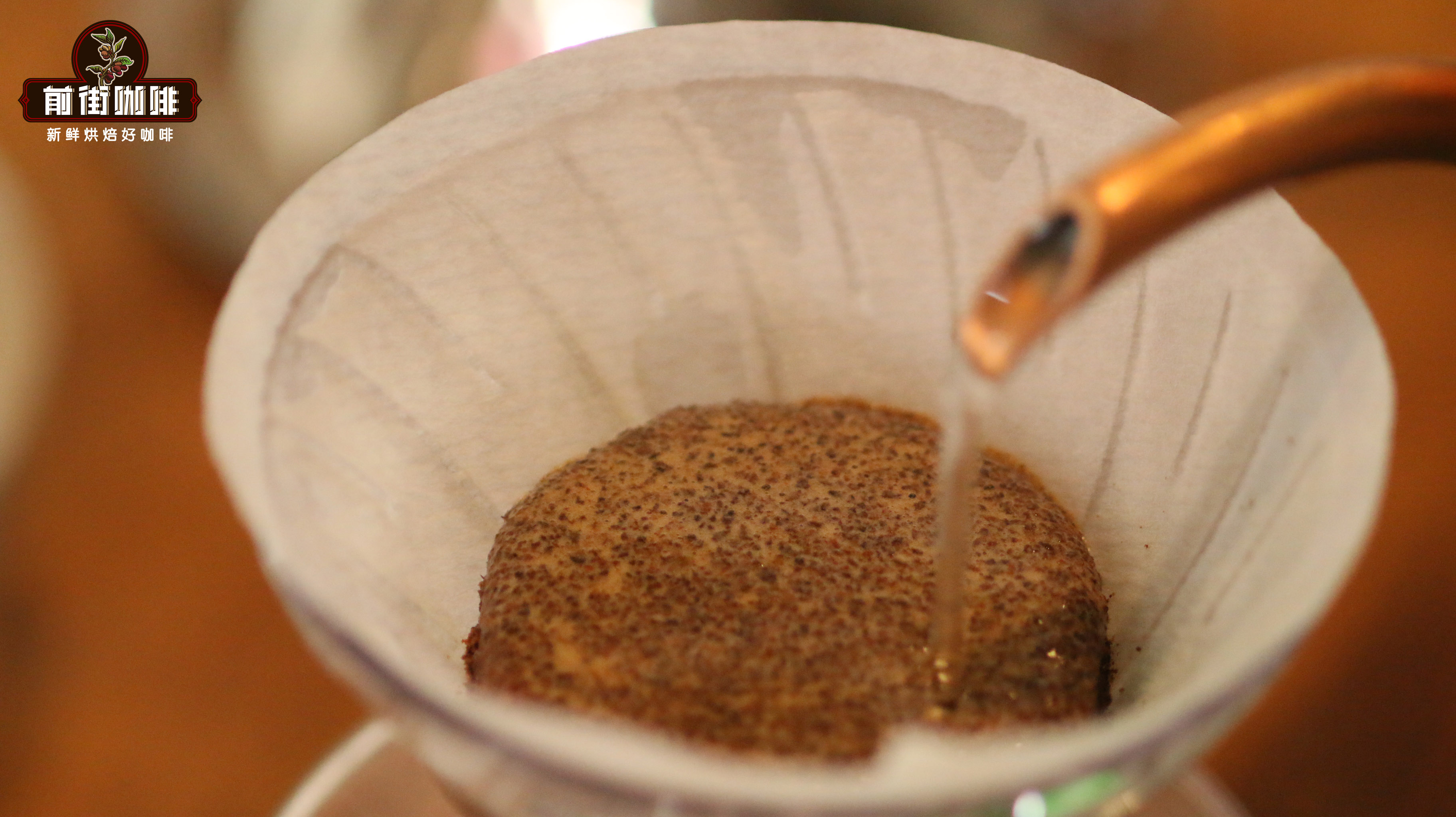
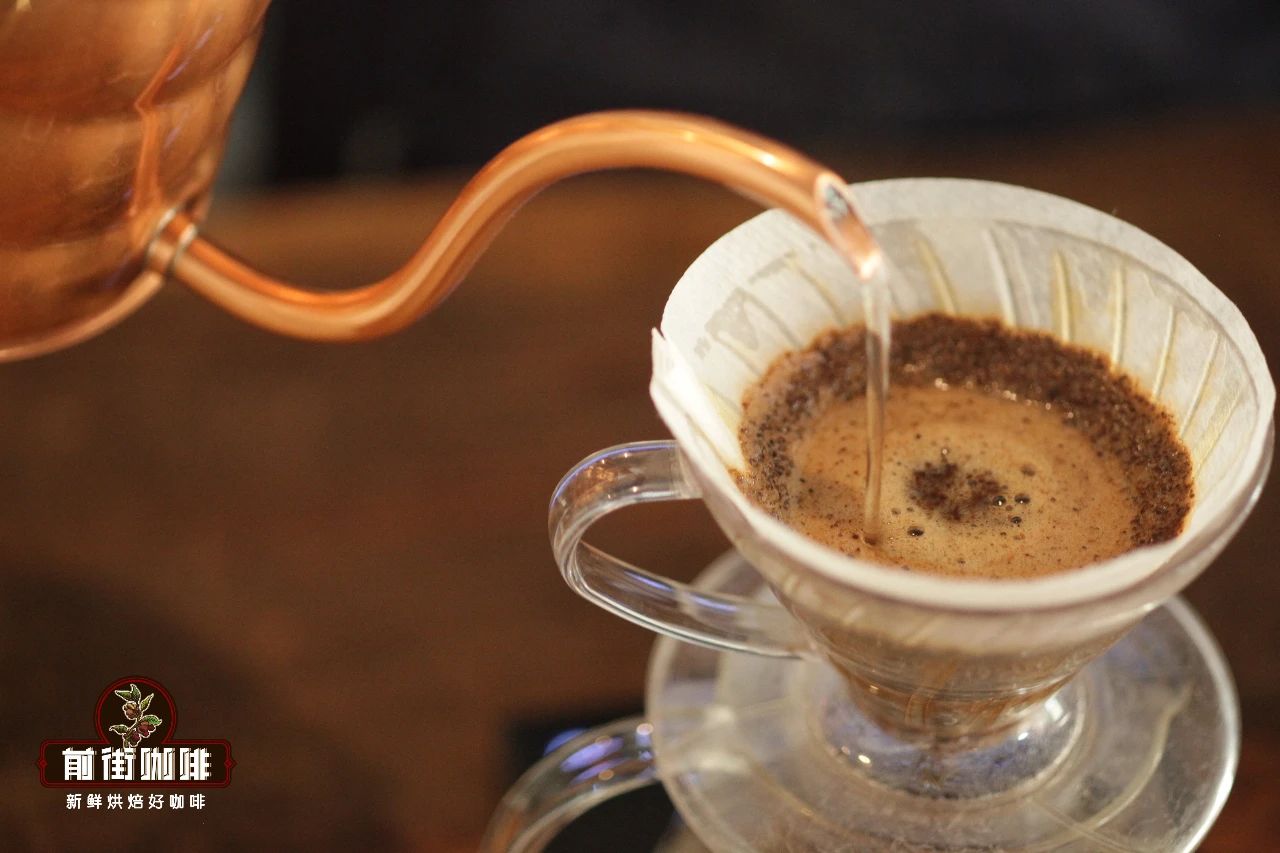
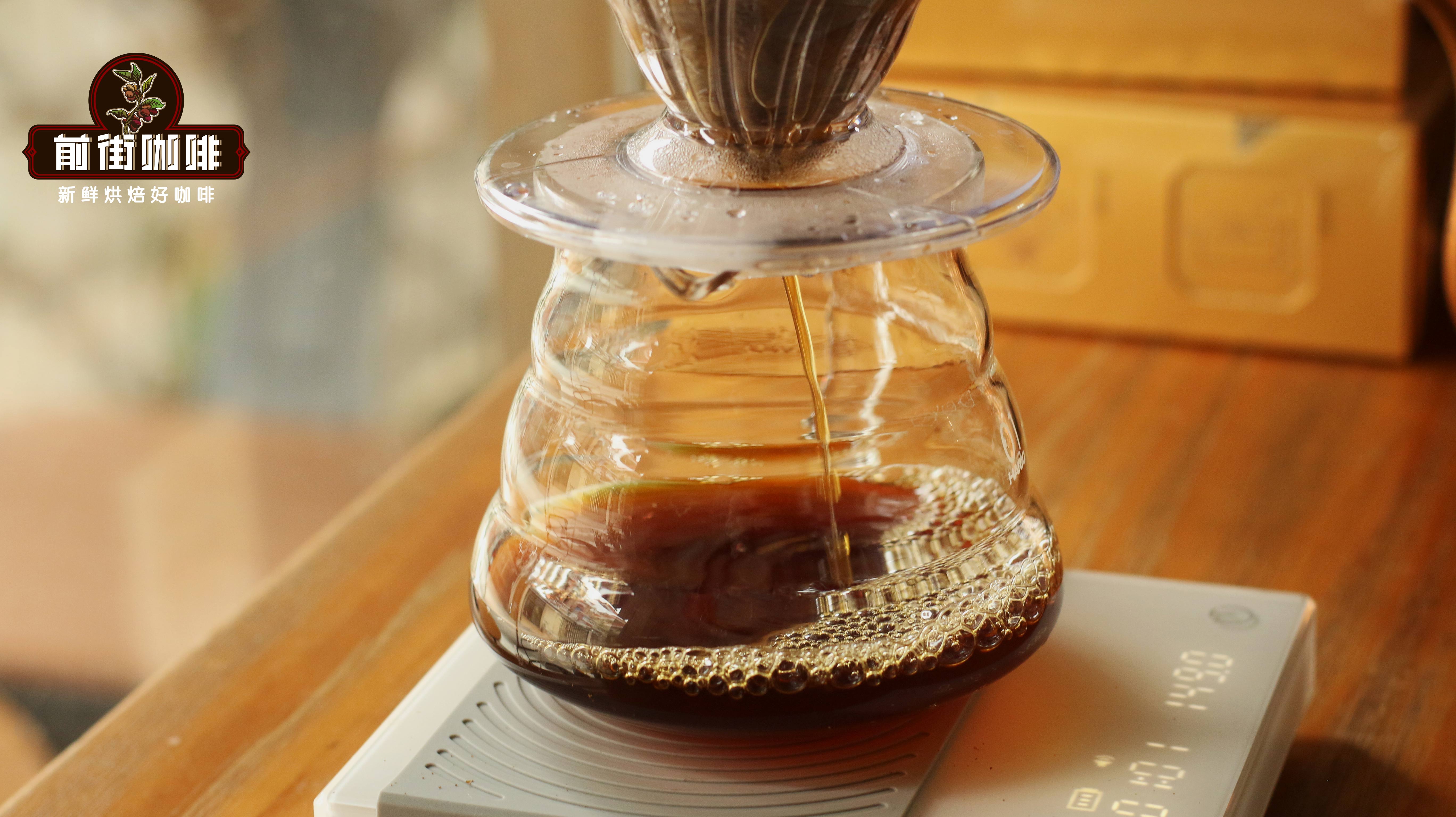
The specific operation steps are as follows: first, fold the filter paper and place it snugly against the inner wall of the filter cone. Wet the filter paper with a small amount of hot water and discard the rinse water. Add the ground coffee into the cone and reset the electronic scale to zero. Pour the first 30ml of hot water for a 30-second bloom, using a small stream in a circular motion from the center outward to ensure all coffee grounds are fully saturated. After blooming, pour the second 95ml steadily with a slightly larger stream, keeping the water vertical and evenly distributed, reaching a cumulative 125ml around 55 seconds. For the final 100ml, control the flow rate to avoid disrupting the coffee bed structure. The entire extraction process should take about 2 minutes.
When using the cold brew (ice pour-over) method, simply adjust the coffee-to-water ratio to 1:10 (15g coffee with 150ml water), and place 75–100g of ice at the bottom of the server. This low-temperature extraction slows the release of flavor compounds, particularly highlighting the coffee’s sweetness and body. When the liquid level drops to half the height of the filter cone, switch to a small stream and pour the remaining water in small circles, being careful not to disrupt the coffee bed with too much force. After dripping is complete, gently shake the server to mix the coffee evenly before enjoying your refreshing iced pour-over.
It’s important to note that the above parameters are only reference benchmarks. In actual brewing, you should flexibly adjust based on the origin characteristics of the coffee beans, roast level, and personal taste preferences. For example, for beans from different regions, you might try adjusting grind size or water temperature to highlight specific flavors; for those seeking a stronger body, you can extend the extraction time or increase the coffee dose. Remember, the charm of pour-over coffee lies in finding your own ideal brewing rhythm through continuous practice and observation.
The above content is compiled by CoffeeHunters, a coffee news website.


