








Introduction:Drip bags combine the convenience of pour over with the flavors of specialty coffee, making them an excellent choice for busy lifestyles. This article details the construction and brewing principles of drip bags, guides you through mastering the three-stage brewing technique and the golden coffee-to-water ratio, and explains why single-use brewing is recommended. It also offers flavor selection advice ranging from the bright fruity notes of Yirgacheffe to the bold richness of Mandheling, helping you find your perfect drip bag match.
In today’s world, people seek both high-quality coffee and convenient brewing methods. As an upgraded alternative to pour over, drip bags have become a daily choice for many coffee enthusiasts due to their portability and high flavor retention. This innovative design seals finely ground coffee in a specially designed filter pouch, paired with a two-ear stand that mimics a filter cup structure. All you need is hot water and a cup to enjoy a professional-level pour over experience.
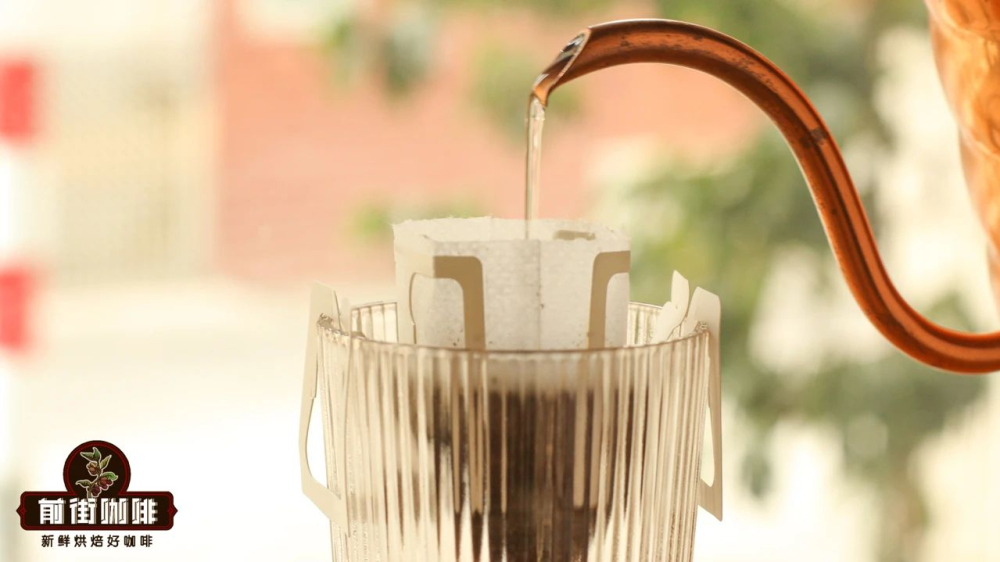
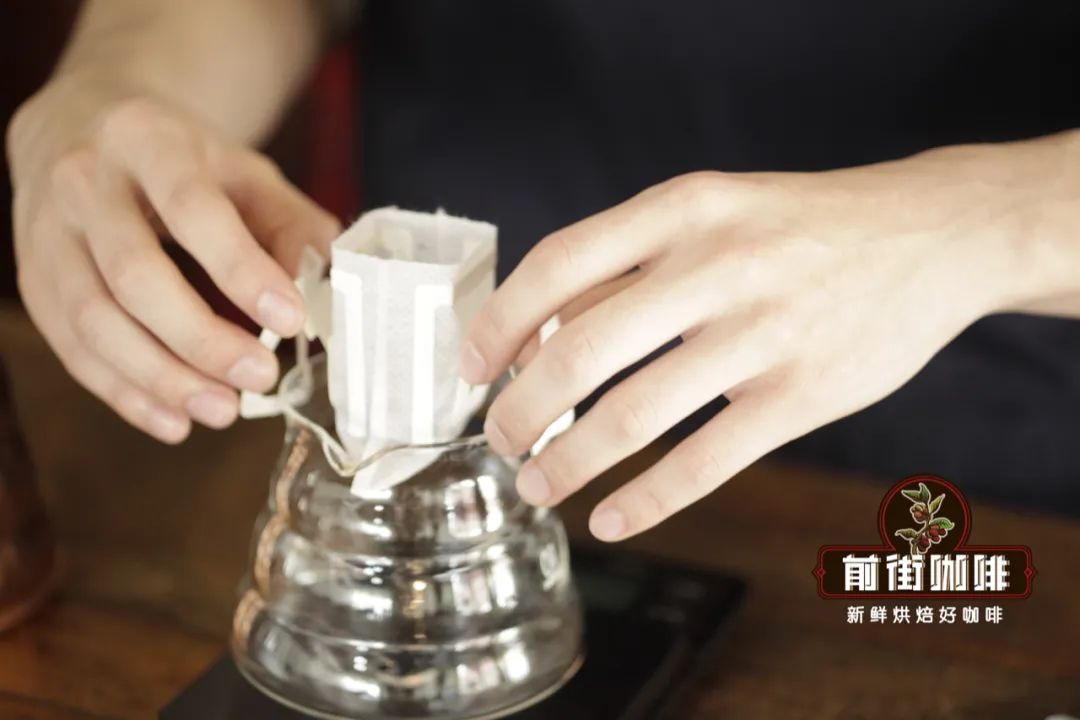
So-called drip bags are actually pre-ground by professional roasters to a suitable fineness for pour over (about medium-fine), and are filter-bag style coffee packs with strictly controlled coffee-to-water ratios. Please pay special attention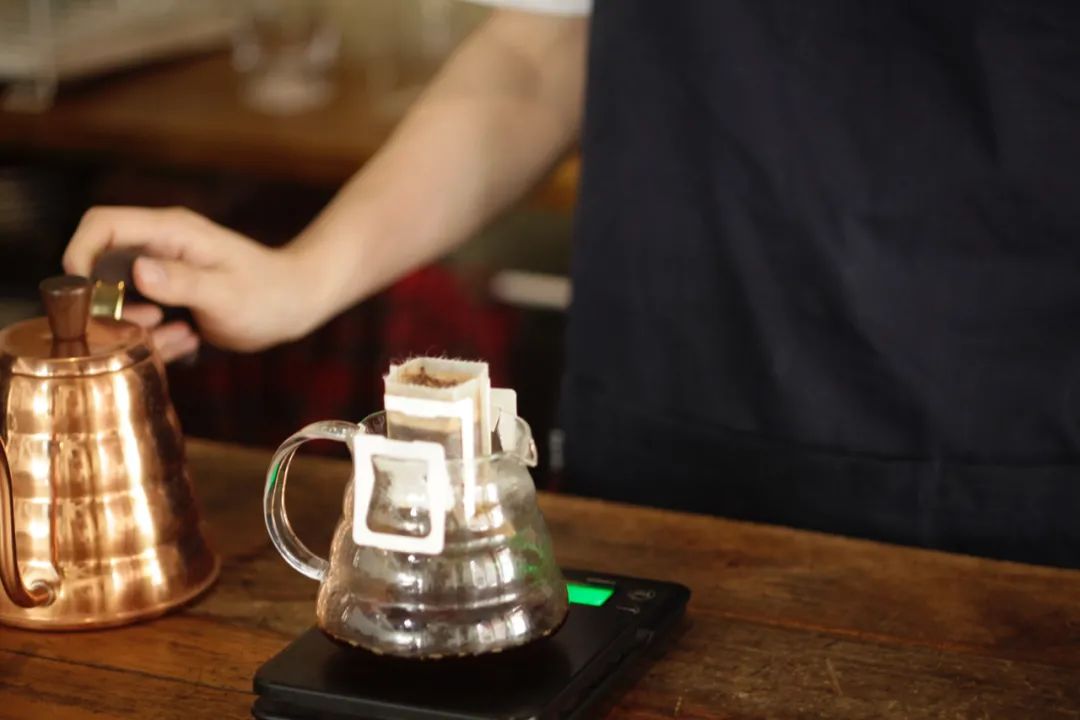 to the support feet design visible inside—these two extending “ears” are the origin of their name, allowing them to stably hang on the rims of various cups. Compared to traditional pour over, which requires multiple pieces of equipment (including a pour over kettle, thermometer, filter cone, etc.), drip bags come with built-in filter paper functionality, greatly simplifying the operation process.
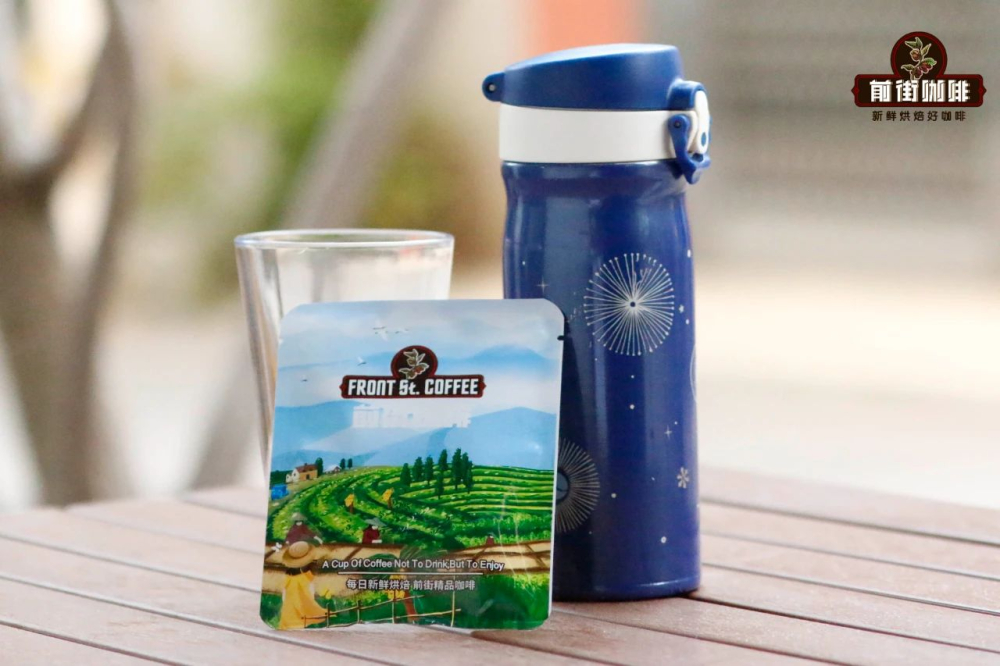
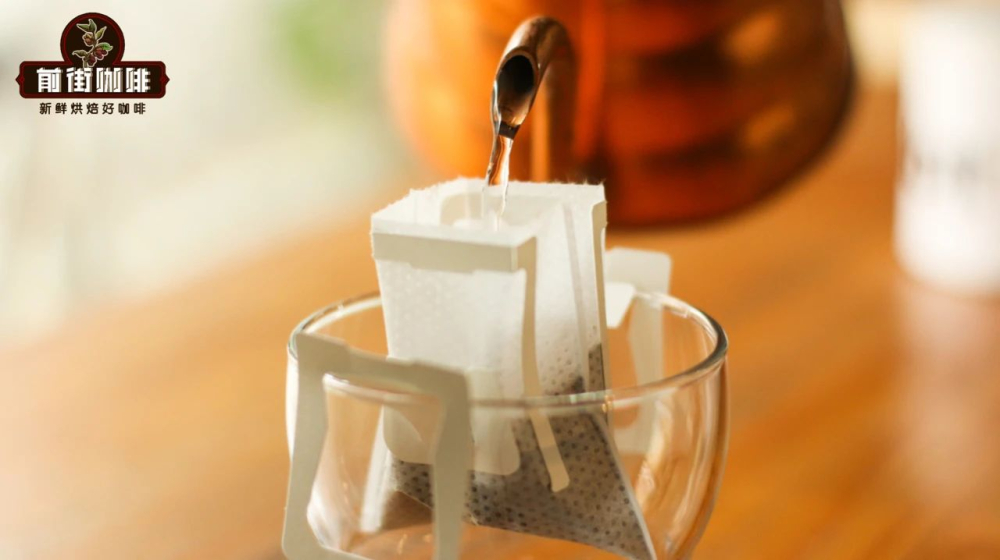
During actual brewing, just follow three key steps: first, tear open the aluminum foil packaging along the pre-cut line and carefully remove the filter pack containing 10 grams of selected coffee grounds.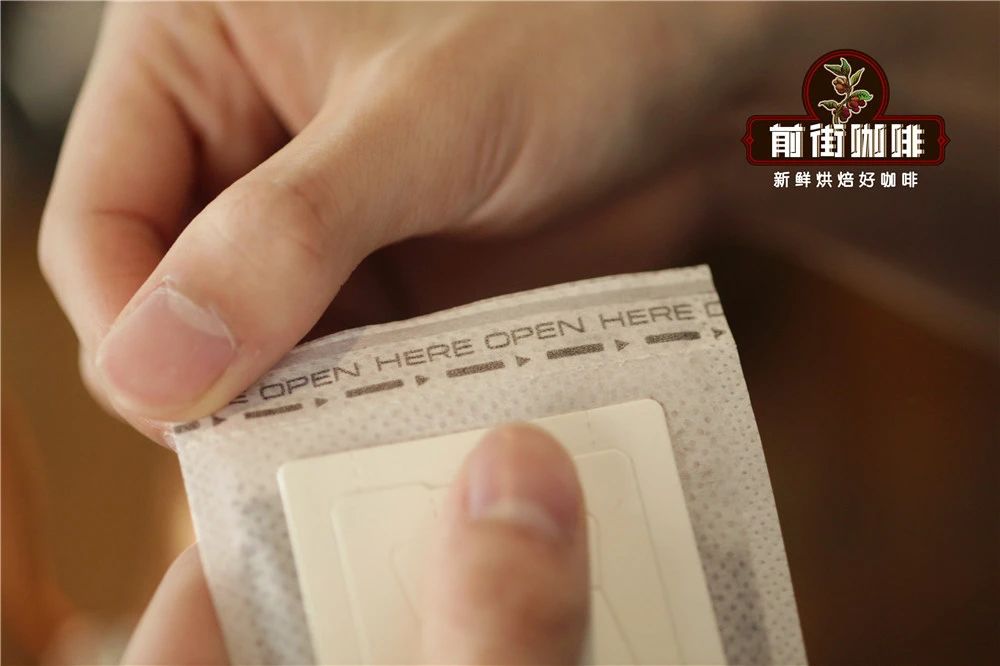 Open the two side ears and place the pack stably on the rim of a cup. A ceramic cup with a capacity of 200–250 ml is recommended for the best taste. The professional recommendation is to use a golden ratio of 1:15 (i.e., 10 grams of coffee to 150 ml of hot water), and to pour in three stages: the first stage involves pouring 30 ml of hot water (about 90–93°C) for a 30-second bloom to activate the coffee grounds; continue pouring until the cup is half full, then wait for the liquid level to drop, and finally complete the total volume up to the fill line. The entire process is best kept within 2 minutes.
Regarding the question of reuse,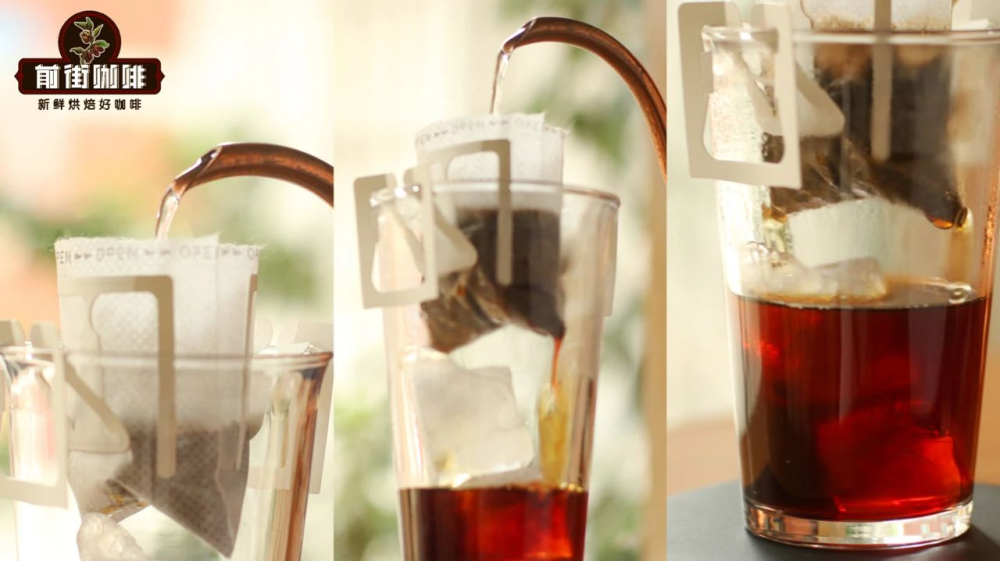 it must be emphasized that drip bags, just like freshly ground pour over, areonly recommended for single-use brewing.This is because only about 30% of the soluble substances in coffee beans can be extracted, and overly extending the brewing time will only lead to excessive release of tannic acids, resulting in bitter and astringent off-flavors. When you observe that the flow rate of the coffee liquid slows down or the color becomes lighter, it is a clear signal that extraction is nearing completion.
Facing the diverse regional choices on the market, it is recommended to start selecting based on the flavor wheel system:Those who prefer bright, fruity aciditycan prioritize African beans, such as the classic washed process from the Yirgacheffe region, where native variety beans grown at altitudes of 1900–2300 meters often exhibit layered notes of lemon, berries, and green tea in the aftertaste.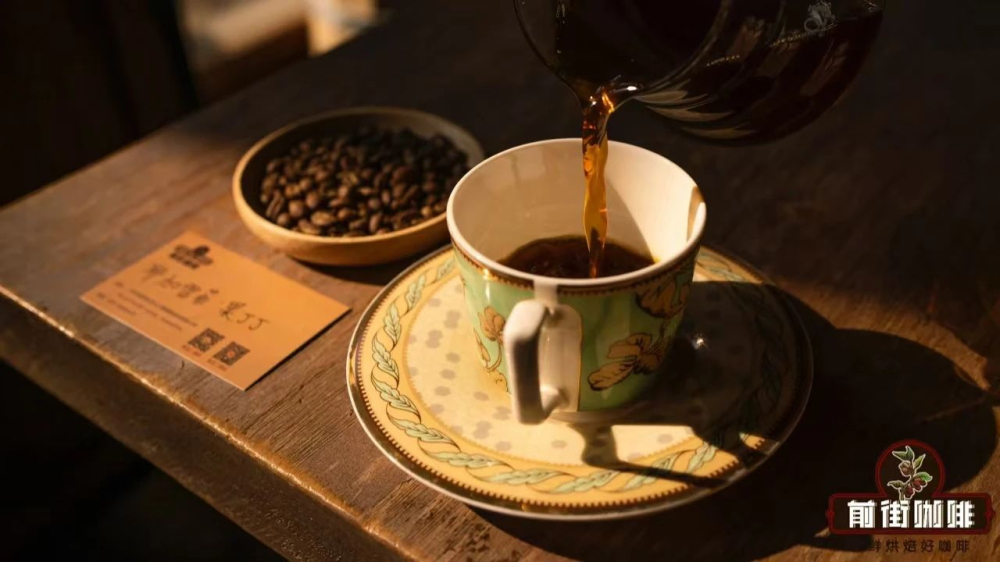 Consumers seeking a fuller body can try Mandheling from Sumatra or Yellow Bourbon from Brazil—these dark-roasted beans can showcase rich profiles of chocolate and nuts. Please pay special attention
 to Indonesia’s Golden Mandheling in the Indonesian region, whose unique herbal aroma and long-lasting 20-second aftertaste are typical representatives favored by dark roast lovers.
For advanced selection, you can observe the processing method labels: sun-dried beans usually have a noticeable sweetness, while anaerobic fermentation technology can enhance floral and fruity characteristics. No matter which flavor profile you choose, remember to adjust the water temperature according to the brewing device (it is recommended to use 88–94°C hot water for pour over-grade drip bags), and avoid using distilled water to achieve a full expression of mineral flavors.
The above content is compiled by CoffeeHunters, a coffee news website.


