








Introduction:Want to understand the fundamental differences between pour over coffee and espresso? This article delves into the principles, equipment requirements, and flavor profiles of the two brewing methods, and provides recommendations for beginner-friendly pour over beans along with key parameter settings to help you choose the coffee experience that best suits your taste preferences.
Step into a modern café, and you’ll often find pour over coffee and espresso as staple menu items. Although both are made from coffee beans, their brewing logic, equipment mechanisms, and final flavor profiles are vastly different. So what exactly sets these two drinks apart? And for those new to coffee, how should they choose an entry-level bean?
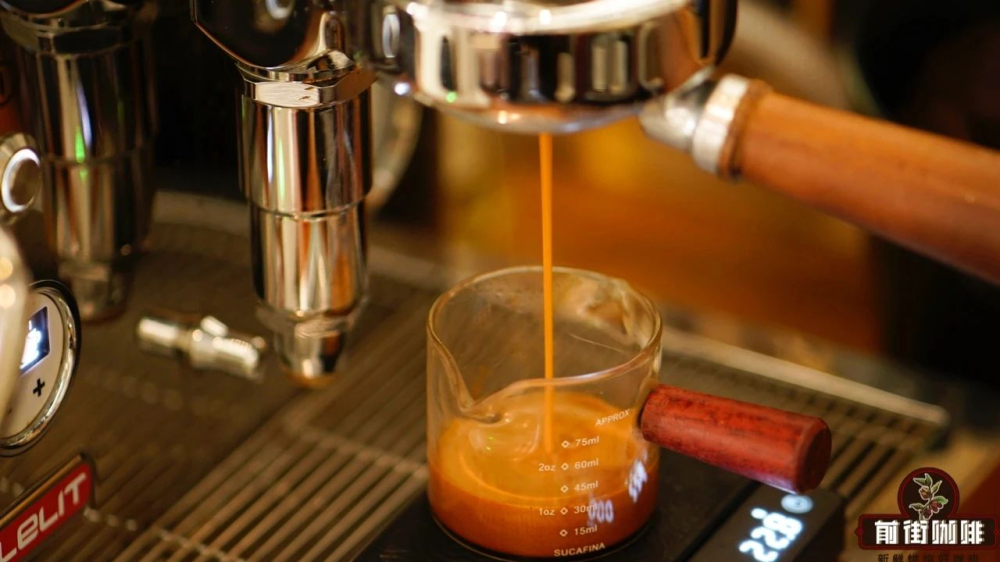
The essence of espresso lies in high-pressure extraction. By applying 9 bars of pressure through an espresso machine, a small amount of hot water (approximately 90–96°C) is forced through finely ground coffee (around 7–9g) to extract a concentrated shot (about 30ml) within 25–30 seconds. This high-pressure environment fully releases coffee oils (crema) and deep flavor compounds, creating a rich and bold base. This foundation can then be used to make drinks like lattes or cappuccinos by adding steamed milk, or Americanos by diluting with hot water.
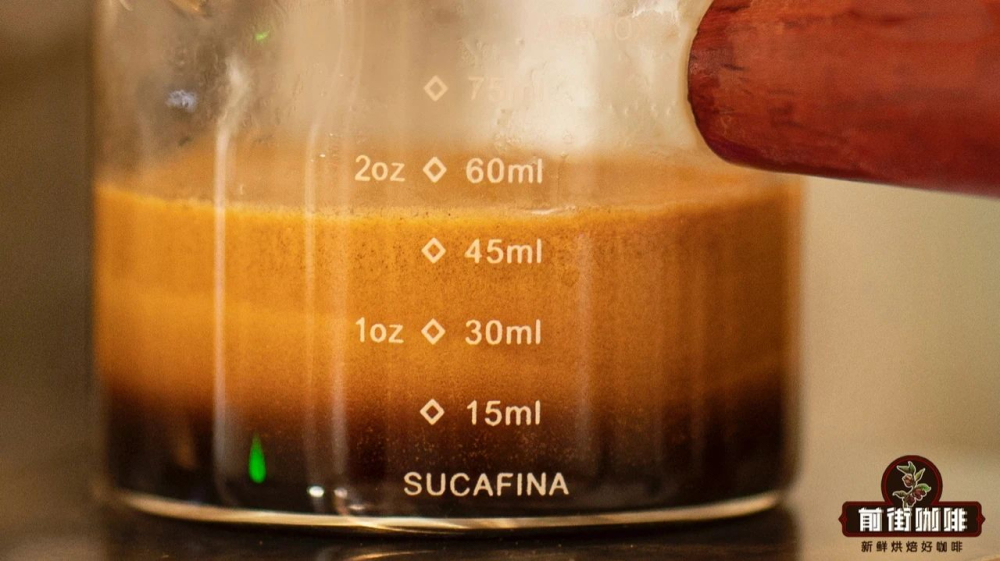
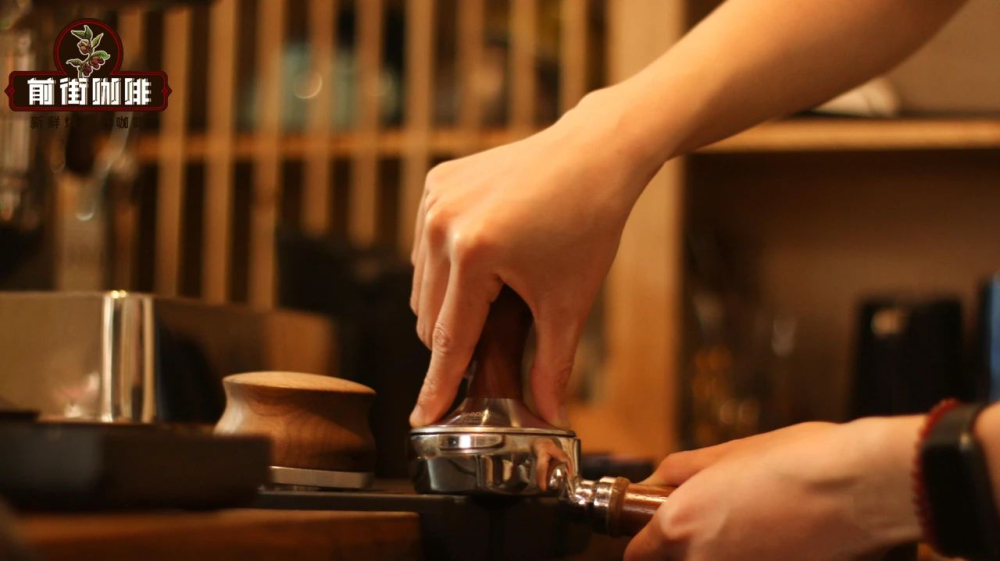
Brewing a qualified espresso shot requires strict control over six aspects: first, clean the portafilter basket to avoid any residual water stains,accurately weigh 18–20g of coffee grounds (with an error margin of ±0.1g), then use a distributor to evenly spread the grounds to prevent uneven density—which directly impacts water flow efficiency. Tamping should result in a flat surface on the coffee puck (recommended pressure of 30–40 pounds), and finally, the handle is securely locked into the machine for extraction. Ideally, a 38g liquid yield should be achieved within 25–30 seconds, resulting in a brew ratio of about 1:2. Extraction that’s too fast may lead to under-extraction, while too slow can cause over-extraction and bitterness.
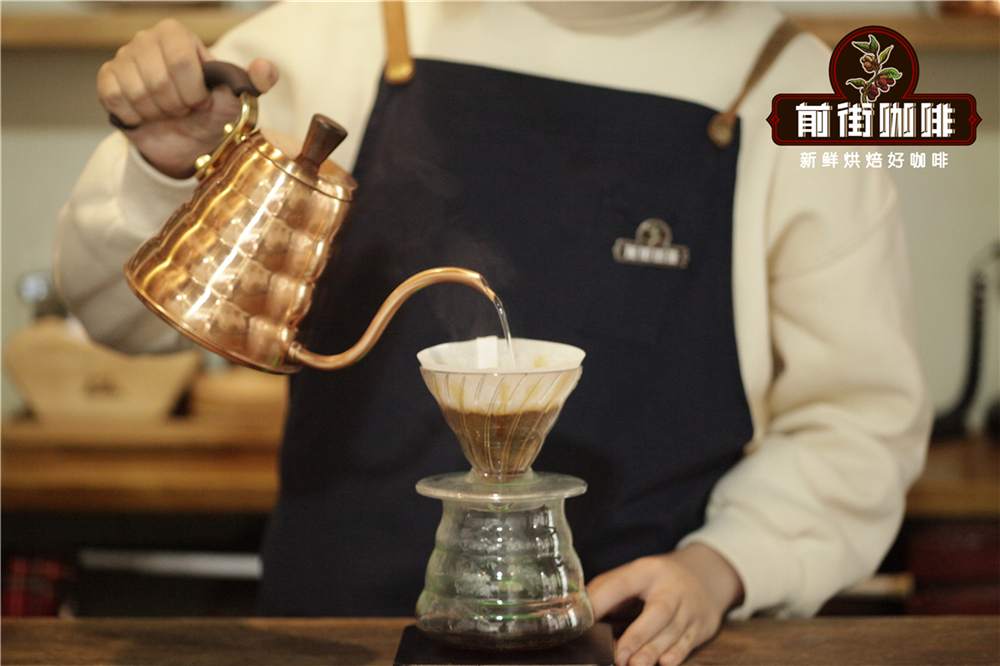
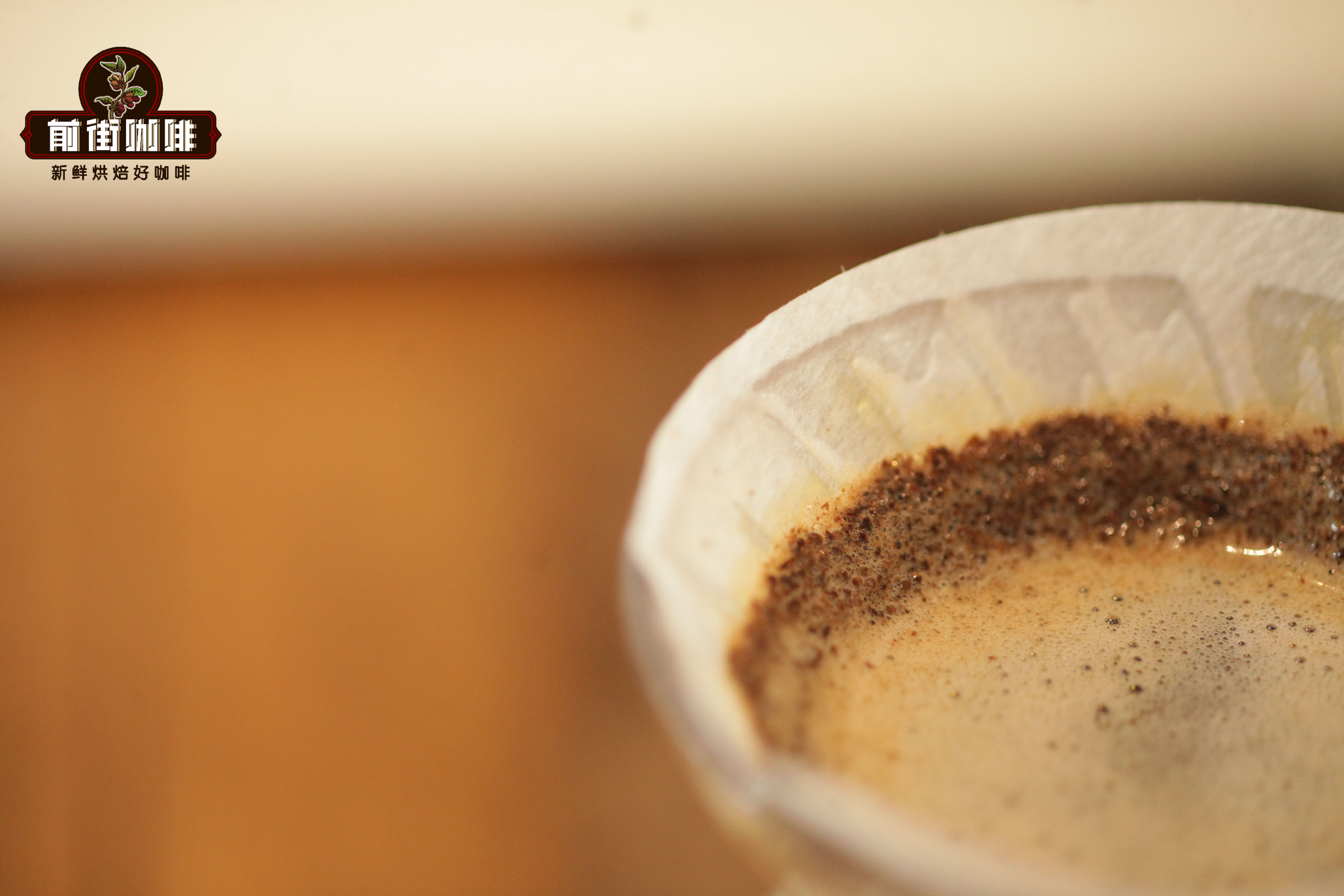
In contrast, pour over coffee uses a low-pressure gravity-based extraction method.Water at 88–96°C flows slowly through medium-coarse ground coffee (approximately 80–100μm), with a filter paper separating the coffee grounds from the liquid. This method preserves more of the coffee’s inherent flavor characteristics, and the equipment is simple (just a pour over kettle, filter cone, and server), making it ideal for home brewing. Controlling the flow rate and mastering the pulse pouring technique are key—going too fast can lead to under-extraction, while going too slow might over-extract tannins.
A common “three-pour” method includes: the first pour of 30g of blooming water (starting at 0 seconds on the timer) to activate the coffee grounds; 30 seconds later, add 100g of mid-stage water to raise the liquid level to the base of the coffee bed; when the water level drops to half, pour 95g of final-stage water to maintain even extraction.The pouring path should ideally spiral from the center outward, keeping the water stream diameter around 1cm to avoid disrupting the coffee bed structure.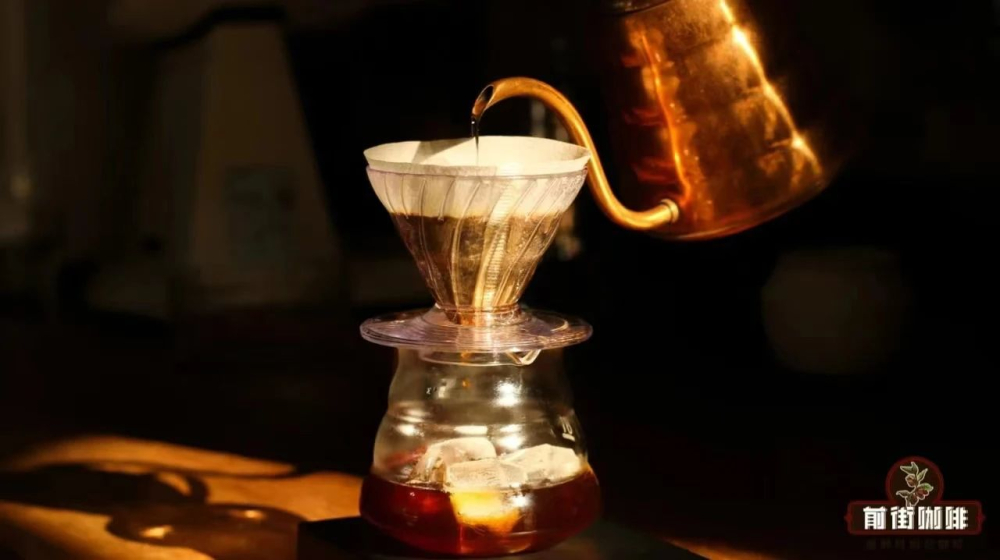
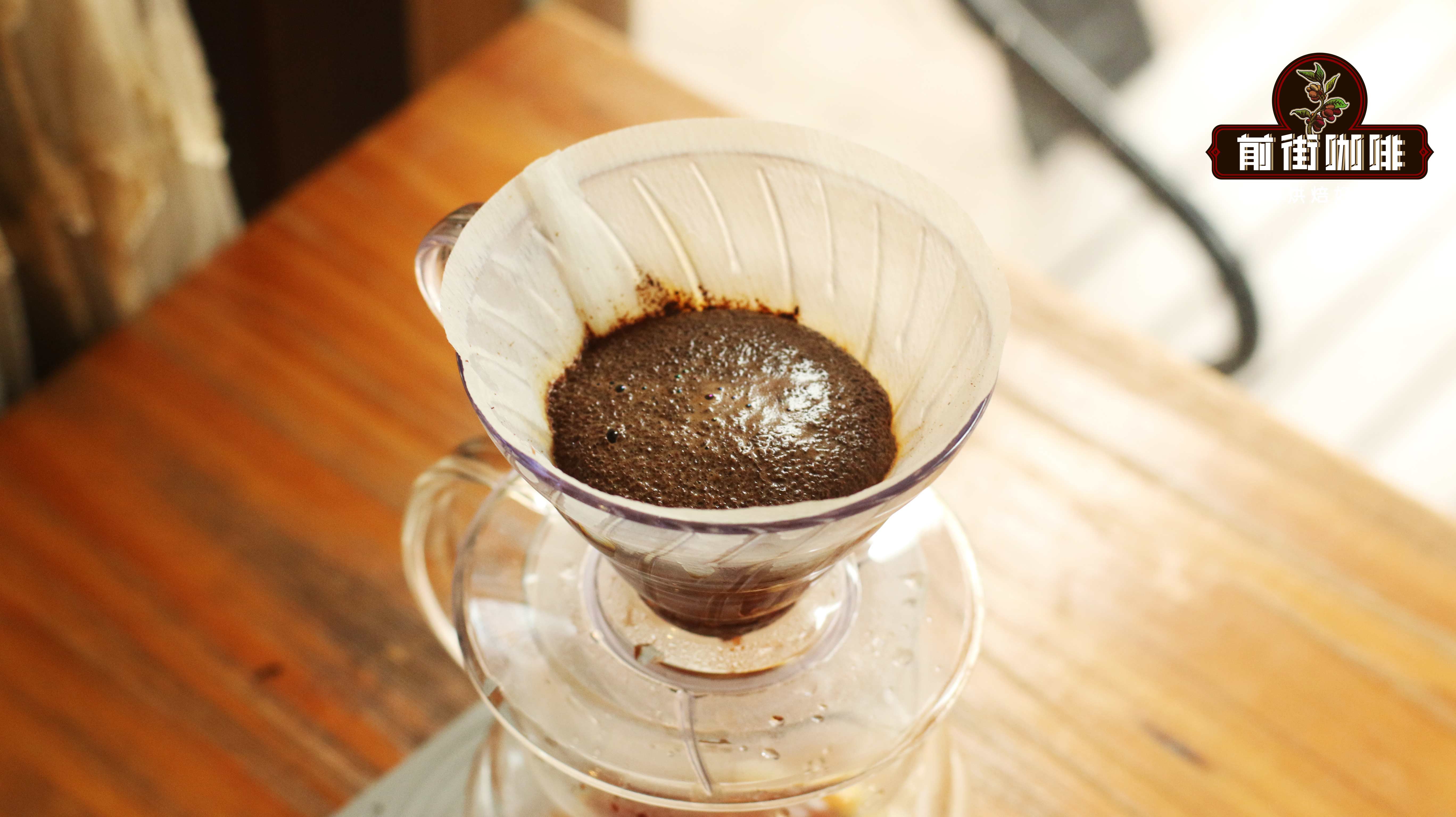 When the liquid level drops to two-thirds of the coffee bed, perform the second pour. At this stage, the impact force of the water stream must match the descent speed—if the water level is too high, the upper layer may over-extract, and if too low, the lower layer may not extract enough.

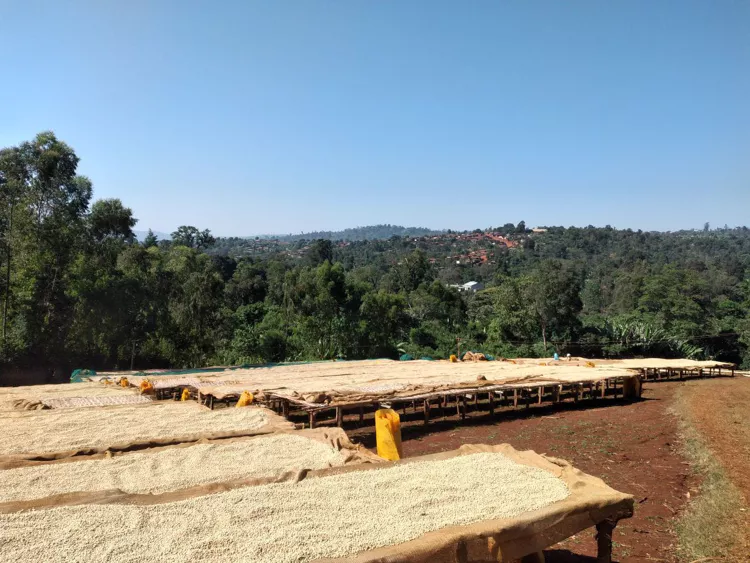
For beginners, it’s recommended to start withEthiopian Yirgacheffe washed beans. These high-altitude (1800–2000 meters) heirloom variety beans, processed via the washed method, offer bright citrus notes and jasmine floral aromas, with lively acidity that isn’t overly sharp and a distinct tea-like quality that’s easy to enjoy.Recommended parameters: 15g of coffee, a brew ratio of 1:15, grind size between superfine sugar and white sugar (approximately 80% passing through a #20 sieve), and water temperature of 88–91°C.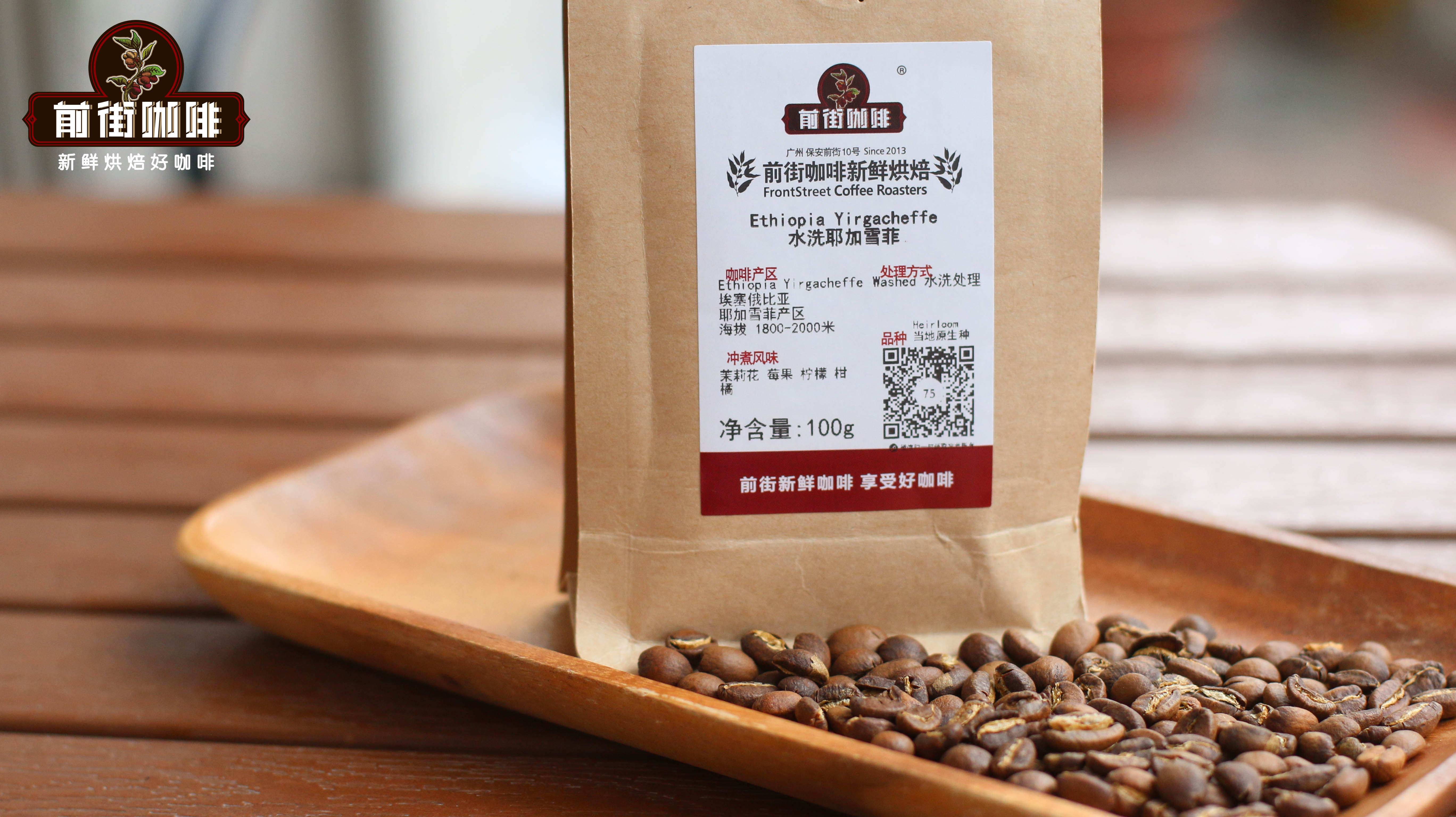
A specific routine could be adjusted as follows: the first pour of 30g water for a 30-second bloom; then add 95g of water (totaling 125g) over one minute; once the water level drops to two-thirds of the coffee bed, add another 100g of water (totaling 225g), with total extraction time controlled between 1 minute 55 seconds and 2 minutes. This combination highlights the balance of fruity acidity and floral notes, making it suitable for practicing water flow control and temperature sensitivity.
Whether you choose pour over or espresso, understanding the extraction principles and equipment characteristics is essential for elevating your coffee tasting experience.Espresso is ideal for those who prefer bold flavors and milk-based coffee variations, while pour over better showcases the intrinsic flavor profiles of coffee varieties. Beginners can start with washed-process beans of medium to low acidity, gradually exploring the flavor profiles of different regions and roast levels.

The above content is compiled by CoffeeHunters, a coffee news website.


