







Introduction:An in-depth exploration of the historical background, disease resistance, and flavor evolution of Catimor—the dominant coffee variety in Yunnan—alongside comparisons to traditional varieties like Typica. This article takes you through the development journey of Yunnan’s coffee-growing regions, analyzes the actual brewing performance of washed Catimor from Baoshan, and provides professional pour over parameters and techniques to help you gain a more comprehensive understanding of this Asian specialty coffee that is gradually standing out.
In recent years, domestically produced Chinese coffee beans have increasingly caught the attention of consumers, with Yunnan’s small-grain coffee becoming a market highlight. Among the many varieties, Catimor stands out as a key entry point to understanding Yunnan coffee due to its widespread cultivation and progressively improving flavor quality. This article will detail the three important historical stages of coffee cultivation in Yunnan, explain how Catimor emerged from the need for disease resistance and gradually evolved toward specialty-grade quality, compare it with other varieties such as Typica, and through the actual extraction performance of washed Catimor from the Baoshan region, guide you through the complete knowledge from planting to cupping.
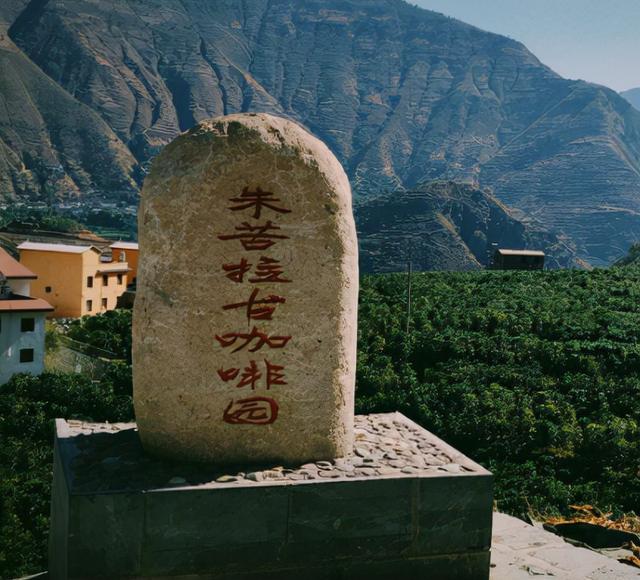
Looking back at the history of coffee in China, its earliest roots can be traced back to 1904. According to the "Binchuan County Annals," a French missionary planted the first coffee tree in Zhukula Village, Binchuan, Yunnan, while establishing a Catholic church there. Since then, Yunnan’s coffee cultivation has gone through three key developmental periods: the 1950s, the 1980s, and the early 2000s. In the 1950s, to repay debts to the Soviet Union, Yunnan coffee was exported in large quantities due to its excellent flavor, even earning a first-class rating in London, UK. By the 1980s, with the reform and opening-up policies and the entry of international brands like Nestlé, local efforts to improve yield and supply stability led to the promotion of Catimor—an disease-resistant and high-yield variety—which gradually replaced traditional types like Typica, making Catimor the mainstream in Yunnan coffee.
Entering the 21st century, with the rise of the specialty coffee concept, consumers began pursuing a more layered and uniquely flavored coffee experience. Many local growers and companies invested in improving cultivation techniques and post-harvest processing methods, allowing Yunnan coffee to gradually shed its previous one-dimensional image and showcase a more diverse and nuanced potential. Among these, the transformation of the Catimor variety is particularly noteworthy.
The creation of Catimor originated from the need for resistance to coffee leaf rust. In the mid-20th century, several major global coffee-producing regions were severely affected by coffee leaf rust, leading to drastic yield reductions or even plant death. To address this issue, researchers in the 1950s used hybrid breeding to cross the highly disease-resistant Robusta variety with the better-flavored Arabica variety Caturra, successfully developing Catimor, which combined disease resistance with yield potential. However, due to its genetic makeup carrying some Robusta heritage, Catimor often exhibited earthy or other unpleasant flavor characteristics, leading to it being nicknamed as having a “devilish aftertaste.”
Nevertheless, due to its high-yield characteristics and strong resistance to diseases, Catimor remains the most widely cultivated variety in Yunnan to this day. It is worth noting that replacing all existing Catimor coffee trees with other varieties like Typica would entail a four-to-five-year period of no harvest, posing an excessively high risk for coffee farmers. Fortunately, with continuous improvements in cultivation management and post-harvest processing techniques, the flavor flaws of Catimor have gradually been mitigated, with some batches even exhibiting traits close to those of traditional specialty-grade Arabica beans.
Among Yunnan’s many producing regions, Baoshan and Lincang are renowned for producing high-quality coffee beans. One coffee brand (example brand, not endorsed in this article) operates its own plantation in Lincang, primarily growing the ancient and elegantly flavored Typica variety, supplemented with a small amount of Bourbon. The plantation began yielding harvests gradually starting in 2018 and by the 2020/2021 season had reached stable production levels. Its naturally processed Typica coffee beans are characterized by the gentle acidity of plum berries, rich nutty tones, brown sugar sweetness, and black tea-like mouthfeel, delivering a full-bodied profile that aligns with the traditional impression of Yunnan’s small-grain coffee—strong but not bitter, aromatic but not overpowering.
Additionally, washed Catimor from the Baoshan region also demonstrates considerable potential. Through improved post-processing procedures and refined roasting techniques, even with Catimor genetics, it can still exhibit distinct nutty tones and a rich mouthfeel. In practical roasting applications, to enhance these characteristics, roasters typically opt for a medium roast to balance acidity, sweetness, and aroma expression.
For this type of washed Catimor, the following pour over parameters are recommended to fully bring out its flavors: Use a Hario V60 filter cone, control water temperature at around 88°C, set the coffee dose at 15 grams, and use a 1:15 coffee-to-water ratio. Grind size is advised to be adjusted to approximately 75% extraction through a Chinese standard No. 20 sieve, equivalent to a medium-fine grind. It is recommended to use the coffee beans within 4 to 7 days after roasting when the beans still retain ample carbon dioxide, aiding in extracting a richer complexity. Before the actual pouring, it is suggested to perform a 30-second blooming step to release trapped gases inside the beans. Specifically, start by pouring 30 grams of hot water for blooming, wait until the coffee bed in the filter forms a fluffy “hamburger” shape, then continue pouring with a fine stream in circular motions from the center outward up to 125 grams, followed by sustained circular pouring until the total volume reaches 225 grams, with the entire extraction time controlled to around 2 minutes to achieve optimal balance and flavor expression.

The above content is compiled by CoffeeHunters, a coffee news website.


