







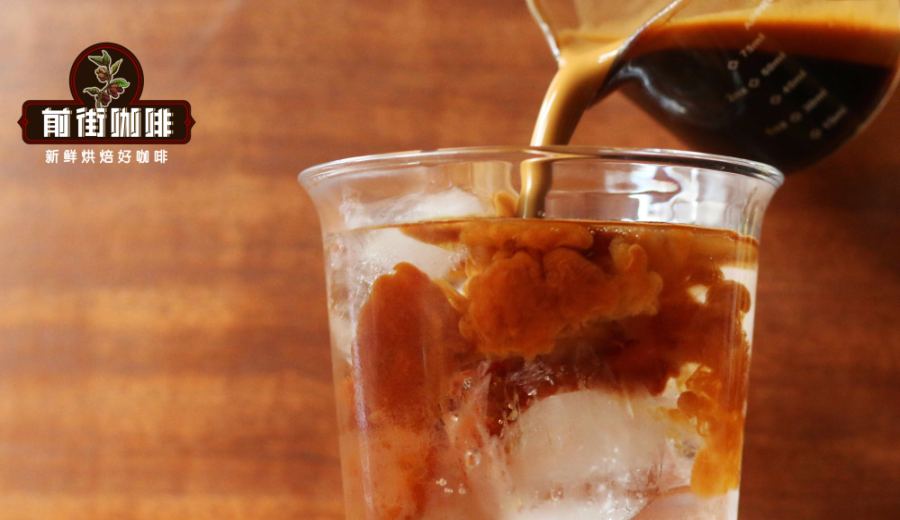
Introduction:Brewing a rich and aromatic espresso at home not only requires the right equipment but also careful selection and storage of coffee beans. This article delves into the advantages of medium-dark roasted beans and how mastering freshness can elevate the overall flavor profile of both Americano and latte. From classic blends to single-origin beans, we’ll guide you through the characteristics of several common espresso beans to help you find the one that best suits your taste and needs.
Making an authentic cup of espresso at home may sound simple, but it’s actually full of nuances. The high temperature, high pressure, and very fine grind conditions of an espresso machine significantly amplify the characteristics of the coffee beans. Choosing the wrong beans can result in overly sharp acidity or intense bitterness, or even splattering and waste due to poor parameter control. To brew a rich and bold espresso, you only need to master two core elements: selecting medium-dark roasted coffee beans and ensuring their freshness. Below, we’ll introduce in detail several different styles of espresso blends and single-origin beans to help you find the most suitable beans based on your preferences.
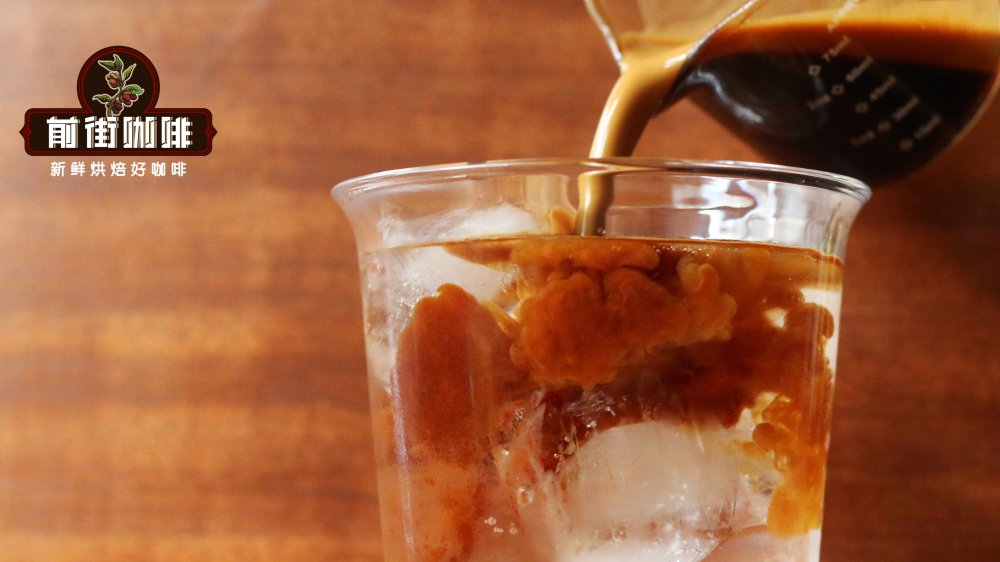
Nowadays, more and more coffee enthusiasts are no longer satisfied with just grabbing a coffee to go. Instead, they want to personally experience the full charm of coffee by selecting beans, grinding, extracting, and crafting lattes or Americanos at home. Although the steps aren’t overly complicated, the extraction conditions of an espresso machine are relatively demanding—high temperature and pressure tend to intensify the inherent traits of the beans. Choosing light roasts or beans that are too fresh and haven’t been properly rested can often lead to a sharp and unpleasant taste. Therefore, choosing the right roast level and freshly roasted beans is the key to making a delicious espresso.
For different brewing purposes and taste preferences, there are several common and consistently performing espresso beans on the market. These include classic blends suitable for beginners, budget-friendly basic options, single-origin espressos (SOEs) that showcase unique regional characteristics, and specialty blends with distinctive flavor layers. Next, we’ll explain their flavor profiles and practical usage scenarios to help you better understand which one suits you.
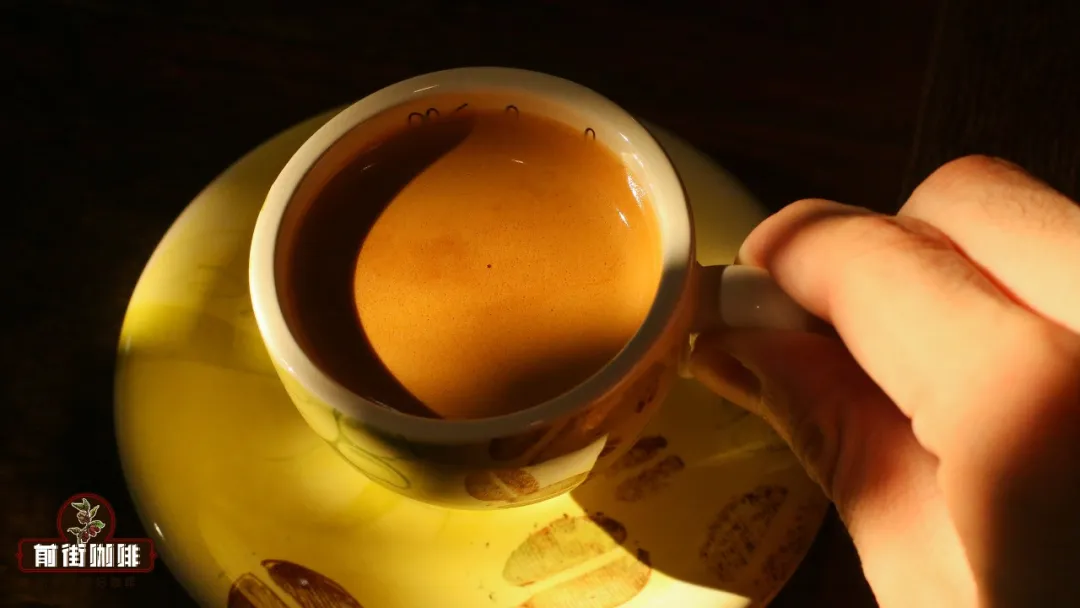
Among them, beans primarily medium-dark roasted usually exhibit aromas of caramel, nuts, and dark chocolate under high temperature and high pressure extraction conditions, along with moderate crema that aids in milk foam integration and contributes to a rounder overall taste in a latte. Some blends also incorporate a small amount of Robusta to enhance intensity and crema performance. For example, certain classic Mocha Java blends use this as a base to create a rich and smooth hot latte flavor. These types of beans are not only suitable for beginners as daily practice choices but are also long-term favorites among many home users.
If you wish to balance budget and consistent performance, medium-dark roasted blended beans are also a good option. These beans typically combine Arabica from different regions to achieve a balance between acidity and bitterness, a mild taste, and a certain level of crema. For instance, some blends based mainly on Yunnan and Brazilian beans release aromas of caramel and nuts during extraction. When used for making Americano, the taste is refreshing, and when paired with milk, it highlights the natural sweetness of the milk—making it a common choice for home users who prioritize value for money.
If you want to further explore the unique flavors of single-origin beans, single-origin espressos (SOEs) are a great starting point. These beans emphasize the terroir characteristics of their origin and can showcase distinct notes of spices, herbs, or chocolate in the espresso. For example, Indonesia’s Golden Mandheling is a high-quality single-origin bean whose espresso often features layers of spices, pine, and dark chocolate. It has a rich taste and a long aftertaste, making it suitable not only for espresso but also for other brewing methods such as pour over or moka pot.
Another noteworthy medium-dark roasted SOE is the Brazilian Arabica-based regional representative. These beans typically carry creamy, peanut, and nutty roasted aromas while retaining gentle fruit acidity. This results in an espresso that is rich yet not bitter, delivering a mellow and sweet profile whether used for lattes or Americanos—making it highly suitable for drinkers who prefer balanced flavors.
No matter which type of beans you choose, freshness is the absolute key factor influencing flavor performance. Once coffee beans are left for too long, their aromatic molecules gradually dissipate, and no matter how premium the beans are, it’s hard to extract delicious flavors. Therefore, it’s recommended to choose brands with good roasting control and to opt for beans with a roast date within five days to ensure the flavors are at their peak. In addition, beans typically require a resting period of 3 to 7 days after roasting to allow carbon dioxide to escape, preventing sharp or channeling effects during extraction and further improving extraction stability and flavor balance.
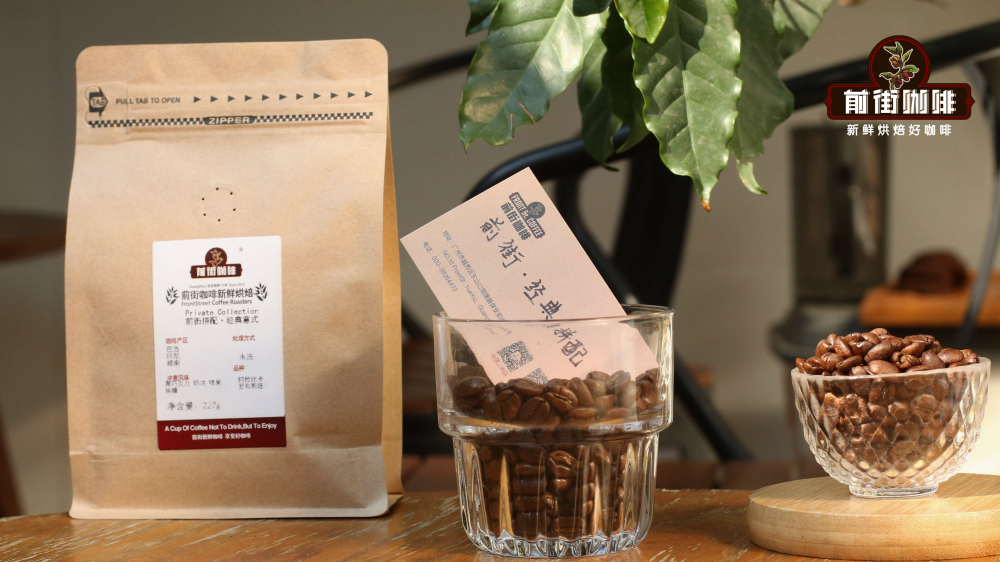
In summary, to craft an ideal espresso, besides mastering basic extraction parameters such as grind size, coffee-to-water ratio, and pressure, selecting the right roast level and fresh beans is an essential foundation. From classic blends to single-origin beans, each type of bean has its unique expression. As long as you choose the right beans according to your taste preferences and usage scenarios, you can easily enjoy a professional-level espresso experience at home.
The above content is compiled by CoffeeHunters, a coffee news website.


