








Introduction:Mocha coffee combines rich chocolate flavors with smooth milk, making it a favorite among many coffee enthusiasts. However, when making it at home, it’s common to encounter issues such as insufficient chocolate flavor or overly sweet results. This article delves into the key techniques of making mocha, from selecting bean varieties and using unsweetened cocoa powder, to step-by-step guides for both hot and iced mochas. It helps you master the proportions and methods precisely, allowing you to easily achieve a well-balanced and full-bodied mocha flavor.
Mocha is a classic beverage that perfectly blends chocolate with espresso-based milk coffee. With its deep cocoa aroma and gentle sweetness, it has won the hearts of countless coffee lovers. However, many people attempting to replicate it at home often face problems where the chocolate flavor isn’t prominent enough or the sweetness overpowers the drink. This is often closely related to the choice and preparation of chocolate sauce. Most store-bought chocolate sauces contain relatively high sugar content, and using them alone makes it difficult to achieve the ideal balance between bitterness and sweetness. This article will guide you on how to use unsweetened cocoa powder to enhance the chocolate flavor and provide detailed practical steps for making both hot and iced mochas. These include recommendations on coffee beans, ingredient ratios, milk frothing, and other key details, enabling you to easily make a layered and smooth mocha at home.

The mocha coffee we refer to today draws inspiration from the coffee beans exported from the port of Mocha in Yemen—beans that naturally possess a chocolate-like character. To recreate this unique flavor, many recipes opt for chocolate sauce due to its convenience and the lack of a need for additional melting steps. However, this very convenience causes many to overlook the high sugar content inherent in commercial chocolate sauces, which can easily lead to an overly sweet final product. Moreover, simply increasing the amount of sauce to boost the chocolate flavor can instead intensify the cloying sweetness. To tackle this common challenge, adding unsweetened cocoa powder not only effectively enhances the intensity of the chocolate but also avoids extra sugar interfering with the overall flavor, resulting in a more balanced and enjoyable mocha experience.
If you want to make a satisfying mocha at home with simple tools, your primary task is to ensure the coffee base has enough chocolate character while controlling the sugar ratio to achieve the perfect balance of bitter and sweet. Although chocolate sauce remains an indispensable element, it is recommended to also add unsweetened cocoa powder to further deepen the flavor and richness, giving the entire drink more layers. Unsweetened cocoa powder not only brings a strong aroma but also adds a smooth mouthfeel without affecting the preset level of sweetness, making it an ideal choice for enhancing chocolate flavor. (Using melted dark chocolate is also an option, though the process is relatively more complicated.)
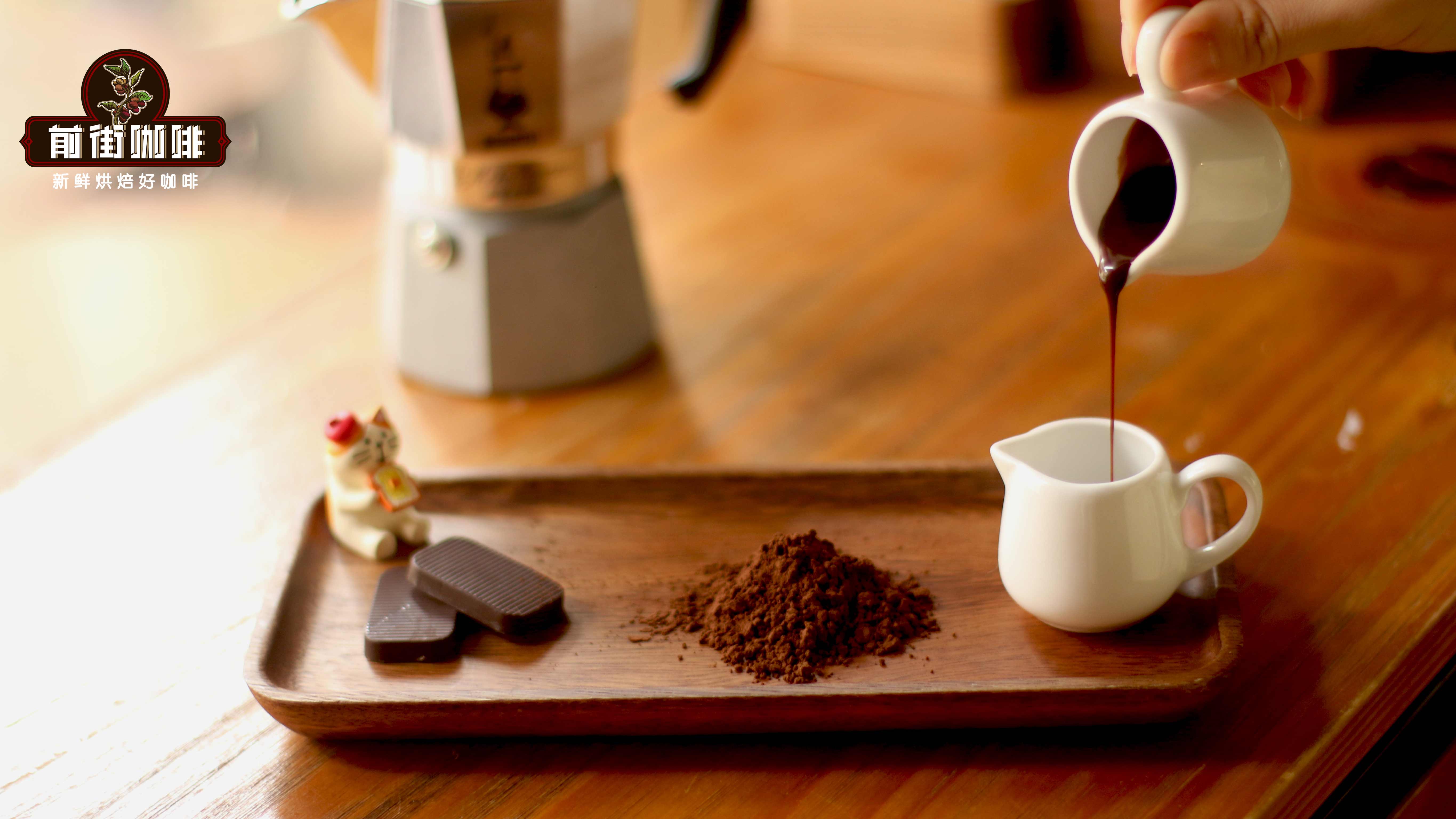
To make a hot mocha, you’ll need basic materials and tools such as a coffee cup, a mixing container (optional), a filter (recommended), milk, espresso, chocolate sauce, and cocoa powder. It’s recommended to use a dark roasted blend to enhance compatibility with the chocolate flavor. For example, a classic Italian blend composed of beans from Brazil, Indonesia, and Vietnam, when dark roasted, can exhibit rich aromas of caramel, cream, and whiskey, complementing the chocolate base beautifully. After extracting a shot of espresso, you can use its residual heat and stirring to quickly integrate the chocolate sauce and cocoa powder. (In practice, you can use parameters such as 19.8 grams of coffee grounds, extracting about 38 milliliters over approximately 28 seconds.)
After the initial mixing, it’s recommended to use a filter to remove any undissolved cocoa powder particles to ensure a smooth, grit-free drinking experience. While this step isn’t absolutely necessary, it can significantly improve the overall refinement of the drink. (If you don’t mind slight graininess, you can also complete all steps directly in the cup.) Next, you can lightly dust the surface of the coffee with a small amount of cocoa powder using a sieve to enhance visual appeal and aromatic complexity. Then, froth the milk to around 65°C—this temperature helps bring out the natural sweetness of lactose while forming fine microfoam to enhance the overall creamy texture. The recommended ratio of milk to coffee is 1:4, meaning 50 milliliters of base to 200 milliliters of milk. Finally, slowly combine the frothed milk with the base. If you wish to latte art, note that the higher viscosity of the base may require slightly more milk to improve fluidity, making patterns easier to form.


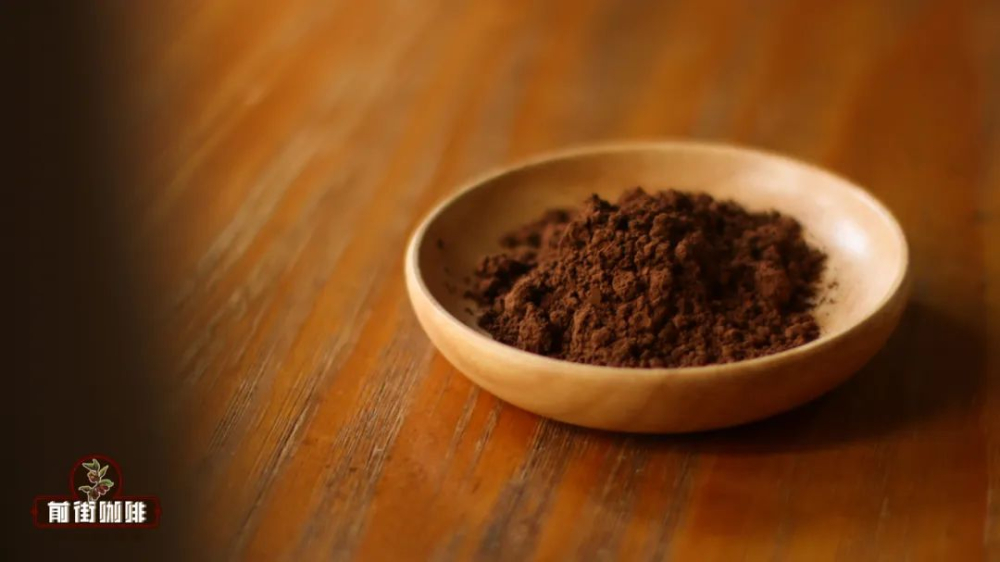
As for iced mocha, the addition of ice cubes dilutes the overall volume, so the amounts of chocolate and cocoa powder need to be adjusted to compensate for the flavor. It’s recommended to increase the chocolate sauce from 15 milliliters to 20 milliliters and the unsweetened cocoa powder from 5 grams to 8 grams, ensuring the chocolate flavor remains unaffected by dilution. To prepare, first follow the same steps for the chocolate coffee base as with a hot mocha, then in the cup, add about 90 grams of ice cubes followed by 160 milliliters of milk, and finally pour the rich chocolate base on top to complete the drink. (For enhanced visual appeal, you can also pre-coat the inner wall of the glass with chocolate sauce.) Remember to stir well before drinking to ensure all elements are evenly combined. If possible, adding whipped cream or a milk cap can further enhance texture layers, making the iced mocha even richer and more enticing.
The above content is compiled by CoffeeHunters, a coffee news website.


