








Introduction:Africa and the Americas are the two major regions for specialty coffee production worldwide, each showcasing unique flavor profiles. From the berry aromas of Kenya to the citrusy honey notes of Panama, differences in geography and processing methods shape distinctly different coffee characteristics. This article will delve into the representative producing regions and their features on both continents, helping you choose the right coffee beans based on your personal taste preferences and master brewing essentials.
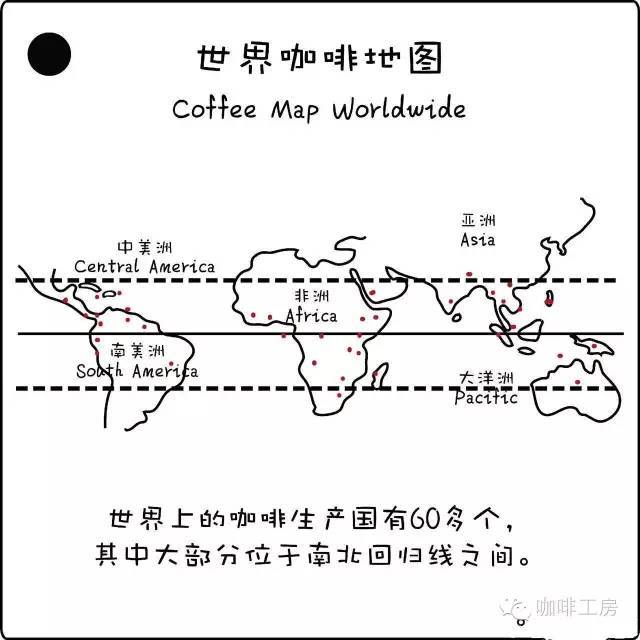
What makes specialty coffee so captivating is not just the variety and processing techniques, but also the subtle differences in terroir. Sunlight, rainfall, altitude, soil structure, and post-harvest processing methods all profoundly influence the final flavor expression of coffee. Global specialty coffee is primarily concentrated within the "Coffee Belt" between 25 degrees north and south latitude. Within this zone, areas at altitudes of 1,000 to 2,000 meters, with average annual temperatures of 15 to 25°C and annual rainfall of 1,500 to 2,000 millimeters, are most suitable for cultivating high-quality coffee beans.
However, even within the "Coffee Belt," the African and American continents, due to differences in terrain, climate, and cultural background, produce coffees with markedly different flavor traits. African coffee is known for its bright acidity and bold aromas, while American coffee emphasizes balanced acidity and sweetness with a smooth and mellow profile. Next, we’ll take an in-depth look at the flavor characteristics, representative producing regions, and bean varieties of both continents, along with practical drinking and brewing suggestions.

African Coffee: Bright Acidity, Bold Aromas
The most prominent feature of African coffee lies in its rich fruit acidity and abundant floral and fruity aromas, which are closely related to the region’s high altitude, strong sunlight, and unique soil conditions. Most African specialty beans are processed using the washed method, ensuring a clean flavor profile and a lower defect rate. Their flavors often exhibit bright citric acid, berry sweetness, and even hints of wine or floral notes. The acidity is vibrant, offering a refreshing taste upon entry, though body and sweetness are generally less pronounced compared to beans from the Americas.
Kenya
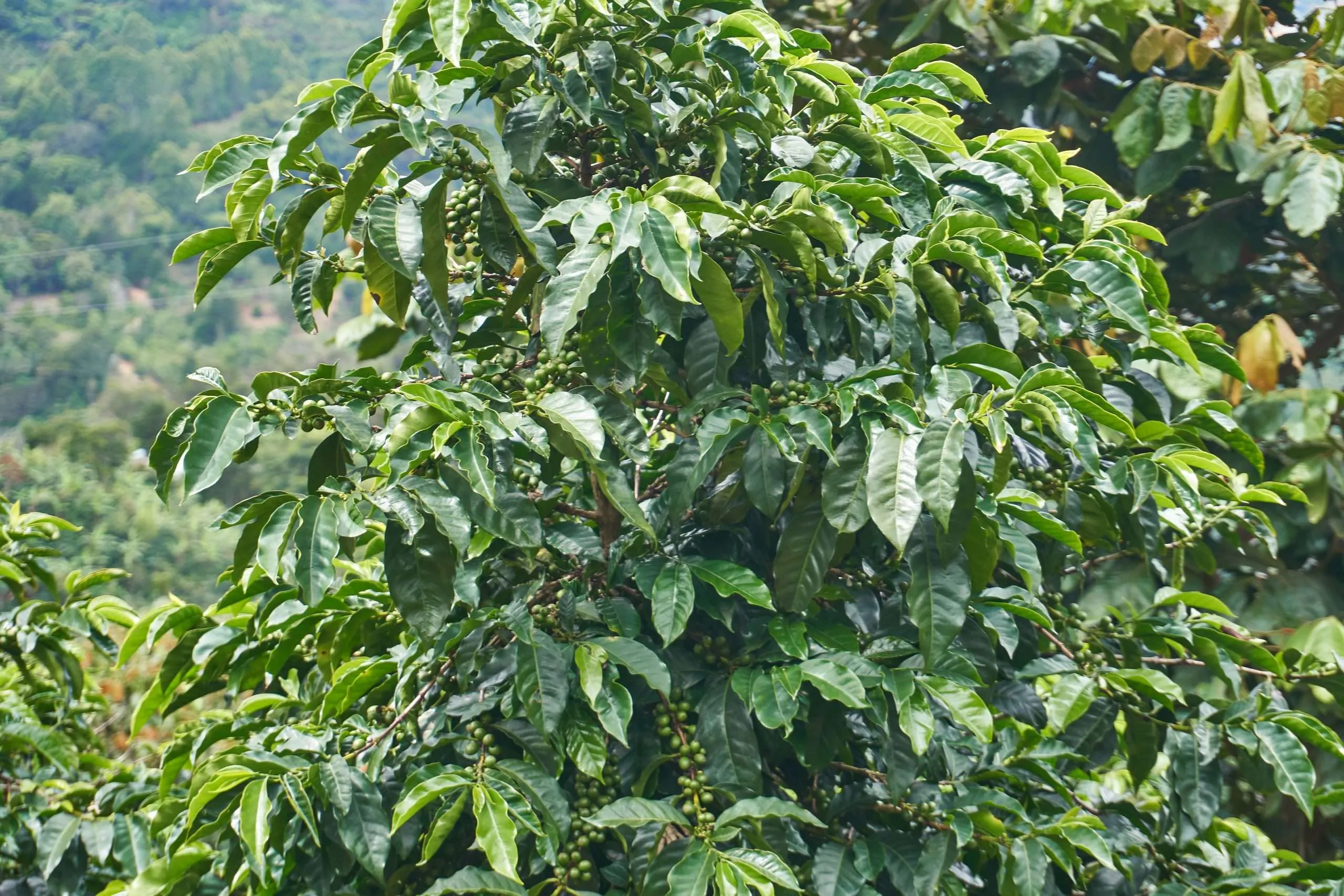
Kenyan coffee is predominantly high-quality Arabica, especially the renowned Kenya AA grade, considered one of the finest among African coffees. Its beans are plump, with pronounced acidity and wine-like notes paired with intense berry tones, making it particularly favored in the European market. Kenya’s main coffee-producing regions are managed by cooperatives composed of numerous smallholder farmers, alongside large farms, allowing microclimatic variations to subtly express themselves in the flavors.
Kenya commonly uses the SL28 and SL34 varieties, which were cultivated by the Scott Laboratories in the 1930s as disease-resistant, high-yield strains highly adapted to Kenya’s high-phosphorus soils. These varieties produce unique plum and citrus acidity. When tasting Kenya AA-grade coffee, one often experiences distinct black plum and cherry tomato acidity, accompanied by the lively acidity of nectarines. As the temperature cools slightly, a corn-like sweetness emerges, resulting in a well-layered and refreshingly clean cup.
Ethiopia
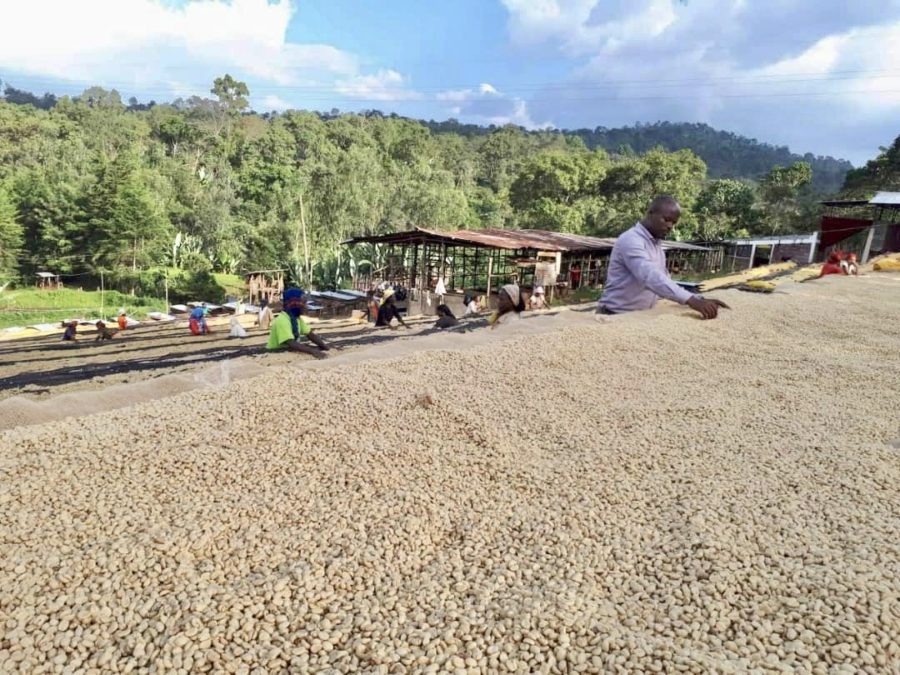
As the birthplace of coffee, Ethiopia boasts over 2,000 coffee varieties, the majority of which are heirloom types, hence its globally renowned diversity and unpredictability in coffee flavors. Yirgacheffe and Sidamo are two well-known producing regions, both located near the East African Rift Valley, enjoying exceptional microclimates and high altitudes.
Coffee from the Sidamo region, due to variations in soil and microclimate, can exhibit different flavor profiles even within different blocks, making it a typical terroir-driven producing area. Its green beans often appear uneven in size, but the acidity is soft yet layered, balanced and mellow, with delicate floral and herbal notes. Coffee here is typically processed via washed or natural methods, with washed Sidamo being known for its clear fruit acidity and clean finish.
American Coffee: Balanced Acidity & Sweetness, Smooth & Mellow
Compared to the vivid fruit acidity of African coffee, American coffee places more emphasis on balanced acidity and sweetness with a rich mouthfeel. Coffees in this region are mostly grown on mountainous slopes, hand-picked, and primarily processed using the washed method, resulting in larger and more uniform bean sizes with low defect rates. The overall flavor profile is clear, often featuring rich base notes of chocolate, caramel, and nuts, with soft acidity that interacts harmoniously with sweetness.
Brazil
As the world’s largest coffee producer, Brazilian coffee is known for its stability, neutrality, and suitability for blending. Major producing regions such as Cerrado and Santos yield coffees with low acidity, high body, and distinct notes of nuts and chocolate, making them ideal as a base for espresso blends. Brazil mostly employs semi-washed or mechanical harvesting methods, and some premium Brazilian beans can also exhibit noticeable sweetness and citrus tones, appealing to consumers who prefer low-acid, mellow flavors.
Recommended to try the classic Brazilian Cerrado Red Bourbon, which has a stable flavor profile with distinct caramel and nutty notes, suitable for single-origin enjoyment or as a base bean for espresso.
Colombia
Colombia is famed for its mountainous slope cultivation, primarily growing Arabica varieties and relying on hand-picking and washed processing, resulting in coffee with balanced acidity and sweetness and a smooth texture. Well-known producing regions such as Huila, Meta, and Armenia produce coffees often characterized by berry acidity, chocolatey finishes, and moderate sweetness. Coffee from Colombia’s MAM region is favored by roasters worldwide for its consistent quality and uniform flavor.
Honduras
Honduran coffee was once known for its large quantity but mediocre quality, but in recent years, improvements in processing techniques and the promotion of international certifications have led to significant progress. High-altitude regions such as SHG (Strictly High Grown) offer noticeable sweetness and spicy notes, suitable for medium to dark roasting, bringing out caramel, nutty, and mellow fruit flavors. Medium roasting can highlight rich fruit acidity and sweetness, ideal for pour-over enthusiasts exploring different flavor layers.
Panama
Panama gained fame for the Geisha variety, especially in the high-altitude Boquete region where complex and varied microclimates create exceptionally layered coffee flavors. Geisha coffee is renowned for its extremely high clarity of acidity, with notes of jasmine, citrus, honey, and tropical fruits, making it a prized choice for many coffee aficionados.
For brewing Geisha, a light roast is recommended to preserve its vibrant acidity and complex aromas. When using pour over, opt for medium-fine grind and a water temperature of 90–92°C, carefully controlling the flow rate and brew time to fully showcase its complete flavor spectrum.

The above content is compiled by CoffeeHunters, a coffee news website.


