







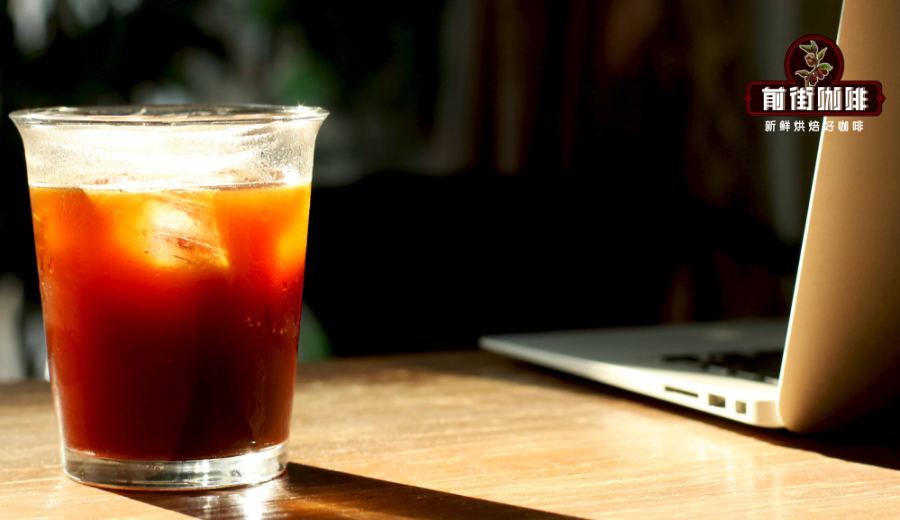
Introduction:Although Americano may seem simple, it actually demands a high level of precision in coffee bean selection and brewing techniques. This article delves into how you can easily brew a well-balanced Americano at home — one that is sweet and acidic, refreshing in mouthfeel, and completely free of bitterness — by choosing the right beans, roast levels, and brewing parameters. Whether you prefer a bright fruity acidity, a rich and rounded body, or a balanced layered profile, you’ll find corresponding solutions and practical brewing suggestions here.
The essence of Americano lies in diluting espresso with hot or iced water, and its final flavor is greatly influenced by the type of coffee beans used and their roast level. When trying to make it at home, blended espresso beans and single-origin espresso beans (SOE) are the two most common choices. Blends emphasize flavor harmony and complementarity, while SOEs highlight the unique characteristics of a single origin. If you want to brew a non-bitter, well-layered Americano at home, this article will guide you step-by-step — from bean selection strategy and flavor preferences to actual brewing parameters — to craft your ideal coffee experience.
First, let’s get to know the two common types of coffee beans. Blended coffee beans are typically made by combining beans from two or more different origins or varieties, achieving balance and complexity through the interplay of different flavors. For example, if a certain bean is smooth but lacks aroma, it can be blended with a highly aromatic bean to complement each other. Generally, it’s recommended to limit blends to no more than three types of beans to avoid flavor confusion due to too many components.

In contrast, an SOE uses beans from a single origin, focusing on showcasing the unique terroir and variety characteristics of that region. These beans usually have a distinct personality, but are also relatively more sensitive; if the bean quality is unstable, flaws can easily show. Therefore, using SOEs demands higher brewing skills and is commonly featured in specialty cafés offering more expressive options.
For readers who want to make a non-bitter Americano at home, we’ve compiled three main flavor directions along with their corresponding bean types and brewing recommendations:
Americano with a brighter acidity
A brighter taste usually comes from lighter roasts, which retain more fruity acids and original flavor compounds, but are also relatively harder to fully extract into a rich body. Common examples include beans with strawberry and guava notes, as well as those showcasing citrus and lemon acidity. For brewing, use a dual filter basket with about 18 grams of coffee grounds (±1 gram), extract 36 grams of coffee, and aim for a brew time of 28 seconds. Then pour the coffee into a 330 ml cup filled with ice and water. Adjust the water amount based on your taste — reduce the water proportion if you prefer a stronger flavor.
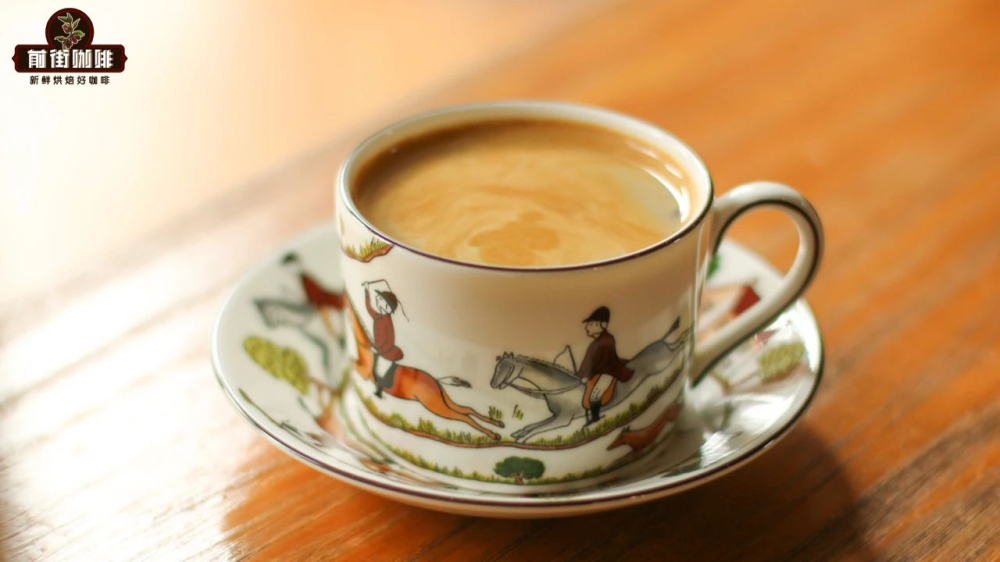
Americano with a richer body
If you prefer an Americano with a fuller body, lower acidity, and flavors of caramel and chocolate, opt for medium-dark to dark roasted beans. The caramelization process during dark roasting brings richer sweetness and oiliness. For instance, a medium-dark blend combining beans from Colombia, Brazil, and Robusta can showcase a combined flavor of caramel sweetness, nuts, and dark chocolate, with balanced acidity and sweetness and a long aftertaste. The brewing recommendation is also 18 grams of coffee for 36 grams of extraction, but reduce the time to 25 seconds, then pour into a 330 ml cup with ice and water.
Balanced Americano without acidity or bitterness
If your goal is an Americano with a neutral, well-rounded flavor — neither too much of anything — medium-roasted beans are the best choice. Medium roast preserves moderate acidity and sweetness while suppressing excessive bitterness. We recommend a blend of Colombian and Costa Rican beans, featuring notes of strawberry, grape, almond, and cream, with medium body. When brewed as an Americano, it offers soft floral and fruity aromas, a refreshing mouthfeel, and almost no bitterness. Suggested brewing is 18 grams of coffee for 36 grams of liquid, extending the time to 33 seconds, then pouring into a 330 ml cup with a mix of ice and water.
No matter which beans you choose, mastering the correct brewing time, coffee-to-water ratio, and grind size are all key factors affecting the final flavor. In addition, it’s recommended to use freshly roasted coffee beans and store them properly in a light-proof, moisture-proof container to maintain optimal flavor.
Finally, there’s unique joy in tasting an Americano you’ve made yourself. First, take a sniff close to the rim of the cup to perceive the layers of aroma released by the coffee; next, observe the color of the coffee liquid — ideally it should be deep brown, not overly black or burnt-looking; finally, take small sips to first appreciate the raw flavors of black coffee, paying attention to the balance between acidity, sweetness, bitterness, and body. Then slowly swallow, letting the coffee linger in your mouth, mix with saliva, and then go down, to fully experience its aftertaste and layers.
The above content is compiled by CoffeeHunters, a coffee news website.


