







Introduction:Indonesian coffee holds a unique and richly flavored position in the global specialty coffee scene, with Sumatran Mandheling being the most renowned. Beyond the classic Golden Mandheling and Lintong Mandheling, there are also legendary varieties like Kopi Luwak. This article takes an in-depth look at representative Indonesian coffee brands, explores the characteristics and flavor profiles of Sumatran Mandheling, and provides practical pour over parameters and brewing tips to help you fully grasp the essence of Indonesian coffee.
Indonesian coffee has always maintained a significant presence in the international specialty coffee market. Its deep, full-bodied taste and unique regional aromas captivate many coffee enthusiasts. Among the various Indonesian coffees, Mandheling is undoubtedly the most iconic, but Indonesia’s coffee world is far more diverse than just Mandheling alone. This article will introduce readers to several key Indonesian coffee brands, focus on analyzing the regional characteristics and flavor expressions of Sumatran Mandheling, and also offer practical pour over suggestions for classic beans like Golden Mandheling, helping you explore the diverse charm of Indonesian coffee more deeply.
When it comes to Indonesian coffee, many people first think of its bold, heavy body paired with distinctive herbal notes. Among them, Mandheling is not only the most representative calling card of Indonesian coffee but has almost become synonymous with it. Among the many brands supplying Indonesian coffee, there are not only classic options like Golden Mandheling and Lintong Mandheling, but also rare and expensive Kopi Luwak, showcasing Indonesia’s richness as a major coffee-producing nation.
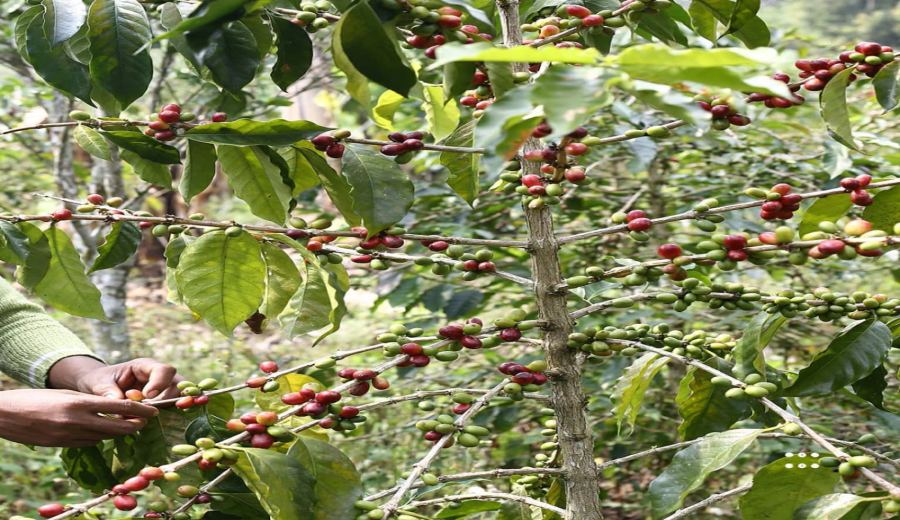
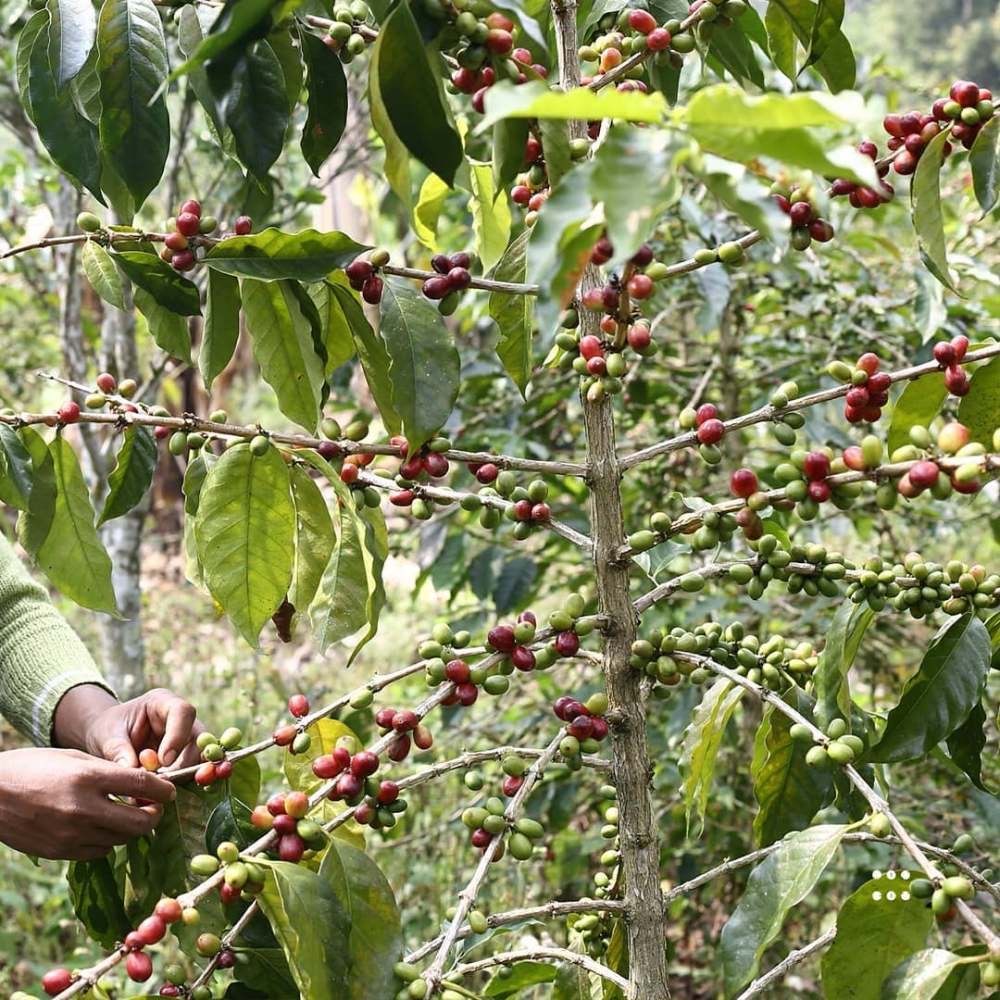
Indonesia has multiple natural environments suitable for coffee cultivation, with the most famous coffees coming from Java, Sumatra, and Sulawesi. These regions not only have favorable climates but also elevations that help produce coffee beans with intense flavors and rich layers. Generally speaking, about 90% of Indonesian coffee is Robusta, which is also widely recognized internationally for its quality; Arabica, on the other hand, is mostly grown in high-altitude areas like Sumatra, giving rise to classic flavors such as Mandheling.
Let’s first take a look at some representative Indonesian coffee brands. Luwak White Koffie is the brand behind what is known as the “world’s most expensive coffee,” Kopi Luwak. Its name blends Indonesian, English, and Dutch, highlighting the Luwak (civet cat) ingredient while also reflecting the cultural and historical background of its origin. Another noteworthy brand is Indoluak Kopi Co, an Indonesian international coffee enterprise established in 2015 with an annual production capacity of 100 metric tons. Its product line includes a variety of high-quality single-origin Arabica green beans from Sumatra, Java, Bali, Sulawesi, and Papua, such as Lintong Ruby Mandheling, Flores Floral Series, and Java Papandayan. From cultivation to packaging, strict standardization ensures each bean showcases the unique terroir of the equatorial region.
Among well-known local Indonesian brands, PT Santos Jaya Abadi’s Kapal Api (Ship Brand) is a familiar name to many consumers, while its extension brand Good Day dominates the Indonesian instant coffee market. Good Day carefully selects fresh coffee beans and is beloved by domestic and international consumers for its rich and bold flavor, with products exported to many countries. Additionally, Golden Rabbit Coffee from Bali is also a longstanding local brand. Its coffee beans are produced by grafting Arabica roots with Robusta branches and leaves, resulting in a golden hue, captivating aroma, and relatively lower caffeine content, showcasing the unique qualities of Balinese coffee.
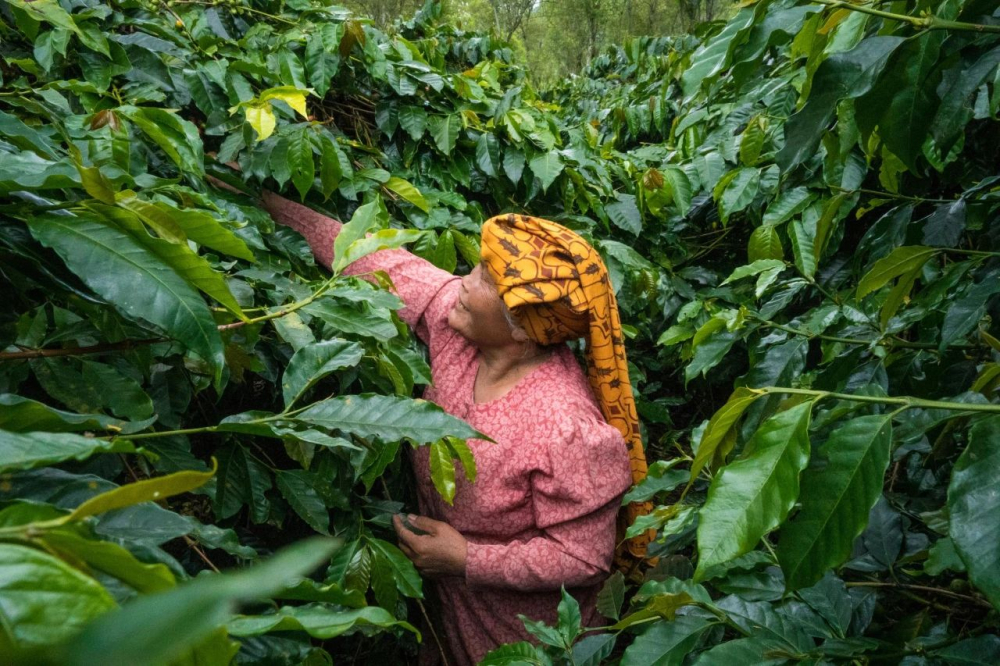
Focusing on Sumatran Mandheling, this classic bean variety is known for its full-bodied and solid mouthfeel, low acidity, and distinct herbal and spicy notes. A well-known coffee brand’s classic Golden Mandheling has green beans sourced from Gayo Mountain in Aceh, Sumatra, produced by Indonesia’s officially certified PWN company. Each batch comes with PWN certification to ensure authenticity. These beans are G1 grade, hand-sorted three times, selecting only those above 19 mesh size with minimal defects. The washed processing method gives it a clean and bright base, with flavors often including toasted bread, nuts, pine, caramel, chocolate, and herbs.
When brewing Golden Mandheling, it is recommended to highlight its full-bodied yet clean taste, emphasizing caramel sweetness, chocolate, and herbal aromas, while avoiding bitterness from over-extraction. Specific brewing parameters are suggested as follows: use 15 grams of coffee grounds, with a medium grind size (approximately 75% passing through a #20 sieve, slightly finer than typical hot brew settings), and water temperature controlled at 88°C (a moderately high temperature for dark roasts). Use a Kono dripper. The brewing technique employs the classic three-pour method: the first bloom pour uses 30 milliliters to ensure even saturation and proper degassing of the coffee grounds; the second pour adds 100 milliliters to bring out the main flavors; and the final pour adds another 95 milliliters to enhance sweetness and body. This approach fully releases Golden Mandheling’s rich caramel sweetness, nuttiness, and chocolate notes, delivering a thick and balanced cup profile.
The above content is compiled by CoffeeHunters, a coffee news website.


