







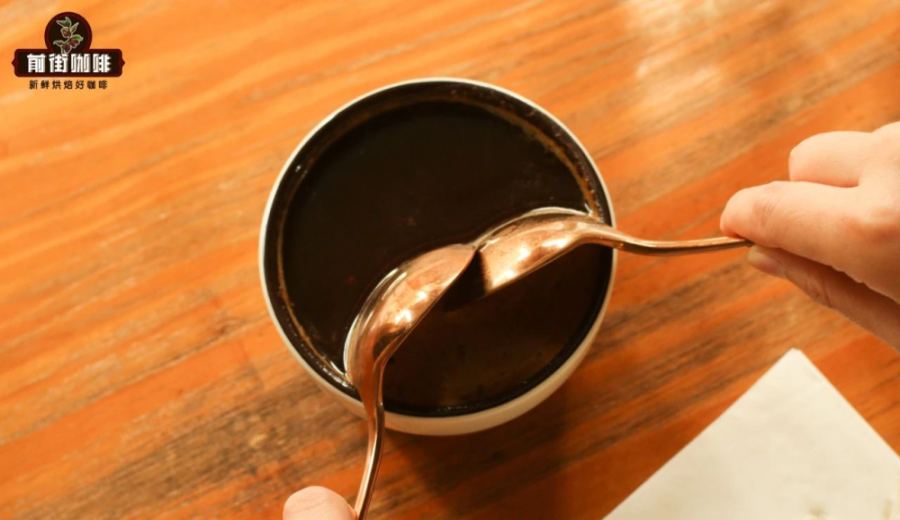
Introduction:After coffee beans pass their peak freshness, their aroma and flavor often deteriorate significantly, but you can still improve the taste by adjusting pour over parameters. This article explains in detail how to achieve better flavor by modifying grind size, pouring technique, and swirling method—even with less fresh beans. It also shares several practical ways to reuse expired coffee beans, from deodorizing to making natural dyes, all eco-friendly and useful.
The "peak freshness" of coffee beans generally refers to the period about 4 to 6 weeks after roasting, when the fruit acidity, floral notes, and sweetness are most pronounced, resulting in a rich, layered cup with a distinct aftertaste. However, once this period is exceeded, many of the enjoyable flavors gradually diminish or even disappear completely.
Although we can’t restore coffee beans to their fresh state, by finely adjusting pour over parameters such asgrind size, pouring technique, and blooming method, we can still optimize brewing performance to some extent, allowing mediocre-tasting beans to deliver a decent drinking experience.
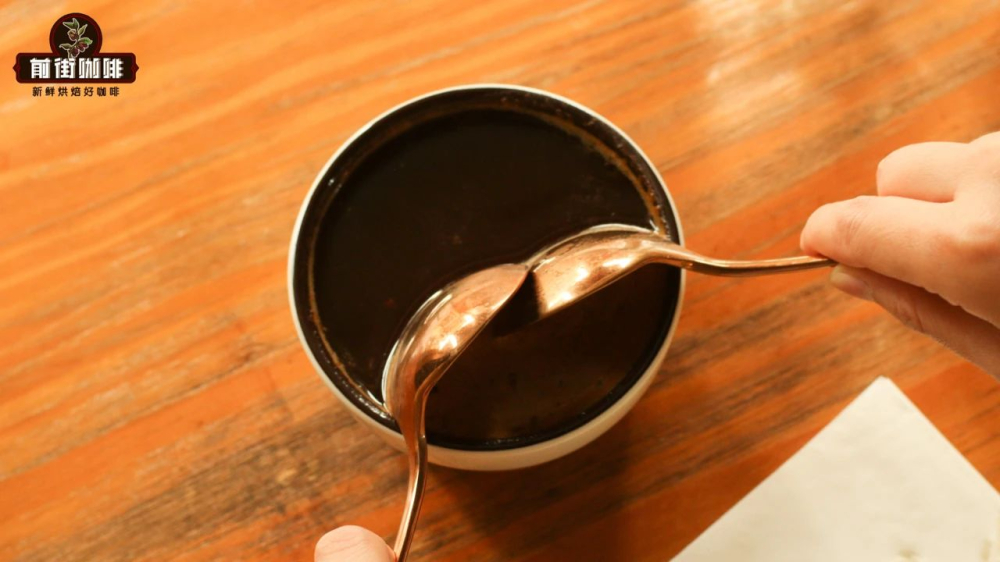
The so-called "peak freshness" is not the same as the "expiration date." Peak freshness refers to the golden stage when coffee can exhibit full body, vibrant aroma, and lively taste during brewing, typically occurring around 4 to 6 weeks post-roast. Once this period is over, the expected floral and fruity notes, bright acidity, and rich sweetness will noticeably weaken.
Although the decline in flavor is hard to reverse, by adjusting brewing strategies—such asmodifying grind coarseness, extending bloom time, and controlling pour rate—you can still make the coffee smoother and reduce excessive sourness or emptiness.
When coffee beans are no longer fresh, the most common issue is minimal reaction during the bloom phase—little to no expansion of the coffee grounds and no visible gas release after pouring water. This indicates that the grounds haven’t been evenly moistened inside and out, causing hot water to pass through the bed too quickly, failing to extract internal compounds effectively, and ultimately resulting in a thin, one-dimensional cup.
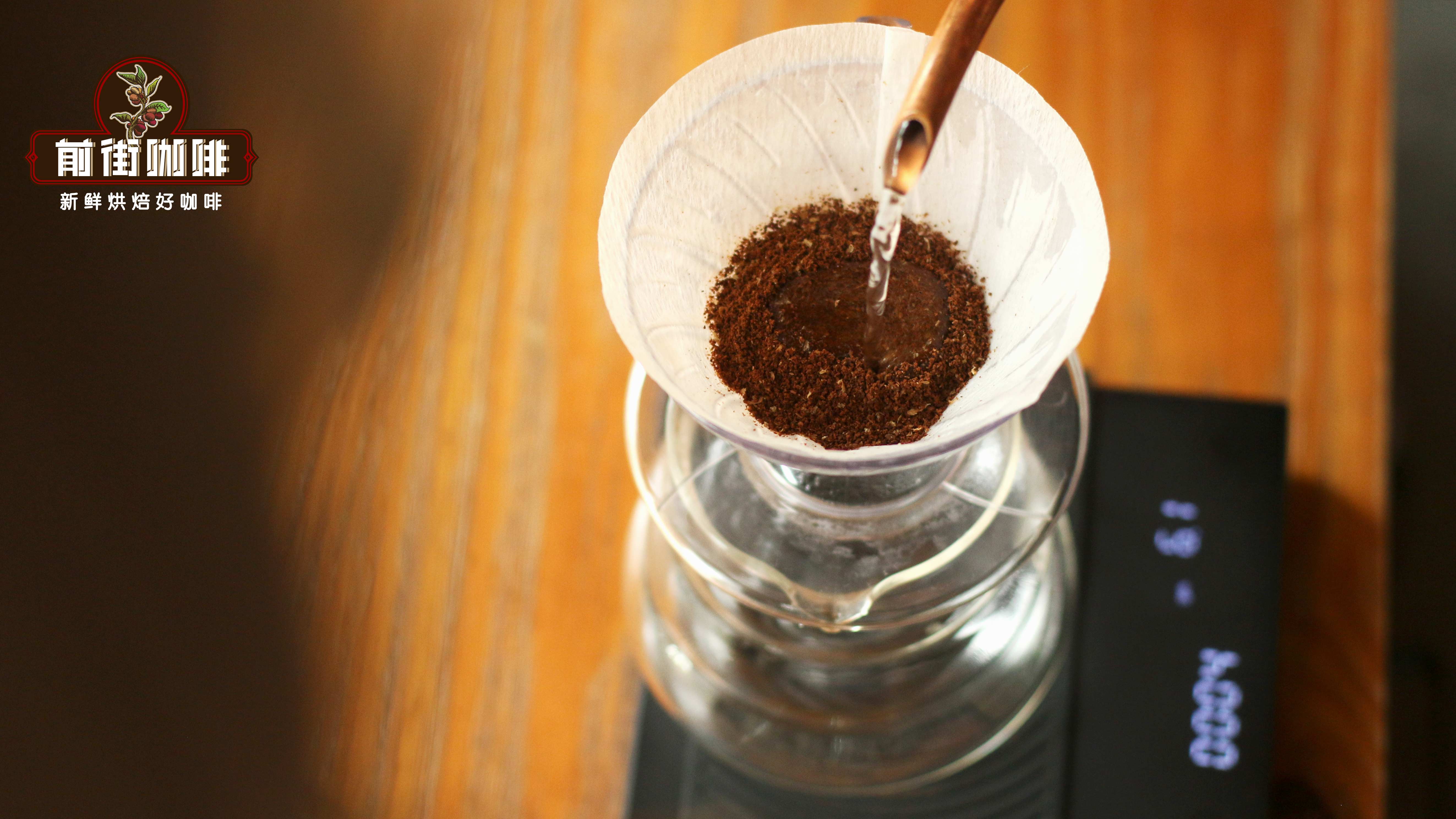
To address this, it’s recommended toextend the bloom time and slow down the pour rate. For example, when using 15 grams of coffee, pouring 30 milliliters of hot water, it’s advised to use a finer stream and pour continuously for about 13 seconds, then let it sit for 5 to 7 seconds, keeping the total bloom time around 20 seconds. This approach helps the coffee grounds absorb water evenly and release gases, thereby improving subsequent extraction efficiency.
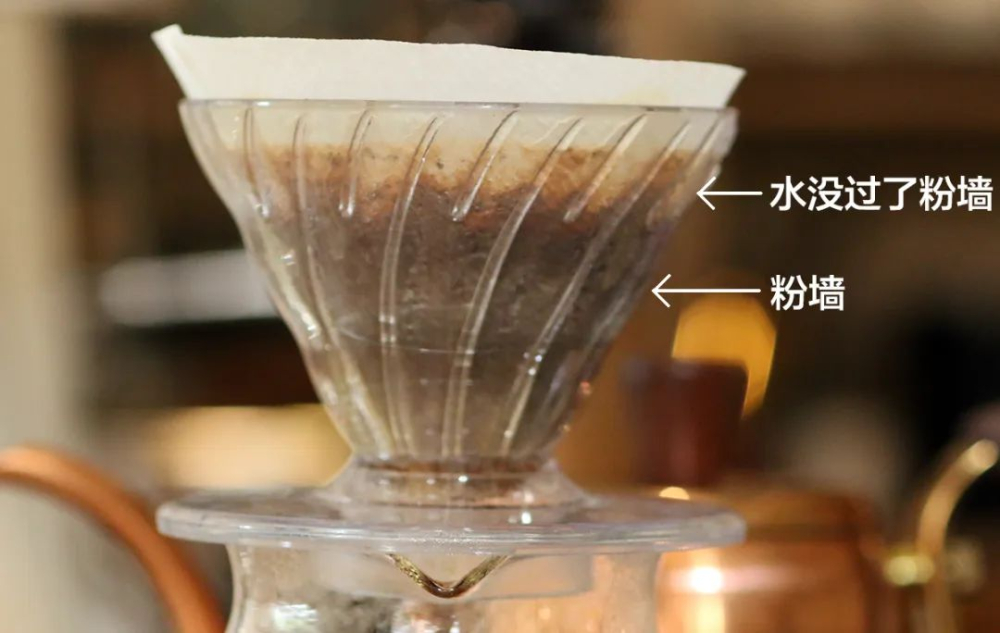
Additionally, avoid overly large swirling motions during subsequent pours to prevent disturbing the already loose coffee bed, which can prevent a proper “coffee wall” from forming, cause water to channel through directly, and affect extraction uniformity. At the same time, don’t pour from too high, as the fast-moving water may wash away surface fines without adequately agitating the inner layers.
Many people choose to skip the bloom step when brewing less fresh beans, assuming that since no gas is released, blooming is pointless. But in reality,blooming not only helps release gases but is also a key step for evenly wetting the coffee grounds. For beans that have lost their vibrancy, a careful blooming process becomes even more important.
In summary, here are several practical brewing adjustments for dealing with less fresh coffee beans. First,it’s recommended to use a slightly coarser grind—for instance, if you normally use setting 10 on an EK grinder, adjust to 10.5—to reduce the risk of over-extraction and avoid excessive bitterness or off-flavors.
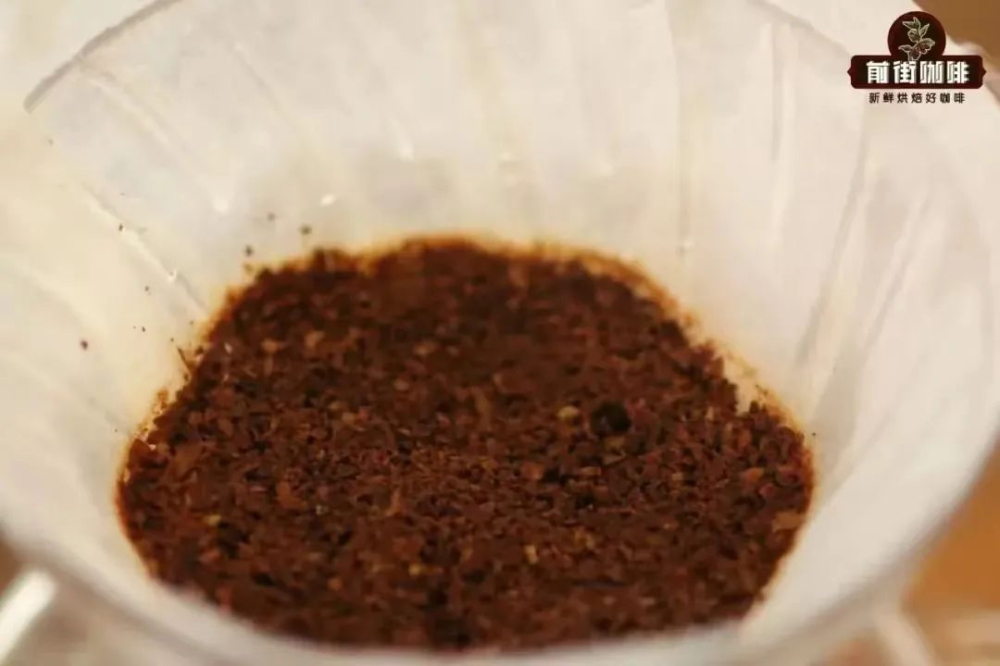
While these adjustments can optimize brewing performance to some degree, they can’t fully compensate for the loss of complex flavors due to reduced freshness. The impact of freshness on overall coffee quality remains a core factor that can’t be ignored.
Of course, as long as the coffee beans are still within the manufacturer’s stated shelf life (usually one year), they’re generally safe to drink even after peak freshness has passed. However, many coffee enthusiasts often face a dilemma at this point: throwing them out feels wasteful, but drinking them raises concerns about flavor quality.
In fact, expired but dry and mold-free coffee beans still have plenty of practical and eco-friendly reuse options. Below are several simple, down-to-earth methods to give your expired beans a second life.
● Odor Elimination
Coffee itself has excellent odor-absorbing properties. Placing expired beans in a sachet and putting them in spaces prone to odors—like shoe cabinets, refrigerators, or bathrooms—can help neutralize some smells and freshen the environment. However, note that coffee beanscannot absorb or break down harmful gases like formaldehyde, so they’re not recommended for new home renovation odor removal, but can serve as a supplementary measure for masking mild smells.
● Natural Dye
Powder made from expired coffee beans is an excellent natural dye. Whether you're making eco-friendly playdough with your kids or dyeing Easter eggs, it’s a creative way to avoid chemical dyes—especially ideal for families with children.
● Ashtray Helper
Grinding coffee beans into small to medium-sized particles and placing them at the bottom of an ashtray not only reduces the odor caused by cigarette butts touching the base directly, but also emits a faint coffee aroma when tapping ashes or extinguishing cigarettes, while making cleanup easier.
Through these methods, you can not only extend the usability of coffee beans but also add a bit of fun to daily life, practicing a sustainable lifestyle that values both environmental responsibility and creativity.
The above content is compiled by CoffeeHunters, a coffee news website.


