







Introduction:What’s the difference between common espresso blends and single-origin espressos (SOE)? This article provides a comprehensive analysis of their core differences—from formulation logic and flavor profiles to practical extraction methods. It also explores the three main purposes behind blending: stabilizing flavor, controlling costs, and creating complexity. Additionally, it offers hands-on parameters for the Sunflower Warm Sun Blend, including pairing suggestions for hot lattes and hot americano, to help you better understand the diverse expressions of espresso.
In the world of espresso, blends have long been the mainstream choice, while the recently rising single-origin espresso (SOE) brings a different flavor experience. Why do blends still dominate the market? What are the key differences between blends and SOEs in terms of flavor, stability, and extraction application? This article will delve into the definition of blends, the craft differences between pre-roast and post-roast blending, the core purposes behind blending, and through practical blending examples, analyze the real disparities in espresso performance between the two.
Blended coffee, as the name suggests, is made by combining multiple single-origin coffee beans in specific proportions. The original intent of this craft is to merge the strengths of beans from different regions—for example, using beans with prominent aromas to compensate for those that are smooth but lack fragrance, or using beans with higher body to balance overly bright acidity. Based on the blending timing, it can be divided into two main categories:Pre-roast blending (blending before roasting)andPost-roast blending (blending after roasting). Pre-roast blending emphasizes unifying the flavor direction from the early stages of roasting, while post-roast blending allows for adjusting the roast level according to the characteristics of each bean, enabling each bean to perform at its best.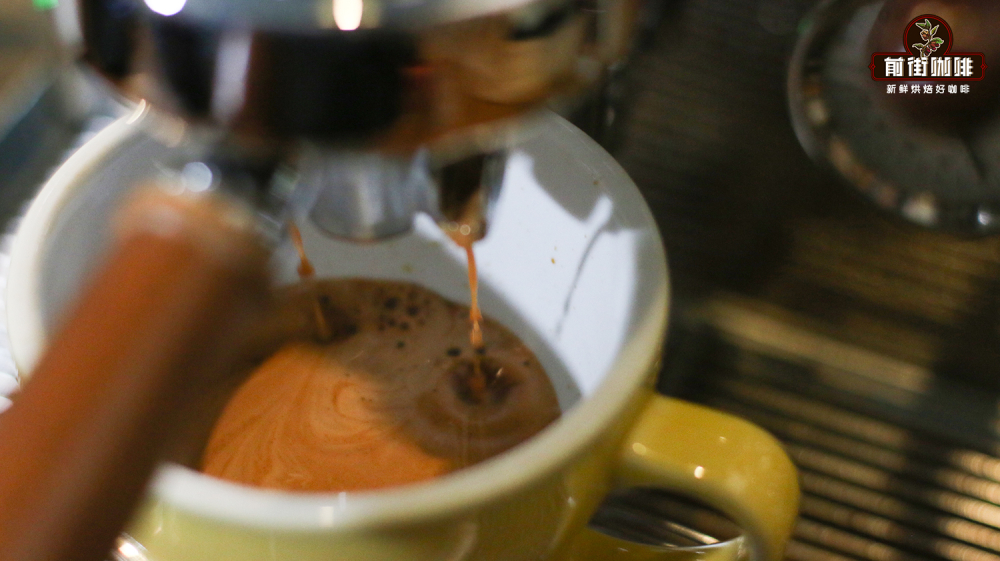
Many people wonder: why not just use single-origin beans? In fact, blends hold irreplaceable value. First, they can effectivelyreduce costs—some shops mix high- and low-priced beans to increase profits, but such blends often deliver mediocre flavor. Second,flavor stabilityis a core advantage of blends: since coffee is an agricultural product, the flavor of a single region’s annual harvest may fluctuate due to factors like climate and processing methods, whereas a well-designed blend recipe can maintain consistent taste by adjusting the proportion of bean varieties.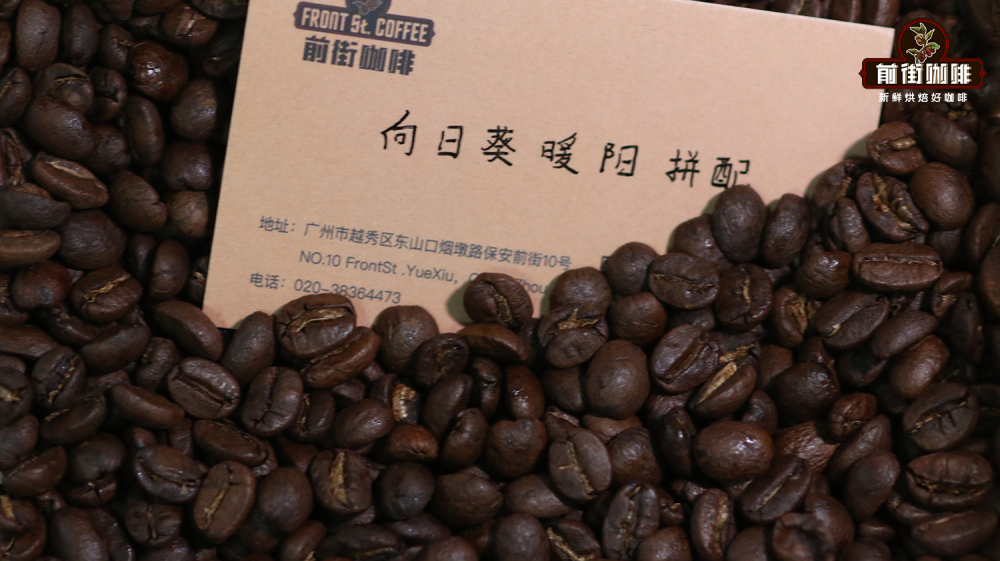 Lastly, blends can create complex layers that a single origin bean cannot achieve—such as using high-sweetness beans to neutralize acidity, or adding Brazilian beans to enhance a rich base.
It’s worth noting that the purpose of blending directly impacts the final flavor profile. If the goal is cost reduction, the flavor will naturally be limited; but if high-quality specialty beans are used and carefully blended, the result may even surpass some SOEs. The key lies in the design logic of the recipe and the pricing positioning—it’s not appropriate to directly compare the flavor differences between budget blends and premium SOEs.
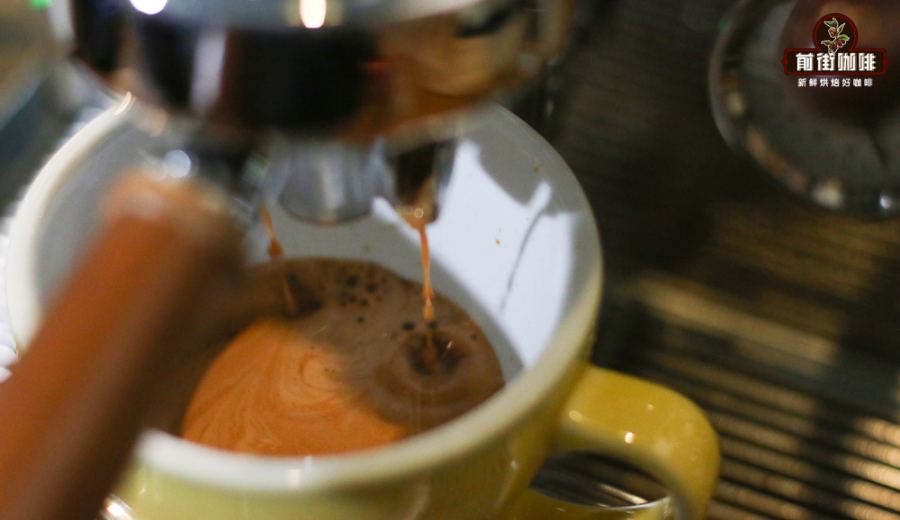
Traditional espresso blends are often used as the base for drinks like lattes and americanos, rather than for sipping espresso alone. Practical extraction reference: usingthe Sunflower Warm Sun Blend (70% Honduras Sherry + 30% Ethiopia Red Cherry), with a 20g dose and 26-second extraction yielding 40g of espresso, this recipe highlights pronounced fruity acidity, berry aroma, and wine-like notes, with a sweet and comfortable aftertaste.
If you prefer to drink espresso straight, SOE coffee can showcase the original flavor characteristics of a single region—such as the citrus notes of Ethiopian beans or the nutty finish of Colombian beans. In contrast, the strength of blends lies in “highlighting strengths and masking weaknesses”—using a combination of beans to conceal flaws in a single origin (like insufficient crema or overly sharp acidity), while enhancing the overall performance. Note that the number of bean varieties in a blend should ideally be kept between 2 to 4; too many can lead to flavor confusion.
For everyday drinking, blended espresso is often served with milk or water. Practical recipe suggestions: for a hot latte, use 40g of espresso with 240g of steamed milk to achieve a balance of creamy foam and coffee; for a hot americano, combine 40g of espresso with 200g of hot water for a smooth sip with fruity acidity and slight bitterness, and a clear aroma.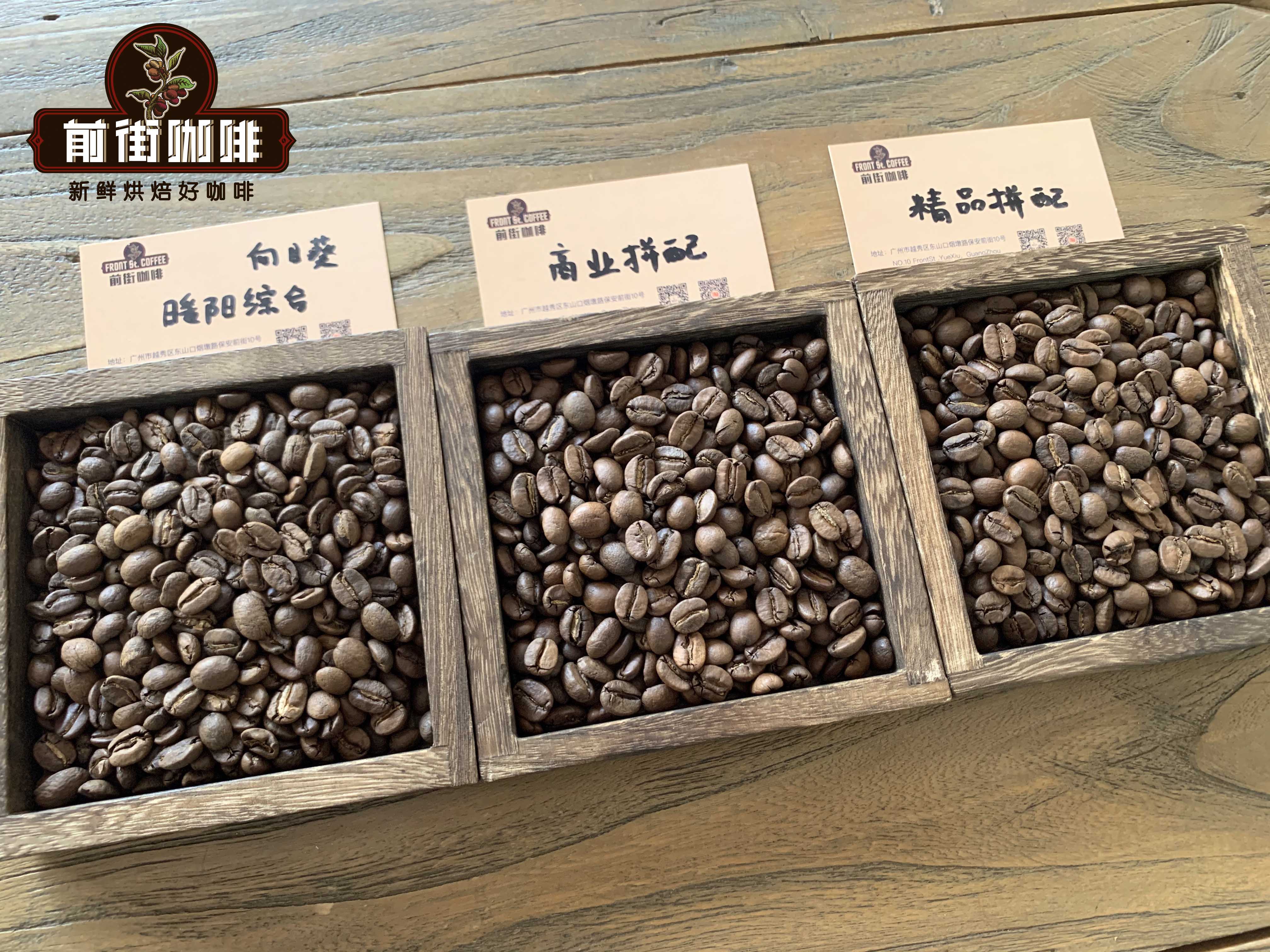
The above content is compiled by CoffeeHunters, a coffee news website.


