







Introduction:Drip bags combine the convenience of pour over with the flavor profile of specialty coffee, making them a daily choice for many busy professionals. But did you know that the correct brewing method can significantly enhance the taste? This article details drip bag brewing techniques, optimal coffee-to-water ratios, temperature control, and common misconceptions to help you brew professional-level coffee with simple tools.
As specialty coffee culture becomes more widespread, an increasing number of consumers are no longer satisfied with the monotonous taste of instant coffee and are seeking brewing methods that offer both convenience and quality. Drip bags, which are convenient to carry and can deliver flavor layers close to those of pour over, have gradually become the preferred choice for many coffee enthusiasts. However, what seems like a simple brewing process actually involves many key details that can affect the final flavor.
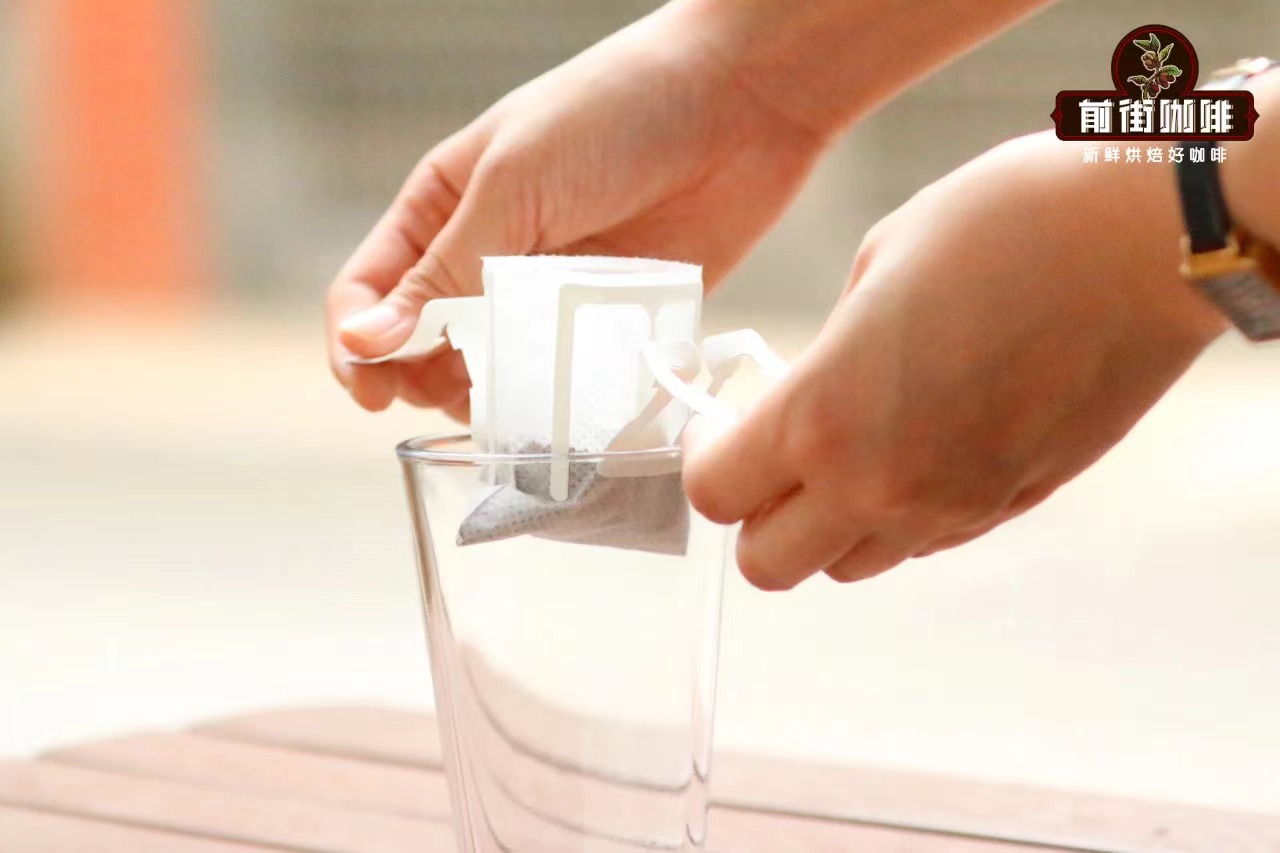
The brewing principle of drip bags is essentially the same as that of pour over coffee—both are drip extraction methods that use filter paper. This brewing method preserves the original flavor characteristics of the coffee beans while avoiding the bitterness caused by over-extraction. It’s worth noting that even this relatively simple brewing form requires mastering the right combination of parameters to achieve the best results.
The preheating step before brewing is often overlooked but has a significant impact on flavor presentation. Preheating the coffee cup with hot water at around 90°C can reduce the sharp drop in coffee liquid temperature after extraction. Studies show that the longer coffee stays within the optimal flavor temperature range (approximately 60-75°C), the more fully flavor molecules are released. This simple action allows you to experience brighter acidity and richer aroma layers.
Water temperature control is one of the key factors affecting extraction efficiency. For coffee beans of different roast levels, it is recommended to use differentiated water temperature settings: dark roast beans are suitable for medium-low water temperatures of 86-89°C, which can avoid the scorched bitterness brought by over-extraction; light roast beans are recommended to use higher water temperatures of 90-93°C, which helps to bring out more vibrant acidity and complex aromas. This temperature range can balance the extraction of soluble substances in coffee, including acidity, sweetness, and body.
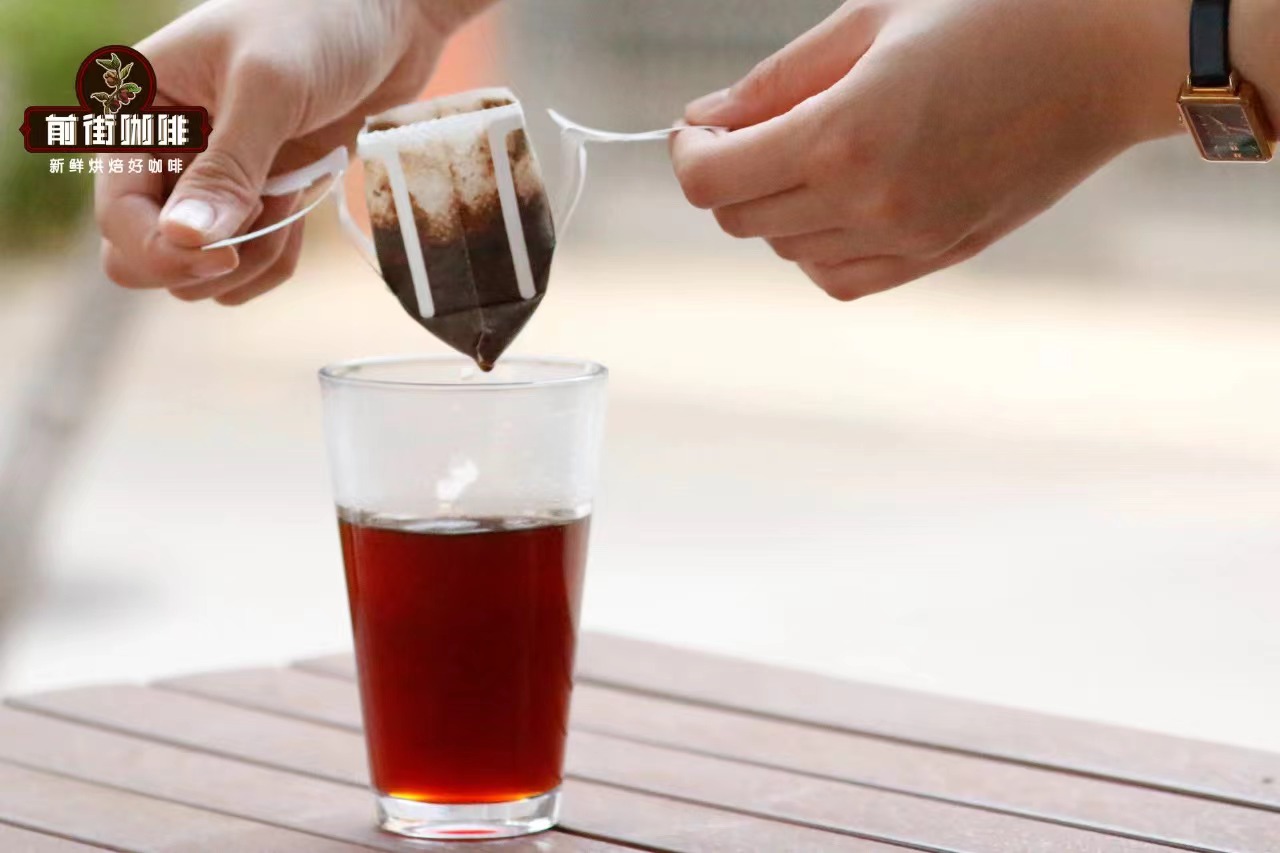
The standard brewing process for drip bags begins with the blooming stage, which is an important step to initiate the extraction reaction. It is recommended to use about 20 grams of hot water (equivalent to twice the amount of coffee powder) for 30-45 seconds of blooming, pouring evenly in a circular motion from the center outward. This process effectively releases carbon dioxide from the coffee powder while wetting all coffee particles, creating ideal conditions for the subsequent main extraction stage. After blooming, continue pouring water at a steady flow rate until the target total water volume is reached (usually recommended to be 150-200 milliliters).
The coffee-to-water ratio is the core parameter that determines coffee concentration and flavor balance. Generally, drip bags recommend using the golden ratio of 1:15 to 1:18 (such as 10 grams of coffee powder paired with 150-180 milliliters of water). This ratio range can present a clear flavor profile, neither too thin nor overly concentrated. It should be noted that pre-ground coffee from different brands may require slight adjustments in grind size due to variations in fineness. It is recommended to record the parameter combinations during your first attempt and gradually find your personal preference.
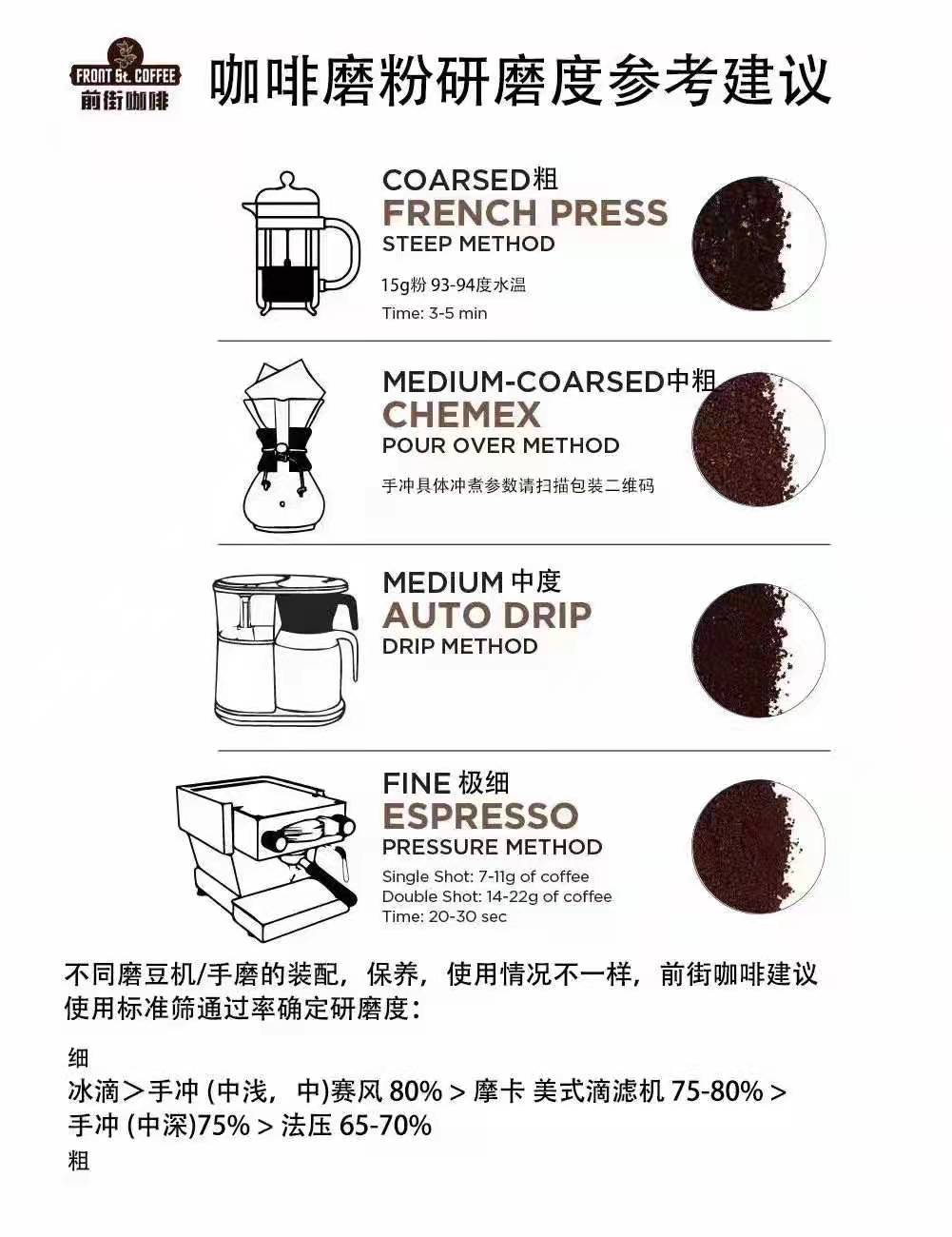
Grind size directly affects the speed of water flow and the uniformity of extraction. Commercially available drip bags usually use a medium-fine grind size (similar to the texture of fine sugar), which is suitable for most home brewing environments. If you adjust the grind size yourself, note that too coarse a grind can lead to under-extraction (flavorless taste), while too fine a grind may cause over-extraction (noticeable bitterness). Special reminder: pre-ground coffee powder is recommended to be used within 1-2 weeks of purchase to ensure flavor freshness.
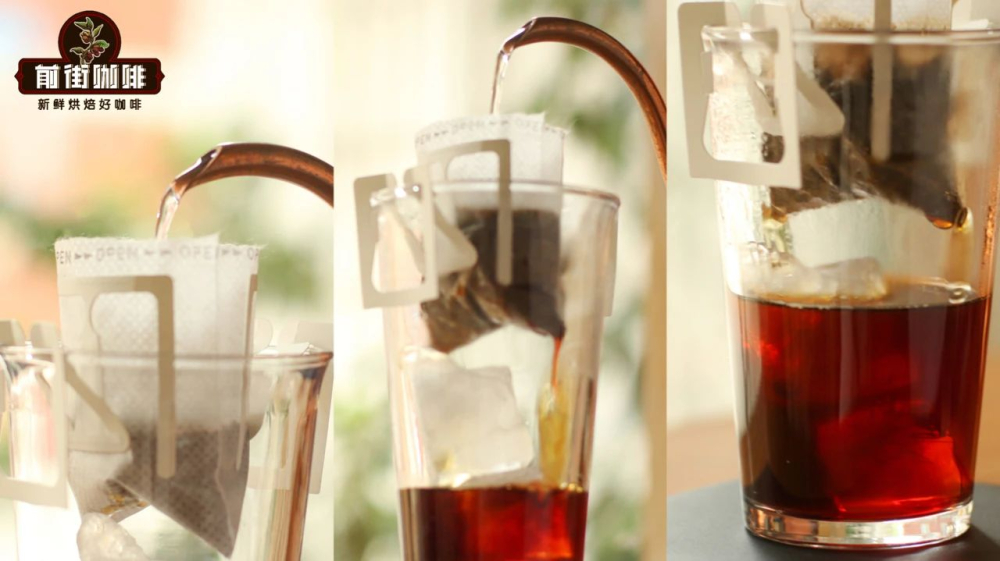
Regarding the issue of re-brewing, since the first brew has already extracted the vast majority of soluble flavor substances, the second brew not only has a noticeably diminished flavor but also becomes thin and has a distinct off-taste. The professional recommendation is to use the coffee grounds for deodorizing, dehumidifying, or gardening purposes after a single use to extend their remaining value. If you really want to make full use of them, it is recommended to use equipment that can increase pressure, such as an espresso machine, for secondary extraction, but the flavor performance still cannot compare to the first brew.
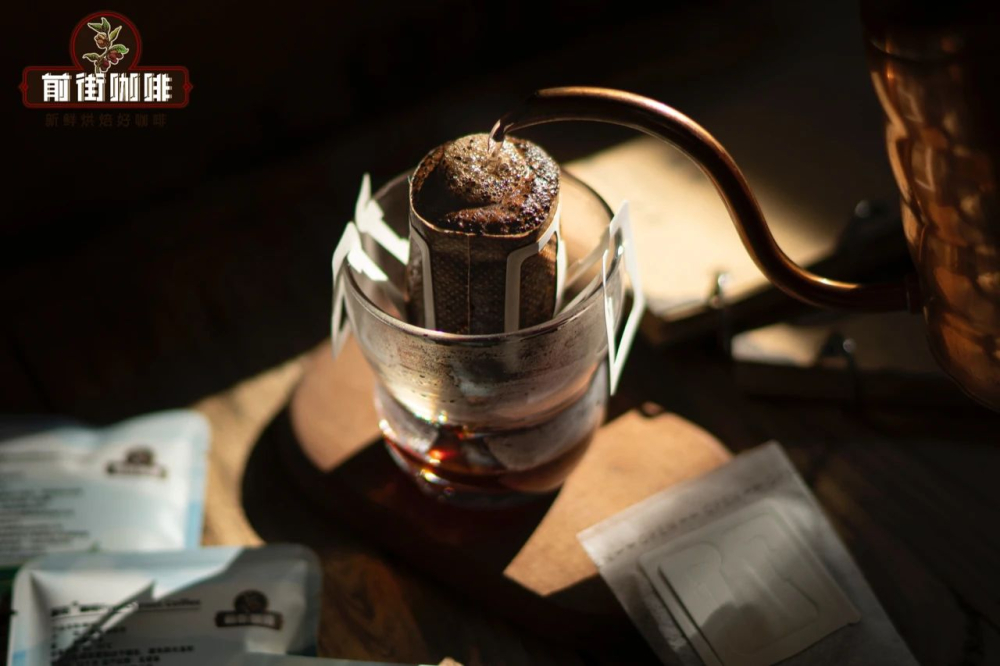
One common misconception is confusing drip bags with instant coffee. In fact, drip bags are purely packaged forms of freshly ground coffee, containing no additives or flavorings, and belong to the category of pure black coffee. This form retains the flavor characteristics of pour over coffee while significantly lowering the operational threshold, making it particularly suitable for modern lifestyle groups who pursue quality but have limited time.
The above content is compiled by CoffeeHunters, a coffee news website.


