







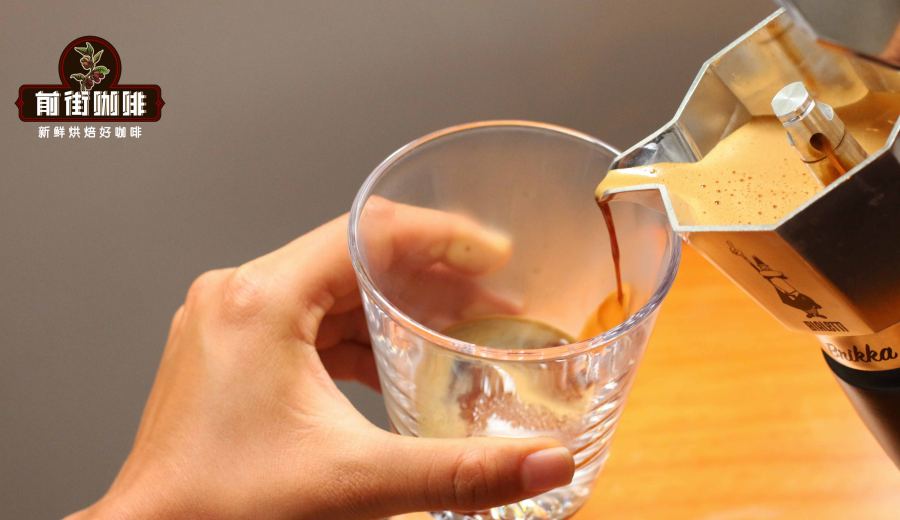
Introduction:Do the coffees you brew with your moka pot always turn out weak, lacking crema, or even have unwanted bitterness or sourness? These common issues are actually closely related to factors such as coffee bean selection, grind size, tamp pressure, and brewing process. This article delves into the underlying reasons for moka pot extraction failures, breaking down everything from bean variety and grind size to brewing conditions, and includes practical adjustment tips to help you master the correct method and brew rich, balanced coffee with an inviting layer of crema.
Common issues when brewing with a moka pot include overly light coffee flavor, lack of the desired crema layer, or even noticeable bitterness or sourness. These problems often stem from improper handling of details across multiple steps — including the roast level and type of coffee beans, grind coarseness, coffee dosage and tamping method, as well as heating and extraction timing. Understanding these influencing factors is key to making effective adjustments and achieving the rich coffee you desire.
Moka pot coffee too bitter or too sour? The reason may lie in roast level and grind size
A properly extracted moka pot coffee should have rich aroma and a balanced interplay of acidity, sweetness, and bitterness. If you find the coffee overly bitter or astringent, it’s likely due to using coffee beans that are roasted too dark or ground too finely, leading to over-extraction. For beginners, it’s recommended to choosemedium-dark roastedcoffee beans, such as those with nutty and buttery profiles, which provide a stable flavor foundation and a moderate balance of bitterness and sweetness. If you want to explore more layered flavors, you can also opt for medium-dark roasted blends with prominent fruity and floral notes — these beans often exhibit aromatic characteristics reminiscent of roses, raisins, or candy.
Conversely, if the coffee tastes overly acidic, it’s usually because you’ve chosen a light roast bean or ground the coffee too coarsely. Light roast beans, due to their shorter roasting time, are harder in texture. If not ground fine enough, they can easily lead to under-extraction in the high-pressure environment of a moka pot, releasing too many acidic compounds. In this case, you can adjust by grinding slightly finer, or slightly increasing the amount of coffee, and ensuring the tamp is moderately firm — this helps improve extraction efficiency and reduce pronounced acidity.
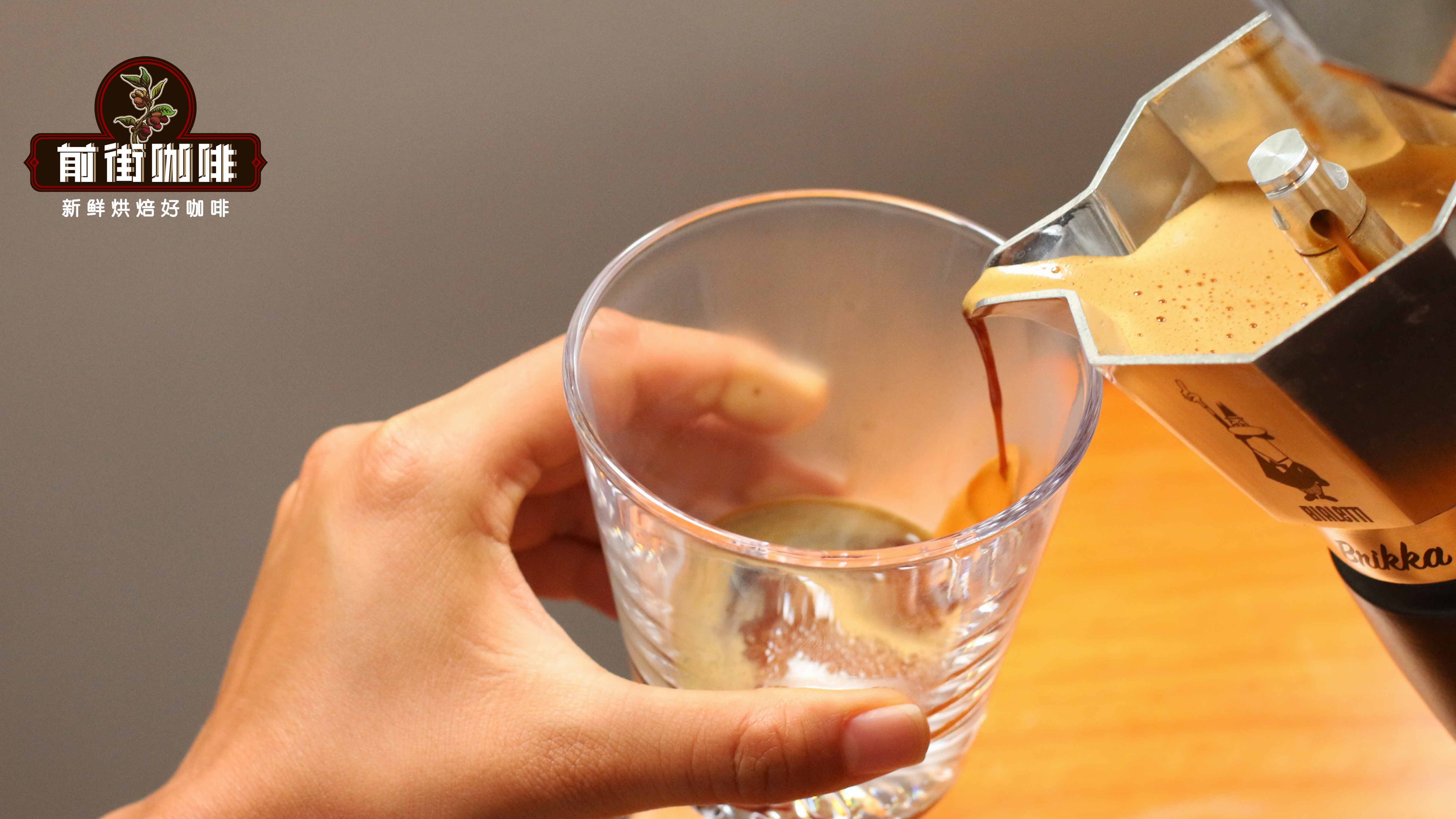
No coffee coming out? Pay attention to coffee dosage and grind coarseness
Some users, after heating their moka pot, find that no coffee drips out for a long time, even worrying whether it has already burned dry. This situation is often related togrinding too fine, using too much coffee, or tamping too tightly— all of which significantly increase the resistance of the coffee puck, making it difficult for hot water to pass through the coffee bed and resulting in extraction difficulties. If the water level is too high when pouring and no liquid flows out even after prolonged heating, it’s advised to stop heating immediately to prevent excessive internal pressure in the moka pot, which could risk cracking.
To avoid this, it’s recommended to control the coffee dosage within the range suggested for your moka pot’s filter basket and use a moderate grind size — roughly similar to that of superfine sugar — allowing water to flow smoothly through the coffee bed without being too fast, which could lead to under-extraction. When tamping, there’s no need to apply excessive force; a moderate, even compression is sufficient to ensure smooth water flow and uniform extraction.
No coffee crema? It may be related to bean variety, grind size, and freshness
If your moka pot coffee shows almost no crema at all, it’s easy to assume it’s an equipment issue, but it’s more likely because you’re usingbeans roasted too lightly. Light roast beans, due to their shorter development time, have a denser internal structure and are less likely to release sufficient carbon dioxide and oils under the high pressure of a moka pot. In addition, if the grind is too coarse, the coffee beans aren’t fresh enough, or you’re using pre-ground coffee, the crema production will also be greatly reduced.
To achieve better crema, it’s recommended to choosemedium-dark roasted or darkercoffee beans, and make sure to use freshly roasted beans — ideally ground just before brewing — to preserve the maximum amount of volatile aromatic compounds and delicate oils. A moderate grind size and appropriate tamping can also help form a more stable coffee puck, thereby improving crema release.
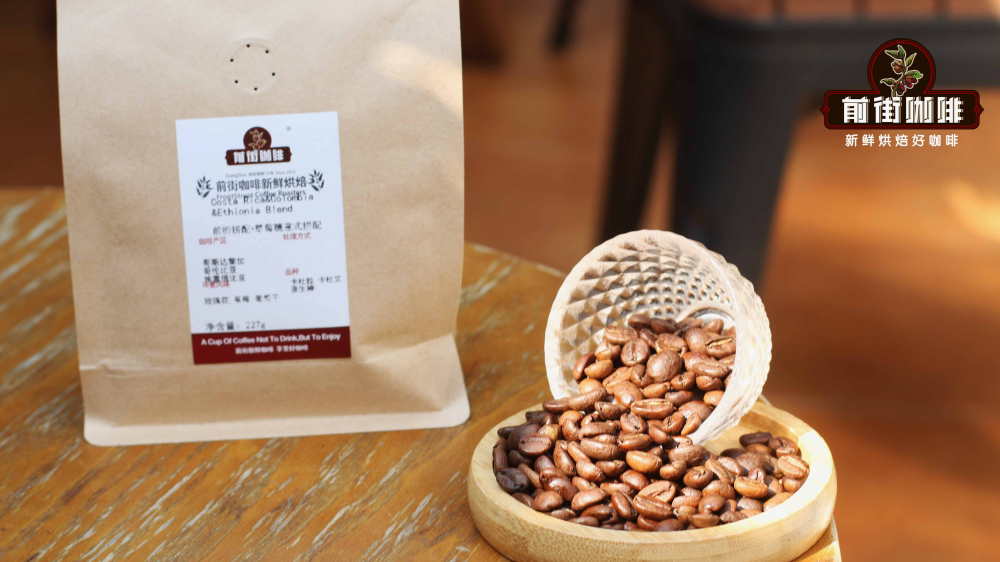
In summary, although the moka pot is simple to operate, brewing a cup of coffee with balanced flavor and a crema layer still requires attention to many details. From selecting coffee beans with the appropriate roast level, adjusting grind coarseness, controlling coffee dosage and tamp pressure, to mastering heating time and monitoring water flow — each step affects the final extraction result. Through gradual adjustments and experimentation, you’ll be able to discover the best moka pot brewing recipe tailored to your personal taste.
The above content is compiled by CoffeeHunters, a coffee news website.


