







Introduction:Besides emphasizing acidity, specialty coffee also places great importance on the delicate balance between acidity and sweetness. But do you know where the sweetness in coffee comes from? How does the roasting stage affect sweetness? And how can you extract sweetness and reduce bitterness when brewing with a pour over? This article delves into the sources of coffee sweetness and the key factors influencing it. Using a light roast natural processed bean as an example, we share practical brewing parameters and pulse pouring techniques so you can brew a cup at home with a full body and outstanding sweetness.
In the world of specialty coffee, while acidity is certainly important, what truly leaves a lasting impression is often the exquisite balance of acidity with sweetness. So, where do the sweetness and rich mouthfeel of coffee actually come from? How does the roasting process influence sweetness? And during actual pour over brewing, how should you adjust parameters and apply techniques to make the sweetness more prominent and prevent bitterness from overpowering? This article will take you through a comprehensive analysis of the core elements that enhance coffee sweetness—from the beans themselves, the roast level, to the actual brewing methods—and demonstrates, using a representative light roast natural bean, how to extract a sweet, rich, and captivating cup of specialty coffee through pulse pouring and precise parameters.
Many beginners, when first trying specialty coffee, are often advised to choose “non-acidic” coffee, or even think that “a bit of bitterness is okay.” However, as specialty coffee culture becomes increasingly popular, more and more consumers are beginning to prefer coffee with bright acidity, making light roast beans the top choice for pour over enthusiasts. Yet, rather than just sharp acidity, many people are actually yearning for a layered taste where acidity is accompanied by sweet aromatic notes. For this reason, how to bring out more rich sweetness in light roast coffee has become a topic of interest for many.
The “sweetness” in coffee is not only about the taste of sweetness, but also includes the sweet aromatic notes perceived through smell. This combined sensory experience is key to evaluating whether a cup of coffee has excellent flavor. Achieving the ideal acid-to-sweetness ratio places the roasting process in a pivotal role. From the moment green beans begin to heat up until roasting is complete, sweetness is usually one of the first flavor compounds to be released, followed by acidity. Generally speaking, as roasting time increases and the roast level deepens, the sweetness of coffee gradually enhances, peaking in medium to dark roast ranges, but then rapidly declines with over-roasting. Therefore, in terms of roast degree, medium roast often retains the most abundant sweetness.

For the average consumer, although you may not directly influence a roaster’s recipe design, you can judge whether a bean has a high “sweetness content” based on flavor descriptions. If you’re new to exploring high-sweetness coffee, consider starting with beans processed via honey or anaerobic natural methods—such as those featuring grape, honeydew, preserved fruit, or fermentation notes. These beans typically have pronounced sweet aromas and relatively balanced acidity. If you prefer richer, more lingering types, medium to dark single-origin beans with nutty, toffee, or chocolate profiles are also great directions for highlighting sweetness.
It’s worth noting that acidity is usually extracted earlier than sweetness during brewing. The overall extraction process can be roughly divided into three stages: the first stage primarily releases small molecular substances such as floral and bright fruity acidity; the second stage extracts a large amount of caramelized compounds related to sweetness, including vanilla, sucrose, chocolate, and nuts; by the third stage, larger, less soluble molecules begin to dissolve, often bringing negative flavors such as woody, heavy, or bitter notes. Therefore, to brew coffee with prominent sweetness, the key lies in increasing the extraction proportion of sweet compounds—that is, mastering the technique of “suppressing bitterness and enhancing sweetness.”
Specifically, if you want a light roast bean to show more obvious sweetness while retaining its charming early-stage aromas, the focus is on precisely controlling the release of acidic aromas in the first stage and properly adjusting the extraction rhythm in the second stage. Below, we’ll use a representative natural processed bean as an example to share how to achieve a high-sweetness, low-acidity, full-bodied extraction effect through practical brewing parameters and pulse pouring techniques.

The beans used in this demonstration are the Geisha variety from Finca La Línea in Colombia, roasted light and processed naturally. Such beans typically feature rich fruit tones, slight wine-like notes, and fermented sweetness. Therefore, when setting brewing parameters and techniques, in addition to enhancing the expression of floral and fruity acidity and sweetness, special attention must also be paid to improving the overall body and mouthfeel. Practical recommendations are as follows:
Coffee Beans:Colombia · Finca La Línea Geisha Variety
Dose:15 grams
Coffee-to-water ratio:1:16
Grind Size:Regular fine grind (approximately EK43s setting 10)
Filter Basket:V60
Water Temperature:93°C
Pulse Pouring:Four-pour method (30g / 70g / 70g / 70g)
Step 1: Pour 30g of hot water for the bloom, for about 30 seconds, ensuring all coffee grounds evenly absorb water and reach a consistent pre-extraction state.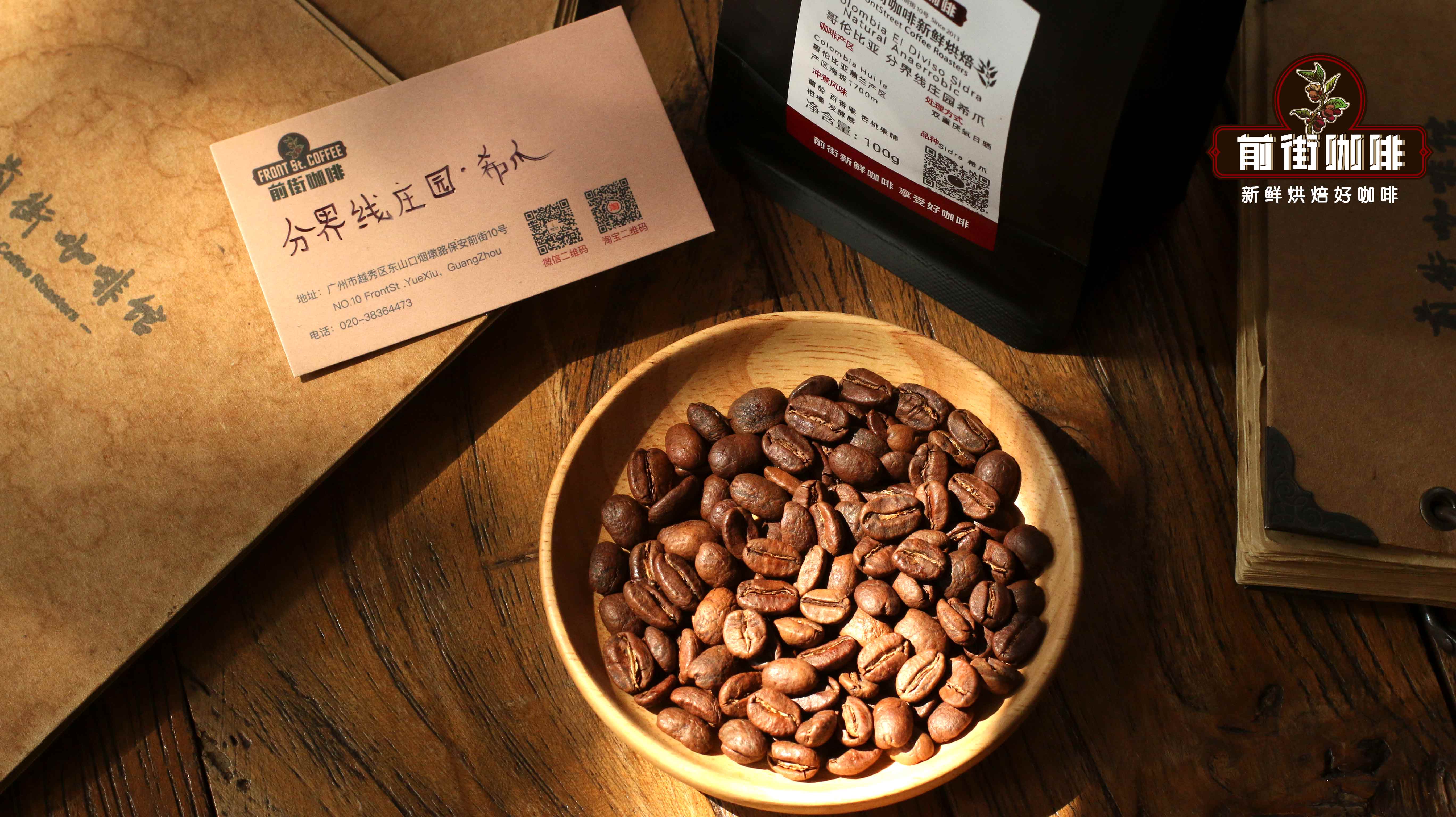
Then, after 30 seconds, pour the second 70g of water slowly in small circles clockwise from the center using a gentle flow rate (about 4ml/s). The goal of this stage is to allow the coffee grounds to continue degassing and slightly lift the coffee bed. Pour until the water level reaches about three-fifths of the filter height, completing this step in approximately 55 seconds, with the total water weight at around 100g shown on the scale.
When the liquid surface is about to expose the coffee bed, start pouring the third 70g of water. Maintain the same gentle flow rate of 4ml/s, but you can make the circular motion slightly larger than in the second pour, which helps extract more sweet compounds. This pour should take about 1 minute 15 to 20 seconds, with the total water weight reaching around 170g according to the scale. Be careful not to pour too fast to maintain a stable flow rate and coffee bed stability.
Finally, when the coffee bed is exposed again, pour the fourth 70g of water using a technique similar to the second pour. The flow rate should not be too strong nor the stirring too wide to avoid over-dispersion of the coffee bed, which could affect extraction evenness. This pour should take about 1 minute 45 seconds, with the total water volume reaching 240g, and the entire extraction process taking about 2 minutes and 12 seconds.
Using this technique to brew the natural Geisha, you’ll immediately taste a distinct, clean sweetness paired with ripe fruit notes like blackcurrant, honeydew, sugarcane, and blueberry jam. Compared to the traditional three-pour method, the acidity is softer, the body is fuller, and the aftertaste lingers longer. Even as the coffee cools, the sweetness remains rich, and the finish carries a hint of elegant rose aroma.
The above content is compiled by CoffeeHunters, a coffee news website.


