







Introduction:The siphon coffee maker, with its unique visual effects and brewing method, has become a goal many coffee enthusiasts love to challenge. This article will provide a detailed breakdown of the complete siphon coffee operation process — from equipment preparation, water temperature control, coffee grounds addition, stirring techniques, to extraction time and final cleaning — guiding you step-by-step to master this highly ritualistic brewing method, and to understand how fine-tuning details can enhance the flavor performance of your coffee.
The siphon coffee maker, also known as a siphon or vacuum pot, is a device that uses the principle of siphoning to extract coffee. Although it is more complicated to operate than pour over or espresso and takes longer, its unique visual appeal and flavor characteristics still attract many coffee lovers to give it a try. By heating the lower chamber to make the water rise to the upper chamber and mix with the coffee grounds, then creating a pressure difference through cooling to draw the coffee liquid back down, the entire process is not only full of scientific principles but also highly visual.
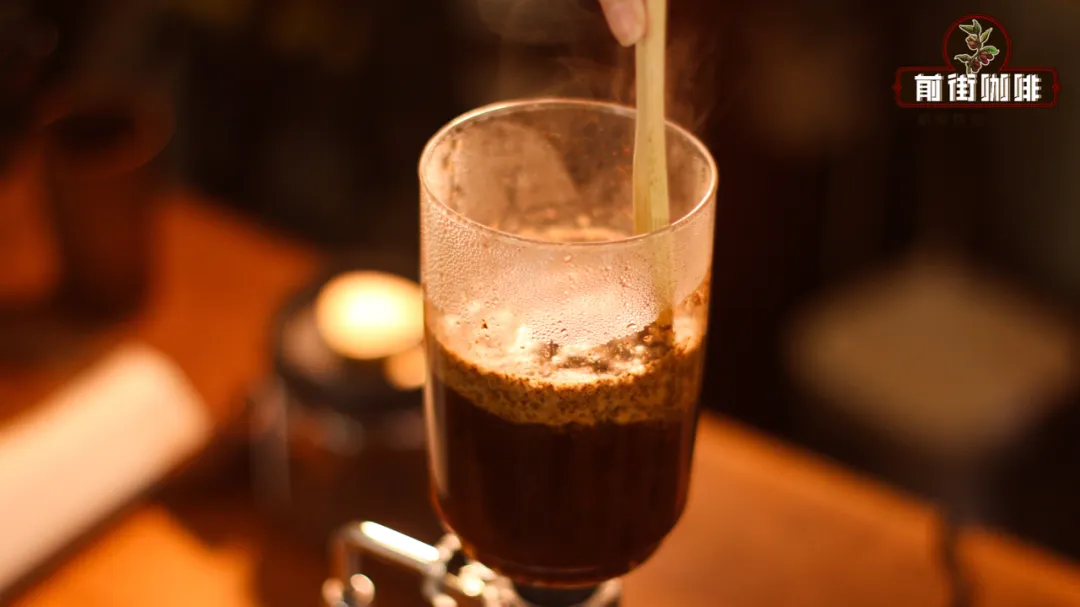
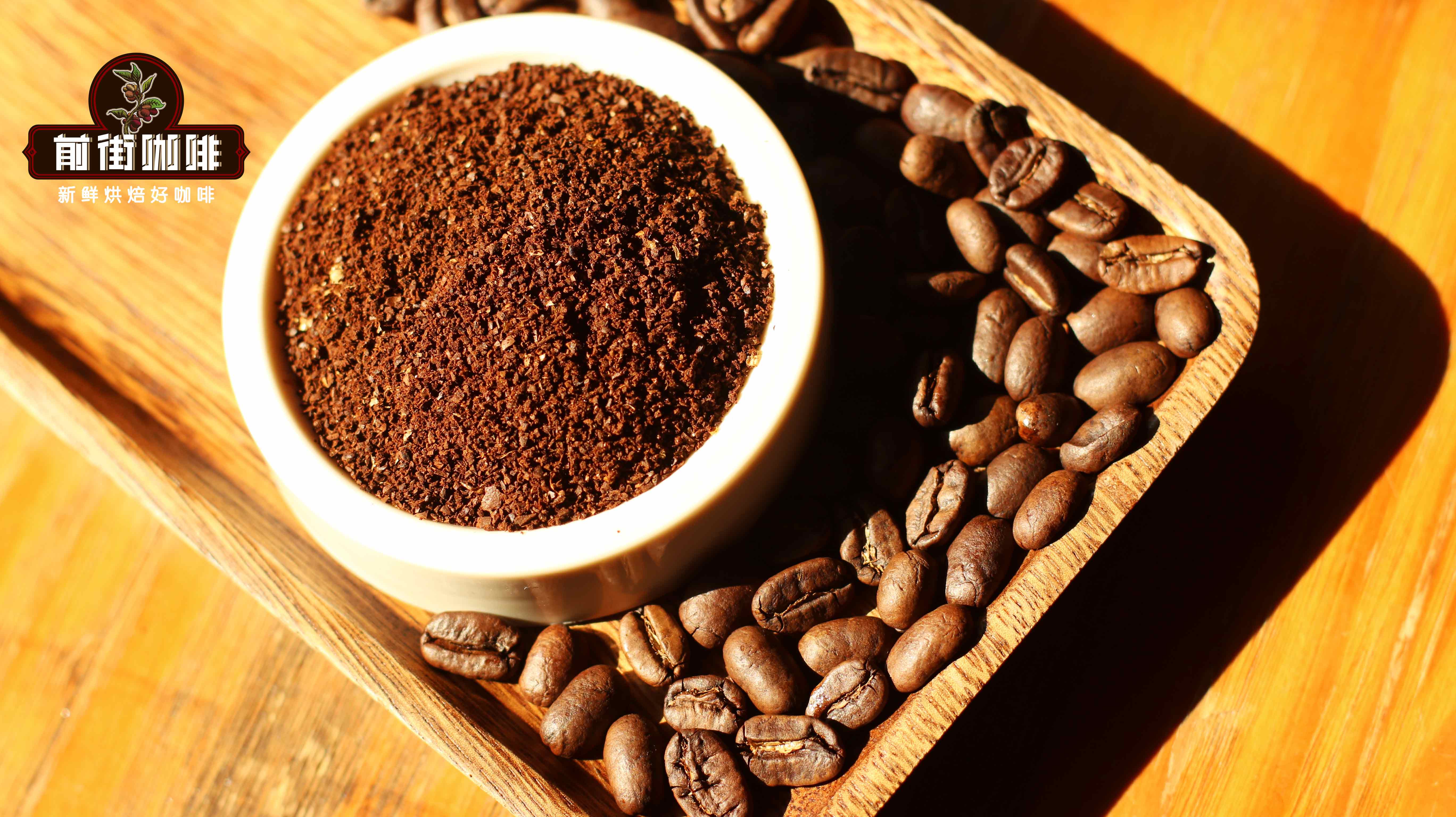
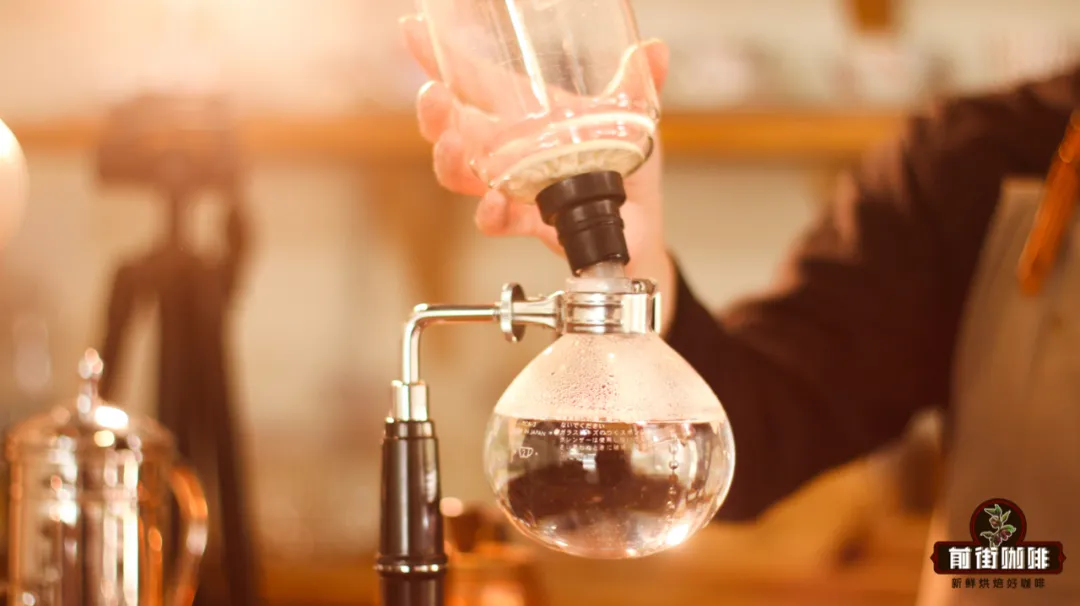
Before starting, gather the basic siphon equipment, including the upper and lower chambers, a cloth or metal filter, a heat source (such as an alcohol lamp or gas stove), a stirring rod, and an appropriate amount of coffee beans and water. It is recommended to use coffee beans ground to a medium-fine consistency, similar to pour over grind size, which helps achieve full extraction while avoiding excessive bitterness.
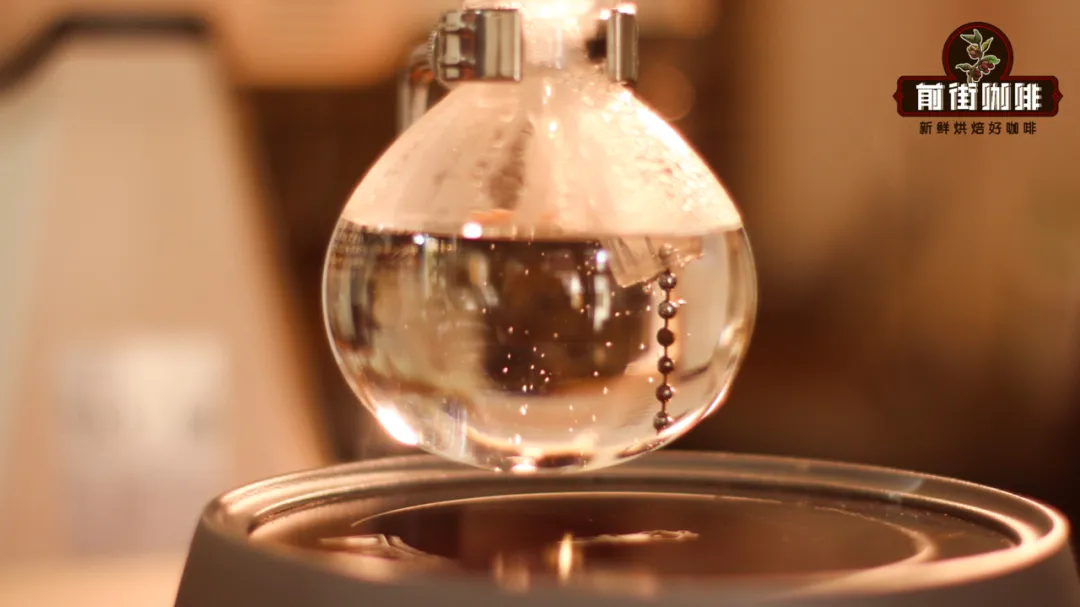
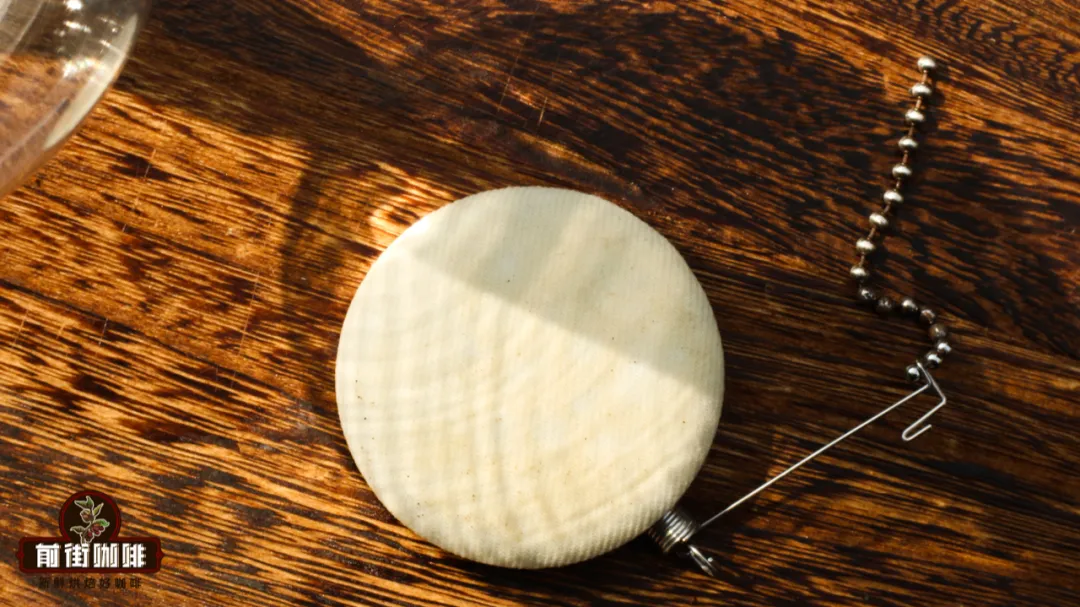
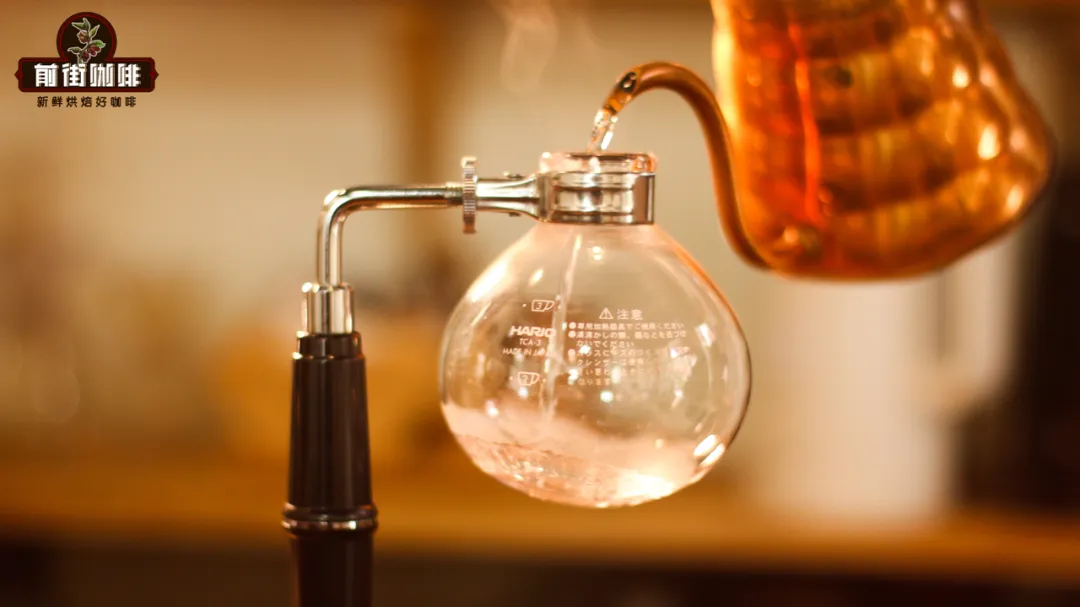
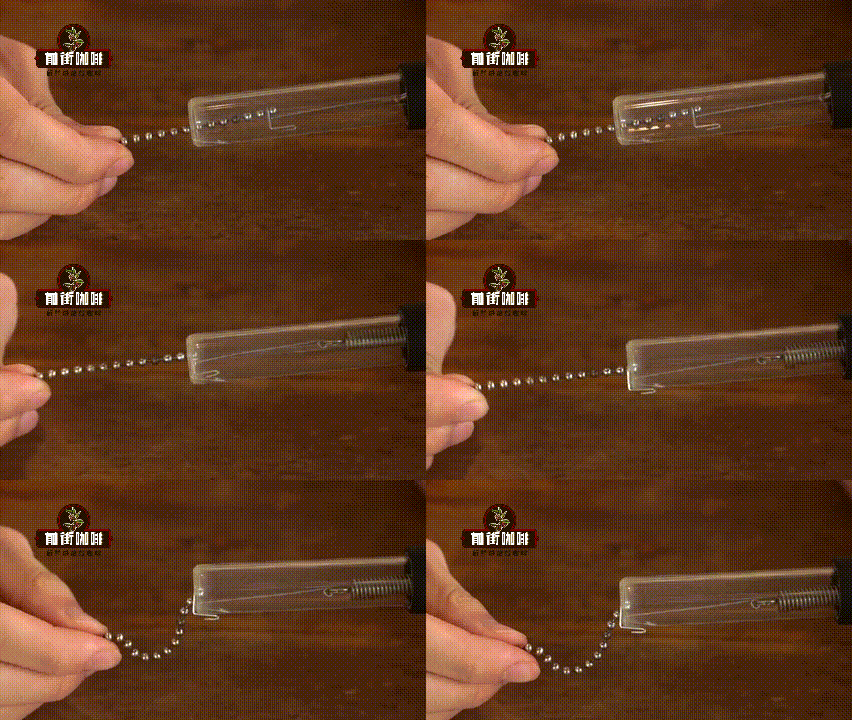
First is the assembly and inspection of the device. Add water to the lower chamber up to the fill line or your desired level — generally around 150–250 milliliters, adjusted according to cup size and personal taste. Then install the cloth or metal filter on the upper chamber’s stand, ensuring it lies flat and is undamaged, as this step is crucial for filtering out coffee grounds.If using a cotton filter, it is recommended to soak it in hot water beforehand to improve filtration effectiveness and avoid any paper taste interference.

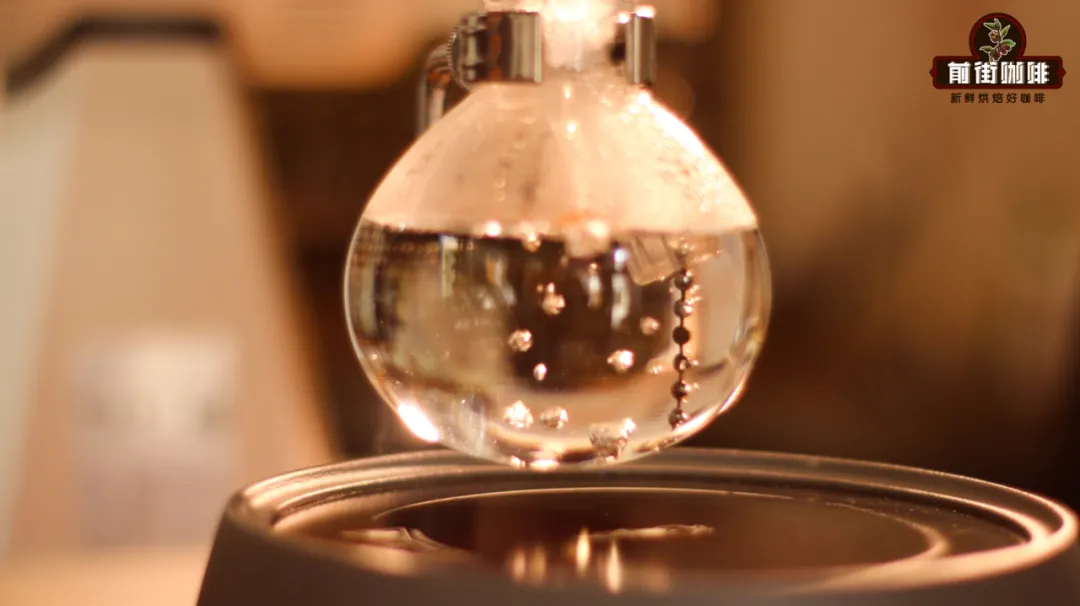
Ignite the heat source and place the lower chamber on it to begin heating. At this point, observe the temperature change of the water in the lower chamber. The ideal water temperature range is90-96°C, which can be slightly adjusted based on the roast level of the coffee beans: slightly higher for light roasts, and slightly lower for dark roasts. As the water in the lower chamber heats up, it will gradually rise to the upper chamber, a process that typically takes about 30–60 seconds depending on the heating intensity.
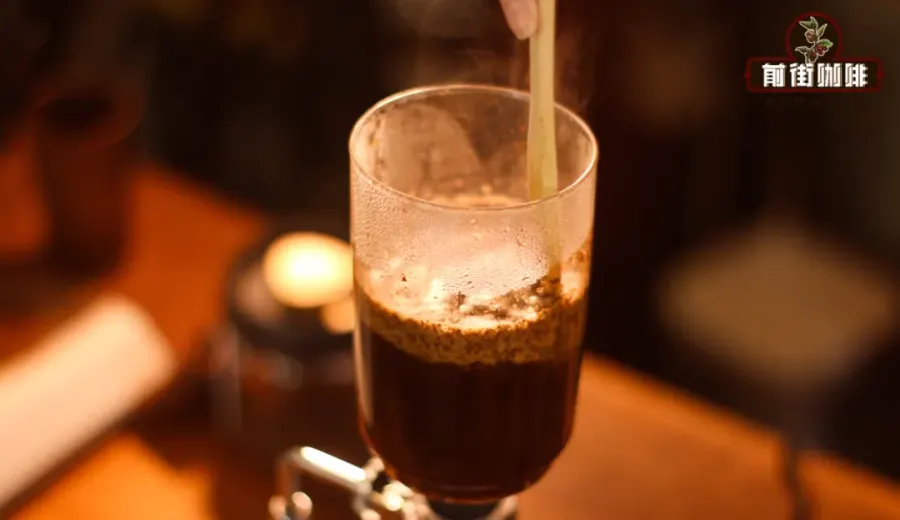
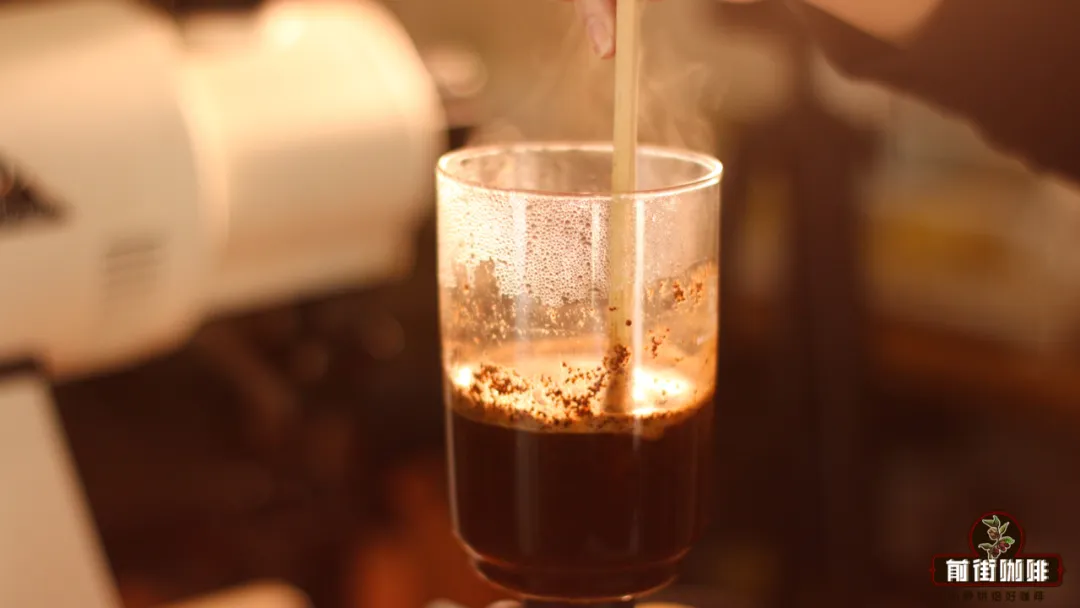
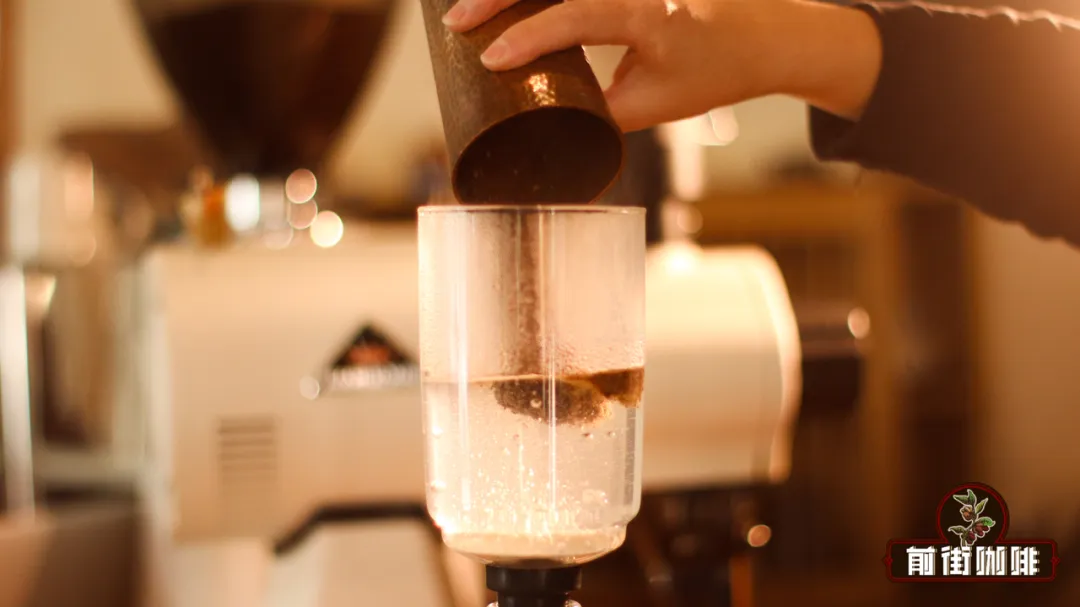
Once the water has completely risen to the upper chamber, quickly add the pre-measured coffee grounds. The recommended amount is about 10–15 grams of coffee beans per 150 milliliters of water, adjusted according to personal taste. After adding the coffee grounds, gently stir to evenly mix them with the hot water. This step is called the “first stir” and its purpose is to ensure all coffee grounds are fully saturated with water, initiating the extraction process.
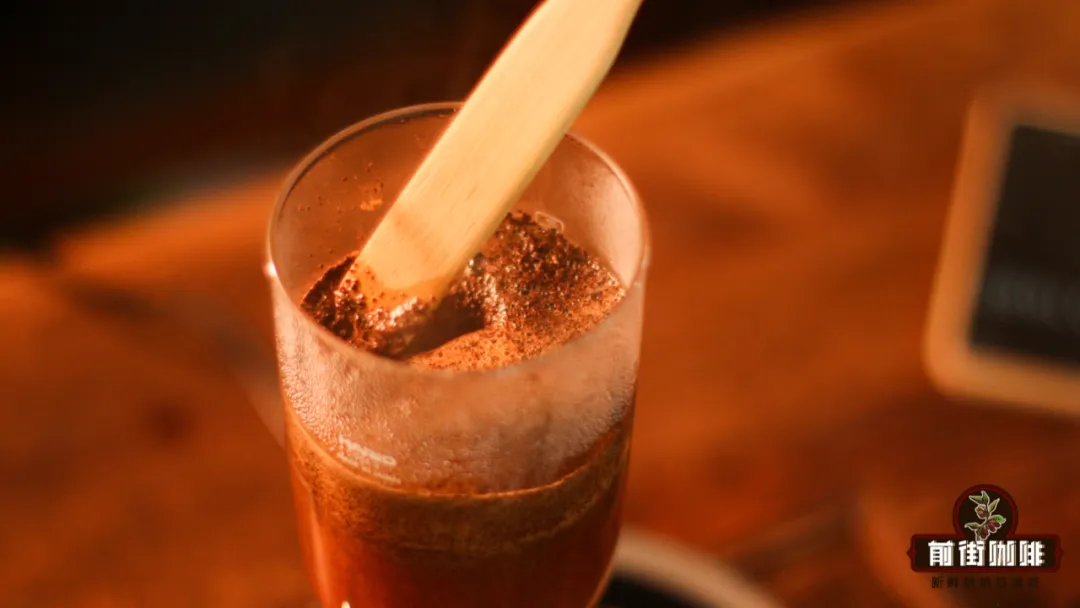
After the first stir, it is recommended to let the mixture sit for about 30–45 seconds to allow the coffee grounds to fully bloom and release their flavors. Then proceed to the “second stir,” which is a very critical step that affects the final extraction evenness and flavor complexity. Use the stirring rod with a “cross” or “spiral” motion, stirring gently from top to bottom for about 10–15 rotations. Be careful not to over-stir to avoid over-extraction. After stirring, allow the coffee liquid to continue extracting, with the time controlled within60–90 seconds, fine-tuned based on your flavor preference.
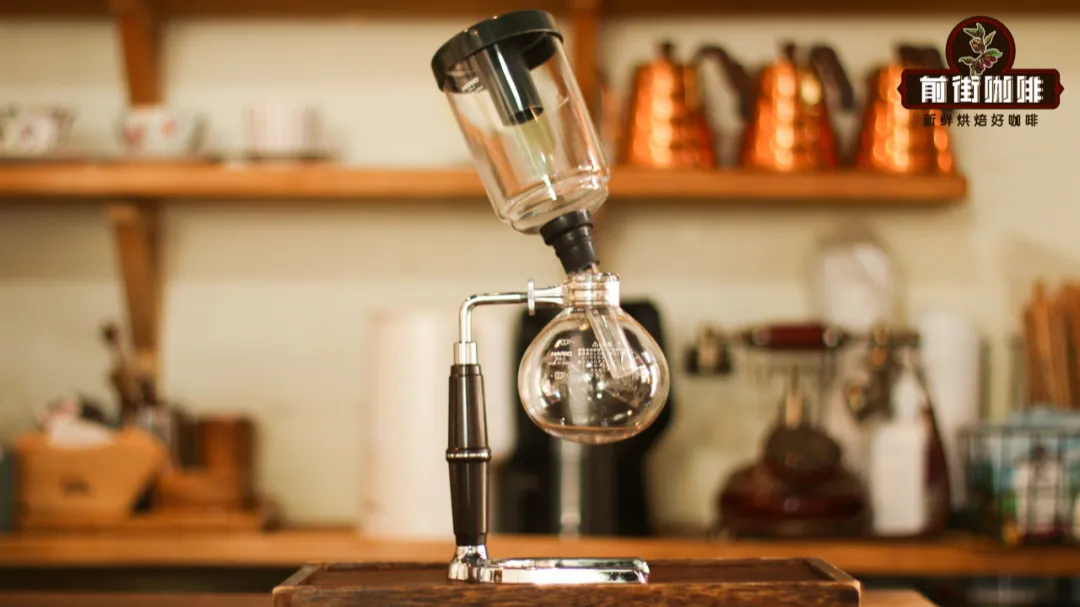
Once the ideal extraction time is reached, remove the heat source. The coffee liquid in the upper chamber will then flow back into the lower chamber due to the drop in temperature and resulting negative pressure. This step is not only one of the most distinctive features of the siphon coffee maker but also makes the entire brewing process more dramatic.Be sure to keep the lower chamber stable to avoid any movement that could disrupt the flowback or cause spills.Once the flowback is complete, you can remove the upper chamber and prepare to pour out the coffee for enjoyment.
Before drinking, it is recommended to let the coffee liquid settle briefly, allowing the temperature to drop slightly to a suitable drinking temperature (around 80–85°C). This allows you to more fully appreciate the aroma and layered flavors of the coffee. Siphon coffee usually exhibits a relatively clean and bright acidity, along with a rich mid-palate and aftertaste, making it suitable to pair with light snacks or as a single-origin coffee for tasting.
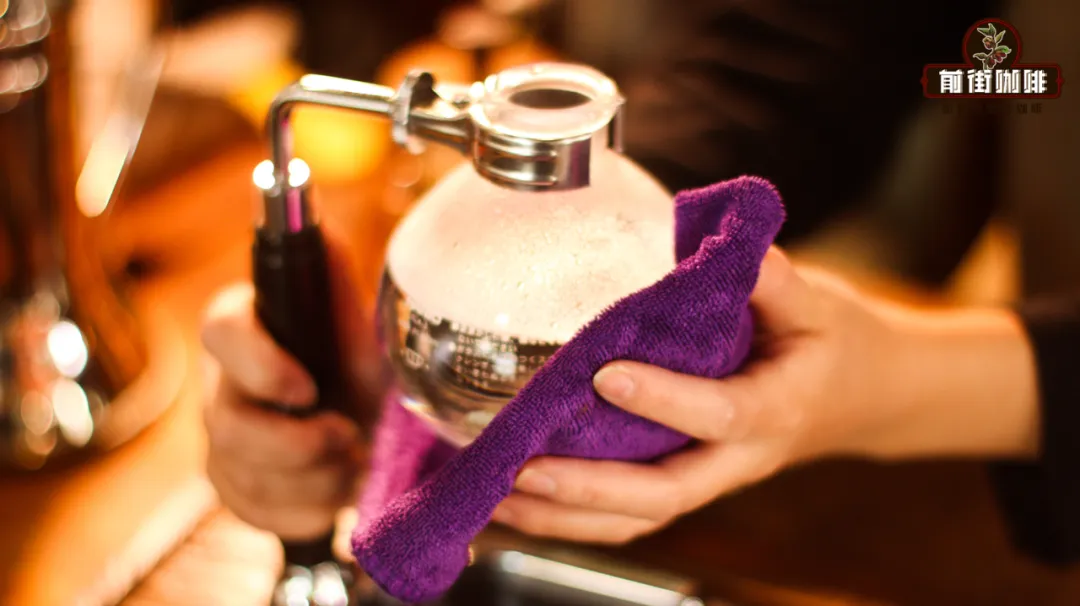
Cleaning after use is equally important. Immediately disassemble the upper and lower chambers, remove and clean the filter cloth or filter to prevent coffee grounds residue from affecting future use. The coffee grounds and residual liquid in the lower chamber should also be cleared out promptly to avoid odors.If using a cotton filter, it is recommended to rinse it thoroughly with clean water after each use and let it dry. Over the long term, consider replacing it regularly to maintain optimal filtration performance.

Although making siphon coffee involves multiple steps, as long as you master the water temperature, grind size, coffee grounds amount, and stirring techniques, you can consistently brew a cup of coffee with unique flavor and stunning visual effects at home. Every brewing session becomes an opportunity for deep interaction with the coffee and an excellent way to enjoy the art of coffee.

The above content is compiled by CoffeeHunters, a coffee news website.


