







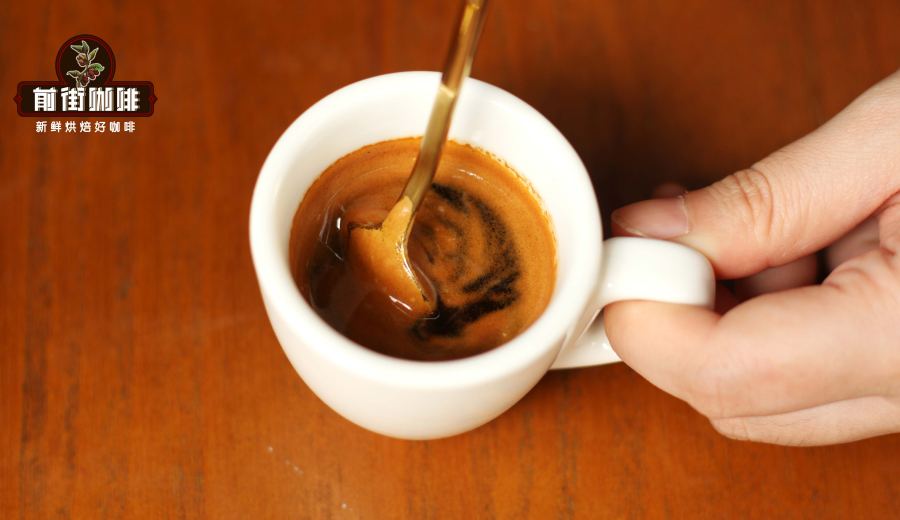
Introduction:Coffee crema is an important indicator of the quality of an espresso, but whether it forms or not is actually closely related to grind size and the characteristics of the coffee beans. This article delves into the key factors that influence crema, including pressure, extraction parameters, and bean variety selection. It also provides a detailed overview of the flavor profiles of various espresso blends and SOEs, helping readers master the secrets to achieving rich crema in their daily brewing.
Coffee lovers who enjoy espresso are surely familiar with that captivating layer of brown foam floating on the surface. Known as "coffee crema," this substance is not only a visual delight but is often seen as an indicator of coffee freshness and successful extraction. However, producing a crema that is rich in layers and vibrant in color involves many variables, among which grind size and the inherent characteristics of the coffee beans are two critical factors that cannot be overlooked.
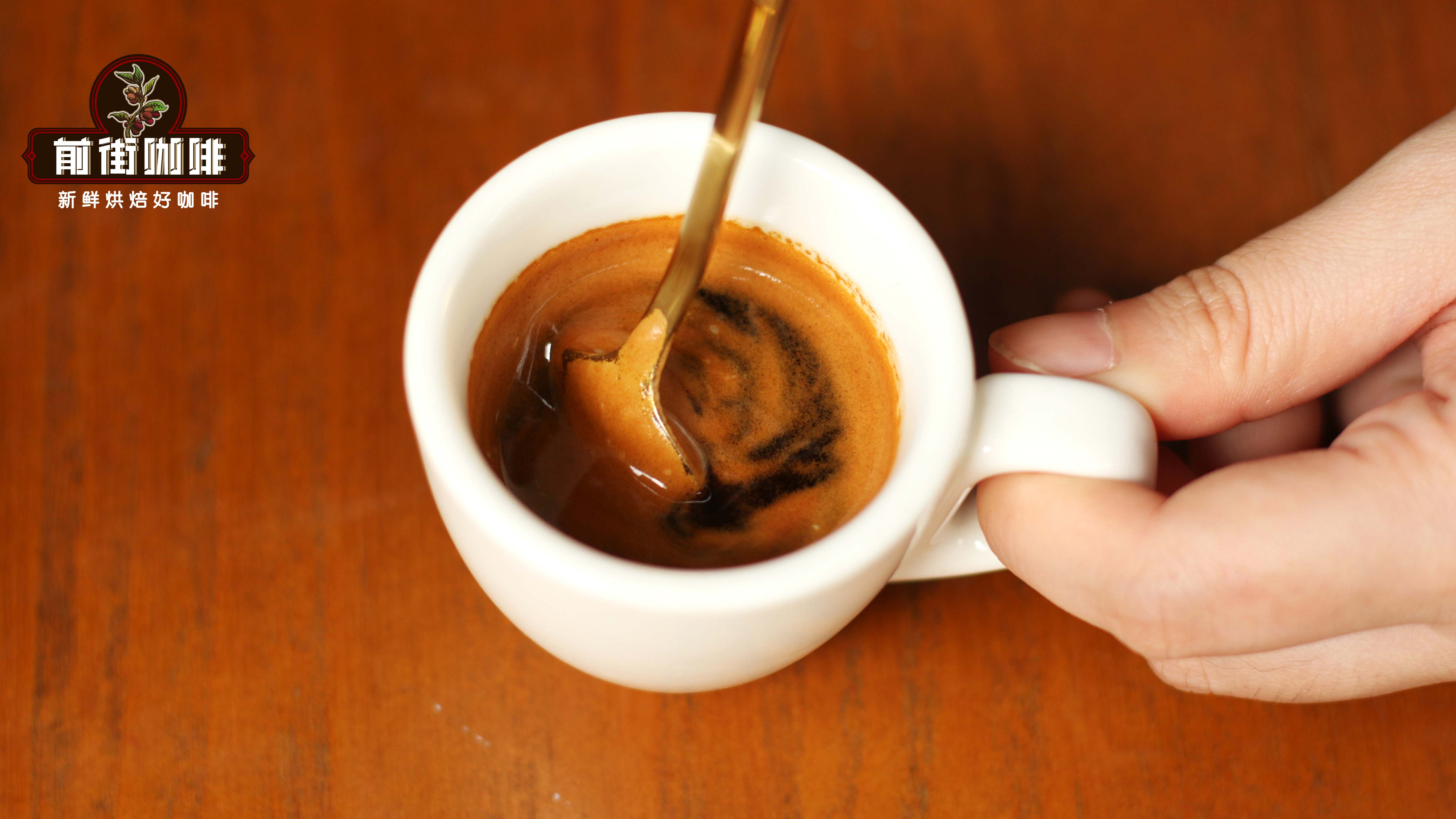
The formation of coffee crema primarily occurs under high pressure (typically 9Bar) and high temperature during extraction. Water penetrates through a compacted puck of coffee grounds, extracting soluble substances, gases, and tiny fat particles, which then form a stable layer of foam on the liquid's surface. Carbon dioxide plays a key role here—these gases mainly come from freshly roasted coffee beans, dissolve into the coffee liquid under high pressure, and are then released to form a fine foam. Grind size directly affects the speed at which water passes through the coffee bed and the distribution of pressure, thereby influencing the resulting crema.
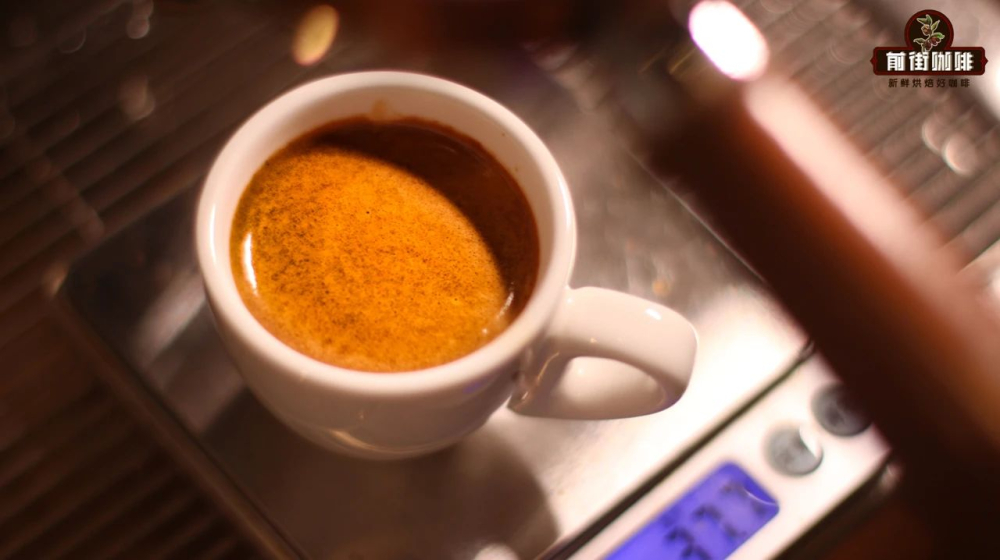
Espresso originated in Italy and is a strong coffee brewed under extremely high pressure for a short period of time. It is characterized by its thick texture and intense flavor, and is commonly used as the base for drinks like lattes and cappuccinos. The presence of crema not only adds a layer of complexity to the taste but also gives the coffee a fresh and professional first impression visually. However, not all espressos can produce beautiful and long-lasting crema. This is actually closely related to the roast level, grind size, extraction time, and pressure of the coffee beans.
Compared to espresso, Americano is made by diluting espresso with hot water, reducing the overall concentration and intensity. The history of Americano dates back to World War II, when American soldiers, unaccustomed to the strong European-style espresso, adjusted the flavor by adding water. Today, Americano has become one of the most widely consumed forms of coffee worldwide, but its flavor is still significantly influenced by the quality of the espresso and its crema performance.
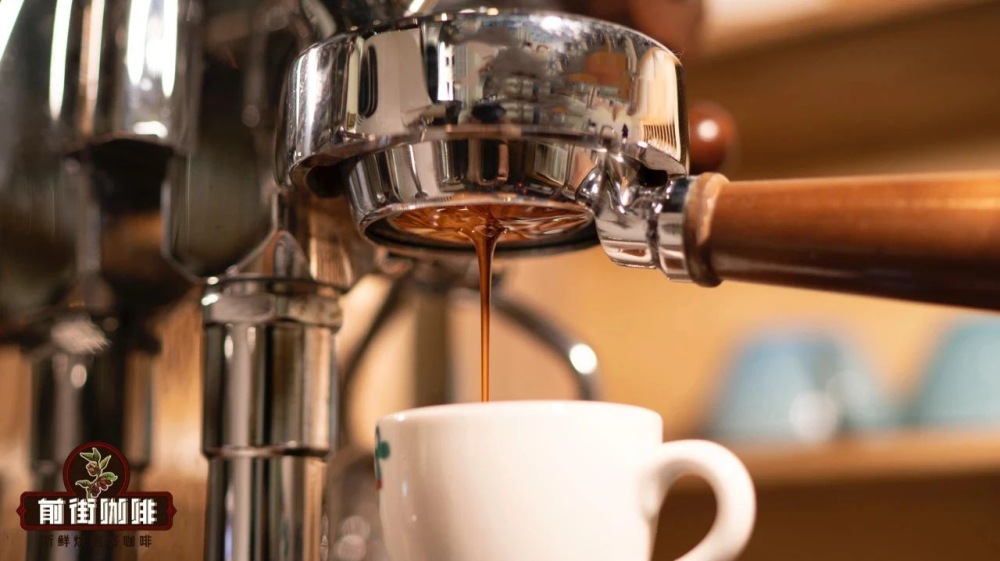
Generally, when making Americano at home or in shops, around 40 grams of espresso are extracted using a coffee-to-water ratio of 1:2, and then the strength is adjusted to personal preference using a 1:6 ratio (e.g., 40 grams of espresso mixed with 240 grams of water). Whether the crema is retained also affects the final flavor. For those who prefer a richer taste, an espresso base with abundant crema can be chosen. If you prefer a lighter and smoother cup, you can adjust the extraction parameters or the water-to-espresso ratio accordingly.
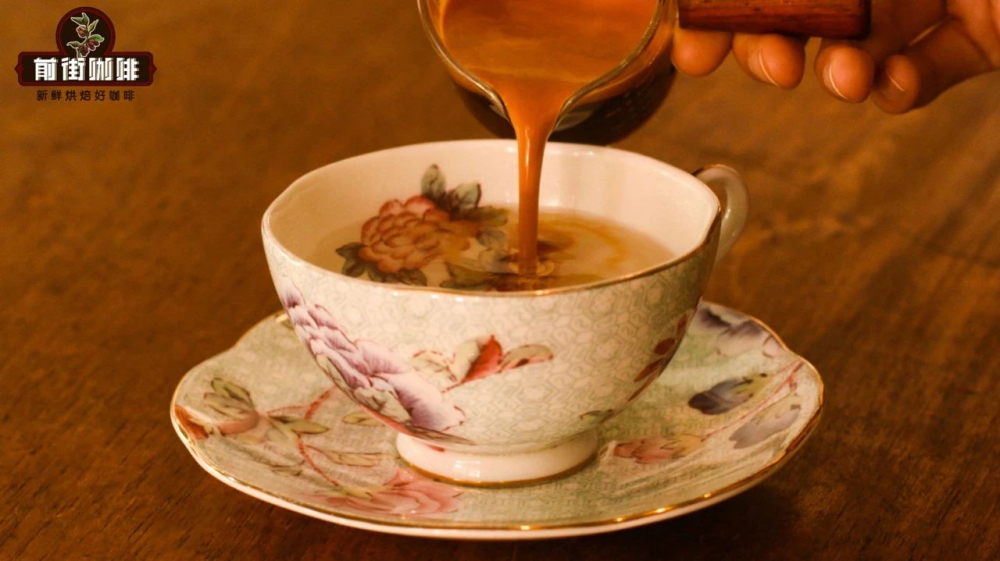
The main variables that affect crema formation include:
- Grind Size: Too coarse a grind can cause water to pass through too quickly, leading to under-extraction, less crema, and poor foam formation. Too fine a grind may result in channeling or over-extraction. While it might produce crema, it can also lead to bitterness and off-flavors.
- Extraction Pressure: A stable and sufficient 9Bar pressure helps create a stable foam layer and is a necessary condition for crema formation.
- Roast Level: Medium-dark to dark roasted coffee beans usually contain more oils and carbon dioxide, making them more likely to produce rich crema.
- Freshness: The fresher the roasted beans, the more carbon dioxide they contain. During extraction, more gas is released, which helps form a fine layer of crema.

When selecting beans suitable for making espresso with rich crema, it is recommended to prioritize medium-dark to dark roasted blends or single-origin beans (SOEs) with good aroma and oil potential. For example, blends that include Robusta beans can typically provide a thicker body and more pronounced crema. Meanwhile, pure Arabica blends rely on high-quality green beans and appropriate roasting to unlock their potential.
Below is a summary of the flavor profiles of several common blends and SOEs that are well-suited for producing crema-rich coffee:
- Commercial Espresso Blend: Composed of 30% Colombia, 60% Brazil, and 10% Robusta. It has a noticeable crema, making it suitable for latte art and everyday espresso use.
- Huakui SOE: From Guji, Ethiopia. It features distinct orange blossom, citrus, and berry acidity, making it ideal for those who prefer fruity acidity.
- Sidamo SOE: Made with beans from the Huila region of Colombia. Its flavors include passion fruit, grape, and apricot fermentation notes, offering balanced acidity and sweetness, with moderate crema performance.
- Premium Blend: Based on 70% Brazil and 30% Colombia. It has a balanced taste, suitable for consumers who enjoy complexity without a single dominant flavor.
- Dark Cocoa Blend: Combines 30% Yunnan and 70% Brazil beans. It offers good value, with a mild flavor profile, suitable for beginners and general enthusiasts.
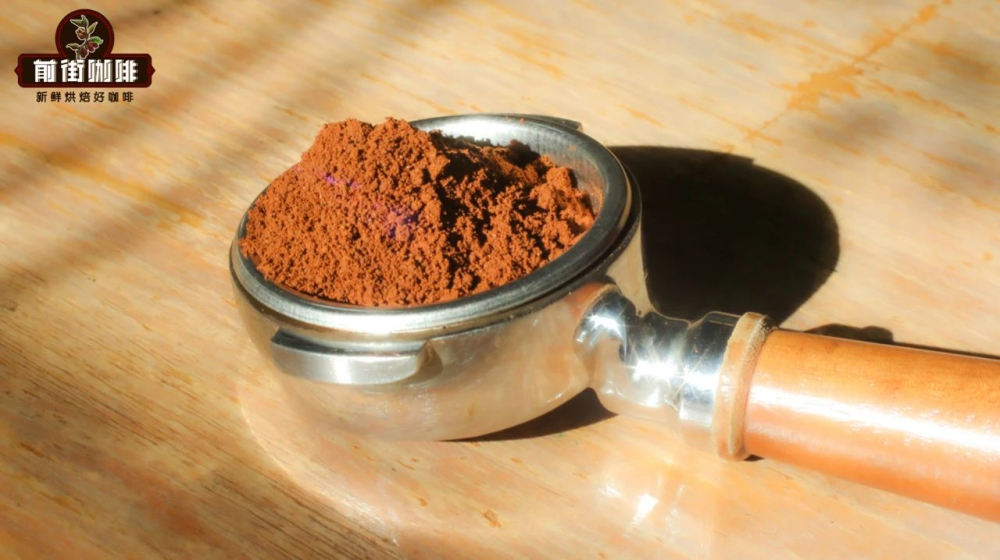
During actual extraction, it is recommended to use 9Bar pressure, control the extraction temperature between 90.5–96°C, maintain a coffee-to-water ratio of 1:1.7–1:2, and adjust grind size and time based on the beans’ characteristics, generally within 20–30 seconds. Stable extraction parameters and proper bean storage are the keys to maintaining consistent crema performance.
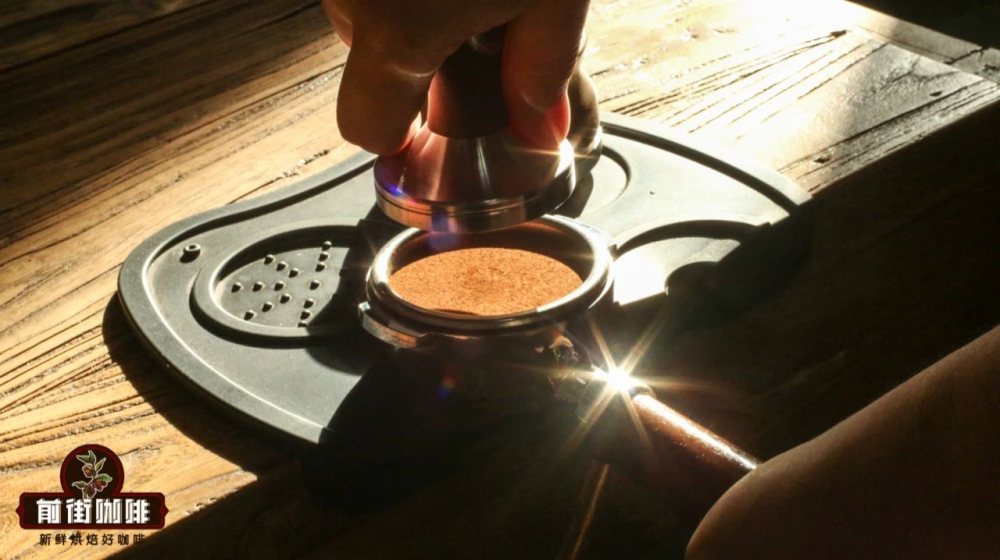
In summary, coffee crema is not the result of any single variable but rather a combined outcome of roast level, grind size, extraction, and bean characteristics. By understanding these key elements, whether at home or in a café, you can approach each shot of espresso with more confidence and discover your own perfect cup of "crema-rich" coffee.
The above content is compiled by CoffeeHunters, a coffee news website.


