







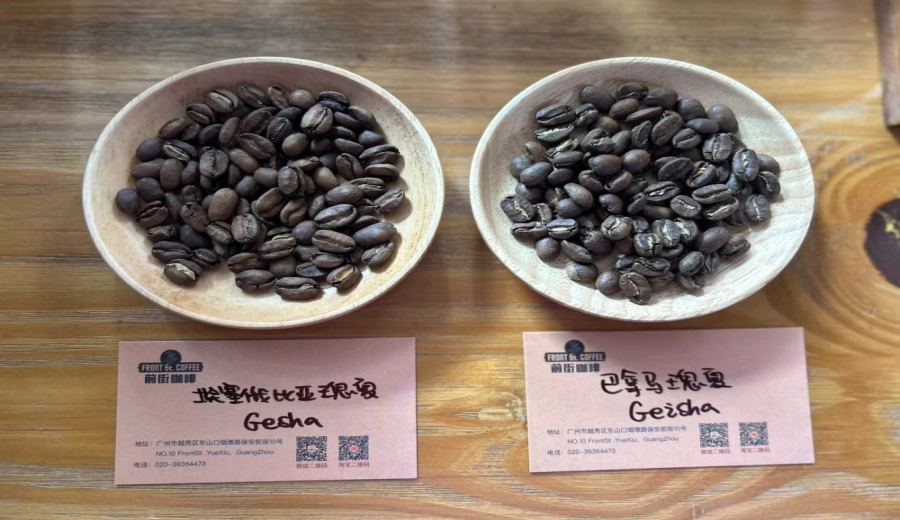
Introduction:Did you know that Geisha and Gesha are actually the same coffee variety? This article delves into the naming origins of the Gesha variety, its legendary journey from Ethiopia to Panama, and focuses on how sun-dried and washed processing methods in the Colombian growing region influence its flavor profile. It takes you on a sensory journey from aroma to taste to fully appreciate the unique charm of Gesha. We also recommend several classic representatives from key producing regions. Whether you’re a beginner in pour over or an advanced coffee taster, you’ll find the perfect cup that suits you.
In recent years, Gesha coffee beans from Colombia and Panama have garnered increasing global attention, especially among specialty coffee enthusiasts, where they are often the top choice for high-quality beans. However, when searching for related information, many have been puzzled: why is Gesha sometimes also called “Geisha coffee”? In fact, both refer to the same coffee variety — Gesha. So why are there two completely different Chinese translations? What stories lie behind each? This article will comprehensively analyze the origins of Gesha, its naming evolution, cultivation and processing techniques, and compare how sun-dried and washed methods significantly impact its flavor, helping you gain a deeper understanding of this specialty coffee with its richly layered taste profile.
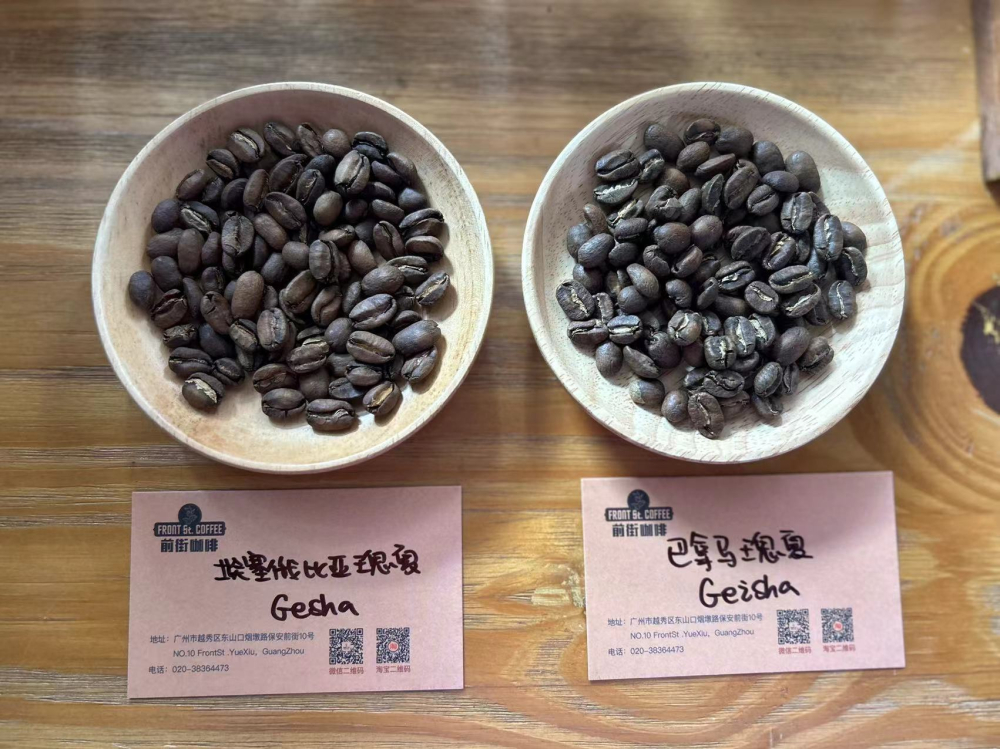
The reason the name “Gesha” has become widely known is largely due to efforts by the industry’s Chinese partners on the mainland, who officially renamed the variety from what was previously phonetically referred to as “艺妓” (Geisha) to “瑰夏” (Gesha). In the early days, Japanese consumers, upon encountering this variety, associated its pronunciation with the Japanese word “芸者” (meaning geisha or performing artist), which then carried over to Taiwan and continued in use. However, the term “Geisha” could easily mislead people into thinking the variety’s name was related to traditional Japanese performing arts — a coincidence at best. To avoid misunderstanding and to enhance the cultural value of the variety, the industry gradually rebranded it as the more poetic “Gesha,” emphasizing its Ethiopian highland origins and exceptional flavor qualities.
The Gesha variety can be traced back to the 1930s, when British colonial explorers discovered this variety in the highlands of southwestern Ethiopia. Although it wasn’t officially named at the time, records indicate it came from the Gesha mountain area. Subsequently, these coffee seeds were introduced to countries like Kenya and Tanzania for research and cultivation. Due to their strong resistance to leaf rust, they were later brought to Panama as part of the country’s coffee breeding program. Many years later, in 2003, after routine harvesting, Boquete's Hacienda La Esmeralda conducted rigorous cupping sessions and unexpectedly discovered a batch of beans with uniquely intense floral, fruity aromas and citrus notes — vastly different from other commonly cultivated varieties. In 2004, this same batch of beans won first place in the prestigious Best of Panama (BOP) competition, instantly gaining fame and becoming a star variety in the global specialty coffee market.
In terms of processing methods, Gesha/Geisha coffee beans exhibit distinctly different flavor profiles depending on whether they are sun-dried or washed. The sun-dried method typically preserves more sugars and pulp flavors, resulting in a brew with intense tropical fruit and berry aromas, accompanied by honey-like sweetness and a rich, winey tone — ideal for those who prefer bold flavors. On the other hand, the washed process emphasizes clarity and bright acidity, highlighting floral notes like jasmine and white blossoms, along with refreshing citrus and lemon tones. The cup tends to be crisper, with a long, lingering finish — perfect for consumers who favor lighter, more refreshing profiles.
If you’d like to personally experience the charm of Gesha from Colombian and Panamanian growing regions, start with a few classic beans. For example, the Emerald Red Label and Green Label — both from Hacienda La Esmeralda — represent the essence of Gesha at different altitudes and processed through varying methods. The Red Label is usually sun-dried at high elevations, offering a rich and layered flavor; the Green Label is mostly washed, showcasing clear citrus and floral notes. Additionally, the Gesha beans from Finca La Mula are also highly recommended. These Colombian-grown Gesha beans naturally boast abundant white floral notes and honey-like sweetness, with a smooth mouthfeel and long finish, making them an excellent everyday tasting bean or a solid choice for practicing pour over.
The above content is compiled by CoffeeHunters, a coffee news website.


