







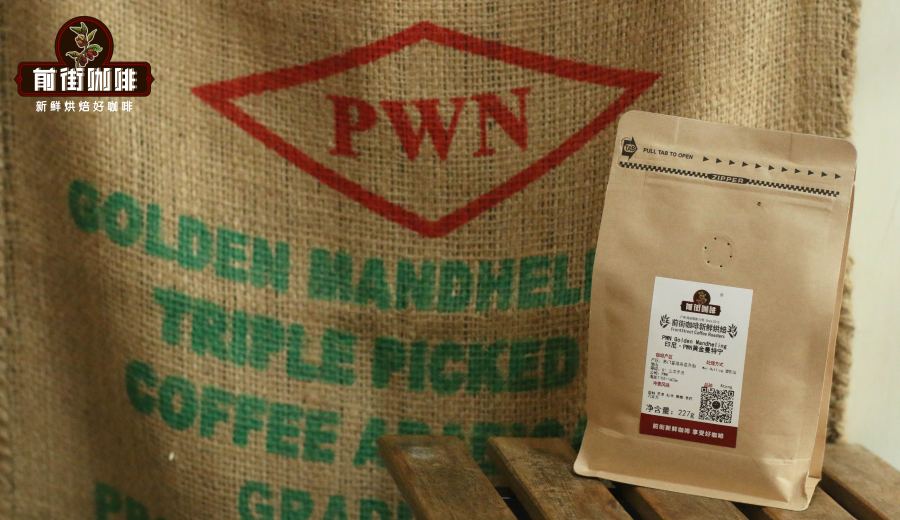
Introduction:An in-depth exploration of the unique charm of Indonesian Sumatra Mandheling coffee, from the origins of the wet-hulled processing method and the evolution of aged processing, to the regional characteristics, variety profiles, and flavor profiles of five classic Mandheling beans—Lintong, PWN Gold, Tiger, Aged, and Wahana Natural. The article concludes with professional pour-over brewing parameters and a detailed flavor comparison chart to help coffee enthusiasts master the brewing essentials and tasting highlights of this classic origin.
Sumatra Mandheling is one of the most representative offerings of Indonesian coffee, known for its full-bodied texture, low acidity, and captivating herbal-spicy notes. This article begins with a discussion of the origin’s historical background, delves into the interesting anecdote behind the naming of "Mandheling," and thoroughly explains the principles and variations of the globally unique wet-hulled processing technique, such as the features and maturation process of aged wet-hulled coffee. We also conducted practical evaluations of five popular Mandheling beans, including Lintong, PWN Gold, Tiger, Aged, and Wahana Natural, detailing their regional altitudes, variety selections, processing methods, and distinct flavor expressions. Finally, we provide brewing parameter recommendations tailored to different roast levels along with a comprehensive flavor comparison table, helping you better understand how wet-hulling shapes Mandheling’s rich mouthfeel structure and how natural processing introduces new taste dimensions.
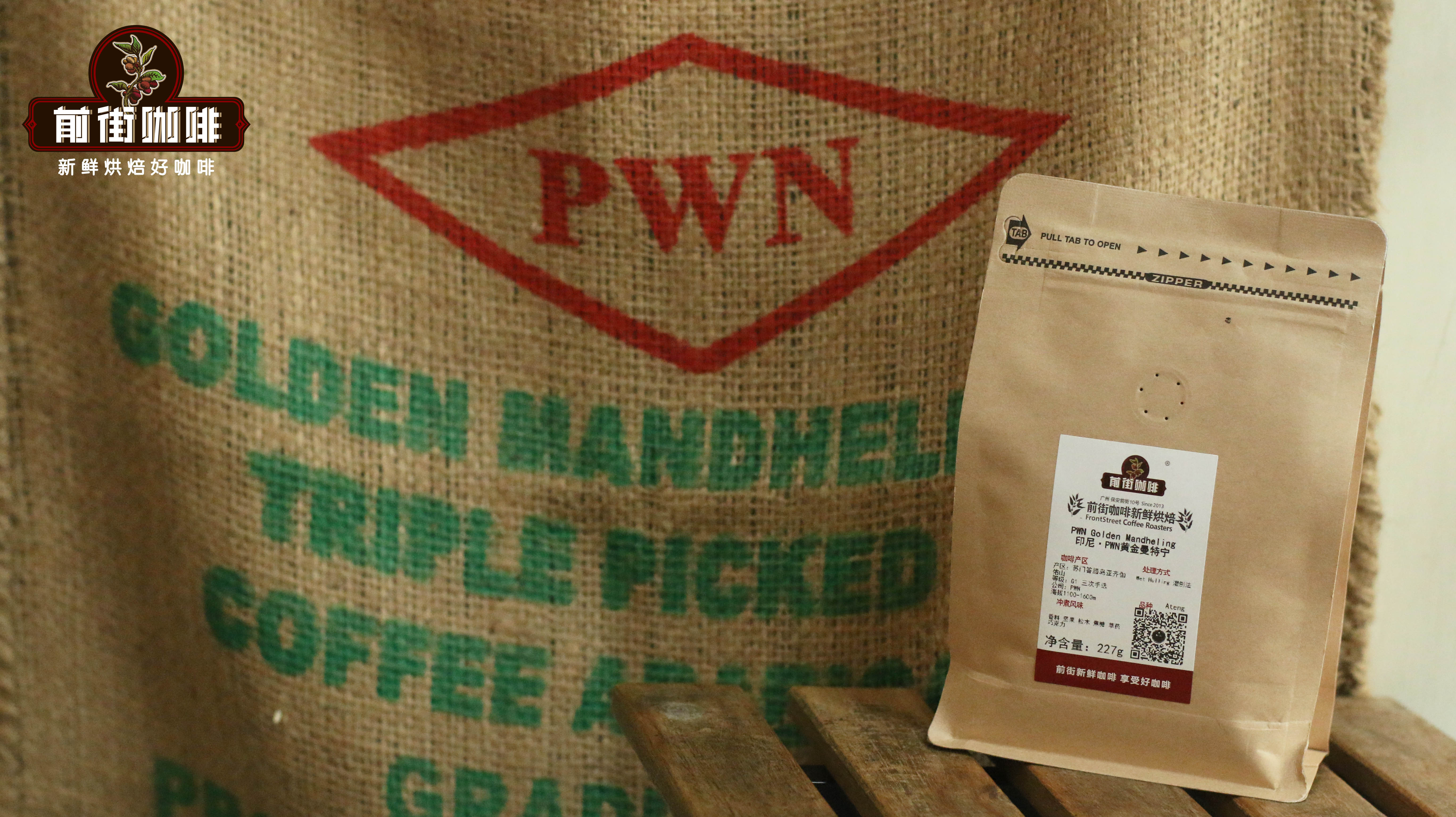
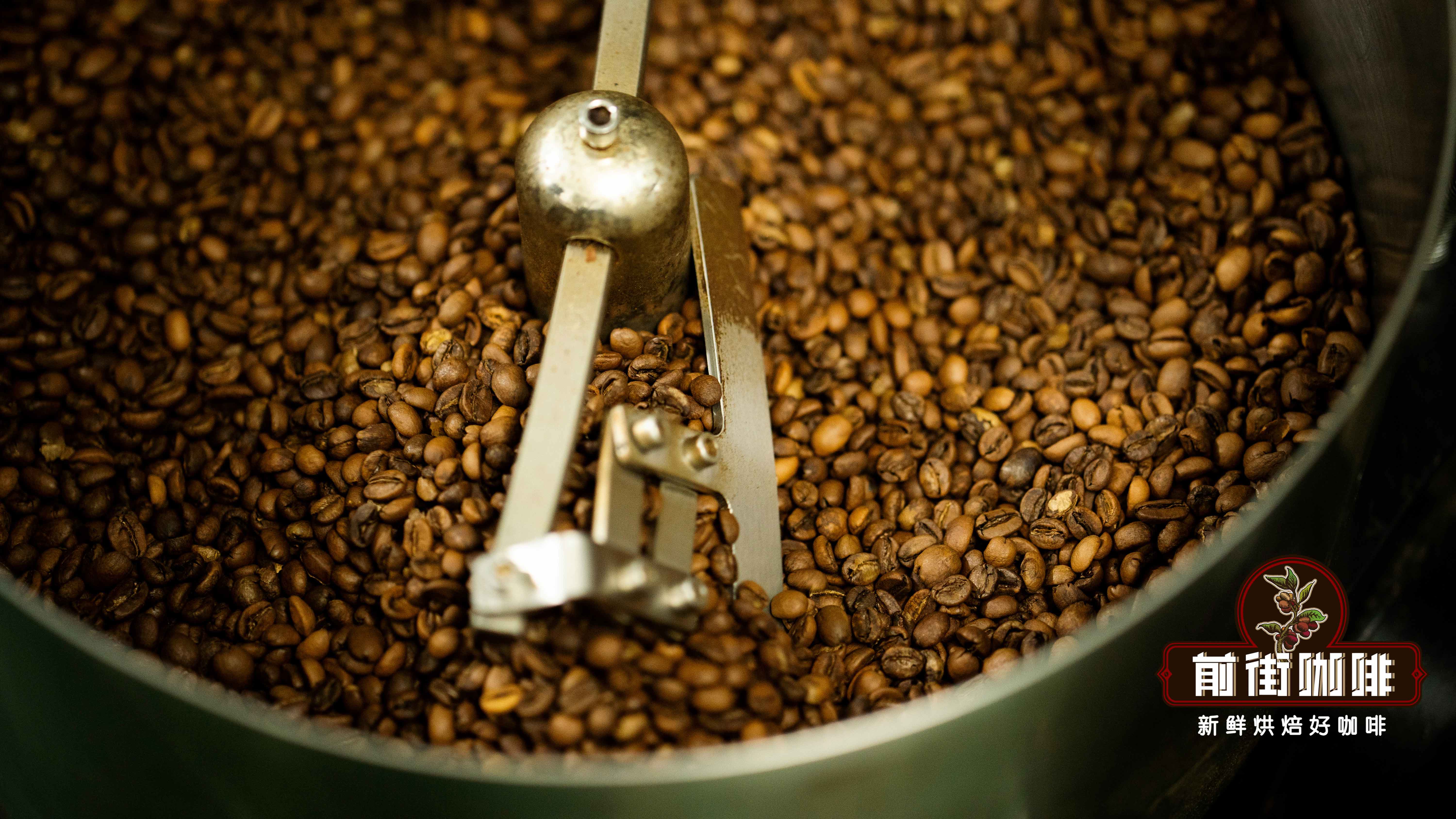
As the most recognizable category of Indonesian coffee, Sumatra Mandheling holds an important position across multiple offerings. Currently, five distinct Mandheling beans are available, each sourced from different regions, utilizing different varieties and processing methods, with roast profiles adjusted individually based on bean character. For readers familiar with the brand, it’s not hard to notice that before launching new products, in-depth regional flavor research and multiple cuppings are always conducted to find the roast style that best showcases the beans’ potential. It’s particularly noteworthy that while roasting does not directly influence variety or processing method, it is a key factor in determining final flavor expression—a major reason why in-house roasting is insisted upon.
When it comes to "freshly roasted," many consumers often equate "just ground" with "fresh," but that’s not the case. The freshness of coffee beans hinges on the roast date. The beans we offer are typically delivered within one week of roasting, and if customers request, we can also arrange for beans roasted on the very same day to ensure optimal flavor performance.
 The history of Indonesian coffee dates back to 1696, when the Dutch, aiming to expand coffee cultivation, selected Java Island after multiple inspections. Within just thirty years, Indonesia became a significant player in the global coffee trade. However, over time, the most iconic name in Indonesian coffee came to be Mandheling from the Sumatra region. This was no accident—many of the Javanese coffees shipped to Europe in the early days actually originated from Sumatra, and Mandheling is the classic representative of Sumatran coffee. This highlights the pivotal role Sumatra plays in Indonesia’s overall coffee industry.
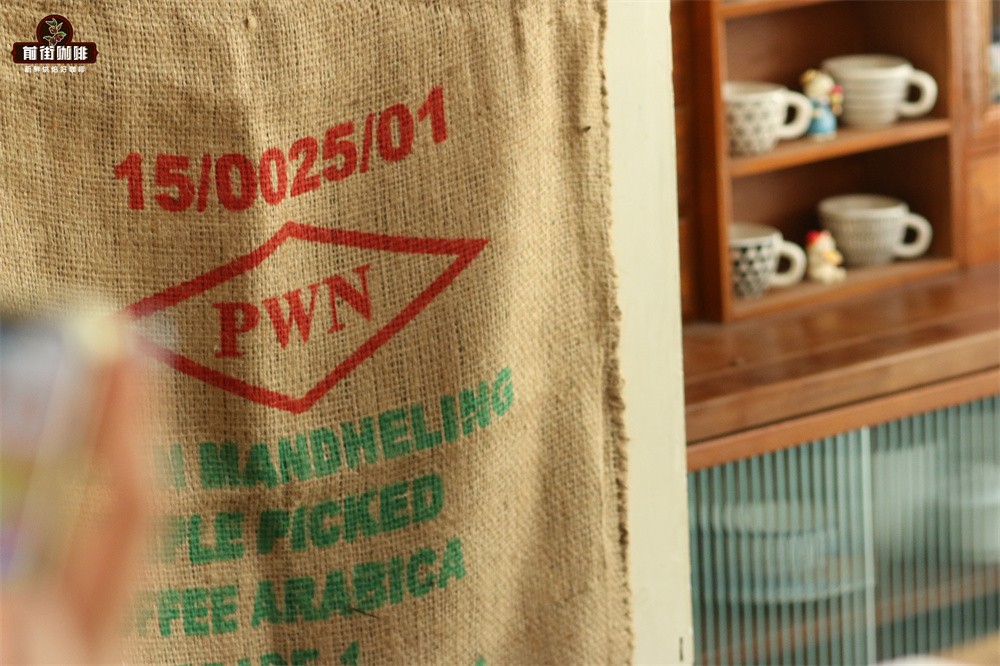 The origin of the name "Mandheling" actually stems from an amusing misunderstanding. After the Japanese military withdrew from Indonesia, they longed for the coffee they had drunk locally and reached out to suppliers through trade channels, hoping to purchase high-quality beans—including what would later become the world-renowned Mandheling. When the Japanese inquired about the name of the beans, local suppliers, for reasons such as commercial confidentiality, casually replied "Mandheling," and the name has stuck ever since. Interestingly, among those suppliers were the future operators of the renowned Indonesian PWN company.
The most common processing method for Mandheling coffee is the uniquely Sumatran "wet-hulled" method. This technique arose from Sumatra’s rainy and humid climate, coupled with relatively limited economic conditions that made stable sun-drying or costly washed processing difficult. Wet-hulling involves two stages: first, a wooden pulper removes the skin and pulp, followed by around three hours of fermentation, then drying the beans to a semi-dry state with around 30%–50% moisture content. The second stage removes the mucilage and parchment layer, with continued drying for two to four days until moisture content drops to 12%–13%. This method retains more concentrated material sensations, resulting in Mandheling’s bold and solid mouthfeel.
In addition to standard wet-hulling, there is also "aged wet-hulled." This method involves sealing the processed green beans in a cool, ventilated warehouse for two to three years, with regular turning to prevent mold. During this period, the beans’ acidity gradually transforms into sweetness, the overall color darkens—typically appearing yellowish-brown or dark brown. This long-term aged Mandheling is referred to as aged Mandheling, often featuring a rounder, lower-acid profile with rich woody and caramel tones, offering a layered experience akin to drinking Pu-erh tea.
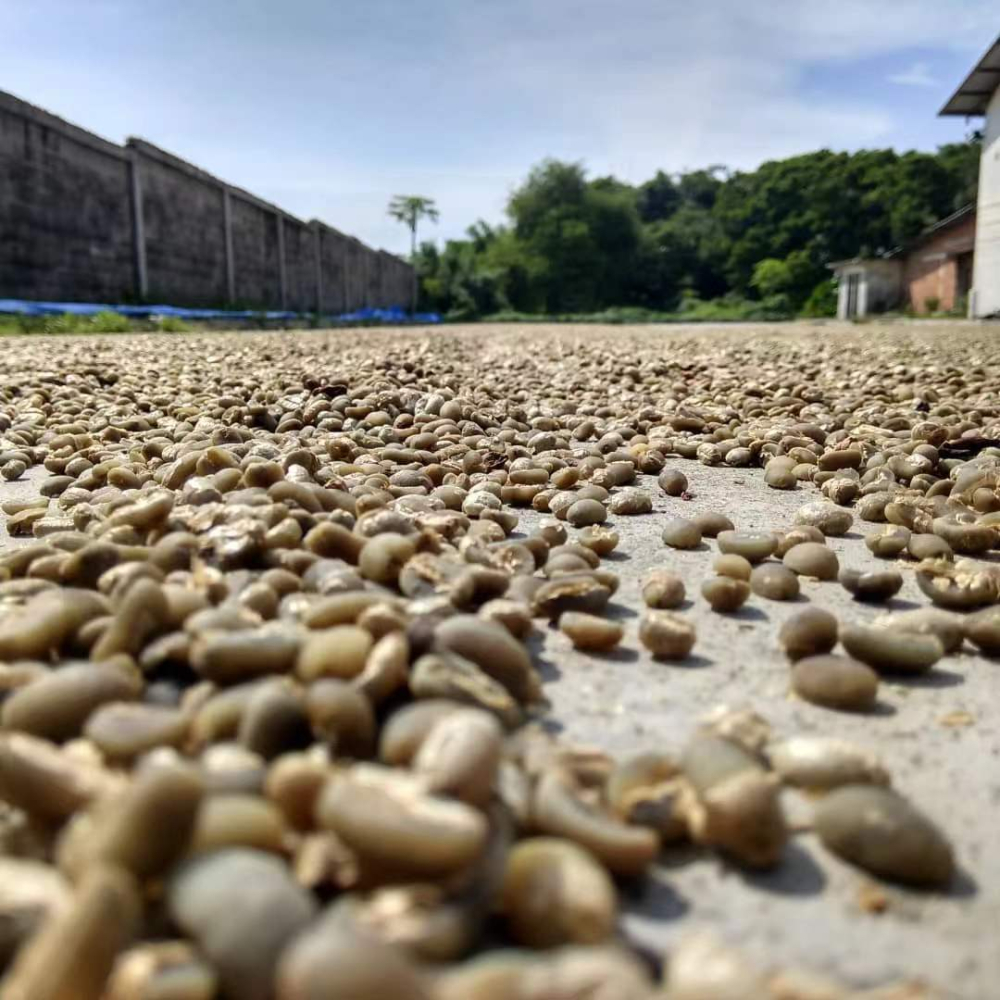
Next, we take an in-depth look at five popular Mandheling products, providing comprehensive reference information on their growing environments, altitudes, variety compositions, processing methods, and distinctive flavors.
Lintong Mandheling:
Region: Sumatra Lintong
Altitude: 1100–1600 meters
Variety: Typica, Catucaula
Processing Method: Wet-Hulled
Flavor: Toasted bread, nuts, caramel, pine, herbs
Mandheling from the central-northern Sumatran Lintong mountain region, near Lake Toba, is a classic representation of standard Mandheling flavors. Processed using the wet-hulled method, it features low acidity and pronounced body, though the beans in their semi-dry state are prone to damage, often exhibiting hoof-like cracks—also called "hoof beans"—which is normal. Although the screening grade isn’t as strict as for premium beans, its bold characteristics remain widely appreciated.
PWN Gold Mandheling:
Region: Sumatra Aceh Gayo Mountain
Altitude: 1100–1600 meters
Variety: Ateng
Grade: G1, 3-time hand-picked
Processing Method: Wet-Hulled
Flavor: Spices, herbs, caramel, pine, nuts, chocolate
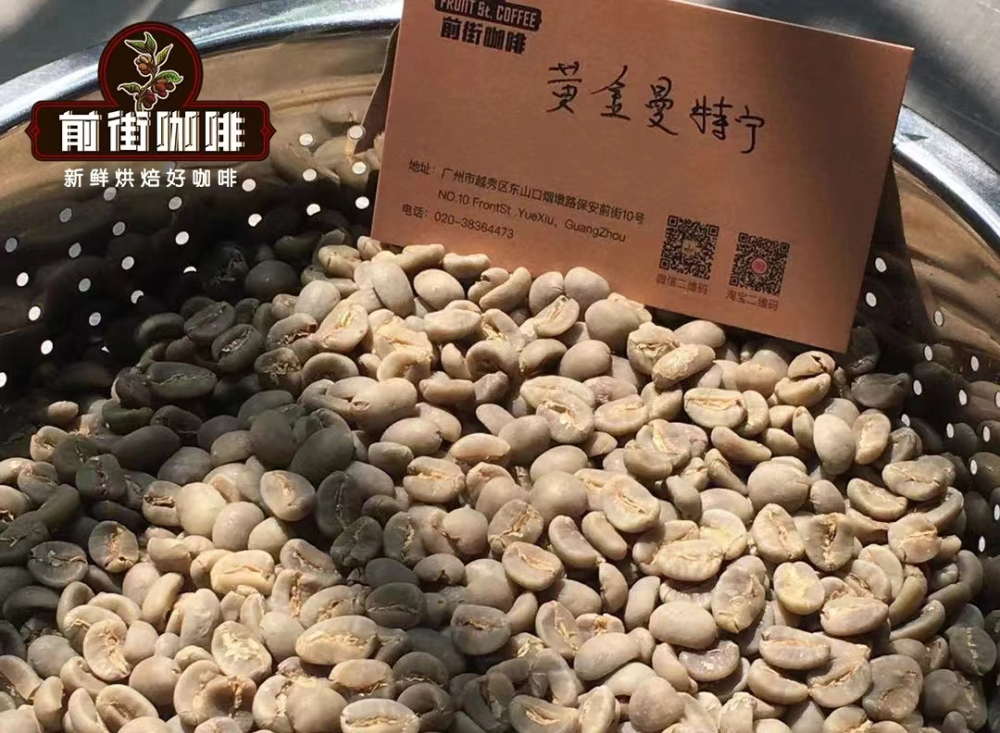
Golden Mandheling is the product of a collaboration between Indonesia and Japan, adhering to strict high standards for selection, including density sorting, color sorting, and multiple manual pickings, resulting in extremely low defect rates. Its name derives from the golden hue the beans display under sunlight, classified as G1 grade, with deep green color and neat bean shape. Compared to regular Mandheling, it has fewer off-flavors, a cleaner taste, and richer sweetness. Notably, "Golden Mandheling" is a registered trademark of Indonesia’s PWN company, distinct from the Japanese market brand, though the flavors are similar, and evaluations vary by individual. Ateng is the local term for a hybrid of Arabica and Robusta, belonging to the Catimor family.
Tiger Mandheling:
Region: Sumatra
Altitude: 1500 meters
Variety: Catucaula, Typica, Sidikalong
Processing Method: Wet-Hulled
Flavor: Nuts, cream, dark chocolate, caramel, pine
Aged Mandheling:
Region: Sumatra
Altitude: 1500 meters
Variety: Catucaula, Typica
Processing Method: Wet-Hulled
Flavor: Aged pu-erh, caramel, herbs, chocolate, lower acidity
The unique flavors of Mandheling actually stem from preservation needs during the early Dutch colonial period. Due to long transit times and the influence of sea breezes, the beans naturally transformed into a rounder, fuller-bodied profile upon reaching Europe, winning strong market favor. Nowadays, Mandheling is first processed via wet-hulling, then stored in warehouses for two to three years with regular turning, allowing the acidity to gradually convert into sweetness, the color to darken, and the flavors to grow richer and more complex, reminiscent of the layered taste of pu-erh.
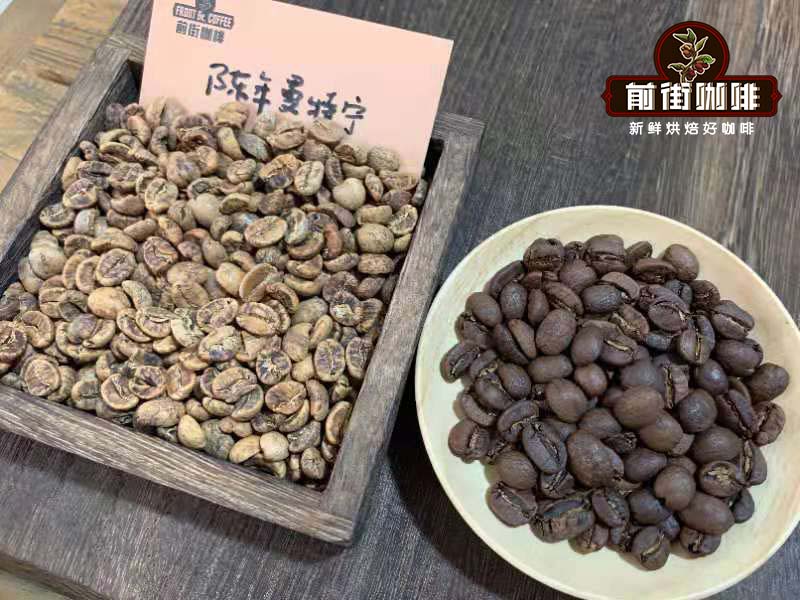
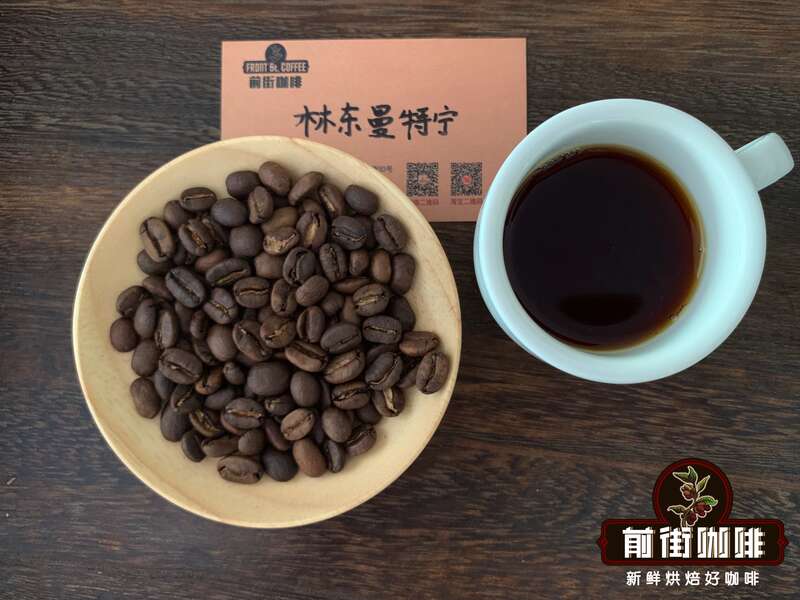
Wahana Natural Mandheling:
Region: Sumatra Lake Toba, Wahana Estate
Altitude: 1000–1700 meters
Variety: Bourbon, Typica
Processing Method: Natural
Flavor: Melon, fermentation, mango, tropical fruits, peach
Established in 2005, the estate is located in the Sidikalang district of northern Sumatra, one of the well-known producing areas. The region enjoys moderate altitude, cool climate, and significant day-night temperature variation, with red fruit sugar levels generally exceeding 13%. The estate focuses on variety isolation and single-block harvesting, selecting only fully ripe red cherries for processing, resulting in a Natural Mandheling with vivid flavors, prominent tropical fruit and fermentation aromas, balanced acidity, and outstanding sweetness.
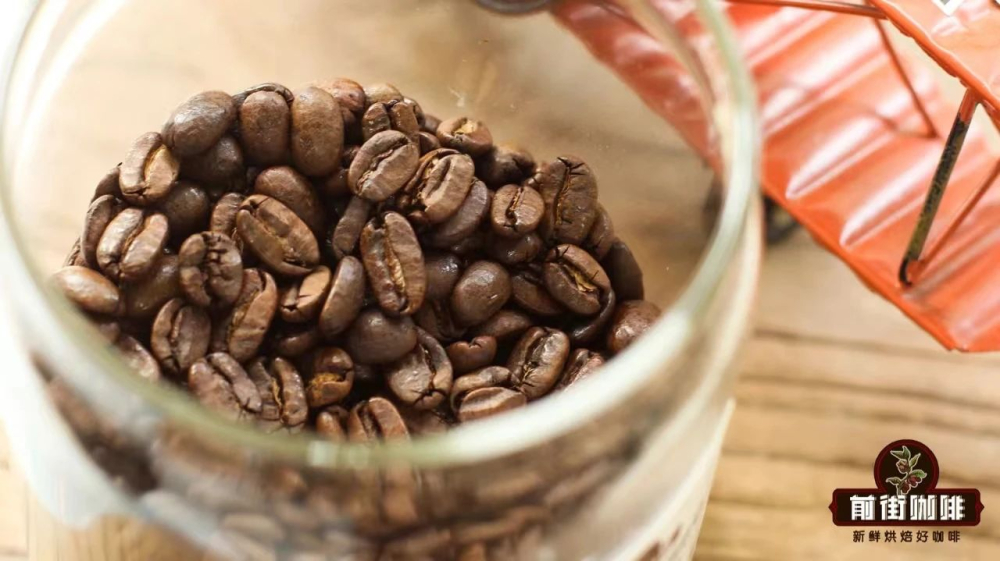
Finally, for Mandheling beans of varying roast levels, the following pour-over brewing parameters are recommended to achieve optimal extraction:
Light-to-Medium Roast (e.g., Natural Mandheling): V60 dripper, brew ratio 1:15, 15g coffee, 90°C water, grind size (20-mesh sieve 80% passing rate), 30-second bloom followed by pouring to 225g, total time around 2 minutes.
Medium-to-Dark Roast (e.g., Lintong, PWN Gold, Tiger, Aged Mandheling): Kono dripper, brew ratio 1:15, 15g coffee, 88°C water, grind size (20-mesh sieve 70–75% passing rate), 30-second bloom followed by pulse pouring to 225g, total time around 2 minutes 10 seconds.
Through the above analysis and tested parameters, you’ll gain a deeper understanding of the diverse profiles of Sumatra Mandheling and be able to select the most suitable beans and brewing methods based on your personal taste preferences.
The above content is compiled by CoffeeHunters, a coffee news website.


