








Introduction:Americano and latte are two of the most common beverages in coffee shops—one refreshing, the other rich—but both originate from the same base: espresso. This article will delve into the extraction principles and key parameters of espresso, helping you understand the core differences in formulation, preparation process, and flavor profile between Americano and latte. We’ll also provide practical extraction details to help you master these two classic coffees more precisely.
Walk into any café, and the top two most ordered drinks are almost always Americano and latte. One is black coffee with a clean and crisp taste; the other is milk coffee with a rich and smooth aroma. Although their first impressions are quite different, they are actually built on the same foundation—espresso. This highly concentrated extract, made through rapid high-pressure brewing, is not only the starting point for many specialty coffee drinks but also directly influences the final flavor direction and overall performance.
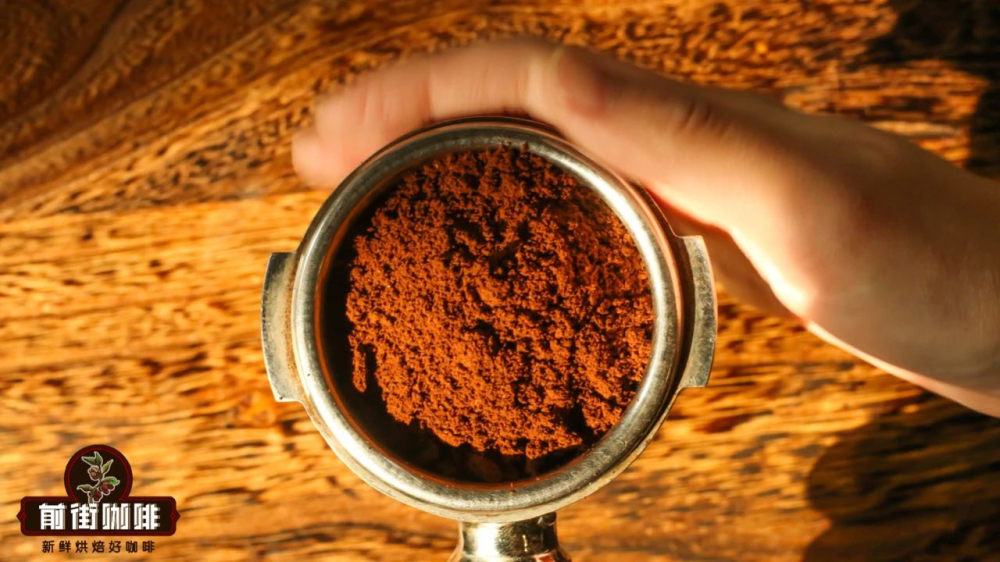
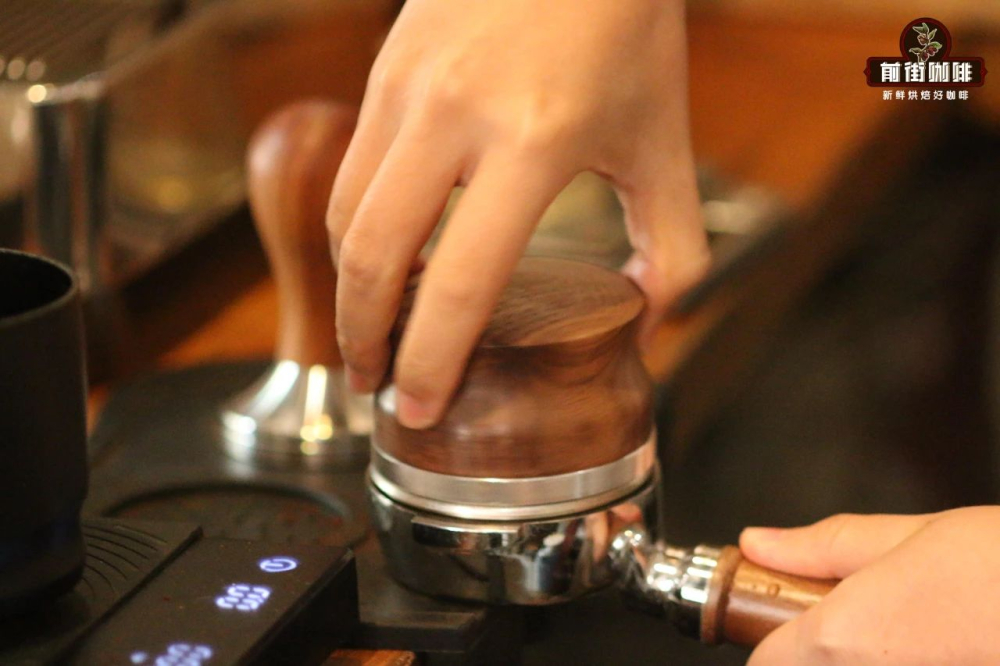
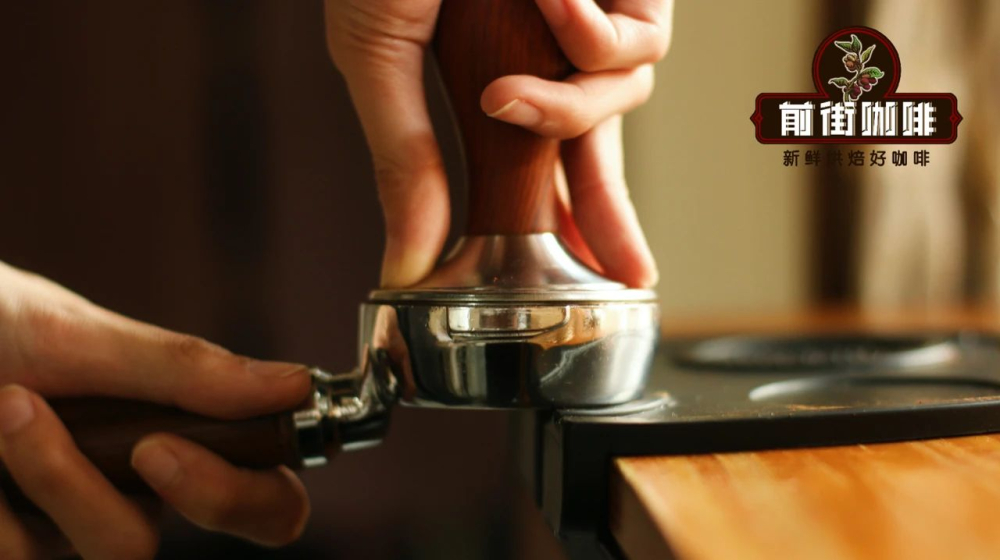
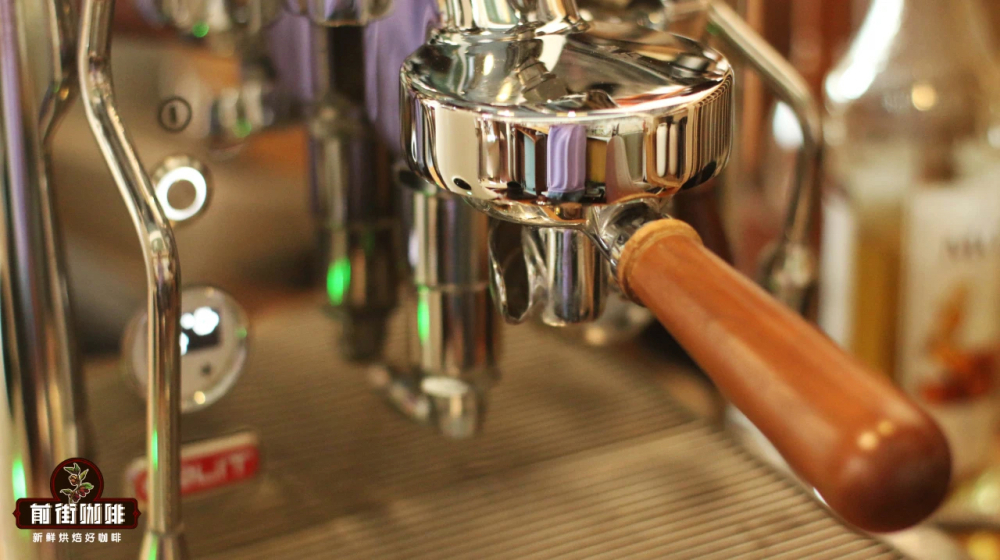
To understand the fundamental differences between Americano and latte, we must first start with the definition and extraction of espresso. Espresso is a highly concentrated coffee produced by forcing nearly boiling water—under high pressure (about 9 BAR)—through finely ground and evenly tamped coffee grounds in an extremely short time (usually 25–30 seconds). This method yields about 30ml of concentrated liquid, topped with a thin layer of golden to brown crema, a fine and dense foam that not only affects appearance but also plays a crucial role in aroma release.

The quality of espresso is influenced by multiple factors, including coffee bean selection, grind size, coffee-to-water ratio, extraction time, water temperature, and pressure. For example, if the grind is too coarse, water flows too quickly, leading to under-extraction, which may result in a weak, sour taste. Conversely, if the grind is too fine or the extraction time is too long, over-extraction can occur, producing burnt bitterness and unpleasant off-flavors. Therefore, stable and precise extraction parameters are key to making a good espresso.
Many people wonder how Americano and latte are made. Simply put, Americano is made by adding hot water to espresso, commonly in a ratio of one part espresso to two or three parts hot water. It’s a type of black coffee that directly reflects the characteristics of the espresso itself. Latte, which means “milk” in Italian, is based on one or two shots of espresso, with a large amount of steamed and frothed milk added. The typical milk-to-coffee ratio is about 3:1 to 4:1, resulting in a smoother texture, prominent milk aroma, and a more subdued coffee flavor.

In terms of flavor, Americano retains the stronger original profile of espresso since it only has hot water added. Whether the balance of acidity, sweetness, and bitterness is achieved depends entirely on the coffee beans and brewing technique. For those unaccustomed to strong caffeine, Americano might seem too intense, but its bright and clear fruit, nut, or chocolate notes are precisely what many coffee enthusiasts seek. On the other hand, latte puts milk in the spotlight, with coffee taking a back seat. It mainly showcases the silky texture of the milk foam and milk, as well as the soft sweetness and layered complexity resulting from the blend with espresso.
A common question is: “Which one is less bitter?” In truth, bitterness mostly comes from extraction issues. Whether it’s Americano or latte, improper espresso extraction—such as over-extraction or using overly dark roasts—can easily lead to unpleasant burnt bitterness. Additionally, the milk in a latte can soften the bitterness to some extent, making it smoother overall, but poor coffee quality will still affect the final result.
Back to espresso itself—many people hesitate to add sugar the first time they try it, but it really depends on personal taste. Traditionally, a spoonful of sugar is often served with espresso, and stirring it in can mellow the intense flavor, making acidity and aroma easier to discern. But if you want to deeply experience the layered flavors of coffee, we recommend trying it without sugar. You might be pleasantly surprised to find complex flavor layers beyond bitterness, such as fruity, floral, caramel, or even subtle wine-like notes.
As for making latte, besides choosing the right espresso, milk handling is also key. For a hot latte, milk should be steamed to about 60–65°C while being frothed into microfoam. This step heavily tests the barista’s control over the steam wand. An ideal latte should have “silky microfoam + uniformly integrated layers of coffee and milk,” with latte art being just an added visual bonus. For coffee blend selection, it’s recommended to use well-balanced blends, such as those with medium to dark roasts, providing a rich base and moderate caramel tones that pair harmoniously with milk.
In summary, the difference between Americano and latte lies not just in the presence or absence of milk, but also in the overall flavor presentation logic and the details of the extraction process. Understanding the basic principles and influencing factors of espresso can help you more accurately appreciate the unique charm of these two classic coffees, and make choices that better suit your taste when selecting or enjoying them.

The above content is compiled by CoffeeHunters, a coffee news website.


