








Introduction:The siphon pot, also known as the vacuum pot, is a classic coffee brewing device that combines steam pressure and vacuum extraction principles to produce rich and aromatic coffee. This article will delve into the historical background, structural components, filtering system operation, as well as detailed brewing steps and techniques of the siphon pot. It will also explore the types of coffee beans and roast levels suitable for use, helping you master this highly ritualistic coffee-making method.
Commonly referred to as the siphon pot or vacuum brewer, this device uses steam pressure and vacuum principles to extract coffee, boasting a long history and distinctive flavor profile. Compared to pour over coffee, coffee brewed with a siphon pot generally has a richer mouthfeel and more concentrated aroma, but the process is relatively more complex, requiring certain skills and familiarity. This article starts with the origins of the siphon pot, deeply analyzes its design structure and the working principle of the filtering system, and provides a complete brewing process and recommendations to help coffee enthusiasts get started easily and experience the charm of this classic extraction method.

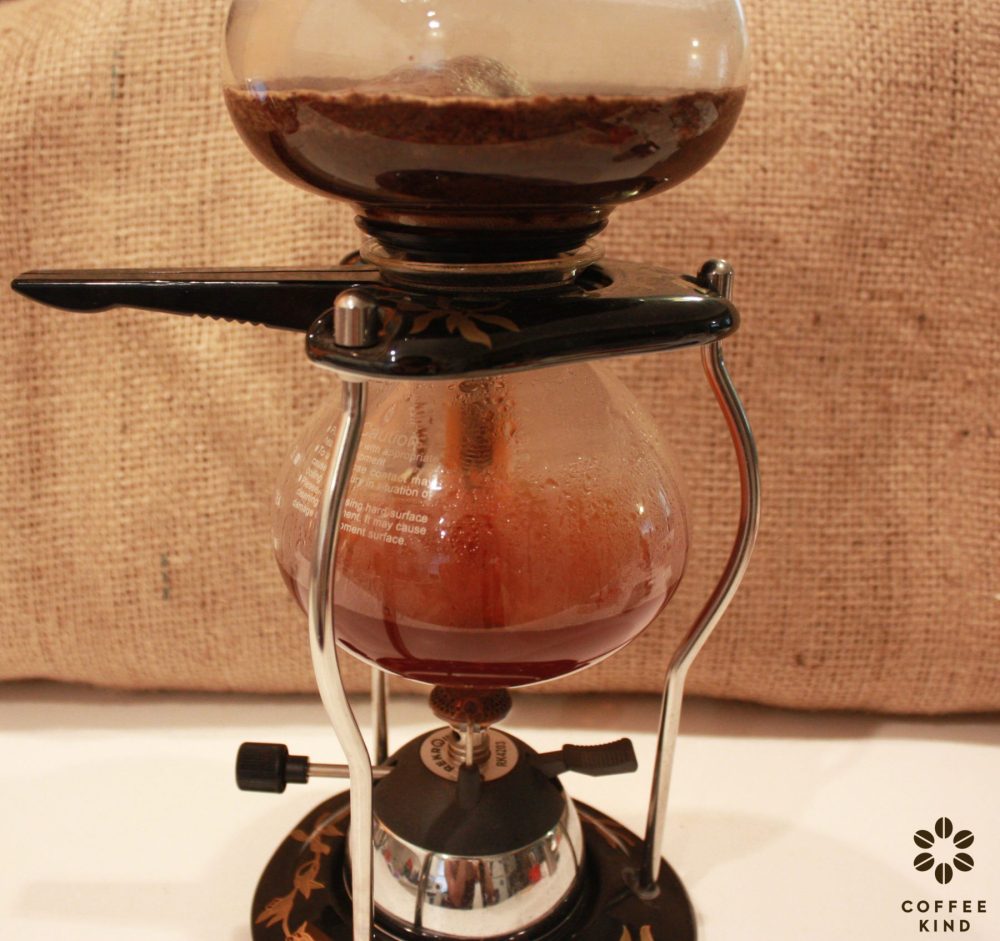
The English name for the siphon pot is "SIPHON." Its operating principle primarily relies on the steam generated by heating the lower chamber, which causes the water to expand due to heat and be pushed up into the upper chamber where it mixes with the coffee grounds. When heating is stopped, the temperature drop causes a change in pressure, and the extracted coffee liquid is then drawn back down into the lower chamber through the central vacuum tube, completing the entire extraction process. This brewing method that combines physical principles not only has visual dramatic appeal but also fully showcases the layers and flavor characteristics of the coffee.
The history of the siphon pot dates back to the early 19th century, even nearly a hundred years before the popularization of modern pour over coffee. According to records, in 1826, German physicist Johann Norremberg first created a device similar to the siphon principle using laboratory equipment, mainly for teaching demonstrations of steam power. However, it was neither patented at the time nor widely circulated. It wasn't until 1842 that French inventor Marie Fanny Amelne Massot improved the device by designing a siphon pot with up-and-down convection functionality and successfully obtained a patent, which officially brought the siphon pot to market. Around the same period, Scottish engineer Robert Napier also designed the Napier coffee pot, which operated on vacuum principles. Although it received recognition from the Institution of Mechanical Engineers, it was also not patented. Over time, these types of vacuum coffee devices were widely popular in Europe and the United States, but their use gradually declined after the popularization of automatic drip coffee machines.
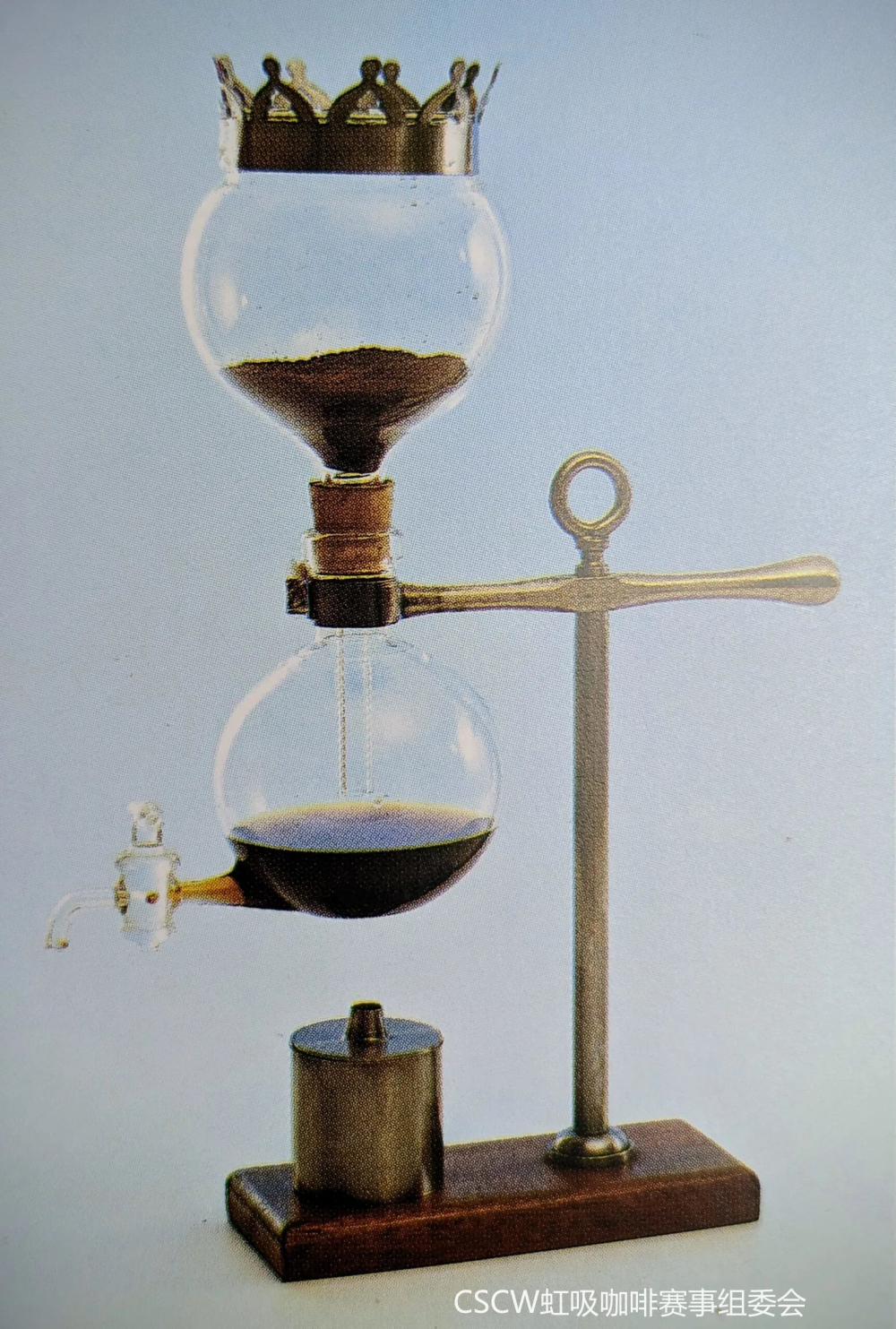
For many coffee enthusiasts, the siphon pot carries an indescribable sense of mystery and ritual, which is related to its relatively complex operation process and technical requirements. Compared to the refreshing and layered profile of pour over coffee, coffee brewed with a siphon pot often has a richer mouthfeel, more robust aroma, and a thicker texture, making it very suitable for those who enjoy bold flavors or seek a full expression of coffee characteristics.
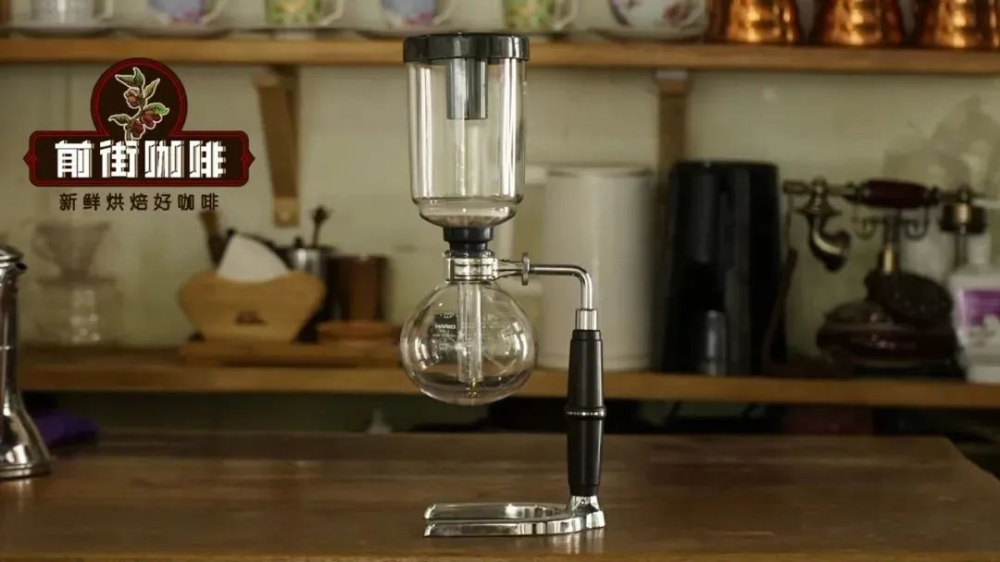
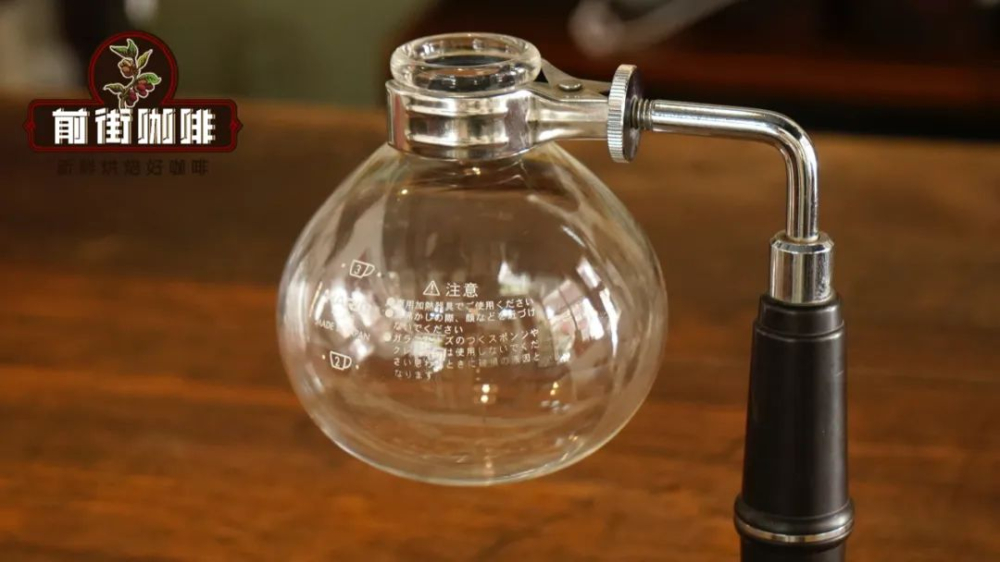
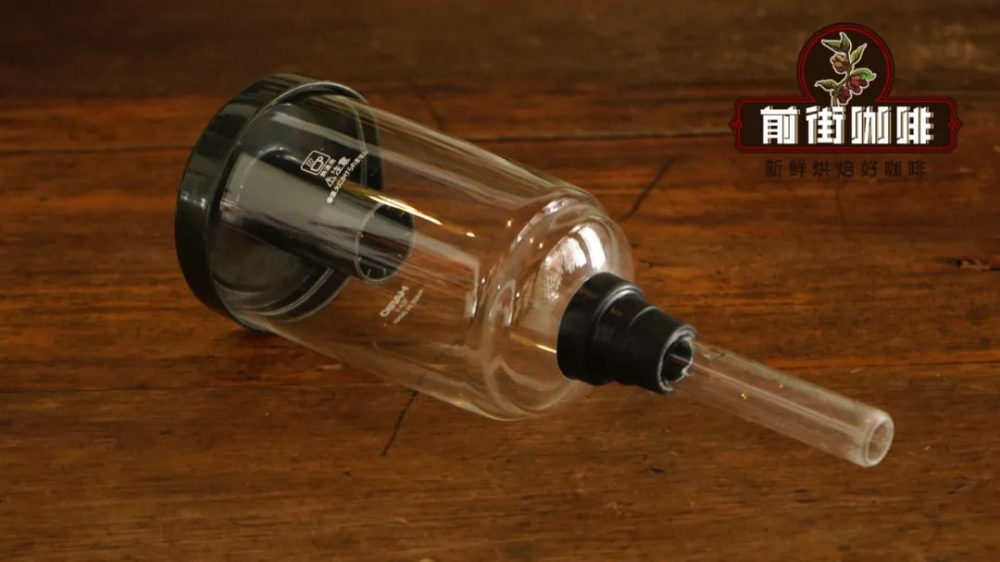
The basic structure of a siphon pot can be divided into three main parts: the upper chamber, the lower chamber, and the support frame. The lower chamber is usually spherical in shape, allowing for even heating when heated. The upper chamber is cylindrical, with a narrowed base connected to a slender vacuum tube. The tube’s diameter gradually narrows from top to bottom and is tightly sealed to the lower chamber via a heat-resistant gasket to ensure an airtight seal. The function of the support frame is to stabilize the entire structure, keeping the lower chamber suspended and balanced—an important detail not to be overlooked during the brewing process.
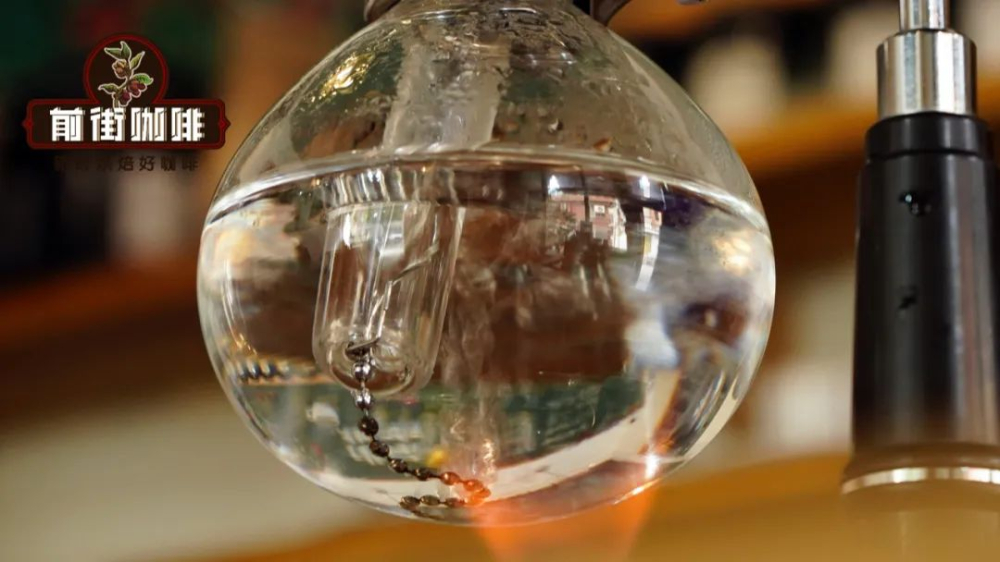
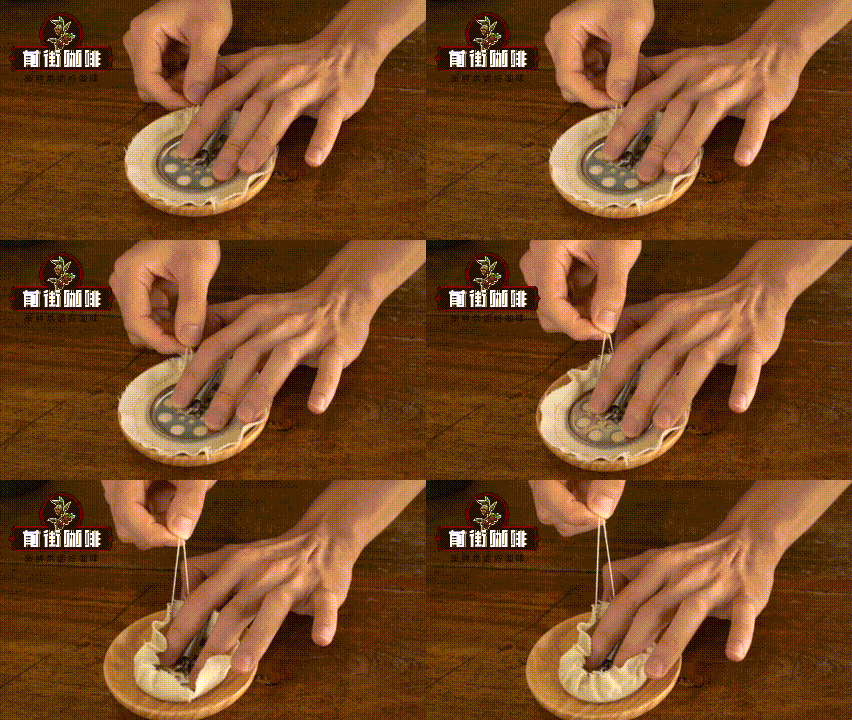
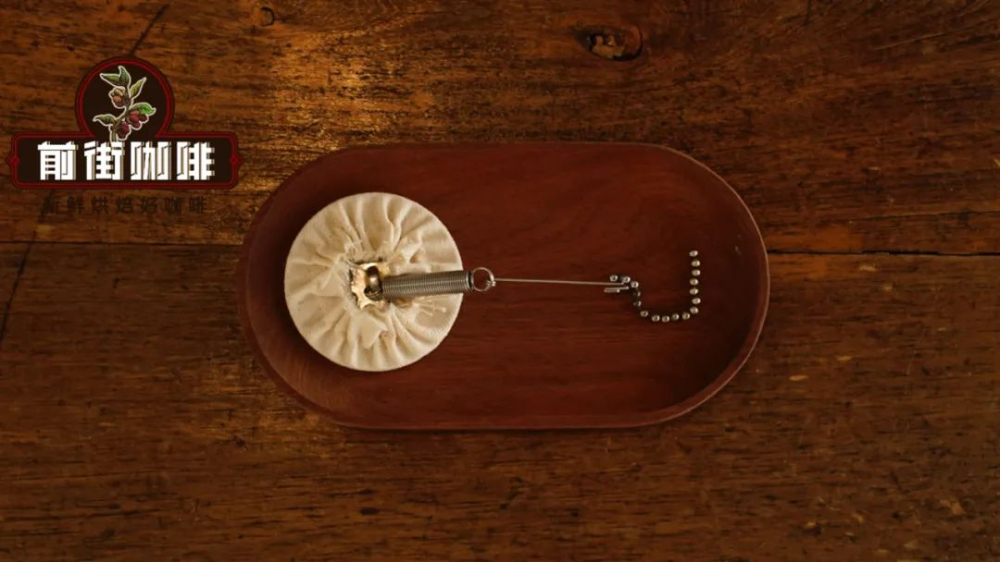
The filtering system is one of the key elements in the siphon pot brewing process, aiming to effectively filter out coffee grounds to ensure no impurities in the final cup. Siphon pots commonly use a filter consisting of a metal disc and a spring chain. The metal disc needs to be wrapped with specialized filtering material before use, most commonly a specially made flannel filter cloth. During use, the filter cloth must be tightly wrapped around the metal disc, then secured by pulling the spring chain taut, and finally placed inside the upper chamber. This ensures that coffee grounds do not flow into the lower chamber along with the liquid during brewing.



The above content is compiled by CoffeeHunters, a coffee news website.


