







Introduction:SOE (Single Origin Espresso), as a popular term in the specialty coffee scene, has increasingly appeared on café menus in recent years. However, many consumers still remain puzzled about its definition and how it differs from regular blends. This article delves into the origins and core characteristics of SOE, compares it with blends in terms of origin selection and flavor profile, and provides practical extraction parameters along with a classic Dirty coffee preparation process. This will help you comprehensively grasp the charm of single-origin espresso, both theoretically and practically.
When walking into a modern specialty café, you’ll often hear baristas ask, “Would you like to try an SOE?” This term has become increasingly common in both the industry and consumer markets in recent years, yet many people still only have a vague understanding of what it actually means. The full name of SOE is Single Origin Espresso, which stands for espresso made from beans sourced from a single region or estate. Such coffee can not only be used to make traditional espresso but can also be extended into drinks like lattes, Americanos, or even creative beverages such as Dirty. This article will provide a detailed introduction to the definition of SOE, how it differs from typical blends, and offer useful parameters and brewing suggestions to help you move from understanding to hands-on experience.
Many regular coffee drinkers are familiar with espresso and single-origin coffee, but the acronym “SOE” might be a relatively new term that has only started appearing frequently on menus in recent years. Some consumers, upon first hearing it, often don’t know what it refers to, and may even wonder why it’s usually slightly more expensive than regular espresso and why its flavor descriptions are more detailed. Simply put, SOE is espresso made using beans from a single origin, often from a specific country, region, or even estate, and it tends to showcase more distinct regional flavor characteristics—such as bright acidity, unique floral notes, or rich caramel and nutty tones.
So, what’s the difference between SOE and common blends? Blends are typically made by combining two or more—sometimes even five to seven—coffee beans from different regions, primarily aiming to achieve a balanced flavor, stable extraction performance, and cost control. Blends are commonly used in commercial coffee or situations requiring large supply volumes, with a more neutral flavor profile, often described as caramel, cream, nuts, and chocolate. In contrast, SOE emphasizes the individuality and unique flavor of a “single origin,” making it ideal for consumers who wish to explore the intrinsic characteristics of coffee.
The rise of SOE is closely tied to the specialty coffee movement. In the early days, the global coffee market generally faced issues with inconsistent quality. To raise overall standards, the industry began promoting improvements in cultivation and processing techniques at the source, and through high-price purchases and technical support, encouraged farmers to produce higher-quality coffee beans. This background led consumers to start paying attention to a coffee’s origin, processing method, and flavor profile, thereby increasing the popularity of brewing methods like pour over and siphon that highlight subtle details. As the concept of specialty coffee evolved, single-origin beans were also applied to espresso production, giving rise to the idea of SOE.
Traditional espresso often gives the impression of being dark-roasted, bitter, and in need of milk to balance it out—this is largely because, in the past, to pursue stability and mass appeal, blended beans were predominantly used, with a focus on dark roasts. However, with the diversification of roasting techniques and consumer tastes, more and more cafés are experimenting with making espresso from single-origin beans and using medium to light-medium roasts to bring out livelier acidity and fruity notes, making espresso no longer just a “better-with-milk” option.
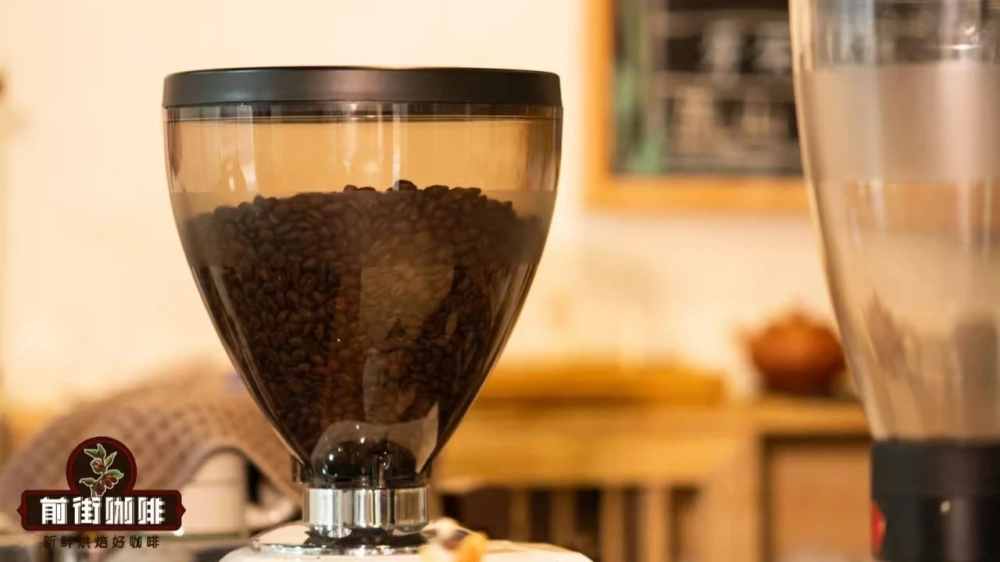
If you’d like to try SOE, you can start by choosing a bean that suits your flavor preferences. Generally, SOEs can be roughly divided into two main types based on flavor profiles: acidic and full-bodied. If you enjoy coffee with pronounced fruit acidity, floral notes, or citrus tones, you might want to consider SOEs from African or Central American regions, such as Huā Kuí (Flower Queen), Red Cherry, or Geisha—these beans are usually well-suited for those who prefer a refreshing flavor. On the other hand, if you prefer coffee that is rich, low in acidity, and features chocolatey, nutty, or caramel aromas, you can opt for medium to dark-roast or medium-dark-roast SOEs from Brazil, Sumatra, or Central and South America—such as Yellow Bourbon, Queen Estate, or Huilan. These beans often deliver a fuller body and a more lingering finish.
Next, let’s take a look at how to make a classic SOE Dirty, and share some practical extraction parameters. This drink combines the contrasting textures of cold milk and hot espresso, making it perfect for experiencing the unique flavors of SOE. The following recipe uses an SOE bean from Brazil’s Cerrado region, ideal for those who enjoy a rich, nutty flavor profile.
Coffee Beans:A brand of Cerrado coffee beans
Coffee Powder Amount:20g
Coffee Liquid Amount:40g
Powder-to-Liquid Ratio:1:2
Extraction Time:26~33 seconds
Grind Size:Galileo 2.0 Notch
It is recommended to use a double-shot portafilter, with a capacity of about 18–20 grams; in practice, you can use 20 grams of coffee powder. The common range for powder-to-liquid ratio is 1:1.5 to 1:2.5, and 1:2 is a balanced and easy-to-control choice for flavor expression. The extraction time affects the concentration of the espresso and the release of impurities— it is advised to keep it between 20–35 seconds, with 28–30 seconds often being the optimal range to achieve a concentrated yet not over-extracted result.
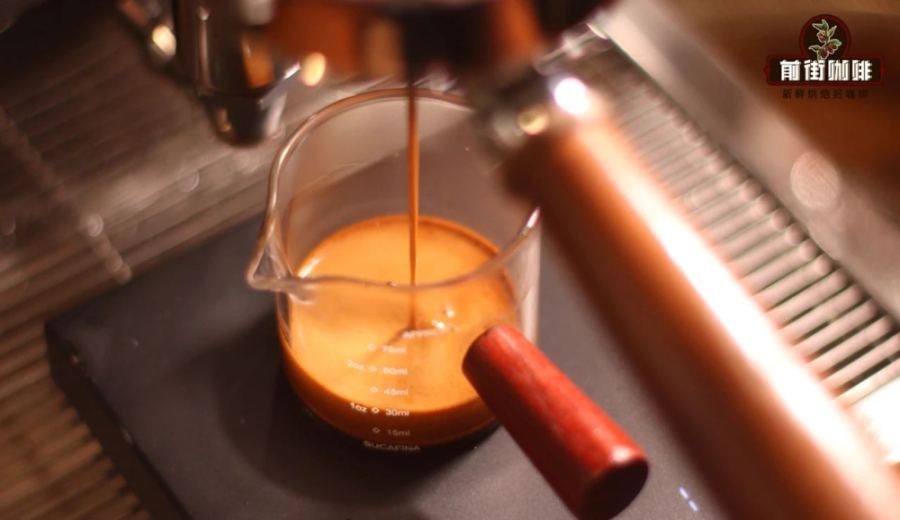
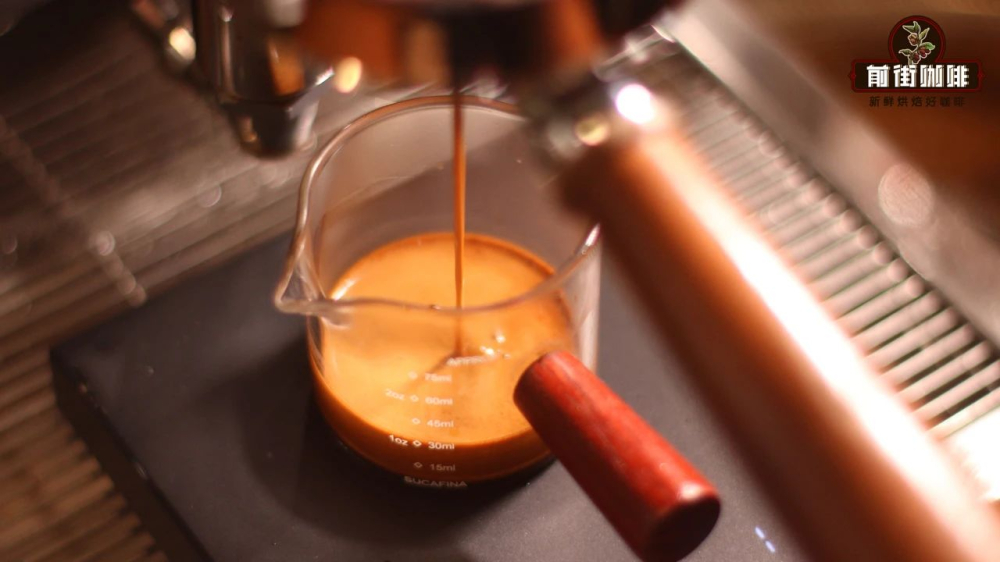
For the preparation steps, start by preparing a transparent glass cup with about 200 ml capacity, and pour in 160 ml of fresh milk, then refrigerate to keep it cold. Next, clean the grinder thoroughly, grind 20 grams of coffee beans, and place them on an electronic scale to confirm the weight. Distribute the grounds evenly, then use a tamper to compress the coffee puck firmly to ensure stable water flow during extraction. Turn on the machine to pre-wet the group head, remove any leftover coffee grounds, reinsert the portafilter, and begin extracting the espresso. When the scale shows that 40 grams of coffee liquid have been extracted and the time falls between 26–33 seconds, stop the extraction.
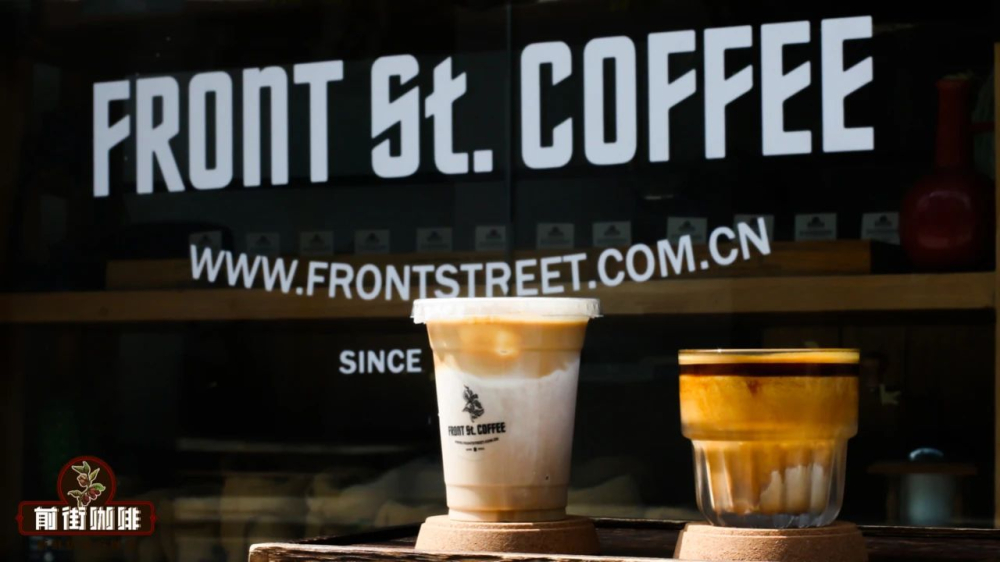
Finally, pour the freshly extracted hot espresso over the cold milk to form the classic Dirty combination. This Brazilian SOE Dirty delivers an immediate taste of almonds, caramel, and peanuts, with a silky-smooth mouthfeel. The contrast of hot on top and cold underneath creates a highly layered drinking experience, making it especially suitable for coffee lovers who enjoy a rich, nutty flavor.
The above content is compiled by CoffeeHunters, a coffee news website.


